Scilla Peruviana (Portuguese Squill)
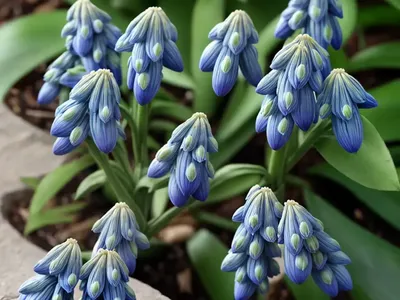
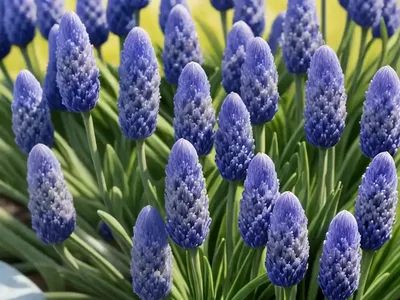
Scilla peruviana, commonly known as Portuguese Squill, is a stunning perennial bulbous plant that attracts attention with its vibrant blue flowers and lush.
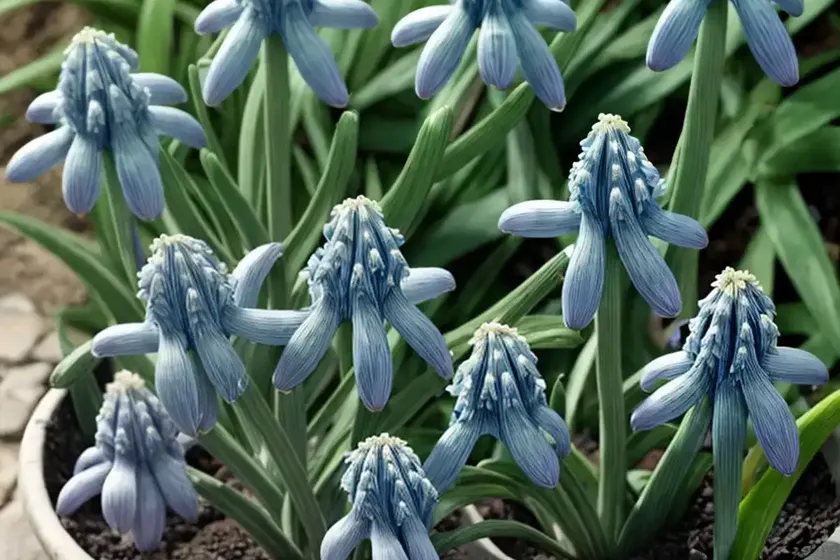
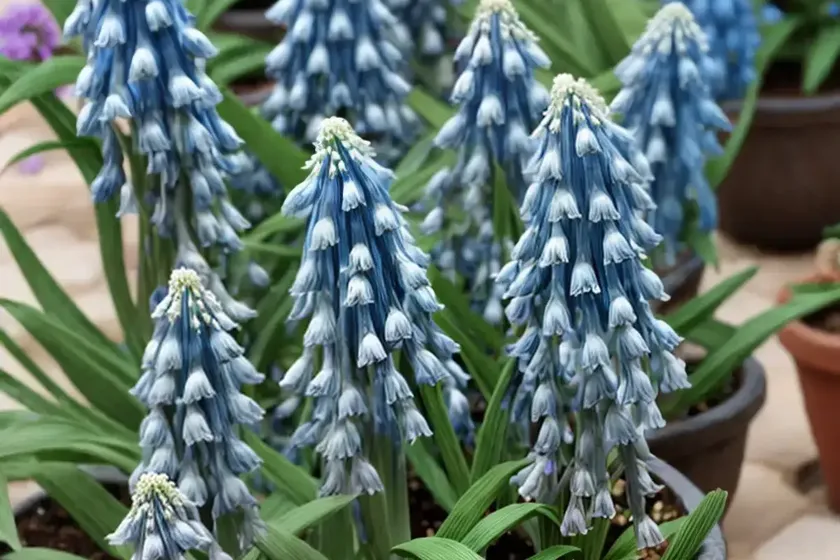
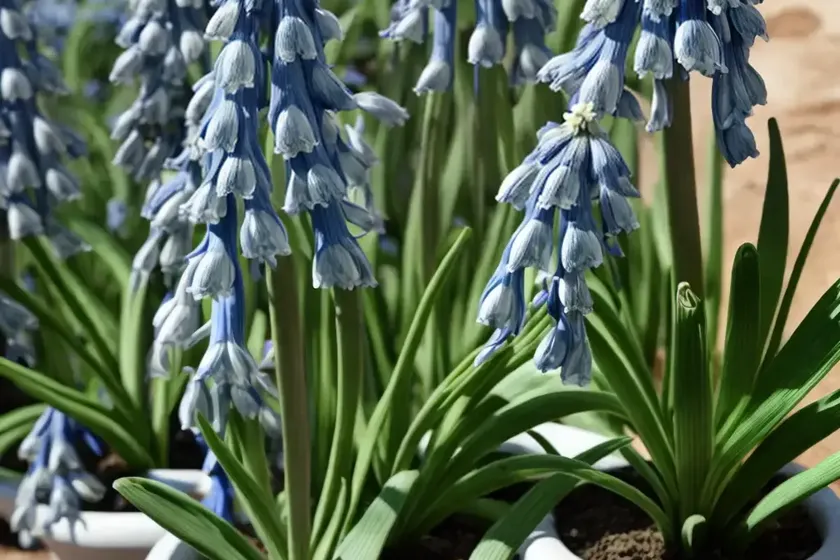
Scilla peruviana, commonly known as Portuguese Squill, is a stunning perennial bulbous plant that attracts attention with its vibrant blue flowers and lush green foliage. This resilient and low-maintenance plant is a popular choice for gardeners looking to add a pop of color to their outdoor spaces or indoor plant collections. In this detailed plant care guide, we will explore the various aspects of cultivating and nurturing Scilla peruviana, including its cultural requirements, common uses, and maintenance tips. Whether you are a seasoned gardener or a novice plant enthusiast, this guide is designed to help you achieve success in growing and caring for Portuguese Squill.
What is Scilla peruviana?
Scilla peruviana, a member of the Asparagaceae family, is native to the western Mediterranean region, including Portugal, Spain, and northwest Africa. It is a robust and long-lived plant that produces striking, spherical clusters of deep blue or violet flowers atop sturdy stems. The glossy, strap-shaped leaves add to its visual appeal, making it a valuable addition to gardens, landscapes, and indoor spaces.
Key Takeaways – Scilla peruviana (Portuguese Squill)
Before delving into the specifics of Portuguese Squill care, let’s highlight some key takeaways that will be covered in this comprehensive plant care guide:
- Culture
- Uses: Portuguese Squill is favored for its ornamental value, making it ideal for borders, rock gardens, and container plantings.
- Water: It requires well-draining soil and moderate moisture levels, avoiding waterlogged conditions.
- Sunlight: Thrives in full to partial sunlight, making it adaptable to various light conditions.
- Fertilizer: Requires minimal fertilization, with an emphasis on balanced feeding during its active growth period.
- Soil: Flourishes in well-draining, nutrient-rich soil with a slightly acidic to neutral pH.
-
Pruning: Minimal pruning needs; remove spent flowers and trim back foliage after it yellows.
-
Propagation
- Methods: Propagation is commonly achieved through division of offsets or by sowing its seeds in suitable conditions.
-
Container: Well-suited for container gardening, allowing for versatility in placement and care.
-
Popularity
- Common Diseases: While generally resilient, Portuguese Squill may be susceptible to specific diseases which will be addressed in this guide.
- Common Pests: Identifying and controlling pests that may affect the health of the plant.
-
Botanist’s Tips: Expert tips and insights from seasoned botanists and horticulturists.
-
Fun Facts
-
Interesting Tidbits: Engaging facts about Scilla peruviana that showcase its unique characteristics and cultural significance.
-
Links to External Resources
- External Resources: References and links to credible sources for further reading and information.
Now, let’s delve into each of these aspects in detail and discover the best practices for nurturing this enchanting plant.
Culture
Uses
Portuguese Squill is prized for its aesthetic appeal, making it a sought-after addition to landscapes, gardens, and even indoor settings. Its primary uses include:
- Garden Border Planting: The vibrant blue flowers and lush foliage make Portuguese Squill an excellent choice for border plantings and edging, adding color and interest to garden beds.
- Rock Gardens: Its low-growing and hardy nature make it well-suited for rock gardens, where it can thrive in well-drained soil alongside other alpine plants and perennials.
- Container Planting: Scilla peruviana is an ideal candidate for container gardening, allowing for flexibility in placement and creating captivating displays on patios, balconies, or indoor spaces.
Water
A crucial aspect of Portuguese Squill care is providing the right amount of water to ensure its vitality and flowering potential. Consider the following guidelines when it comes to watering this resilient plant:
- Moderate Moisture: Portuguese Squill thrives in moderately moist soil, with an emphasis on avoiding waterlogged conditions. Ensure the soil is well-draining to prevent water accumulation around the roots.
- Infrequent Watering: Once established, Scilla peruviana generally requires infrequent watering, particularly during periods of dormancy or in dry climates. Allow the soil to dry out partially between watering sessions, adjusting the frequency based on environmental conditions and plant needs.
Sunlight
The sunlight requirements of Scilla peruviana play a significant role in its overall health and flowering capacity. Understanding its preferences for light exposure can help optimize its growth and blooming potential:
- Full to Partial Sun: Portuguese Squill thrives in full to partial sunlight, making it adaptable to various light conditions. When grown in regions with hot summers, partial shade during the hottest part of the day can be beneficial.
- Southern Exposure: In regions with milder climates, providing the plant with a southern exposure can promote robust growth and prolific flowering.
Fertilizer
While Portuguese Squill does not demand excessive feeding, providing it with essential nutrients during its active growth phase can enhance its vigor and blooming performance. Consider these fertilizer recommendations for optimal plant health:
- Balanced Fertilization: During its active growth period in spring and early summer, administer a balanced, all-purpose fertilizer to support healthy foliage development and robust flowering.
- Minimal Fertilization: Portuguese Squill generally thrives in nutrient-rich soil and may not require frequent or heavy feeding, especially when grown in well-prepared garden beds with organic matter.
- Organic Amendments: Incorporating organic amendments, such as compost or well-aged manure, into the soil before planting can provide a steady source of nutrients throughout the growing season.
Soil
Choosing the right soil type and preparing the planting site are critical components of Portuguese Squill care. Creating favorable soil conditions can contribute to the plant’s overall health and resilience. Consider the following soil requirements:
- Well-Draining Soil: Portuguese Squill thrives in well-draining soil, as it is susceptible to rot in waterlogged conditions. Amending heavy or compacted soil with organic matter can improve drainage and aeration.
- Nutrient-Rich Soil: Providing nutrient-rich soil with a slightly acidic to neutral pH can support robust growth and flowering. Incorporating organic matter, such as compost or leaf mold, can enhance soil fertility and structure.
- Soil Preparation: Before planting, prepare the soil by loosening it to a suitable depth and incorporating organic amendments to improve its overall quality. This groundwork can promote healthy root development and resilient growth.
Pruning
Pruning Portuguese Squill is a straightforward process that primarily focuses on removing spent flowers and managing the foliage to promote a tidy appearance. Here are some key considerations for maintaining the plant’s aesthetic appeal and overall health:
- Deadheading: Remove faded or spent flowers by snipping the flower stems close to the base. Deadheading encourages the plant to allocate its energy towards new growth and flowering.
- Foliage Management: After the foliage begins to yellow and wither, typically after the plant has finished blooming, it can be trimmed back to ground level. This practice helps maintain the plant’s visual appeal and redirects its energy towards bulb development.
Propagation
Methods
The propagation of Scilla peruviana can be achieved through division of offsets or from seeds, offering gardeners flexibility in expanding their plantings or sharing the beauty of this species with others. Consider the following propagation methods for Portuguese Squill:
- Offset Division: When the plant becomes crowded and develops offsets or bulblets, they can be carefully separated from the parent plant and replanted in suitable locations. This method allows for the expansion of Portuguese Squill colonies and the establishment of new plantings.
- Seed Sowing: Collecting and sowing ripe seeds in well-prepared, well-draining soil can also yield new plants. It is important to provide the seeds with suitable conditions for germination to promote their successful establishment.
Container
Portuguese Squill’s adaptable nature makes it well-suited for container gardening, offering a range of possibilities for plant placement and care. When growing Scilla peruviana in containers, consider the following tips to ensure its well-being:
- Container Selection: Choose a container with adequate drainage holes and sufficient depth for the plant’s root system. Terra cotta or other breathable materials can provide good air circulation for the roots.
- Well-Draining Mix: Use a well-draining potting mix that allows excess moisture to escape freely. Adding perlite or coarse sand to the mix can enhance drainage and aeration.
- Placement: Position the container in a location that receives the appropriate amount of sunlight for Portuguese Squill. Additionally, consider protection from extreme weather conditions to safeguard the plant’s well-being.
Popularity
Common Diseases
While Portuguese Squill is known for its resilience, it can still be vulnerable to specific diseases that may affect its overall health and appearance. Understanding these common diseases and their management is crucial for maintaining the plant’s vitality. Common diseases include:
- Botrytis Blight: This fungal disease, caused by Botrytis cinerea, can manifest as gray mold on foliage and flowers, particularly in humid conditions. Good air circulation and avoiding overhead watering can help mitigate its impact.
- Basal Rot: Excessive moisture or poor drainage can lead to basal rot, caused by fungal pathogens. Implementing proper watering practices and enhancing soil drainage can reduce the risk of this disease.
- Leaf Spot: Several fungal pathogens can cause leaf spot, leading to the appearance of unsightly lesions on the foliage. Remove and dispose of affected plant parts to prevent the spread of the disease.
Disease Diagnosis
Diagnosing diseases that affect Portuguese Squill involves careful observation of the plant’s symptoms and characteristics. Proper identification can guide appropriate management strategies to address the underlying issues. Key steps in disease diagnosis include:
- Symptom Recognition: Pay attention to any unusual discoloration, spots, or abnormalities on the foliage, stems, or flowers of the plant.
- Pathogen Identification: Consult reliable resources or local plant health authorities to identify potential pathogens responsible for the observed symptoms.
- Cultural Practices: Implement cultural practices that promote robust plant health, such as adequate spacing, good air circulation, and proper watering techniques to prevent disease development.
Common Pests
In addition to diseases, Portuguese Squill may encounter pest-related challenges that can impact its growth and appearance. Identifying and managing common pests is essential for safeguarding the well-being of the plant. Common pests include:
- Thrips: These tiny insects can cause stippling and distortion of the foliage, affecting the overall aesthetics of the plant. Insecticidal soaps or horticultural oils can be used to control thrips infestations.
- Snails and Slugs: These mollusks can feed on the tender foliage and flowers, leaving behind visible slime trails and ragged foliage edges. Implement measures such as barriers, traps, or suitable baits to protect the plant from these pests.
- Bulb Mites: Bulb mites can infest the plant’s bulbs, leading to damage and deterioration. Inspect bulbs before planting and consider treatments to manage bulb mite infestations.
Botanist’s Tips
To enhance your success in growing and caring for Scilla peruviana, consider incorporating expert tips and insights from experienced botanists and horticulturists. These recommendations and best practices can contribute to the overall well-being of the plant and elevate your gardening experience. Here are some valuable botanist’s tips:
- Soil Assessment: Prior to planting, assess the soil conditions and structure to ensure it meets the plant’s requirements for drainage, aeration, and fertility. Amend the soil as needed to create an optimal growing environment.
- Mulching: Apply a layer of organic mulch, such as shredded bark or compost, around the base of the plant to conserve soil moisture, suppress weed growth, and provide insulation during temperature fluctuations.
- Observational Monitoring: Regularly monitor the plant for any signs of stress, disease, or pest activity. Early detection and intervention can prevent potential issues from escalating and impacting the plant’s health.
Fun Facts
As you embark on your journey of cultivating and nurturing Scilla peruviana, consider these engaging and enlightening fun facts about Portuguese Squill:
- Cultural Significance: In some regions, Portuguese Squill holds cultural and symbolic significance, being associated with resilience, beauty, or positive attributes in folklore and traditional beliefs.
- Pollinator Interaction: The vibrant flowers of Scilla peruviana attract pollinators such as bees and butterflies, contributing to local ecosystem dynamics and supporting biodiversity.
- Naturalizing Ability: In suitable conditions, Portuguese Squill can naturalize and spread, creating captivating displays of flowering bulbs over time, adding to its ornamental appeal.
Links to External Resources
For further reading and information on Scilla peruviana (Portuguese Squill) care, propagation, and related topics, explore the following external resources:
- Royal Horticultural Society: Scilla peruviana
- University of Florida IFAS Extension: Bulbs for Florida
- Missouri Botanical Garden: Growing Bulbs in Outdoor Containers
- American Society for the Prevention of Cruelty to Animals (ASPCA): Toxic and Non-Toxic Plants – Squill
By exploring these resources, you can gain comprehensive insights into Portuguese Squill cultivation, care, and related topics, further enriching your understanding and horticultural expertise.
In conclusion, Scilla peruviana (Portuguese Squill) is a captivating plant known for its striking flowers, adaptability, and ornamental value. By incorporating the guidelines and insights presented in this comprehensive plant care guide, you can embark on a journey of successful cultivation and nurturing of this remarkable species, whether in garden beds, containers, or other suitable settings. As you explore the nuances of Portuguese Squill care and propagation, you have the opportunity to enhance your gardening prowess and immerse yourself in the beauty and resilience of this beloved plant.
This comprehensive plant care guide for Scilla peruviana (Portuguese Squill) is designed to provide valuable information and practical recommendations for individuals passionate about horticulture, botany, and gardening. With a keen focus on cultural requirements, common uses, and maintenance tips, this guide aims to empower readers to cultivate and appreciate the enchanting qualities of Portuguese Squill with confidence and expertise.