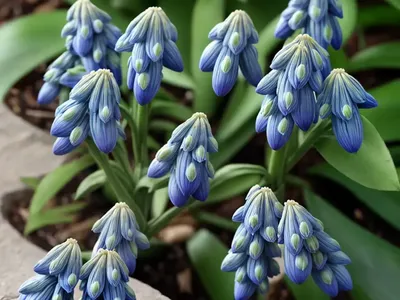
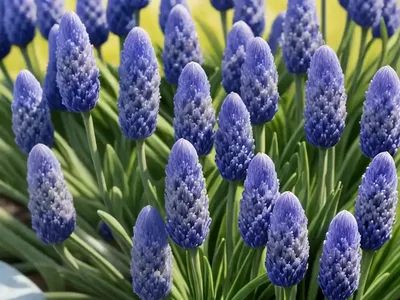
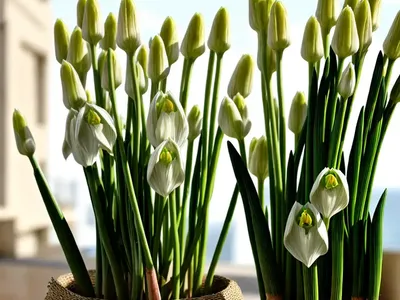
Scilla Madeirensis (Madeiran Squill)
Scilla madeirensis, commonly known as Madeiran Squill, is a captivating perennial plant that belongs to the Asparagaceae family. This stunning bulbous.
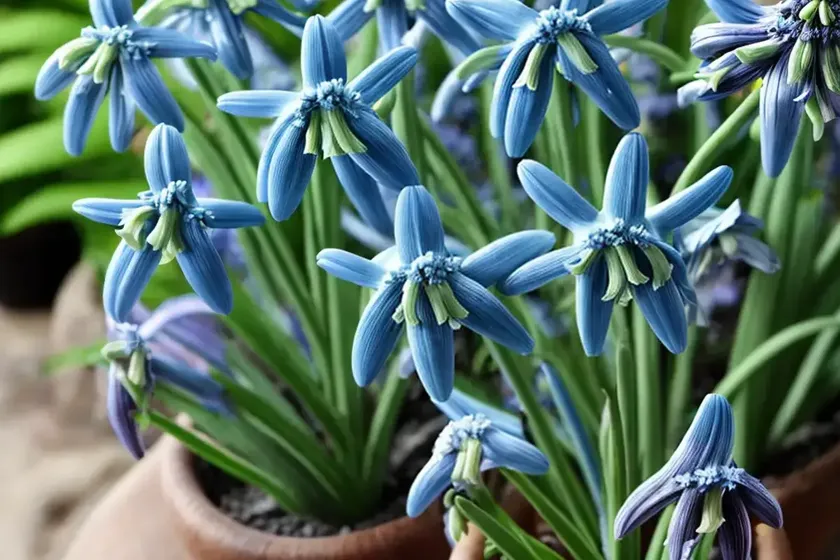
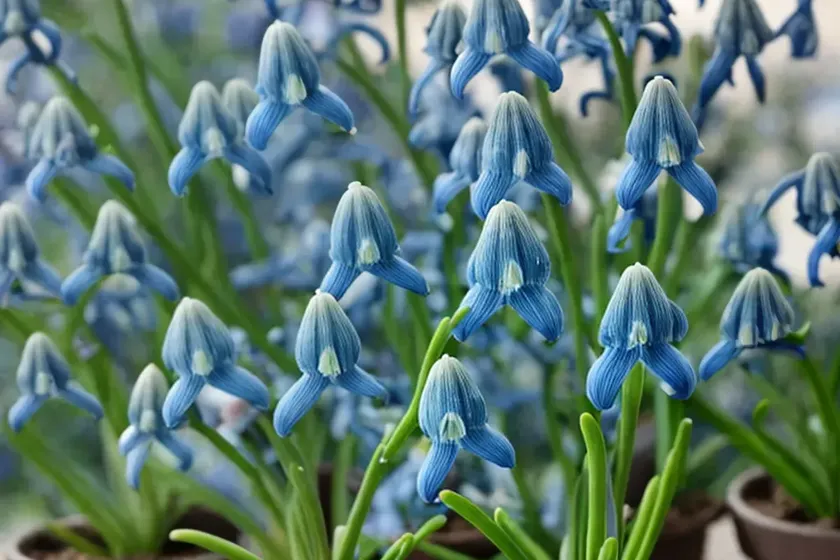
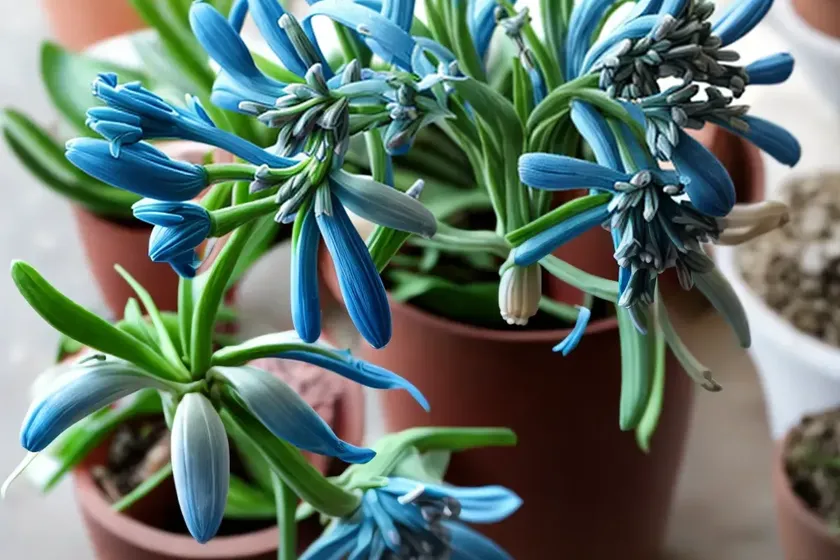
Scilla madeirensis, commonly known as Madeiran Squill, is a captivating perennial plant that belongs to the Asparagaceae family. This stunning bulbous plant is native to the Madeira archipelago, particularly found in the laurel forest, and it boasts exquisite blue flowers that bloom in the spring.
In this comprehensive guide, we will explore the various aspects of caring for Scilla madeirensis, including its culture, uses, water and sunlight requirements, soil preferences, propagation methods, and much more. Whether you are a seasoned gardener or someone who is just starting to explore the world of plants, this guide will provide valuable insights into nurturing and enjoying the beauty of Scilla madeirensis.
Key Takeaways – Scilla madeirensis (Madeiran Squill)
Scilla madeirensis is an elegant addition to any garden, with its vibrant blue flowers and easy-care nature. Here are the key takeaways for cultivating and appreciating this remarkable plant:
- Plant Name: Scilla madeirensis (Madeiran Squill)
- Plant Family: Asparagaceae
- Native to: Madeira archipelago
- Flowering Time: Spring
- Plant Type: Perennial
- Common Uses: Ornamental purposes, landscaping
Now, let’s delve into the specifics of how to best care for Scilla madeirensis.
Culture
Cultivating Scilla madeirensis can be a delightful experience, as this plant thrives in the right conditions. Understanding its cultural requirements is essential for promoting healthy growth and blooming.
Uses
Scilla madeirensis is primarily used for ornamental purposes, adding charm and color to gardens, rockeries, and woodland areas. Its stunning blue blooms make it a sought-after asset for landscaping projects and naturalistic plantings.
Water
Proper watering is vital for the health and vitality of Scilla madeirensis.
- Established Plants: During the growing season, water the plant regularly to keep the soil moist, but not waterlogged.
- Avoid Overwatering: It is crucial to avoid overwatering, as excessive moisture can lead to bulb rot and other issues.
- Summer Dormancy: In summer when the plant goes dormant, reduce watering. Minimal moisture is sufficient during this period.
Sunlight
The right amount of sunlight is essential for the optimal growth of Scilla madeirensis.
- Light Requirements: Plant Scilla madeirensis in partial shade to full sun. In its native habitat, it thrives under dappled sunlight in woodland areas.
- Morning Sun: When grown in hotter climates, providing morning sunlight and protection from intense afternoon sun is beneficial.
Fertilizer
Proper fertilization supports the well-being and blooming of Scilla madeirensis.
- Balanced Fertilizer: Use a balanced, water-soluble fertilizer in spring before the plant starts actively growing.
- Avoid Excess Fertilization: Refrain from over-fertilizing, as this can lead to excessive foliage growth at the expense of blooms.
Soil
The right soil composition is crucial for ensuring the health and vitality of Scilla madeirensis.
- Well-Draining Soil: Plant Scilla madeirensis in well-draining soil to prevent waterlogging and potential bulb rot.
- Organic Matter: Incorporating organic matter, such as compost, into the soil is beneficial for providing nutrients and improving soil structure.
Pruning
Minimal, selective pruning can enhance the appearance of Scilla madeirensis.
- Deadheading: Remove spent flowers to promote continuous blooming and prevent the plant from expending energy on seed production.
- Foliage: Allow the foliage to mature and wither naturally to nourish the bulb for the following growing season.
Propagation
Scilla madeirensis can be propagated through various methods, providing opportunities for expanding your plant collection or sharing its beauty with others.
- Division: Divide mature clumps of bulbs in late summer to early autumn, ensuring that each division has sufficient roots and shoots for successful establishment.
- Offsets: Remove offsets or bulbils from the parent bulb and plant them in a suitable growing medium to encourage independent growth.
Container Popularity
Due to its attractive blooms and manageable size, Scilla madeirensis is a popular choice for container gardening, allowing plant enthusiasts to enjoy its beauty on patios, balconies, and other outdoor spaces.
Common Diseases
Understanding the potential diseases that can affect Scilla madeirensis is crucial for early detection and effective management.
- Botrytis Gray Mold: Under humid and wet conditions, gray mold can affect the foliage and flowers of Scilla madeirensis.
- Bulb Rot: Excessive moisture and poorly draining soil can lead to bulb rot, causing the plant to decline.
Disease Diagnosis
When observing any signs of disease or distress in Scilla madeirensis, it is essential to accurately identify the issue to implement appropriate remedies.
- Symptoms of Gray Mold: Look for grayish mold on the affected plant parts, often accompanied by wilting and browning of foliage.
- Bulb Inspection: Check for soft, discolored areas on the bulbs, indicating the presence of rot.
Common Pests
Several pests can pose a threat to the well-being of Scilla madeirensis, requiring vigilance and prompt action for effective management.
- Snails and Slugs: These creatures can feed on the foliage and flowers of Scilla madeirensis, causing unsightly damage.
- Bulb Mites: Infestations of bulb mites can damage the plant’s bulbs, leading to stunted growth and decline.
Botanist’s Tips
To elevate the success and enjoyment of cultivating Scilla madeirensis, consider the following tips from experienced botanists:
- Naturalistic Plantings: Incorporate Scilla madeirensis in naturalistic plantings alongside other woodland and shade-loving species for a harmonious display.
- Mulching: Apply a layer of organic mulch around the base of the plant to retain moisture, suppress weeds, and provide a favorable microclimate.
Fun Facts
Discover fascinating facts about Scilla madeirensis that further enrich the appreciation of this exquisite plant:
- Native Habitat: Scilla madeirensis is native to the laurel forests of the Madeira archipelago, where it thrives in the dappled shade of woodland environments.
- Pollinator Attraction: The vibrant blue flowers of Scilla madeirensis attract pollinators such as bees and butterflies, contributing to the ecosystem’s biodiversity.
Links to External Resources
Explore more about Scilla madeirensis through the following links to detailed resources and valuable information:
- Planting and Caring for Scilla madeirensis
- Propagation Techniques for Scilla madeirensis
- Understanding Bulb Rot in Plants
- Nurturing Bulbous Plants in Containers
- Attracting Pollinators to the Garden
In conclusion, Scilla madeirensis stands out as a captivating plant that holds immense appeal for both amateur and experienced gardeners. By understanding its unique cultural requirements, propagation techniques, and potential challenges, you can cultivate and appreciate the enchanting beauty of this Madeiran Squill in your own garden or outdoor space. With the right care and attention, Scilla madeirensis can flourish and reward you with its dazzling blue blooms, adding a touch of elegance to your natural surroundings.
Disclaimer: The information provided in this guide serves as general advice for the cultivation of Scilla madeirensis. Individual plant care routine may vary based on specific environmental conditions and regional requirements. Always refer to localized resources and seek professional guidance for addressing unique challenges and concerns related to plant health and cultivation.