Perovskia Atriplicifolia (Russian Sage): A Complete Guide
Introduction
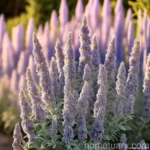
In the world of ornamental plants, Perovskia atriplicifolia, commonly known as Russian Sage, stands out for its stunning appearance and versatility. This perennial herbaceous plant belongs to the Lamiaceae family, also known as the mint family. With its aromatic silvery foliage and delicate lavender-blue flowers, Russian Sage has gained immense popularity among gardeners and landscapers. In this comprehensive guide, we will delve into the various aspects of cultivating and caring for Perovskia atriplicifolia, exploring its cultural requirements, uses, care guidelines, and more.
What is Perovskia atriplicifolia (Russian Sage)?
Russian Sage is a deciduous perennial plant native to the central Asian regions, including Afghanistan, Pakistan, and Tibet. Perovskia atriplicifolia is characterized by its finely dissected, aromatic leaves and spires of small, tubular flowers. The plant typically reaches a height of 3-4 feet and forms a bushy, upright clump. Its flowers, which bloom in midsummer and last until early fall, attract pollinators, making it a valuable addition to pollinator gardens. Russian Sage is known for its drought tolerance and ability to thrive in poor, rocky soils, making it a popular choice for xeriscaping and low-maintenance landscapes.

Key Takeaways – Perovskia atriplicifolia (Russian Sage)
Culture
Russian Sage is a low-maintenance plant that thrives in a variety of climates and soil conditions. Its cultural requirements can be summarized as follows:
- Hardiness: Russian Sage is well-suited to USDA hardiness zones 4-9. It can tolerate both extreme cold and heat, making it adaptable to diverse environmental conditions.
- Soil: Well-drained soil is essential for the successful cultivation of Russian Sage. It prefers sandy or loamy soil types with a neutral to slightly alkaline pH.
- Watering: Once established, Russian Sage is drought tolerant, requiring minimal irrigation. Overly moist soil can lead to root rot, so it is crucial to allow the soil to dry out between waterings.
- Sunlight: Full sun exposure is ideal for Russian Sage. It thrives in bright, sunny locations and may exhibit decreased vigor and flowering in shaded areas.
Uses
Russian Sage offers a wide range of uses, both in the garden and beyond:
- Ornamental: Its silvery foliage and vibrant flowers make Russian Sage a striking addition to borders, rock gardens, and perennial beds. Its long blooming season provides visual interest throughout the summer and early fall.
- Pollinator Attraction: The nectar-rich flowers of Russian Sage attract bees, butterflies, and other beneficial pollinators, contributing to the ecological diversity of the garden.
- Dried Arrangements: The long-lasting, airy flower spikes of Russian Sage are ideal for dried floral arrangements, adding texture and color to bouquets and crafts.
Water
Understanding the water requirements of Russian Sage is crucial for its successful cultivation. The following pointers provide insights into effective watering practices for this plant:
- Establishment Period: Newly planted Russian Sage should be watered regularly to encourage root establishment. Once the plant shows signs of active growth, reduce the frequency of watering.
- Drought Tolerance: Russian Sage exhibits excellent drought tolerance once its roots are established. It is essential to allow the soil to dry out between waterings, as overly moist conditions can lead to root rot and other issues.
Sunlight
Sunlight plays a pivotal role in the growth and development of Russian Sage. Understanding its sunlight requirements is essential for cultivating healthy plants:
- Full Sun Exposure: Russian Sage thrives in bright, sunny locations. It is recommended to provide at least 6-8 hours of direct sunlight for optimal growth and abundant flowering.
- Shade Tolerance: While Russian Sage can tolerate partial shade, it may result in reduced flowering and a less compact growth habit. Full sun exposure is ideal for the best performance.
Fertilizer
Applying the right type and amount of fertilizer can enhance the growth and flowering of Russian Sage. The following considerations should be kept in mind when fertilizing this plant:
- Low Nutrient Requirements: Russian Sage thrives in lean, low-nutrient soils. Excessive fertilization can lead to lush foliage at the expense of flowers, so it is best to avoid high-nitrogen fertilizers.
- Organic Amendments: Incorporating well-rotted compost or organic matter into the soil during planting can provide a mild nutrient boost while improving soil structure.
Soil
The soil composition directly impacts the health and vigor of Russian Sage. Understanding its preferred soil conditions is essential for successful cultivation:
- Well-Drained Soil: Russian Sage requires well-drained soil to prevent waterlogging and root rot. Sandy or loamy soils are ideal, promoting good aeration and drainage.
- pH Preference: A neutral to slightly alkaline soil pH (6.5-7.5) is optimal for Russian Sage. Conducting a soil test can help determine and adjust the pH if necessary.
Pruning
Pruning is a beneficial practice for maintaining the shape and vitality of Russian Sage. Proper pruning techniques are essential for encouraging robust growth and prolific flowering:
- Spring Pruning: In late winter or early spring, prune Russian Sage to remove any dead or damaged branches. This helps stimulate new growth and prevents the plant from becoming leggy.
- Deadheading: Regular deadheading of spent blooms can prolong the flowering period and promote the production of new flower spikes.
Propagation
Propagating Russian Sage allows for the expansion of plantings and the preservation of favored cultivars. Here are some common techniques for propagating Perovskia atriplicifolia:
- Softwood Cuttings: Softwood cuttings taken from the current season’s growth can be rooted in a suitable propagation medium, such as a mix of perlite and peat moss, under controlled greenhouse conditions.
- Division: Established clumps of Russian Sage can be divided in early spring to create new plants. This also helps rejuvenate older plantings and maintain their vigor.
Container Popularity
Russian Sage is well-suited for container cultivation, offering versatility and aesthetic appeal for various spaces. Its popularity in container gardening can be attributed to the following factors:
- Compact Growth Habit: The upright, bushy growth habit of Russian Sage makes it suitable for container plantings, adding vertical interest to the arrangement.
- Drought Tolerance: Russian Sage’s ability to thrive with minimal watering makes it an excellent choice for container gardens, especially in dry or arid climates.
Common Diseases
Russian Sage is generally resilient to most diseases, thanks to its inherent vigor and drought tolerance. However, it may occasionally encounter certain issues that can impact its health. Common diseases affecting Perovskia atriplicifolia include:
- Powdery Mildew: This fungal disease can manifest as a powdery, white coating on the leaves, stemming from high humidity and poor air circulation. Applying fungicidal sprays and maintaining good airflow can help prevent powdery mildew.
- Root Rot: Overly wet soil can lead to root rot, causing the plant to exhibit wilting, yellowing foliage, and stunted growth. Ensuring proper drainage and avoiding waterlogged conditions is essential for preventing root rot.
Disease Diagnosis
Diagnosing and addressing potential diseases in Russian Sage involves careful observation and timely intervention. Here are some tips for diagnosing potential issues:
- Visual Inspection: Regularly inspect the foliage and stems for any signs of discoloration, wilting, or unusual growth. Early detection can aid in prompt treatment.
- Leaf Sampling: If necessary, collect a sample of affected plant parts, such as leaves or stems, and consult with a local extension office or plant health specialist for diagnosis and management recommendations.
Common Pests
While Russian Sage is relatively resistant to pest infestations, it may still encounter certain insects that can affect its well-being. Common pests that may impact Perovskia atriplicifolia include:
- Aphids: These small, sap-sucking insects can cluster on the new growth of Russian Sage, leading to distorted leaves and reduced vigor. Insecticidal soaps or horticultural oils can help control aphid populations.
- Spider Mites: Spider mites may infest the undersides of Russian Sage leaves, causing stippling and webbing. Regularly washing the foliage and maintaining adequate humidity can deter spider mite infestations.
Botanist’s Tips
To ensure the successful cultivation of Russian Sage and maximize its ornamental and ecological benefits, consider the following expert tips:
- Companion Planting: Pair Russian Sage with other drought-tolerant perennials and ornamental grasses, such as Echinacea, Salvia, Sedum, and Pennisetum, to create visually appealing and resilient landscapes.
- Winter Protection: In colder climates, provide a layer of mulch around the base of Russian Sage plants in late fall to insulate the roots and protect them from fluctuations in temperature.
- Pollinator Gardens: Integrate Russian Sage into pollinator-friendly gardens and landscapes to support the local bee and butterfly populations, contributing to the overall biodiversity of the area.
Fun Facts
- Russian Sage is not a true sage (Salvia) but is often referred to as such due to its aromatic foliage.
- The specific epithet “atriplicifolia” refers to the resemblance of Russian Sage’s leaves to those of plants in the genus Atriplex.
- In traditional medicine, the dried leaves and flowers of Russian Sage have been used to prepare herbal teas and infusions, often believed to possess calming and medicinal properties.
Links to External Resources
For further information on Russian Sage care, cultivation, and uses, you may find the following resources valuable:
- The American Horticultural Society – Russian Sage: A Field Guide
- The Royal Horticultural Society – Growing Perovskia atriplicifolia
- University of Maryland Extension – Russian Sage and Other Drought-Tolerant Plants
In conclusion, Perovskia atriplicifolia, or Russian Sage, is a remarkable ornamental plant with a multitude of benefits for both gardeners and the environment. Its drought tolerance, long flowering period, and ecological value make it a valuable addition to gardens, landscapes, and naturalistic plantings. By understanding and following the care guidelines outlined in this comprehensive guide, enthusiasts can cultivate thriving Russian Sage plants, enjoying their beauty and ecological contributions for years to come.