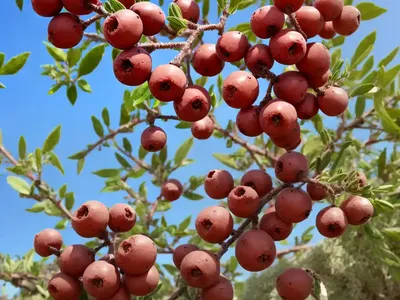
Rhus Aromatica (Fragrant Sumac)
Rhus aromatica, commonly known as Fragrant Sumac, is a versatile and visually appealing plant that has gained popularity among gardeners, landscapers, and.
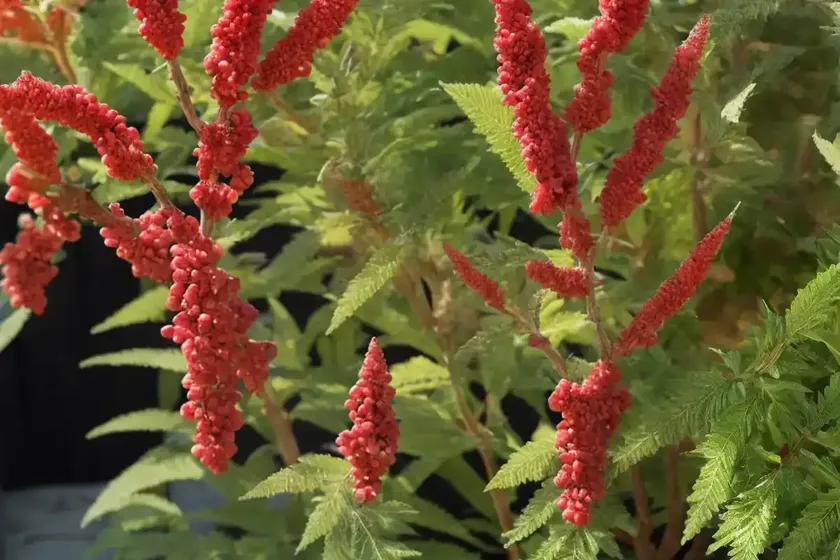
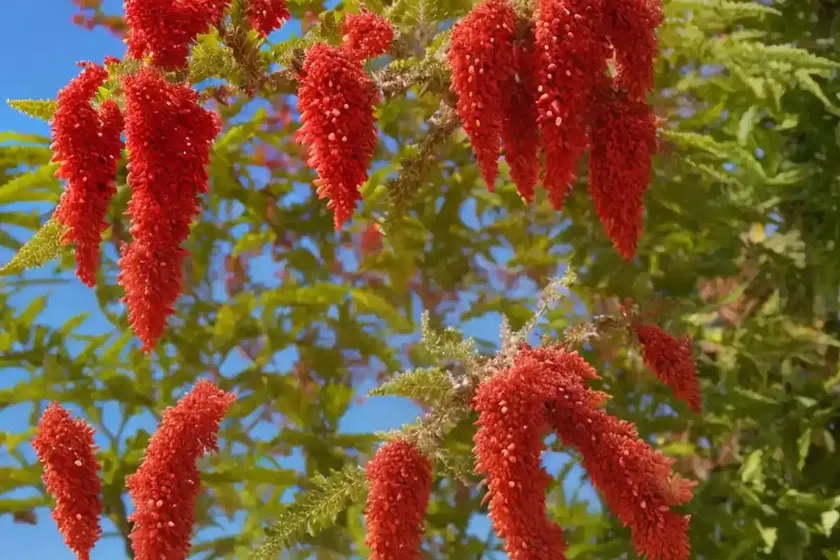
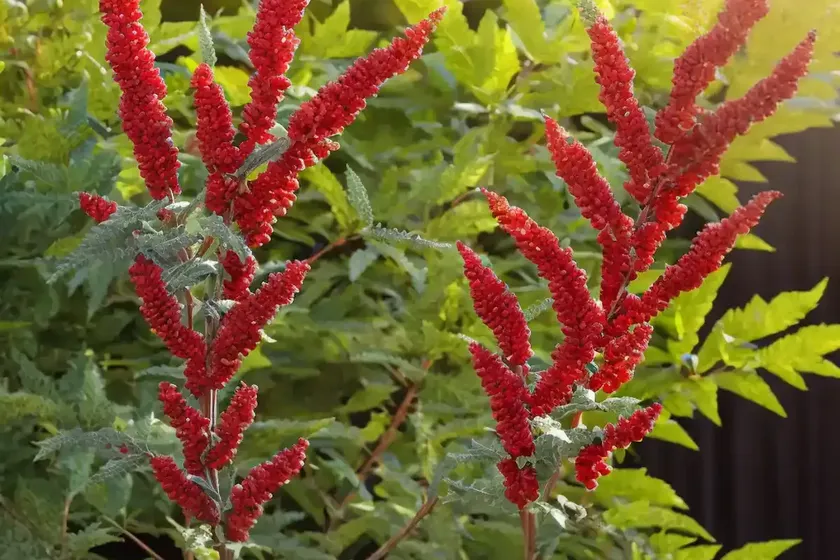
Rhus aromatica, commonly known as Fragrant Sumac, is a versatile and visually appealing plant that has gained popularity among gardeners, landscapers, and horticulturists. It boasts an array of uses, ecological benefits, and ornamental value. In this comprehensive guide, we will explore the cultivation, care, characteristics, and ecological importance of Rhus aromatica. Additionally, we will delve into its landscaping potential, wildlife habitat, medicinal properties, and much more.
What is Rhus aromatica (Fragrant Sumac)?
Rhus aromatica, a member of the Anarcardiaceae family, is a deciduous shrub that is native to North America. It is known for its adaptability to various environmental conditions, including poor soils and drought. Fragrant Sumac is valued for its fragrant foliage, attractive fall colors, and its ability to support wildlife.
Key Takeaways – Rhus aromatica (Fragrant Sumac)
Before delving into the specifics of Fragrant Sumac cultivation and care, let’s outline the key takeaways regarding this versatile plant:
- Rhus aromatica uses: Fragrant Sumac has a range of uses including landscaping, medicinal properties, wildlife habitat, and erosion control.
- Fragrant Sumac benefits: Its benefits include wildlife attraction, ornamental value, and its ability to thrive in challenging conditions.
- Rhus aromatica cultivation: Understanding the cultural requirements of Fragrant Sumac is essential for successful growth and development.
- Fragrant Sumac care: Proper care and maintenance are crucial for ensuring the health and vitality of Rhus aromatica.
- Rhus aromatica characteristics: Exploring its unique features and attributes provides insight into its ecological role and landscaping potential.
- Fragrant Sumac description: A detailed description of its physical characteristics aids in its identification and selection for various applications.
- Rhus aromatica growth: Understanding its growth habits and rate is essential for effective landscape planning and management.
- Fragrant Sumac planting guide: Proper planting techniques are important for establishing healthy growth and vigor.
- Rhus aromatica propagation: Exploring propagation methods aids in the expansion of Fragrant Sumac populations.
- Fragrant Sumac pruning tips: Proper pruning techniques contribute to the plant’s health, aesthetics, and overall performance.
- Rhus aromatica varieties: Familiarizing with different varieties provides options for specific landscape and horticultural needs.
- Fragrant Sumac diseases: Understanding common diseases and their management strategies is crucial for maintaining plant health.
- Rhus aromatica landscaping: Its landscaping potential and design considerations are important for creating visually appealing and ecologically functional environments.
- Fragrant Sumac wildlife habitat: Exploring its role as a wildlife habitat aids in understanding its ecological importance and ecosystem contributions.
- Rhus aromatica ecological importance: Recognizing its ecological contributions provides insight into its value beyond its ornamental appeal.
- Fragrant Sumac medicinal properties: Its potential medicinal properties offer additional value and interest from a health and wellness perspective.
- Rhus aromatica native habitat: Understanding its native habitat aids in determining suitable growing conditions and potential ecological restoration applications.
- Fragrant Sumac soil requirements: Soil preferences and adaptations provide valuable information for successful cultivation and management.
- Rhus aromatica climate preferences: Understanding its climate preferences aids in selecting suitable growing locations and regions.
- Fragrant Sumac companion plants: Identifying compatible companion plants contributes to creating diverse and visually appealing landscapes.
- Rhus aromatica drought tolerance: Its ability to withstand drought has implications for its use in water-wise landscaping and xeriscaping.
- Fragrant Sumac fall color: Appreciating its fall coloration adds visual interest and seasonal appeal to landscapes.
- Rhus aromatica wildlife attractant: Its role in attracting and supporting wildlife highlights its ecological importance and benefits.
- Fragrant Sumac ornamental value: Recognizing its aesthetic value is important for its use in ornamental landscapes and gardens.
- Rhus aromatica pruning techniques: Understanding specific pruning techniques contributes to the plant’s health and aesthetic appeal.
- Fragrant Sumac garden design: Its use in garden design enhances the visual appeal and functionality of various garden settings.
- Rhus aromatica leaf shape: The unique leaf shape contributes to the plant’s visual appeal and ecological function.
- Fragrant Sumac container gardening: Its suitability for container gardening expands its potential use in various settings and situations.
- Rhus aromatica landscaping ideas: Exploring landscaping ideas and applications provides inspiration and guidance for effective use.
- Fragrant Sumac planting instructions: Detailed planting instructions are essential for successful establishment and growth.
- Rhus aromatica seasonal changes: Appreciating its seasonal changes and adaptations adds to its ecological and ornamental appeal.
- Fragrant Sumac natural habitat: Understanding its natural habitat aids in its use for ecological restoration and landscape design.
- Rhus aromatica sun exposure: Understanding its sun exposure requirements contributes to its successful cultivation and management.
- Fragrant Sumac water requirements: Proper watering practices are crucial for maintaining plant health and vitality.
- Rhus aromatica wildlife food source: Its role as a wildlife food source contributes to its ecological importance and conservation value.
- Fragrant Sumac flowers: Appreciating its flowers adds to its ornamental value and ecological function.
- Rhus aromatica leaf color: The unique leaf color contributes to the plant’s visual appeal and seasonal interest.
- Fragrant Sumac growth rate: Understanding its growth rate aids in landscape planning and management.
- Rhus aromatica landscape uses: Identifying landscape uses provides guidance for effective design and management.
- Fragrant Sumac groundcover: Its potential as a ground cover contributes to its use in landscaping and ecological applications.
- Rhus aromatica native range: Understanding its native range aids in selecting suitable growing locations and conservation efforts.
- Fragrant Sumac deer resistance: Its resistance to deer adds to its suitability for various landscapes and environments.
- Rhus aromatica fertilization: Proper fertilization practices are important for maintaining plant health and vigor.
- Fragrant Sumac soil pH preferences: Understanding its soil pH preferences aids in its successful cultivation and management.
- Rhus aromatica leaf texture: The unique leaf texture contributes to the plant’s visual appeal and ecological function.
- Fragrant Sumac pollinator plant: Its role in supporting pollinators adds to its ecological value and conservation significance.
- Rhus aromatica natural dye: Its potential use as a natural dye source adds to its cultural and ecological value.
- Fragrant Sumac erosion control: Its potential for erosion control adds to its ecological importance and conservation value.
- Rhus aromatica drought-resistant: Its resistance to drought has implications for its use in various landscapes and environmental conditions.
- Fragrant Sumac winter hardiness: Appreciating its winter hardiness adds to its ecological and ornamental value.
With these key takeaways in mind, let’s delve into the specifics of Rhus aromatica cultivation, care, uses, and ecological importance.
Culture
Water
Rhus aromatica is known for its ability to tolerate a wide range of water conditions, from relatively dry to well-drained soils. Once established, it exhibits drought tolerance, making it suitable for water-wise landscaping and xeriscaping. While it can withstand periods of drought, providing occasional deep watering during prolonged dry spells can help maintain plant vigor and health. During the establishment phase, regular watering may be necessary to ensure proper root development and growth.
Sunlight
Fragrant Sumac thrives in full sun to partial shade. It is adaptable to various light conditions, making it suitable for a range of landscape settings. When planted in full sun, it tends to exhibit denser growth and enhanced fall coloration. In partial shade, it may have slightly more open growth habits but still maintains its ornamental and ecological value.
Fertilizer
Rhus aromatica is not particularly demanding when it comes to fertilization. In most cases, it can thrive in relatively poor soils without the need for regular fertilization. If soil conditions are extremely poor, amending the soil with organic matter can enhance the plant’s growth and performance. Additionally, a balanced, slow-release fertilizer applied in spring can provide a nutrient boost for optimal growth and foliage development.
Soil
One of the remarkable attributes of Rhus aromatica is its adaptability to a wide range of soil conditions. It can thrive in sandy, loamy, or rocky soils, and it is somewhat tolerant of clay soils as well. It prefers well-drained soils but can withstand occasional periods of waterlogging. Its ability to thrive in poor soils, including those with low fertility, makes it suitable for various landscape and restoration applications.
Pruning
Pruning Rhus aromatica is relatively straightforward and typically involves the removal of dead, damaged, or overgrown branches. Aesthetic pruning to shape the plant can also be performed, especially in formal or structured landscapes. Pruning is best done during the dormant season to minimize stress on the plant. Additionally, removing older stems can stimulate new growth and rejuvenate the plant, contributing to its overall health and vigor.
Propagation
Rhus aromatica can be propagated through various methods, including seed propagation and vegetative propagation. Seed propagation involves collecting seeds from mature fruits and planting them in well-prepared seedbeds. Cold stratification may be necessary to break dormancy and enhance germination rates. Vegetative propagation methods, such as softwood or hardwood cuttings, can also be used to propagate specific cultivars or selected individuals with desirable traits.
Container Popularity
Fragrant Sumac’s adaptability to container gardening has contributed to its popularity in urban and small-space landscapes. Its relatively compact growth habit and ornamental foliage make it suitable for patio containers, rooftop gardens, and other confined spaces. When grown in containers, it is essential to ensure adequate drainage and provide regular watering and fertilization to support healthy growth.
Uses
Landscaping
Rhus aromatica is widely used in landscaping for its ornamental qualities, adaptability, and ecological benefits. It can be used as a standalone specimen, in mass plantings, or as part of mixed shrub borders. Its attractive fall coloration, fragrant foliage, and wildlife-supporting features make it a valuable addition to a diverse range of landscape designs and settings. Additionally, its ground-covering habit and ability to thrive on slopes contribute to its use in erosion control and restoration projects.
Wildlife Habitat
Fragrant Sumac plays a vital role in supporting wildlife, including birds and insects. Its dense growth habit provides cover for wildlife, and its berries are a food source for various bird species. Additionally, the flowers of Rhus aromatica attract pollinators, contributing to the overall biodiversity and ecological function of the landscape. Its use in wildlife-friendly landscaping and conservation efforts underscores its ecological importance.
Ecological Importance
Beyond its ornamental and practical uses, Rhus aromatica holds ecological significance as a native plant species that provides habitat, food, and support for local biodiversity. Its ability to thrive in various environmental conditions, including degraded or disturbed sites, makes it valuable for ecological restoration and conservation efforts. Its role in supporting wildlife, enhancing soil stability, and contributing to ecosystem health highlights its broader ecological importance.
Common Diseases
While Rhus aromatica is relatively resistant to many pests and diseases, it can be susceptible to certain issues under specific conditions. Common diseases that may affect Fragrant Sumac include:
- Leaf spot: Fungal leaf spot diseases can occur, leading to the development of spots or lesions on the foliage. Proper sanitation and adequate air circulation can help manage these diseases.
- Powdery mildew: This fungal disease can cause a powdery white coating on the leaves, affecting the plant’s overall appearance. Ensuring good air circulation and avoiding overhead watering can help prevent powdery mildew.
Disease Diagnosis
Diagnosing diseases in Rhus aromatica involves careful observation of the plant’s symptoms, including leaf discoloration, spotting, or unusual growth patterns. It is important to differentiate between diseases and other environmental or cultural issues, such as nutrient deficiencies or physical damage. Seeking the expertise of a plant pathologist or horticulturist can aid in accurate disease diagnosis and the implementation of targeted management strategies.
Common Pests
Fragrant Sumac is relatively resistant to many common pests, but certain insects may occasionally pose a threat to its health and vigor. Common pests that may affect Rhus aromatica include:
- Aphids: These sap-sucking insects can cause distorted growth and honeydew production, leading to secondary issues such as sooty mold.
- Scale insects: Scale can infest the stems and foliage of Fragrant Sumac, impacting plant health and vigor.
- Spider mites: These tiny arachnids can cause stippling and webbing on the foliage, affecting the plant’s overall appearance.
Botanist’s Tips
Understanding the unique characteristics and growth habits of Rhus aromatica can aid in its successful cultivation and use. Here are some botanist’s tips for working with Fragrant Sumac:
- Appreciate its ecological value: Recognize the ecological importance of Rhus aromatica as a native plant species that supports local biodiversity and ecosystem function.
- Select suitable planting sites: Choose well-drained locations with appropriate sun exposure to support healthy growth and development.
- Consider its use in wildlife-friendly landscaping: Take advantage of its wildlife-attracting features to create diverse and ecologically functional landscapes.
- Monitor for pests and diseases: Regular monitoring for pests and diseases can aid in early intervention and effective management, contributing to plant health and vitality.
- Explore its propagation potential: Consider propagating selected individuals to preserve specific traits or expand the population of desirable cultivars.
- Incorporate it into erosion control projects: Utilize its ground-covering habit and adaptability to slopes in erosion control and restoration efforts.
Fun Facts
As we delve deeper into the world of Rhus aromatica, let’s explore some intriguing and fun facts about this versatile plant:
- Fragrant foliage: The leaves of Rhus aromatica emit a pleasant fragrance when crushed or brushed, adding sensory appeal to the landscape.
- Wildlife support: Fragrant Sumac berries are a valuable food source for birds, contributing to the ecological function of the plant in supporting local wildlife.
- Fall coloration: In autumn, the foliage of Rhus aromatica transforms into vibrant shades of red, orange, and yellow, adding seasonal interest to the landscape.
- Adaptability: Fragrant Sumac is highly adaptable to various soil and environmental conditions, making it a resilient and versatile plant.
- Drought tolerance: Its ability to withstand periods of drought adds to its appeal for water-wise landscaping and sustainable garden design.
Links to External Resources
As we conclude our exploration of Rhus aromatica, here are some external resources that provide additional information and insights into this fascinating plant:
- Missouri Botanical Garden: Rhus aromatica
- North Carolina State Extension: Fragrant Sumac – Rhus aromatica
- US Forest Service: Rhus aromatica
- Lady Bird Johnson Wildflower Center: Rhus aromatica
In conclusion, Rhus aromatica (Fragrant Sumac) stands out as a valuable plant species with a range of uses, ecological benefits, and ornamental appeal. Its adaptability, wildlife support, and resilience make it a valuable addition to diverse landscapes, from naturalized areas to urban gardens. By understanding its cultivation, care, and ecological role, we can fully appreciate and utilize the unique attributes of this remarkable plant.