Alcea Rosea ‘Spring Celebrities Purple’ (Hollyhock)
Hollyhocks are charming, old-fashioned garden favorites known for their tall spires of colorful, cup-shaped flowers that add a touch of whimsy to any.
Hollyhocks are charming, old-fashioned garden favorites known for their tall spires of colorful, cup-shaped flowers that add a touch of whimsy to any landscape. One particularly popular variety is the Alcea rosea ‘Spring Celebrities Purple.’ In this comprehensive guide, we will delve into every aspect of caring for and growing this delightful plant, from its cultural requirements to its uses, pests, diseases, and more. Whether you’re a seasoned gardener or just starting out, this guide will equip you with all the knowledge you need to successfully cultivate and enjoy the beauty of the Alcea rosea ‘Spring Celebrities Purple.’
What is Alcea rosea ‘Spring Celebrities Purple’?
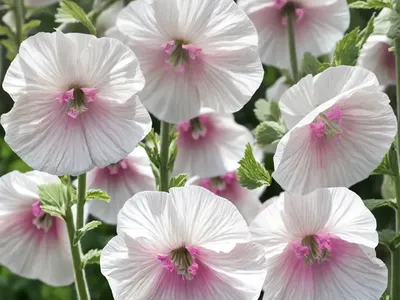
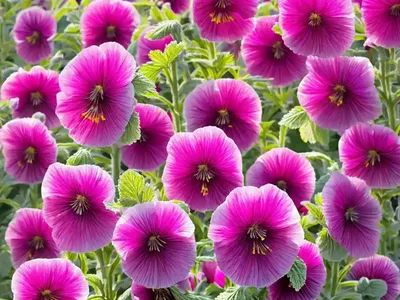
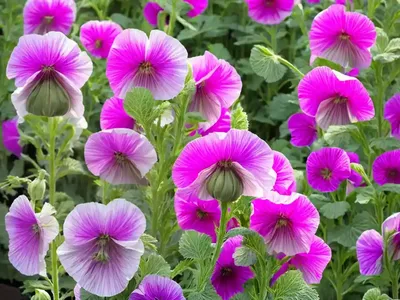
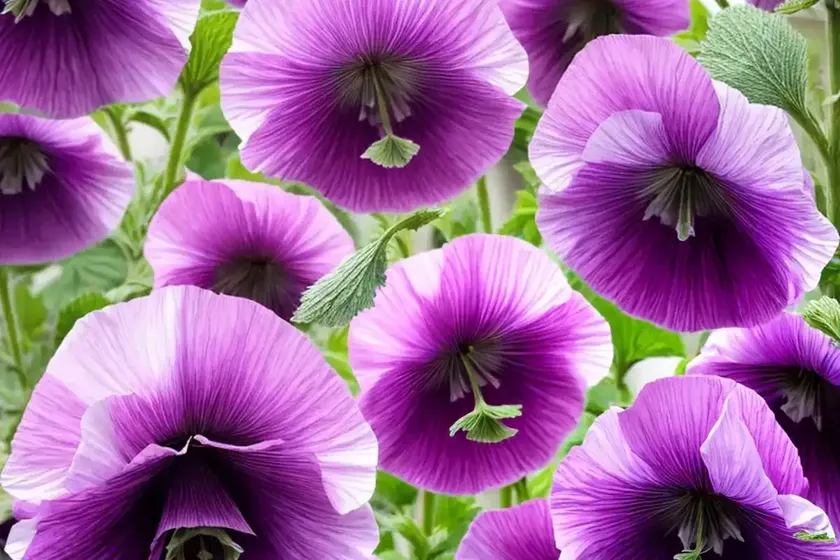
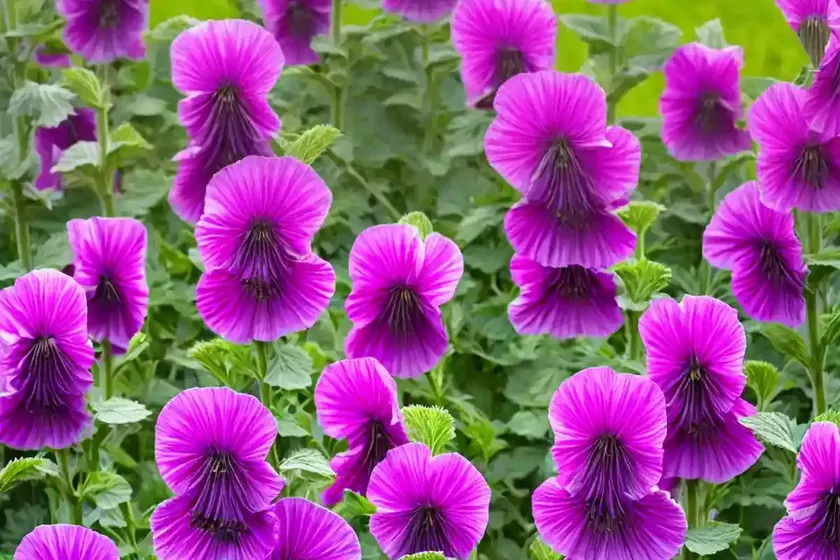
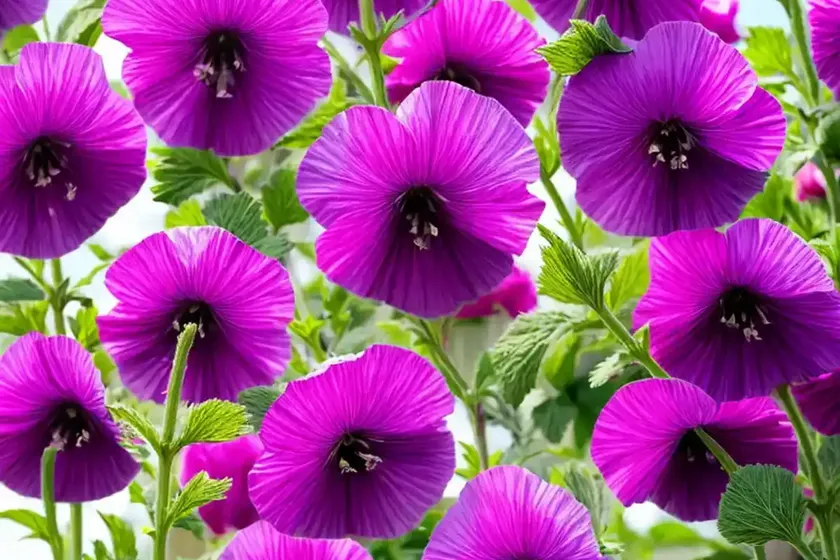
Alcea rosea, commonly known as hollyhock, is a biennial, herbaceous plant that belongs to the mallow family, Malvaceae. The ‘Spring Celebrities Purple’ variety is renowned for its striking, deep-purple blooms that are sure to capture the attention of any admirer. With its tall flower spikes and lush foliage, this hollyhock variety makes a splendid addition to cottage gardens, borders, and even containers.
Key Takeaways – Alcea rosea ‘Spring Celebrities Purple’
Before we dive into the details of caring for this stunning plant, let’s outline the key takeaways:
- Culture
- Alcea rosea ‘Spring Celebrities Purple’ is a biennial plant that blooms in its second year and then typically dies after setting seed.
- This variety is known for its upright, bushy growth habit and can reach a height of 5 to 6 feet, providing a dramatic vertical element in the garden.
- Uses
- ‘Spring Celebrities Purple’ hollyhocks are often used as background plants in flower borders and cottage gardens to add height and color.
- Their impressive floral display also makes them a popular choice for cut flower arrangements.
- Water
- Hollyhocks prefer regular watering, especially during dry spells, to keep the soil consistently moist.
- Sunlight
- They thrive in full sun, requiring at least 6 to 8 hours of direct sunlight daily for optimal growth and abundant blooming.
- Fertilizer
- Applying a balanced, all-purpose fertilizer in early spring can help promote healthy growth and prolific flowering.
- Soil
- Well-draining, fertile soil with a slightly acidic to neutral pH is ideal for hollyhocks. Amending heavy or compacted soil with organic matter can improve drainage.
- Pruning
- Regular deadheading of spent flowers can prolong the blooming period and prevent the plant from diverting energy into seed production.
- Propagation
- Hollyhocks can be propagated from seeds, which can be sown directly in the garden or started indoors. Division of mature plants is also a viable propagation method.
- Container Popularity
- While hollyhocks are often grown in garden beds, they can also thrive in large containers, bringing their vertical elegance to patios and balconies.
- Common Diseases
- Rust and powdery mildew are among the common fungal diseases that can affect hollyhocks, especially in humid conditions.
- Disease Diagnosis
- Close monitoring of the plant for unusual spots, discoloration, or powdery growth can aid in early disease detection and prompt treatment.
- Common Pests
- Japanese beetles, aphids, and caterpillars are known pests that may target hollyhocks, causing damage to the foliage and flowers.
- Botanist’s Tips
- A diverse range of companion plants can complement hollyhocks, attracting beneficial insects and enhancing the overall garden aesthetic.
Now, let’s explore each of these aspects in greater detail to ensure a thorough understanding of cultivating Alcea rosea ‘Spring Celebrities Purple.’
Culture
Understanding the cultural requirements of Alcea rosea ‘Spring Celebrities Purple’ is essential for successfully growing and enjoying this beautiful plant in your garden. From its growth habit to specific care practices, let’s explore the culture of this hollyhock variety.
Alcea rosea ‘Spring Celebrities Purple’ Growth Habit
The ‘Spring Celebrities Purple’ hollyhock exhibits an upright, bushy growth habit, reaching a height of 5 to 6 feet at maturity. Its tall, sturdy stems support abundant clusters of purple flowers, creating an impressive vertical presence in the garden. This growth habit makes it an ideal choice for adding height and structure to flower borders and cottage garden schemes.
Uses
Garden Landscapes
Hollyhocks, including the ‘Spring Celebrities Purple’ variety, are valued for their ornamental beauty and are often used to create a stunning backdrop in garden landscapes. Their tall, colorful flower spikes add vertical interest and act as a striking focal point when planted among lower-growing perennials or annuals. The vibrant purple blooms of ‘Spring Celebrities Purple’ can complement a variety of colors, from soft pastels to bold primaries, making them versatile and adaptable in different garden design schemes.
Cut Flower Arrangements
Beyond their garden presence, hollyhocks are also favored for cut flower arrangements. The tall, eye-catching stems and abundant blooms make them an excellent choice for creating dramatic, cottage-style bouquets. The deep purple flowers of ‘Spring Celebrities Purple’ add a regal touch to floral arrangements, making them a popular choice for both gardeners and florists alike.
Water
Proper watering is essential for the health and vigor of Alcea rosea ‘Spring Celebrities Purple.’ While hollyhocks are relatively drought-tolerant once established, they benefit from regular watering, especially during dry periods. Consistently moist soil can help promote robust growth and abundant flowering while reducing stress on the plant.
Watering Needs
- Newly planted hollyhocks require frequent watering to establish strong, deep roots. Water deeply, ensuring that the soil around the root zone is thoroughly moistened.
- During periods of dry weather, provide supplemental watering to prevent the soil from drying out completely. Aim to keep the soil consistently moist but not waterlogged.
- Mulching around the base of the plants can help retain soil moisture and reduce water evaporation, particularly during hot, sunny weather.
Sunlight
Full sunlight is crucial for the healthy growth and prolific flowering of Alcea rosea ‘Spring Celebrities Purple.’ As a sun-loving perennial, hollyhocks thrive in locations that receive at least 6 to 8 hours of direct sunlight daily. Adequate sunlight not only encourages strong, upright growth but also stimulates the production of an abundance of vibrant, showy flowers.
Sun Exposure
- When selecting a planting site for ‘Spring Celebrities Purple’ hollyhocks, choose an area that receives full sun throughout the day. Avoid shaded or partially shaded locations that may inhibit the plant’s growth and flowering.
- In regions with intense summer heat, providing some afternoon shade can help protect the plant from excessive heat stress, especially during heatwaves.
Fertilizer
To support the vigorous growth and flowering of Alcea rosea ‘Spring Celebrities Purple,’ providing appropriate fertilization is essential. A balanced, all-purpose fertilizer can supply the necessary nutrients to encourage healthy foliage and abundant blooms.
Fertilization Guidelines
- Apply a slow-release, balanced fertilizer, such as a 10-10-10 or 20-20-20 formula, in early spring as new growth emerges. Follow the manufacturer’s recommendations for application rates based on the size and age of the plant.
- Incorporate the fertilizer into the soil around the base of the hollyhock, ensuring it is evenly distributed within the root zone. Water thoroughly after fertilization to facilitate nutrient uptake.
- Refrain from over-fertilizing, as excessive nitrogen can lead to lush foliage at the expense of blooming. Follow a moderate feeding regimen to avoid nutrient imbalances.
Soil
The soil composition and quality play a crucial role in the overall health and vigor of Alcea rosea ‘Spring Celebrities Purple.’ Well-draining, fertile soil with a slightly acidic to neutral pH is ideal for hollyhocks, providing a suitable environment for robust growth and prolific flowering.
Soil Preferences
- Choose a well-draining planting site with loamy or sandy soil that does not retain excess moisture. Good drainage is essential for preventing waterlogged conditions, which can lead to root rot and other soil-related issues.
- Test the soil pH using a commercial test kit to ensure it falls within the desired range of 6.0 to 7.0, which is slightly acidic to neutral. Amending overly acidic or alkaline soil with organic matter can help balance the pH and create a suitable growing environment for hollyhocks.
Pruning
Regular pruning and deadheading are beneficial practices for maintaining the appearance and vigor of Alcea rosea ‘Spring Celebrities Purple.’ By removing spent flowers and controlling the plant’s growth, gardeners can prolong the blooming period, prevent self-seeding, and promote a tidy, attractive appearance.
Deadheading
- As the flowers of ‘Spring Celebrities Purple’ hollyhocks begin to fade and wilt, promptly remove them by snipping the spent blooms just below the flower head. Deadheading encourages the production of new flower buds and prevents the plant from expending energy on seed development.
- Continual deadheading throughout the blooming season can extend the overall flowering period, providing an extended display of colorful blooms.
Propagation
Alcea rosea ‘Spring Celebrities Purple’ can be propagated through various methods, including seed sowing and division of mature plants. Understanding these propagation techniques is valuable for expanding your hollyhock collection or sharing the beauty of this plant with fellow gardening enthusiasts.
Seed Propagation
- Hollyhocks produce copious amounts of seeds after flowering, which can be collected for sowing in subsequent seasons. Harvest mature seed pods once they have dried on the plant and store the seeds in a cool, dry location until the following spring.
- Sow hollyhock seeds directly in the garden in early spring or late summer, lightly covering them with soil. Alternatively, start seeds indoors 6 to 8 weeks before the last frost date and transplant the seedlings into the garden after the threat of frost has passed.
Division
- Mature hollyhock plants can be divided to create new individuals and rejuvenate older clumps. To divide the plant, carefully lift it from the ground and separate the root mass into smaller sections, ensuring that each division has viable roots and healthy growth points.
- Replant the divisions in suitable locations and provide adequate moisture and care to encourage their establishment. Dividing hollyhocks every few years can help maintain their vitality and vigor.
Container Popularity
While hollyhocks are traditionally grown in garden beds and borders, they also thrive in large containers, bringing their vertical elegance to patios, decks, and other outdoor spaces. Container gardening with Alcea rosea ‘Spring Celebrities Purple’ allows individuals with limited garden space to enjoy the beauty of this captivating plant.
Container Requirements
- Select a spacious, sturdy container with adequate drainage holes to accommodate the robust growth of hollyhocks. A container with a depth of at least 12 to 18 inches is recommended to support the development of healthy roots and stems.
- Use a high-quality, well-draining potting mix designed for outdoor container plants to provide the necessary support and nutrition for the hollyhock. Ensure the soil remains consistently moist, as container-grown plants may dry out more quickly than those in the ground.
Common Diseases
As with any garden plant, Alcea rosea ‘Spring Celebrities Purple’ is susceptible to certain diseases that can impact its overall health and flowering performance. Understanding the common diseases and their prevention and treatment strategies is essential for maintaining robust, disease-free hollyhocks.
Disease Susceptibility
- Hollyhocks are prone to various fungal diseases, including rust and powdery mildew, particularly in humid, moist conditions. Both of these diseases can cause unsightly foliage symptoms and reduce the plant’s vigor and flowering.
- Proper cultural practices, such as providing adequate air circulation and moisture control, can help minimize the risk of disease development and spread.
Disease Diagnosis
Careful observation and monitoring of Alcea rosea ‘Spring Celebrities Purple’ are essential for early disease detection and prompt intervention. Regular inspections of the plant’s foliage and overall appearance can help identify potential disease issues before they escalate.
Disease Symptoms
- Rust: Look for small, yellow-orange pustules on the undersides of hollyhock leaves, along with yellowing and premature defoliation. Rust can quickly spread and affect the entire plant if left unaddressed.
- Powdery Mildew: Symptoms of powdery mildew include whitish, powdery patches on the upper surfaces of leaves, which may eventually lead to leaf distortion and decline.
Disease Management
- To manage fungal diseases in hollyhocks, begin by removing and disposing of infected plant debris to reduce the risk of disease recurrence. Prune affected foliage and stems, ensuring proper sanitation to prevent further spread.
- Applying a preventive fungicide, such as neem oil or sulfur-based sprays, during periods of high humidity can help protect hollyhocks from fungal diseases. Follow the product labels for application instructions and safety precautions.
Common Pests
In addition to disease concerns, hollyhocks are also vulnerable to pest infestations that can compromise their growth and overall appearance. Understanding the common pests and implementing appropriate control measures is essential for protecting Alcea rosea ‘Spring Celebrities Purple’ from pest damage.
Pest Identification
- Japanese Beetles: These voracious pests feed on hollyhock flowers and foliage, causing skeletonized leaves and tattered blooms. Regular monitoring and early intervention can help prevent extensive damage.
- Aphids: These small, sap-sucking insects can congregate on hollyhock stems and buds, leading to distorted growth and reduced flower production. Natural predators, such as ladybugs, can help control aphid populations.
- Caterpillars: Caterpillars, including the larvae of various moth species, may feed on hollyhock foliage, creating unsightly holes and damage. Handpicking caterpillars and deploying biological controls can aid in pest management.
Pest Control
- Employing physical barriers, such as row covers, can help protect hollyhocks from Japanese beetle infestations, particularly during peak activity periods. Additionally, using insecticidal soaps or neem oil can effectively target aphids and caterpillars while minimizing harm to beneficial insects.
Botanist’s Tips
A thoughtful selection of companion plants can enhance the visual appeal of Alcea rosea ‘Spring Celebrities Purple’ while providing various practical benefits, such as attracting pollinators and natural pest control. Incorporating suitable companion plants within the hollyhock garden can create a harmonious and balanced landscape.
Companion Plants
- Echinacea (Coneflower): The vibrant, daisy-like blooms of coneflowers complement the stately appearance of hollyhock spires, creating a striking contrast in color and form. Additionally, coneflowers attract pollinators and beneficial insects, contributing to overall garden health.
- Salvia: The upright, ornamental spikes of salvia plants pair elegantly with hollyhocks, offering a combination of contrasting heights and complementary flower colors. Salvias also provide nectar for hummingbirds and butterflies, enriching the garden’s biodiversity.
- Lavender: Fragrant and visually appealing, lavender plants not only complement the vertical nature of hollyhocks but also emit a delightful fragrance that can enhance the overall sensory experience of the garden. These two plants together create a delightful focal point and serve as a haven for pollinators.
Fun Facts
Before we conclude our in-depth exploration of Alcea rosea ‘Spring Celebrities Purple,’ let’s uncover some fun and interesting facts about this charming and charismatic plant.
- Symbolic Meaning: Hollyhocks are often associated with various symbolic meanings, including fertility, abundance, and perseverance, making them a meaningful addition to garden landscapes with sentimental significance.
- Historical Significance: Throughout history, hollyhocks have been admired and cultivated for their ornamental value, being prominently featured in medieval English gardens and frequently depicted in traditional Chinese paintings.
- Cottage Garden Classic: Hollyhocks, including the ‘Spring Celebrities Purple’ variety, epitomize the quintessential charm of cottage gardens, evoking a sense of nostalgia and romance with their timeless beauty and nostalgic appeal.
As we conclude the cultural exploration of Alcea rosea ‘Spring Celebrities Purple,’ it’s evident that this captivating hollyhock variety holds a special place in the hearts and gardens of many enthusiasts. From its majestic presence to its enchanting flowers, growing and caring for this plant is a rewarding endeavor that offers an abundance of beauty and charm.
If you are ready to take the next step in your horticultural journey by welcoming ‘Spring Celebrities Purple’ hollyhocks into your own garden, the insights and wisdom shared in this guide will serve as trusted companions on your path to success.