Peperomia Polybotrya ‘Raindrop’ (Peperomia Polybotrya)
Peperomia polybotrya, commonly known as ‘Raindrop Peperomia,’ is a species of flowering plant in the Piperaceae family. This species originated from South.
Introduction
Peperomia polybotrya, commonly known as ‘Raindrop Peperomia,’ is a species of flowering plant in the Piperaceae family. This species originated from South America, mainly found in the tropical rainforest regions. Peperomia polybotrya is widely known for its attractive foliage, making it a popular choice for indoor gardening. It has gained attention not only for its aesthetic appeal but also for its relatively low maintenance requirements.
Key Takeaways – Peperomia polybotrya ‘Raindrop’ (Peperomia polybotrya)
- Common Name: Raindrop Peperomia
- Scientific Name: Peperomia polybotrya ‘Raindrop’
- Family: Piperaceae
- Origin: South America, primarily tropical rainforests
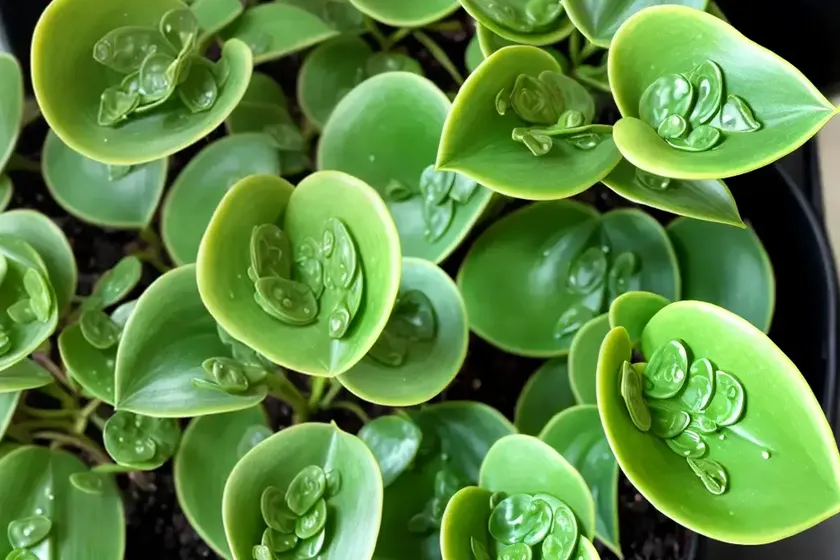
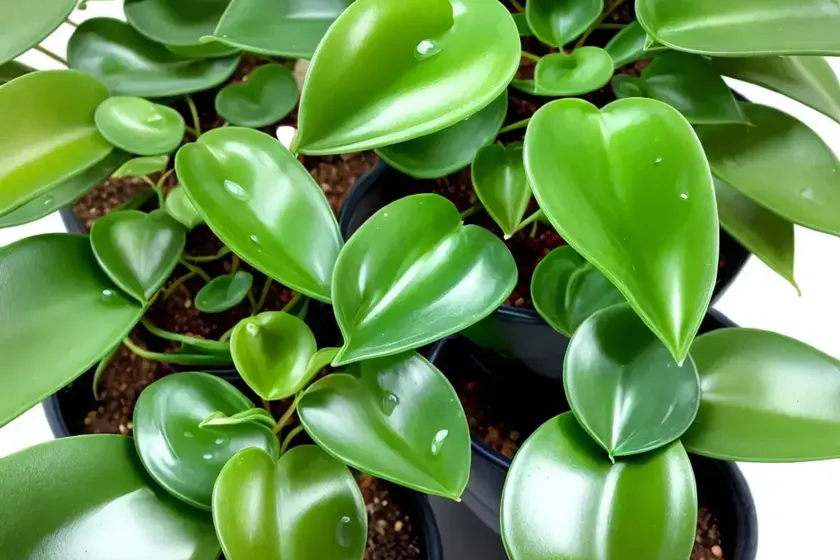
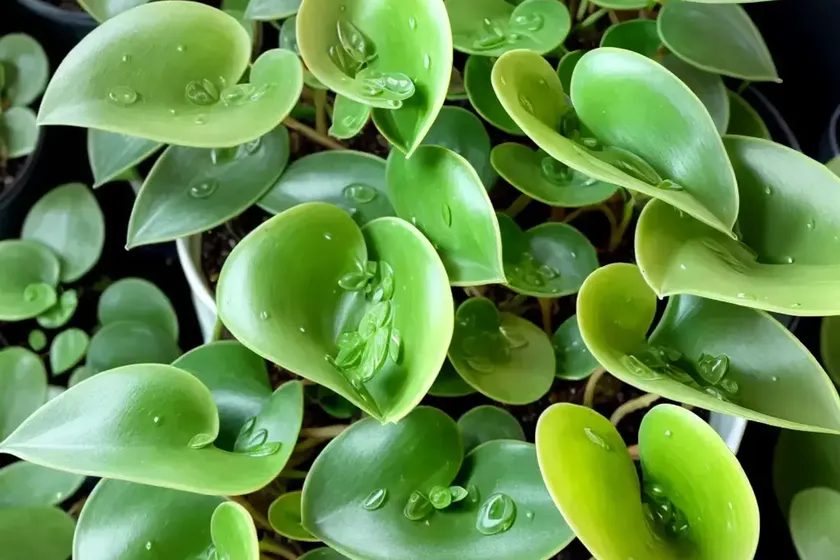
- Foliage: Distinctive raindrop-shaped leaves
- Growth Habit: Compact and bushy
- Usage: Ornamental indoor plant
- Characteristics: Low maintenance, suitable for beginners
Culture
Uses
Peperomia polybotrya is primarily grown for ornamental purposes. Its striking foliage and relatively low maintenance requirements make it a popular choice for indoor gardening and decorative displays. The raindrop-shaped leaves add a touch of elegance to any space, making it a sought-after plant for both homes and offices.
Water
When it comes to watering Peperomia polybotrya, it’s essential to strike the right balance. Over-watering can lead to root rot, while under-watering can cause the leaves to wilt and lose their turgidity. The key is to allow the soil to partially dry out between watering sessions. This plant prefers a moderately moist environment, so it’s crucial to avoid both waterlogging and prolonged dryness.
Sunlight
Peperomia polybotrya thrives in bright, indirect light. While it can tolerate lower light conditions, placing it in a spot with ample indirect sunlight encourages healthy growth and vibrant foliage. Direct sunlight should be avoided as it can scorch the leaves and cause damage.
Fertilizer
When it comes to fertilizing Peperomia polybotrya, a balanced, water-soluble fertilizer with a dilution of half strength should be applied during the growing season. Fertilizing should be done sparingly, roughly once a month, to avoid the risk of over-fertilization.
Soil
The ideal soil for Peperomia polybotrya is well-draining and aerated. A mixture of peat moss, perlite, and coarse sand provides the necessary structure and drainage while retaining adequate moisture for the plant’s root system.
Pruning
Regular pruning is beneficial for maintaining the compact and bushy appearance of Peperomia polybotrya. Trim leggy or discolored stems to promote new growth and ensure a neat, tidy appearance. Additionally, removing any dead or damaged leaves helps maintain the overall health and aesthetics of the plant.
Propagation
Propagating Peperomia polybotrya is relatively straightforward and can be achieved through stem cuttings. Select a healthy stem and carefully make a clean cut just below a node. Place the cutting in a suitable growing medium, ensuring that it remains moist until roots develop. Once the roots are established, the new plant can be potted individually.
Container
Peperomia polybotrya is well-suited for containers, making it an excellent choice for indoor gardening and limited outdoor spaces. Opt for a well-draining pot or container with sufficient drainage holes to prevent waterlogging, which can be detrimental to the plant’s health.
Popularity
The popularity of Peperomia polybotrya has been steadily increasing due to its unique foliage and ease of care. Its compact size and low maintenance requirements make it an ideal choice for both novice and experienced plant enthusiasts. Additionally, its suitability for indoor environments further contributes to its rising popularity as a favored ornamental plant.
Common Diseases
Disease Diagnosis
Peperomia polybotrya is susceptible to certain diseases, with root rot being a common concern, especially when the plant is over-watered. Symptoms of root rot include wilting, yellowing leaves, and a foul odor emanating from the soil. Additionally, fungal infections may occur in excessively damp conditions, leading to spotting or discoloration of the foliage.
Common Pests
Pests such as spider mites and mealybugs can pose a threat to Peperomia polybotrya. These pests can be identified by the presence of webbing or cotton-like clusters on the plant, as well as visible damage to the leaves. Regular inspection and prompt treatment with insecticidal soap or neem oil can help mitigate pest infestations.
Botanist’s Tips
As a plant scientist, I have several insider tips for cultivating and caring for Peperomia polybotrya:
-
Humidity: Peperomia polybotrya thrives in moderate to high humidity levels. To increase humidity, consider placing the plant on a pebble tray filled with water or using a room humidifier, especially during drier seasons.
-
Temperature: This species prefers a warm, consistent temperature range. Avoid exposing it to sudden temperature fluctuations or cold drafts, as this can cause stress and affect its growth.
-
Air Circulation: Ensuring adequate air circulation around the plant helps prevent the development of fungal diseases and maintains overall plant health.
Fun Facts
-
The specific epithet “polybotrya” is derived from the Greek words “poly” meaning “many” and “botrus” meaning “bunch of grapes,” referring to the clustered inflorescences of the plant.
-
Peperomia polybotrya is known for its air-purifying qualities, making it a beneficial addition to indoor spaces by helping to improve air quality.
With its unique care requirements and attractive foliage, Peperomia polybotrya ‘Raindrop’ continues to captivate plant enthusiasts and interior decorators alike. Its versatile nature and low maintenance needs make it an excellent choice for incorporating greenery into indoor spaces.
In the next section, we’ll explore additional information on Peperomia polybotrya ‘Raindrop’, such as its native habitat, growth habits, and container gardening specifics.
Links to External Resources
Conclusion
Peperomia polybotrya ‘Raindrop’ is a fascinating and visually striking plant that has garnered attention for its unique foliage and ease of care. Understanding its specific requirements, from watering and sunlight to soil and propagation, is essential for cultivating a thriving specimen. Whether you’re a seasoned plant enthusiast or just beginning your journey with indoor gardening, the Raindrop Peperomia is sure to captivate you with its beauty and resilience.
Remember, each plant has its own story to tell, and caring for them is an enriching experience that fosters a deeper connection with nature. As a plant scientist, I encourage you to explore the diverse world of plants and discover the remarkable traits and wonders that each one has to offer.
Happy gardening!


