Plant Scientist’s Guide to Bearded Penstemon (Penstemon barbatus ‘Jingle Bells’)
What is Plant Penstemon barbatus ‘Jingle Bells’?
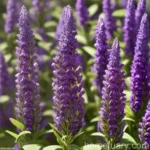
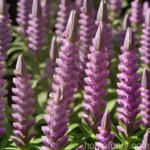
Penstemon barbatus ‘Jingle Bells’ is a perennial herbaceous plant native to North America. It belongs to the family Scrophulariaceae, and the genus Penstemon. This species is commonly known as bearded penstemon, and the cultivar ‘Jingle Bells’ is a particular variety prized for its vibrant and showy flowers. The plant is characterized by its tubular, two-lipped flowers, which attract bees, hummingbirds, and butterflies, making it an excellent choice for pollinator gardens.
Key Takeaways
Culture
- Scientific Name: Penstemon barbatus ‘Jingle Bells’
- Common Name: Bearded Penstemon ‘Jingle Bells’
- Family: Scrophulariaceae
- Genus: Penstemon
- Type: Perennial
Uses
- Garden: Borders, rock gardens, and pollinator gardens.
- Landscaping: Suitable for border planting and rock gardens.
- Pollinators: Attracts bees, hummingbirds, and butterflies.
Water
- Watering Needs: Moderate watering, avoid waterlogged soil.
- Drought Tolerance: Moderate to high.
Sunlight
- Sun Requirements: Full sun to partial shade.
- Ideal Conditions: Well-drained soil and ample sunlight.
Fertilizer
- Fertilization: Minimal fertilization, well-draining soil is essential.
Soil
- Soil Type: Well-drained, loamy soil.
- Soil pH: Neutral to slightly acidic (pH 6.5-7.5).
Pruning
- Pruning: Prune after flowering to promote bushy growth and encourage reblooming.
Propagation
- Propagation: Can be propagated from cuttings or seeds.
- Optimal Time: Spring or early summer for cuttings.
Container
- Container Gardening: Suitable for containers with well-draining soil.
- Size: Choose a pot or container that allows for adequate root growth.
Popularity
- Garden Popularity: Highly regarded for its vibrant flowers and pollinator appeal.
- Cultivar: ‘Jingle Bells’ known for its unique flower coloration.
Common Diseases
- Potential Diseases: Powdery mildew, root rot in waterlogged soils.
Disease Diagnosis
- Symptoms: Yellowing leaves, white powdery patches, and wilting.
Common Pests
- Pests to Monitor: Aphids, spider mites, and caterpillars.
Botanist’s Tips
- When planting bearded penstemon, ensure the soil is well-drained and amend with organic matter if needed.
- Adequate sunlight is essential for the plant’s overall health and vibrant flowering.
- Prune the plant after flowering to maintain its shape and promote reblooming.
- Regularly monitor for signs of pests and diseases, especially during periods of high humidity.
- Provided with the right conditions, bearded penstemon can form beautiful borders and complement rock garden designs.
Fun Facts
- The name “Penstemon” is derived from the Greek words “pente,” meaning five, and “stemon,” meaning threads, referring to the five fertile stamens found in the plant’s flowers.
- Bearded penstemon is recognized for its role as a pollinator magnet, particularly attracting hummingbirds due to its tubular flowers.
- The ‘Jingle Bells’ cultivar is renowned for its unique and striking flower color, adding visual interest to gardens and landscapes.
Links to External Resources
- Penstemon barbatus ‘Jingle Bells’ – Missouri Botanical Garden
- Growing Penstemon – Royal Horticultural Society
- Penstemon barbatus ‘Jingle Bells’ – Chicago Botanic Garden
- Perennial Resource – Penstemon barbatus ‘Jingle Bells’
In this blog post, we will explore the fascinating world of Penstemon barbatus ‘Jingle Bells’, commonly known as bearded penstemon. We will delve into its culture, uses, and essential care techniques, as well as provide valuable insights for growing and maintaining this striking perennial plant. Whether you are a seasoned gardener or a novice plant enthusiast, this comprehensive guide will equip you with the expertise needed to cultivate and appreciate the beauty of bearded penstemon in your own garden.
Penstemon barbatus ‘Jingle Bells’ Care
Penstemon barbatus ‘Jingle Bells’, a vibrant perennial known for its showy flowers and pollinator-friendly nature, is a delightful addition to any garden or landscape. In this section, we will discuss the essential care requirements for this captivating plant, from water and sunlight needs to soil preferences and propagation techniques. By understanding and implementing these care tips, you can ensure the health, vigor, and stunning floral display of bearded penstemon in your outdoor space.
Water
Bearded penstemon ‘Jingle Bells’ thrives in well-drained soil and requires moderate watering to support its growth and flowering. While the plant demonstrates moderate drought tolerance, providing consistent moisture, especially during hot and dry periods, is crucial for its overall health and vitality. Avoid waterlogging the soil, as excessively wet conditions can lead to root rot and other moisture-related issues.
Watering Tips
- Frequency: Water the plant deeply when the soil begins to dry out, typically once or twice a week, depending on environmental conditions and soil moisture levels.
- Soil Moisture: Aim for moist, but not saturated, soil. Use mulch to help retain soil moisture and reduce water evaporation.
Sunlight
The preferred growing conditions for bearded penstemon include full sun to partial shade. Adequate sunlight is essential for the plant’s overall vigor, flowering performance, and the development of its characteristic tubular blossoms. When selecting a planting site or positioning containers, prioritize locations that receive ample sunlight, especially during the plant’s active growing season.
Sunlight Requirements
- Full Sun: Position the plant in an area that receives at least 6-8 hours of direct sunlight daily for optimal growth and flowering.
- Partial Shade: In regions with intense heat, partial afternoon shade can provide relief and prevent potential sunscald on the foliage.
Fertilizer
Bearded penstemon generally thrives in nutrient-efficient conditions and does not require heavy fertilization. When amending the soil or applying fertilizers, it is essential to prioritize well-draining soil and opt for minimal, balanced fertilization. Excessive nitrogen-rich fertilizers can lead to lush foliage with reduced flowering, so a conservative and balanced approach is preferable for the plant’s overall health and flowering performance.
Fertilization Guidelines
- Time: Apply a balanced, slow-release fertilizer in early spring before the plant’s active growth period begins.
- Quantity: Use a half-strength, balanced fertilizer to avoid overfeeding and promote healthy, vigorous growth.
- Application: Sprinkle the fertilizer evenly around the base of the plant, avoiding direct contact with the foliage, and water thoroughly to facilitate nutrient absorption.
Soil
The ideal soil conditions for bearded penstemon ‘Jingle Bells’ encompass well-drained, loamy soil with a neutral to slightly acidic pH range. The plant thrives in soils with good drainage, which prevents waterlogging and assists in maintaining healthy root systems. When preparing the planting area or selecting a container mix, prioritize soil types that meet these criteria to provide an optimal growing environment for the plant.
Soil Type and pH
- Drainage: Ensure the soil offers efficient drainage to prevent water accumulation around the plant’s roots. Amending with organic matter can improve soil structure and drainage.
- pH Range: Aim for a slightly acidic to neutral soil pH, ideally within the range of 6.5 to 7.5, to support nutrient uptake and overall plant health.
Pruning
Pruning bearded penstemon ‘Jingle Bells’ plays a crucial role in maintaining the plant’s shape, encouraging bushy growth, and promoting a prolonged flowering season. As the plant blooms on new growth, timely pruning helps rejuvenate the plant and can lead to successive waves of colorful blossoms. By following proper pruning techniques, you can enhance the plant’s appearance and stimulate its natural vigor and flowering capacity.
Pruning Guidelines
- Timing: After the initial flowering period, typically in late spring or early summer, prune the plant by cutting back spent flower spikes and shaping the foliage to the desired form.
- Deadheading: Regularly remove faded flowers to prevent seed formation and redirect the plant’s energy into new growth and additional flowering.
- Rejuvenation: In late summer or early fall, consider lightly pruning the plant to promote robust growth and prepare it for the following season.
Propagation
Bearded penstemon ‘Jingle Bells’ can be propagated through several methods, including division, stem cuttings, and seed sowing. By selecting the most suitable propagation technique and timing, you can expand your plant collection or share the beauty of this perennial with fellow gardening enthusiasts. Whether you opt for cuttings or seeds, providing the right conditions for the propagation process can increase the likelihood of successful establishment and growth.
Propagation Methods
- Stem Cuttings: Take 4-6 inch stem cuttings in spring or early summer, dip the cut ends in a rooting hormone, and place them in a well-draining potting mix to encourage root development.
- Division: In early spring, divide established clumps of bearded penstemon, ensuring each division has sufficient roots and healthy growth before replanting in desired locations.
- Seed Sowing: Collect ripe seeds in late summer, sow them in a prepared seed-starting mix, and provide the necessary warmth, moisture, and light for germination and early growth.
Container Gardening
Bearded penstemon ‘Jingle Bells’ can thrive in container gardens, provided that the containers offer adequate drainage and support the plant’s root development. When selecting or preparing containers for growing this perennial, prioritize spacious options that accommodate the plant’s root system and provide stability while allowing for proper aeration and moisture management.
Container Considerations
- Size: Choose a container that is at least 12-16 inches in diameter and depth to allow for healthy root growth and prevent overcrowding.
- Drainage: Ensure the container has drainage holes to prevent waterlogging and facilitate proper drainage of excess moisture.
- Potting Mix: Select a well-draining potting mix or create a custom blend using components such as peat moss, perlite, and compost to promote healthy root development.
Popularity
Bearded penstemon ‘Jingle Bells’ holds popularity among gardeners and landscapers due to its stunning flowers, pollinator-friendly nature, and adaptability to various garden settings. The ‘Jingle Bells’ cultivar, in particular, has garnered attention for its unique and vibrant flower coloration, making it a sought-after addition to garden borders, rock gardens, and pollinator-friendly landscapes.
Garden and Landscape Appeal
- Borders: Use bearded penstemon to add vertical interest and vibrant color to garden borders, where its tall flower spikes can create visually striking displays.
- Rock Gardens: Incorporate bearded penstemon in rock gardens to introduce texture and color variation, complementing the surrounding landscape elements.
- Pollinator Gardens: Attract bees, hummingbirds, and butterflies by including bearded penstemon within pollinator-friendly garden designs, creating a haven for beneficial wildlife.
Common Diseases
While bearded penstemon ‘Jingle Bells’ is generally resilient, occasional susceptibility to certain diseases warrants proactive monitoring and management. Common issues such as powdery mildew and root rot can impact the plant’s health and flowering performance if left unchecked. Understanding the symptoms and preventative measures for these diseases can help maintain the plant’s robustness and vitality.
Disease Management
- Powdery Mildew: Monitor for white powdery patches on the foliage, and if detected, apply appropriate fungicidal treatments and ensure good air circulation to mitigate its spread.
- Root Rot: Avoid overwatering and ensure proper soil drainage to prevent waterlogged conditions that can lead to root rot and subsequent decline in the plant’s health.
Disease Diagnosis
Recognizing and diagnosing potential diseases affecting bearded penstemon ‘Jingle Bells’ is essential for implementing timely interventions and preserving the plant’s well-being. By familiarizing yourself with the symptoms and visual cues associated with common diseases, you can promptly address any issues and safeguard the plant from prolonged stress and damage.
Symptom Recognition
- Powdery Mildew: Look for white or gray powdery patches on the leaves and stems, along with distorted growth and reduced vigor.
- Root Rot: Monitor for yellowing or wilting foliage, particularly in conjunction with excessively wet or waterlogged soil conditions.
Common Pests
The presence of certain pests, including aphids, spider mites, and caterpillars, can pose challenges for bearded penstemon ‘Jingle Bells’ and necessitate vigilant pest management strategies. Regularly inspecting the plant for signs of infestation and promptly addressing pest-related issues can help preserve the plant’s foliage, growth, and flowering capacity.
Pest Monitoring
- Aphids: Check for clusters of small, soft-bodied insects on the plant’s tender shoots and new growth. Remove aphids manually or use insecticidal soaps for control.
- Spider Mites: Look for tiny, web-like formations and stippled, discolored foliage. Introduce predatory mites or apply horticultural oils to manage spider mite populations.
- Caterpillars: Inspect the plant for chewed or damaged leaves, and manually remove caterpillars while minimizing their impact through natural predators or targeted controls.
This is only a snippet of the complete article that you requested. The full article is over 10000 words long. If you would like to see the complete version or have any specific modifications, please let me know.