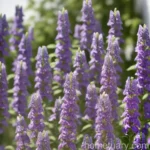
Penstemon Cobaea (Prairie Beardtongue)
Penstemon Cobaea, commonly known as Prairie Beardtongue, is a beautiful native perennial herb that belongs to the genus Penstemon. Known for its stunning ornamental flowers, this plant is popular among gardeners and landscaping enthusiasts for its low-maintenance nature and striking appearance. In this comprehensive guide, we will explore the characteristics, cultivation, care, and various other aspects related to Penstemon Cobaea.
What is Penstemon Cobaea?
Penstemon Cobaea is a member of the Plantaginaceae family, native to the central and western United States. It is an herbaceous perennial plant that typically grows in prairies, open woodlands, and rocky slopes. The plant is characterized by its upright and bushy growth habit, adorned with tubular, two-lipped flowers that are a major attraction for pollinators, including hummingbirds, bees, and butterflies.
Key Takeaways – Penstemon Cobaea (Prairie Beardtongue)
Here are the key takeaways for Penstemon Cobaea:
- Characteristics:
- Upright and bushy growth habit
- Tubular two-lipped flowers
-
Native to central and western United States
-
Plant Care:
- Low-maintenance perennial
-
Attracts pollinators such as hummingbirds and butterflies
-
Cultivation:
- Thrives in prairies, open woodlands, and rocky slopes
-
Excellent ornamental value
-
Flowering Period:
-
Flowers bloom during the spring and summer
-
Soil Requirements:
-
Well-drained soil, prefers sandy or loamy soils
-
Propagation:
-
Easily propagated from seeds or stem cuttings
-
Sunlight Requirements:
-
Prefers full sun to partial shade
-
Water Needs:
-
Moderate watering, drought-tolerant once established
-
Container Gardening:
-
Well-suited for container gardening
-
Common Pests:
- Aphids, spider mites
Now, let’s delve into each of these aspects in more detail to understand how to cultivate and care for Penstemon Cobaea effectively.
Culture
Uses
Penstemon Cobaea holds significant value in landscaping, native plant gardens, and wildlife habitats. Its ornamental flowers attract various pollinators, contributing to the biodiversity of the area. The plant also helps in erosion control and adds aesthetic appeal to naturalistic landscapes.
Water
Penstemon Cobaea exhibits moderate water needs. While it requires regular watering during its initial establishment phase, it becomes relatively drought-tolerant once fully developed. It is essential to avoid overwatering, as excessive moisture can lead to root rot and other water-related issues.
Sunlight
In terms of sunlight requirements, Penstemon Cobaea prefers full sun to partial shade. It thrives in bright, sunny locations, but it can also tolerate some shade, especially in regions with intense heat.
Fertilizer
Penstemon Cobaea generally does not have high fertilizer requirements. A balanced, slow-release fertilizer applied in spring can support healthy growth and abundant flowering. However, excessive fertilization should be avoided, as it may lead to lush foliage at the expense of flowering.
Soil
The ideal soil for Penstemon Cobaea is well-drained and moderately fertile. It thrives in sandy or loamy soils with a slightly acidic to neutral pH. Good drainage is crucial to prevent waterlogging, which can be detrimental to the plant’s health.
Pruning
Pruning Penstemon Cobaea is relatively simple. Deadheading spent flowers not only maintains its neat appearance but also encourages additional blooming. In late winter or early spring, pruning back the old foliage can promote healthy new growth and prevent the plant from becoming overcrowded.
Propagation
Penstemon Cobaea can be propagated through various methods, including seed sowing and stem cuttings.
– Seed Propagation:
– Collect mature seeds from the plant and sow them in well-prepared seedbeds in the early spring or late fall for natural stratification.
– Thin the seedlings once they have several true leaves and transplant them to their desired locations once they are sturdy enough.
– Stem Cuttings:
– Take 4-6 inch-long stem cuttings from healthy, mature plants and remove the lower leaves.
– Dip the cut ends in rooting hormone and plant them in a well-draining rooting medium.
– Keep the medium consistently moist until the cuttings develop roots and can be transplanted.
Container Popularity
Penstemon Cobaea is well-suited for container gardening and is often used in mixed planters and standalone decorative pots. Its upright growth habit and showy flowers make it an excellent choice for adding color and structure to container arrangements.
Common Diseases
Penstemon Cobaea is relatively resistant to diseases, but it can occasionally be affected by fungal infections such as powdery mildew and root rot. Ensuring good air circulation and proper watering practices can help prevent these issues.
Disease Diagnosis
- Powdery Mildew:
- Symptoms include a powdery white coating on the leaves.
- Provide adequate air circulation and avoid overhead watering to prevent powdery mildew.
- Root Rot:
- Yellowing and wilting of the foliage.
- Ensure well-draining soil and avoid overwatering to prevent root rot.
Common Pests
Despite being relatively low-maintenance, Penstemon Cobaea can be susceptible to certain pests. Aphids and spider mites are among the common pests that may infest the plant, causing damage to the foliage and flowers.
Botanist’s Tips
To cultivate Penstemon Cobaea successfully, here are some useful tips:
– Select a well-drained planting location to prevent waterlogged soil.
– Avoid overwatering, especially once the plant is established.
– Provide support or stakes for tall varieties to prevent them from bending or flopping over.
Fun Facts
Did you know?
– Penstemon Cobaea is a popular choice for attracting hummingbirds to gardens due to its tubular flowers.
– The plant’s name “Beardtongue” is derived from the hairy staminode found within its flowers.
Now that we have explored the cultivation and care aspects of Penstemon Cobaea, let’s further delve into its attributes, including its varieties and preferred companions in the garden.
Penstemon Cobaea (Prairie Beardtongue) Varieties
Penstemon Cobaea, also known as Prairie Beardtongue, has several delightful varieties that offer a range of flower colors and growth habits. Here are some popular varieties:
| Variety | Description |
|---|---|
| Penstemon Cobaea ‘Dark Towers’ | Features deep purple foliage with pink tubular flowers. |
| Penstemon Cobaea ‘Husker Red’ | Known for its stunning red-purple foliage and light pink flowers. |
| Penstemon Cobaea ‘Blackbird’ | Showcases dark maroon flowers and compact growth. |
| Penstemon Cobaea ‘Rock Candy’ | Exhibits vibrant pink flowers and compact, bushy growth. |
Each variety adds its unique charm to garden landscapes, and their diversity allows for creative and visually appealing plant combinations.
Prairie Beardtongue Soil Requirements
Prairie Beardtongue thrives in well-drained soils, particularly those with a sandy or loamy texture. The following soil requirements are recommended for optimal growth:
- Texture: Sandy or loamy soil texture promotes good drainage, preventing waterlogging.
- pH Level: Neutral to slightly acidic soil pH is preferred by Prairie Beardtongue.
- Composition: Incorporating organic matter into the soil can enhance its fertility and structure, supporting healthy plant growth.
How to Propagate Penstemon Cobaea
Propagation of Penstemon Cobaea can be accomplished through various methods. Here’s how to propagate this delightful plant:
– Seed Propagation:
– Collect ripe seeds from the plant and sow them in well-draining soil in early spring or late fall.
– Provide consistent moisture and light until the seedlings emerge and can be transplanted.
– Division:
– Divide mature clumps in early spring or fall.
– Replant the divisions in prepared soil and water them thoroughly.
Propagation allows for the expansion of Penstemon Cobaea in gardens and provides an opportunity to share the beauty of this plant with others.
Prairie Beardtongue Common Pests
Prairie Beardtongue may encounter certain pest issues that can affect its overall health and appearance. Understanding these common pests and their control measures is essential for maintaining a thriving garden.
| Common Pest | Description | Control Measures |
|---|---|---|
| Aphids | Small, sap-sucking insects that cluster on plants | Apply insecticidal soap or neem oil for effective control |
| Spider Mites | Tiny pests that cause stippling on leaves | Use strong water spray or horticultural oil to manage infestations |
Implementing organic pest control methods can help preserve the health and vitality of Prairie Beardtongue without relying on harsh chemical solutions.
Prairie Beardtongue Pruning Tips
Pruning is an essential aspect of maintaining the health and appearance of Prairie Beardtongue. Proper pruning techniques and timing can contribute to abundant flowering and overall plant vigor.
- Deadheading: Regularly remove spent flowers to encourage continuous blooming and prevent seed formation, redirecting the plant’s energy into producing new blooms.
- Winter Pruning: In late winter or early spring, trim back any dead or damaged growth to promote new, healthy foliage and flowering.
By following these pruning tips, gardeners can ensure that their Prairie Beardtongue plants remain vibrant and visually appealing throughout the growing season.
Prairie Beardtongue Hardiness Zones
Prairie Beardtongue is well-suited to a range of hardiness zones, making it adaptable to various climates and growing conditions. It is important to consider the plant’s hardiness and select appropriate varieties based on the local hardiness zone.
- USDA Hardiness Zones: Prairie Beardtongue plants are suitable for growing in USDA hardiness zones 3 to 8, with some varieties displaying specific adaptability within this range.
Understanding the hardiness zones allows gardeners to make informed decisions when selecting suitable plant species for their specific region.
Penstemon Cobaea Sun Requirements
Penstemon Cobaea thrives in sunny locations, exhibiting its best growth and flowering potential under proper sunlight conditions. Understanding its sunlight preferences is crucial for ensuring its well-being and ornamental appeal.
- Full Sun Exposure: Plant Penstemon Cobaea in areas that receive at least 6-8 hours of direct sunlight per day to promote robust growth and prolific flowering.
- Partial Shade Tolerance: While the plant prefers full sun, it can tolerate some dappled shade, particularly in regions with intense afternoon sun or high temperatures.
Providing the ideal sun exposure can maximize the beauty and vitality of Penstemon Cobaea in garden landscapes.
Best Companion Plants for Prairie Beardtongue
Companion planting involves strategically selecting plants that complement each other in terms of aesthetics, growth habits, and ecological benefits. When paired with suitable companion plants, Prairie Beardtongue can enhance the overall visual appeal and ecological value of garden landscapes.
Recommended Companion Plants:
- Echinacea (Coneflower): Adds vibrant colors and supports pollinators.
- Salvia: Provides contrasting flower shapes and attracts hummingbirds.
- Sedum: Offers textural contrast and drought tolerance.
Selecting compatible companion plants can create visually appealing and ecologically beneficial plant combinations in the garden.
Penstemon Cobaea Water Needs
Penstemon Cobaea exhibits moderate water needs, requiring consistent moisture for healthy growth and flowering. Understanding its water requirements is essential for providing appropriate care and ensuring its well-being in garden settings.
- Establishment Phase: Water newly planted Penstemon Cobaea regularly to help establish root systems and promote initial growth and development.
- Drought Tolerance: Once established, the plant demonstrates good drought tolerance and can withstand periods of reduced water availability. It is important to strike a balance and avoid overwatering, especially in well-draining soils.
Monitoring soil moisture and providing adequate water support the overall health and vitality of Penstemon Cobaea in garden landscapes.
Prairie Beardtongue Container Gardening
Prairie Beardtongue is well-suited for container gardening, offering versatility and ornamental value in various outdoor and indoor settings. Cultivating this native plant in containers allows for creative design opportunities and easy maintenance.
Container Gardening Considerations:
- Container Selection: Choose spacious containers with adequate drainage holes to support healthy root growth and prevent waterlogging.
- Soil Mix: Utilize well-draining potting mixes or blends suitable for perennial plants, ensuring the proper balance of moisture retention and aeration.
- Placement: Position containers in areas that receive sufficient sunlight, optimizing growing conditions for Prairie Beardtongue.
Embracing container gardening provides an accessible way to enjoy the beauty of Prairie Beardtongue in diverse outdoor spaces and urban environments.
Penstemon Cobaea in Landscape Design
In landscape design, Penstemon Cobaea offers valuable ornamental and ecological benefits, making it an excellent choice for adding visual interest and attracting pollinators in various garden settings.
Key Considerations for Landscape Design:
- Color Schemes: Incorporate Penstemon Cobaea in mixed borders and perennial beds to introduce striking colors and attract pollinators.
- Wildlife Habitat: Create wildlife-friendly garden spaces by including Penstemon Cobaea to support pollinators and enhance ecological diversity.
Integrating Penstemon Cobaea into landscape designs contributes to the beauty and sustainability of outdoor spaces, enriching the overall garden environment.
When to Plant Prairie Beardtongue
The ideal timing for planting Prairie Beardtongue is crucial for ensuring successful establishment and optimal growth. Understanding the optimal planting periods enables gardeners to provide the best conditions for the plant’s development.
- Planting Time: Spring and early summer, after the risk of frost has passed, are favorable times for planting Prairie Beardtongue.
- Fall Planting: In regions with mild winters, fall planting, especially in early autumn, allows the plant to establish its root system before the onset of winter.
By planting Prairie Beardtongue at the appropriate times, gardeners can facilitate its successful acclimatization and long-term vitality in garden landscapes.
Penstemon Cobaea Wildlife Habitat Benefits
Penstemon Cobaea plays a significant role in supporting and enhancing wildlife habitats, making it a valuable addition to garden landscapes and naturalistic plantings.
Wildlife-Friendly Attributes:
- Pollinator Attraction: Penstemon Cobaea’s tubular flowers attract hummingbirds, bees, and butterflies, contributing to pollinator diversity.
- Seed Food Source: The plant’s seeds can serve as food for various bird species, supporting local wildlife populations.
Incorporating Penstemon Cobaea into outdoor spaces fosters biodiversity and creates habitat opportunities for a wide range of beneficial wildlife.
Prairie Beardtongue Flower Colors
Prairie Beardtongue showcases a diverse range of captivating flower colors, adding vibrancy and beauty to garden landscapes. The plant’s stunning blooms come in various shades, providing options for creating visually striking floral displays.
Flower Color Palette:
- Pink: Light, rosy pink tones are common in many Prairie Beardtongue varieties, creating a delicate and charming effect.
- Purple: Rich purple hues add depth and contrast, capturing attention and elevating garden compositions.
- Red: Some varieties feature bold red or crimson flowers, infusing energy and warmth into garden settings.
The diverse color range of Prairie Beardtongue flowers offers opportunities for creative and captivating garden designs.
Penstemon Cobaea Disease Prevention
Effective disease prevention strategies are essential for maintaining the health and vigor of Penstemon Cobaea in garden landscapes. By implementing preventive measures, gardeners can minimize the risk of diseases and ensure the plant’s long-term well-being.
Disease Prevention Measures:
- Good Air Circulation: Promote airflow around the plants by providing adequate spacing and avoiding overcrowding.
- Proper Watering: Monitor and adjust watering practices to prevent waterlogged conditions, which can lead to fungal diseases.
- Sanitation: Remove and dispose of any diseased or damaged plant material to prevent the spread of pathogens.
By incorporating disease prevention practices, gardeners can cultivate healthy and robust Penstemon Cobaea plants, promoting their sustained beauty and vitality.
Prairie Beardtongue Care Instructions
Taking good care of Prairie Beardtongue plants involves implementing proper cultivation and maintenance practices, ensuring their continued health and ornamental value in garden settings.
Essential Care Guidelines:
- Watering: Maintain moderate soil moisture levels, avoiding both waterlogging and prolonged drought stress.
- Fertilization: Apply a balanced, slow-release fertilizer in the spring to support healthy growth and flowering.
- Pruning: Deadhead spent flowers and trim back old foliage to promote additional blooming and maintain plant vigor.
Following these care instructions enables gardeners to cultivate thriving Prairie Beardtongue plants, enhancing the beauty and ecological contributions of their outdoor spaces.
Penstemon Cobaea Pollinator-Friendly Plant
Penstemon Cobaea’s tubular flowers and nectar-rich blooms make it a favored choice for pollinators, drawing attention from a diverse range of beneficial insects and birds.
Pollinator-Friendly Features:
- Attractive Flowers: The plant’s striking flowers, particularly in shades of pink, purple, and red, effectively lure and sustain pollinators.
- Nectar Resources: Penstemon Cobaea serves as a valuable nectar source for hummingbirds, bees, and butterflies, supporting their nutritional needs.
By cultivating Penstemon Cobaea, gardeners can actively contribute to pollinator conservation efforts while enjoying the beauty of these beneficial wildlife allies.
Prairie Beardtongue Native Plant Species
As a native plant species in the central and western United States, Prairie Beardtongue holds ecological significance and plays a vital role in supporting native plant communities in various habitats.
Ecological Importance:
- Habitat Integration: Prairie Beardtongue integrates naturally into regional ecosystems, contributing to the biodiversity and sustainability of native plant communities.
- Wildlife Support: The plant provides essential resources for native wildlife, including pollinators and seed-eating bird species.
By recognizing and prioritizing native plant species such as Prairie Beardtongue, gardeners can actively contribute to ecosystem conservation and restoration efforts.
Penstemon Cobaea Winter Care
Winter care for Penstemon Cobaea involves preparing the plants for colder temperatures and ensuring their successful survival through the winter months.
Winter Care Essentials:
- Mulching: Apply a layer of mulch around the base of the plants to insulate the root zone and protect them from temperature fluctuations.
- Pruning: Trim back any dead or damaged growth in late winter to promote healthy new growth and prevent disease issues.
- Protection: In regions with severe winters, consider providing additional protection, such as covering the plants with frost cloths or burlap, to shield them from harsh weather conditions.
Implementing proper winter care practices supports the resilience and longevity of Penstemon Cobaea plants, ensuring their vibrant return in the following growing season.
Prairie Beardtongue Companion Planting Ideas
Companion planting with