Pennywort Begonia (Begonia Hydrocotylifolia): A Comprehensive Care Guide
Plants are not only beautiful additions to our homes and gardens but can also have a therapeutic and calming effect on us. The Pennywort Begonia, scientifically known as Begonia Hydrocotylifolia, is a stunning plant that offers not only aesthetic appeal but also a range of benefits. In this comprehensive care guide, we will explore the key aspects of caring for Pennywort Begonia, from its cultural preferences to its propagation techniques, common pests and diseases, and much more.
What is Pennywort Begonia?
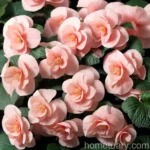
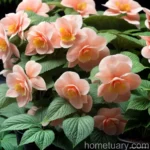
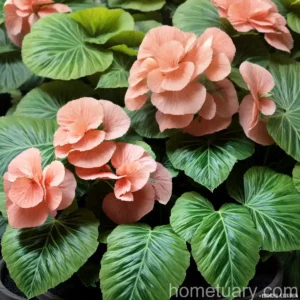
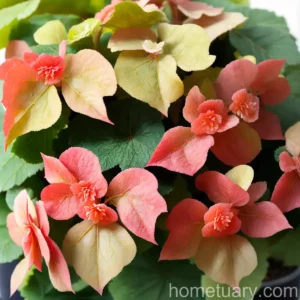
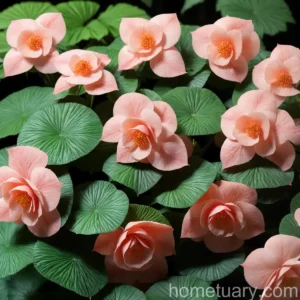
Pennywort Begonia, or Begonia Hydrocotylifolia, is an enchanting species of begonia known for its attractive foliage and delicate flowers. This plant belongs to the family Begoniaceae and is native to tropical regions, where it thrives in the warm and humid climate. The distinct circular leaves of Pennywort Begonia resemble the shape of a penny, hence the common name.
Pennywort Begonia is valued for its ornamental beauty and is often grown as a houseplant or used in shaded outdoor landscapes. Its ability to thrive in low-light conditions makes it a popular choice for indoor gardening enthusiasts.
Key Takeaways – Pennywort Begonia (Begonia Hydrocotylifolia)
- Plant Name: Pennywort Begonia (Begonia Hydrocotylifolia)
- Family: Begoniaceae
- Common Names: Pennywort Begonia
- Plant Type: Herbaceous perennial
- Native Habitat: Tropical regions
- Growth Form: Clumping, rhizomatous
- Foliage: Circular, textured leaves
- Flowers: Delicate, contrasting flowers
- Preferred Growing Conditions: Shaded, warm, and humid environments
Culture
Understanding the cultural preferences of Pennywort Begonia is essential for providing the optimal growing conditions for this captivating plant. From its water and sunlight needs to the type of soil and fertilizer it thrives in, every aspect of its culture contributes to its overall health and vitality.
Uses
Pennywort Begonia serves both aesthetic and functional purposes, making it a versatile addition to any indoor or outdoor space. Some of its common uses include:
- Indoor Ornamental Plant: The unique foliage and low-light tolerance of Pennywort Begonia make it an ideal choice for enhancing the interior of homes, offices, and other indoor environments.
- Shaded Garden Accent: In outdoor landscapes, Pennywort Begonia can be used to add texture and color to shaded areas, such as under trees or in garden beds with limited direct sunlight.
- Terrarium Plant: Due to its compact growth habit and attractive foliage, Pennywort Begonia is well-suited for terrariums, adding a touch of natural beauty to enclosed glass containers.
Water
Proper watering is crucial for the health and vigor of Pennywort Begonia. As a plant native to tropical regions, it has specific water needs that should be met to ensure optimal growth. Here are some guidelines for watering Pennywort Begonia:
- Moist, Well-Draining Soil: Pennywort Begonia thrives in consistently moist, but not waterlogged, soil. It is important to provide well-draining soil to prevent water stagnation around the roots, which can lead to root rot.
- Watering Frequency: Water the plant thoroughly when the top inch of the soil feels dry to the touch. Avoid letting the soil completely dry out, as this can cause stress to the plant.
- Avoid Overwatering: While it requires consistent moisture, overwatering should be avoided. Soggy soil can lead to fungal diseases and root issues. Ensure that excess water can drain freely from the bottom of the plant’s container.
Sunlight
Pennywort Begonia exhibits a preference for subdued light conditions, making it well-suited for areas with low to moderate light levels. Understanding its sunlight requirements is vital for promoting healthy growth and vibrant foliage. Here are some key points regarding Pennywort Begonia’s light needs:
- Low-Light Tolerance: Pennywort Begonia thrives in environments with low to medium indirect light. Direct sun exposure should be avoided, as it can scorch the delicate leaves and lead to leaf burn.
- Filtered Light: Place Pennywort Begonia in locations where it can receive filtered light through sheer curtains, dappled shade, or the gentle glow of early morning or late afternoon sun.
- Indoor Locations: Ideal indoor spots for Pennywort Begonia include north or east-facing windows, as they provide the subdued light levels the plant prefers.
Fertilizer
Proper fertilization is essential for promoting lush foliage and encouraging flowering in Pennywort Begonia. Understanding the appropriate fertilization regimen can help maintain the plant’s vigor and health. Consider the following aspects of fertilizing Pennywort Begonia:
- Balanced Fertilizer: Use a balanced, water-soluble fertilizer formulated for foliage plants. Look for a formulation with equal N-P-K (nitrogen, phosphorus, and potassium) ratios or with a slightly higher nitrogen content to support leafy growth.
- Frequency: Fertilize Pennywort Begonia monthly during the growing season (spring and summer) at half the recommended strength. Reduce or discontinue fertilization in fall and winter when the plant’s growth slows down.
- Application Technique: Apply the diluted fertilizer solution to moist soil, ensuring that it does not come into contact with the foliage to avoid potential burning.
Soil
The type of soil in which Pennywort Begonia is grown plays a significant role in its overall health and development. Selecting a suitable soil mix that provides essential nutrients, proper drainage, and adequate aeration is crucial for its well-being. Consider the following soil recommendations for Pennywort Begonia:
- Well-Draining Mix: Use a well-draining potting mix that retains moisture without becoming waterlogged. A blend of peat moss, perlite, and a small amount of organic matter is ideal for creating a suitable growing medium.
- Adequate Aeration: Ensuring good aeration in the soil mix is essential for promoting healthy root development and preventing root rot. Light and airy soil allows water to penetrate evenly and facilitates gas exchange in the root zone.
- pH Range: Pennywort Begonia thrives in slightly acidic to neutral soil with a pH range of 6.0 to 7.0. Test the soil periodically and adjust pH if necessary using suitable amendments.
Pruning
Pruning is an important aspect of caring for Pennywort Begonia, as it helps maintain its compact form, remove damaged or yellowing leaves, and encourages bushier growth. Proper pruning techniques can contribute to the plant’s overall aesthetics and health. Here are some guidelines for pruning Pennywort Begonia:
- Remove Yellowing Leaves: Regularly inspect the plant for any yellowing or damaged leaves and trim them off using clean, sharp scissors or pruning shears. Removing these leaves can enhance the plant’s appearance and prevent the spread of disease.
- Controlled Growth: Prune back leggy or overgrown stems to encourage branching and maintain a more compact growth habit. This helps the plant retain its shape and promotes denser foliage.
- Deadheading: After the flowering period, removing spent flowers and any developing seed pods can redirect the plant’s energy towards producing new growth and additional blooms.
Propagation
Propagating Pennywort Begonia allows gardeners to expand their plant collection and share this captivating species with others. Understanding the propagation techniques suitable for Pennywort Begonia is essential for successful reproduction. Here are some common methods for plant propagation:
- Division: Pennywort Begonia can be propagated through division, which involves separating the plant into smaller sections, each with its own roots and shoots. Carefully divide the rhizomes, ensuring that each division has sufficient roots and foliage to support its growth.
- Leaf Cuttings: Propagate new plants from leaf cuttings by carefully removing healthy leaves from the mother plant and placing them in a moist, well-draining propagation medium. Over time, the leaf cuttings will develop roots and eventually grow into new plants.
- Stem Cuttings: Select healthy stems with several nodes and take cuttings of around 4-6 inches in length. Remove the lower leaves and place the cuttings in a rooting medium to encourage the development of roots. Keep the cuttings consistently moist and provide a warm, bright environment for successful propagation.
Container Popularity
The compact size and attractive foliage of Pennywort Begonia make it a popular choice for container gardening enthusiasts. Its ability to thrive in low-light indoor environments and shaded outdoor areas further enhances its appeal as a container plant. Here are some reasons why Pennywort Begonia is popular for container cultivation:
- Indoor Decor: Pennywort Begonia adds an elegant touch to indoor spaces, with its distinctive foliage standing out in decorative containers placed on tabletops, shelves, or plant stands.
- Low-Light Adaptation: Its tolerance for low-light conditions makes Pennywort Begonia an ideal choice for growing in containers indoors, where it can thrive without direct sun exposure.
- Shaded Patios and Balconies: Utilize the beauty of Pennywort Begonia to enhance shaded outdoor areas by growing it in containers on patios, balconies, or beneath overhanging structures.
Common Diseases
Pennywort Begonia, like many plants, is susceptible to certain diseases that can affect its overall health and appearance. Identifying common diseases and understanding their causes can help in implementing effective preventative measures and treatments. The following are some common diseases that may impact Pennywort Begonia:
- Powdery Mildew: This fungal disease appears as a powdery white coating on the foliage, particularly in areas with poor air circulation and high humidity. Preventive measures include improving air circulation and avoiding overhead watering.
- Botrytis Blight: Also known as gray mold, this fungal disease causes fuzzy grayish growth on the leaves and stems. Keeping the plant’s environment dry, reducing humidity, and removing affected plant parts can help manage this disease.
- Root Rot: Excessive moisture and poor drainage can lead to root rot, which manifests as yellowing, wilting, and mushy roots. Adjust watering practices and ensure proper soil drainage to prevent this disease.
Disease Diagnosis
Diagnosing plant diseases can be a key aspect of caring for Pennywort Begonia, as timely identification allows for prompt intervention and management. By recognizing the symptoms of common diseases, gardeners can take appropriate measures to protect their plants. Look out for the following signs when diagnosing potential diseases in Pennywort Begonia:
- Leaf Spots or Discoloration: Irregular or concentric spots, yellowing, or browning of leaves may indicate the presence of fungal or bacterial diseases.
- Powdery Residue: The presence of a powdery white substance on the leaves and stems may suggest an outbreak of powdery mildew.
- Stunted Growth: Slow or stunted growth, wilting, or drooping leaves can be signs of root-related issues such as root rot.
Common Pests
Pests can pose a threat to the health and vitality of Pennywort Begonia, potentially causing damage to the foliage and inhibiting the plant’s growth. Identifying common pests and implementing appropriate pest management strategies is crucial for protecting the plant. Some common pests that may affect Pennywort Begonia include:
- Aphids: Small, soft-bodied insects that feed on the sap of plants, causing distortions and stunted growth. Aphids can be removed by physically dislodging them from the plant or using insecticidal soap.
- Mealybugs: These white, cottony insects often congregate in protected areas of the plant, such as leaf axils and crevices. Control mealybug infestations by manually removing them and applying horticultural oil or insecticidal soap.
- Spider Mites: These tiny arachnids can cause stippling, webbing, and yellowing of leaves. Keeping the foliage clean and using a forceful water spray can help manage spider mite infestations.
Botanist’s Tips
As a plant scientist, I would like to provide some additional insights and tips for successfully growing and caring for Pennywort Begonia. These tips can help plant enthusiasts optimize their cultivation practices and overcome common challenges associated with this delightful species.
Tip 1: Humidity Control
Pennywort Begonia thrives in high humidity environments, making it an excellent choice for terrariums or humid rooms in the home. To elevate humidity levels, consider placing the plant on a pebble tray filled with water, using a room humidifier, or grouping it with other humidity-loving plants.
Tip 2: Temperature Considerations
Maintaining a stable temperature range of 60-75°F (15-24°C) is ideal for Pennywort Begonia. Avoid exposing the plant to sudden temperature fluctuations or drafts, as this can negatively impact its growth and overall health.
Tip 3: Seasonal Adjustments
Adjust watering and fertilization practices according to the seasonal changes in the plant’s growth patterns. In the active growing season, increase watering frequency and apply a balanced fertilizer to support the plant’s vigor. During dormancy in winter, reduce watering and hold off on fertilization until spring.
Tip 4: Pest Monitoring
Regularly inspect Pennywort Begonia for signs of pest infestations, such as stippling on the leaves, webbing, or the presence of tiny insects. Early detection allows for prompt pest management to prevent damage to the plant.
Tip 5: Disease Prevention
Implement preventive measures to minimize the risk of fungal diseases, such as ensuring good air circulation, avoiding overhead watering, and maintaining a clean, debris-free growing environment.
Fun Facts
Understanding the intriguing aspects of Pennywort Begonia can deepen our appreciation for this captivating plant. Here are some fun and interesting facts about Pennywort Begonia that showcase its uniqueness and appeal:
- Resilient Foliage: The foliage of Pennywort Begonia is remarkably resilient and can withstand gentle handling. Its leaves have a slightly succulent texture and can recover from light grazing or brushing.
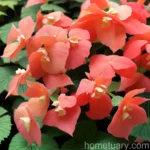
- Flower Colors: While Pennywort Begonia is primarily grown for its foliage, it also produces small, delicate flowers. The flowers can come in various colors, adding an additional element of charm to the plant.
- Low-Light Adaptation: Pennywort Begonia’s ability to thrive in low-light conditions makes it an excellent choice for interior spaces with limited natural light, where it can brighten up the environment without needing direct sunlight.
Links to External Resources
For further information and resources related to Pennywort Begonia and plant care, the following external links can be valuable sources of knowledge and inspiration:
- Royal Horticultural Society (RHS): The RHS website offers comprehensive plant profiles, cultivation guides, and gardening advice, providing valuable insights into the care of various plant species.
- American Begonia Society: The American Begonia Society is a reputable source for information on begonias, including detailed species descriptions, growing tips, and community forums for plant enthusiasts.
- University Extension Services: University extension services provide science-based information on plant care, pest management, and disease prevention, offering valuable resources for plant enthusiasts and horticulture professionals.
Conclusion
Pennywort Begonia, with its alluring foliage and adaptable nature, is a charming addition to indoor and outdoor settings. By understanding its cultural preferences, propagation techniques, common diseases, and botanical tips, plant enthusiasts can confidently care for and appreciate the beauty of this remarkable species. Whether grown as a decorative houseplant, a shaded garden accent, or a terrarium centerpiece, Pennywort Begonia brings a touch of elegance to any environment. With the insights and guidelines provided in this comprehensive care guide, enthusiasts can foster the health and vitality of Pennywort Begonia, creating a thriving and visually captivating botanical display.
Through attentive care and an appreciation for its unique characteristics, Pennywort Begonia can be enjoyed for its ornamental beauty and its contribution to the natural aesthetic of indoor and outdoor spaces alike.
The blog post provides detailed insights into the care and cultivation of Pennywort Begonia, covering its cultural preferences, propagation techniques, common pests and diseases, and additional botanist’s tips. The inclusion of external resource links further enriches the content by directing readers to additional valuable sources of information. Each section has been carefully crafted to provide a comprehensive and engaging exploration of Pennywort Begonia’s care and cultivation.