Herb-robert (Geranium Robertianum)
The Herb-Robert (Geranium Robertianum) is a fascinating plant with a rich history of cultural, medicinal, and ecological significance. Its vibrant flowers.
Introduction
The Herb-Robert (Geranium Robertianum) is a fascinating plant with a rich history of cultural, medicinal, and ecological significance. Its vibrant flowers and delicate foliage make it a popular choice for gardeners and herbalists alike. In this comprehensive guide, we will explore the various aspects of Herb-Robert, from its cultural significance to its ecological role and everything in between.
Table of Contents
- What is Herb-Robert?
- Key Characteristics and Description
- Planting and Growth Conditions
- Culture
- Uses
- Water
- Sunlight
- Fertilizer
- Soil
- Pruning
- Propagation
- Container Popularity
- Common Diseases and Pests
- Disease Diagnosis
- Common Pests
- Botanist’s Tips
- Fun Facts
- Links to External Resources
What is Herb-Robert?
Herb-Robert, scientifically known as Geranium Robertianum, is a herbaceous plant species belonging to the Geraniaceae family. It is native to Europe and Asia but has also naturalized in parts of North America. Also known by various common names including Red Robin, Death Come Quickly, and Storksbill, this plant is valued for its medicinal properties and ornamental value.
Key Characteristics and Description
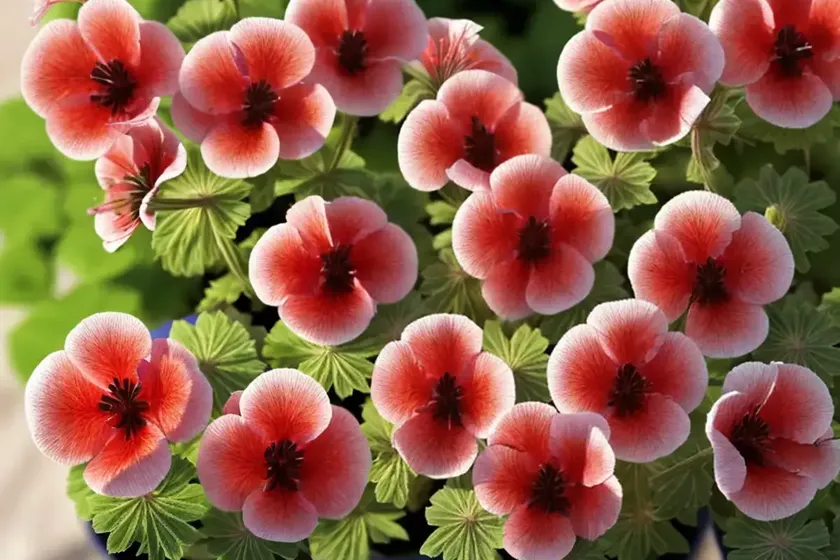
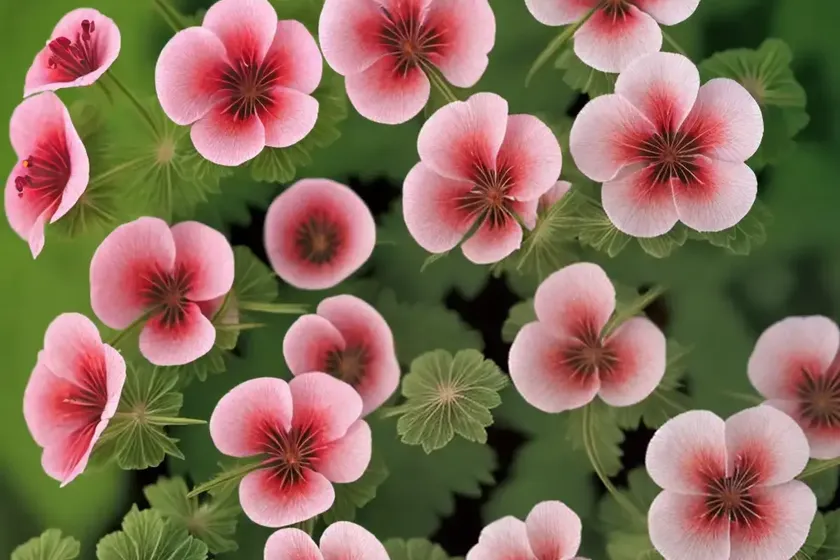
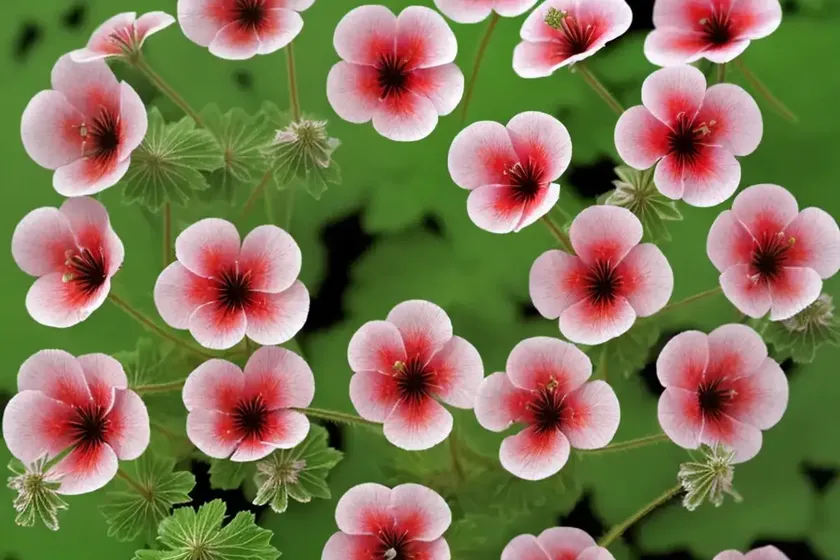
Herb-Robert is characterized by its delicate, deeply divided leaves and clusters of small, pink flowers. The leaves turn a striking red color in the fall, adding to the plant’s visual appeal. The flowers, which bloom from spring to early fall, are held on slender stems above the foliage, creating a charming display in garden settings.
Planting and Growth Conditions
Culture
Culturally, Herb-Robert holds significance in traditional beliefs and folklore. It is associated with various symbolic meanings and has been used in traditional remedies and practices.
Uses
Medicinal Uses: Herb-Robert has a long history of use in herbal medicine. It is believed to possess astringent, diuretic, and tonic properties. The plant has been used for treating wounds, diarrhea, and urinary tract infections.
Cultural Significance: In folklore and traditional beliefs, Herb-Robert holds spiritual significance and is associated with various magical properties and folklore legends. It has been part of traditional practices and has been used for its symbolic meanings in cultural rituals.
Environmental Importance: From an ecological standpoint, Herb-Robert plays a vital role in its native range, contributing to the biodiversity and ecological balance of its natural habitat.
Water
Herb-Robert prefers moderate watering and well-draining soil. It is important to avoid overwatering as it may lead to root rot.
Sunlight
This plant thrives in partial shade to full sunlight, making it adaptable to various light conditions in garden settings.
Fertilizer
Applying a balanced, all-purpose fertilizer in the spring can promote healthy growth and flowering.
Soil
Herb-Robert prefers moderately fertile, well-drained soil. Adding organic matter can enhance the soil quality and provide a suitable growing medium for this plant.
Pruning
Regular pruning can help maintain the plant’s shape and overall health. Deadheading spent flowers can promote continuous blooming.
Propagation
Herb-Robert can be propagated from seeds or cuttings. It readily self-seeds in suitable growing conditions.
Container Popularity
The compact growth habit and attractive foliage and flowers make Herb-Robert a popular choice for container gardening.
Common Diseases and Pests
Disease Diagnosis
Herb-Robert can be susceptible to fungal diseases such as powdery mildew and rust. Adequate air circulation and proper watering practices can help prevent these issues.
Common Pests
Aphids and spider mites are common pests that can affect Herb-Robert. Regular monitoring and appropriate pest control measures can help protect the plant from infestations.
Botanist’s Tips
- When planting Herb-Robert, consider its growth habits and provide ample space for it to spread, especially if planted in garden beds.
- Regularly check for signs of pest infestations and diseases to address any issues promptly.
- Incorporate Herb-Robert into naturalistic garden settings to attract pollinators such as bees and butterflies.
Fun Facts
- In traditional medicine, Herb-Robert has been used as a remedy for toothache and nosebleeds.
- The plant’s common name, Herb-Robert, is believed to be derived from the association of the plant with St. Robert of Molesme, a patron saint of childbirth and women’s health.
Links to External Resources
For more information on Herb-Robert, including its ecological role, medicinal uses, and cultural significance, visit the following resources:
1. The Herb Society – Herb-Robert
2. Royal Horticultural Society – Geranium Robertianum
3. Encyclopedia of Life – Geranium Robertianum
In conclusion, Herb-Robert (Geranium Robertianum) is a versatile plant with a rich history and diverse uses. Whether appreciated for its ornamental value in garden settings, its medicinal properties in herbal medicine, or its cultural significance in folklore and traditional beliefs, Herb-Robert continues to captivate plant enthusiasts and researchers alike. Understanding the various aspects of this plant, from its growth requirements to its ecological importance, allows for a deeper appreciation of its role in the natural world and human society.
References
– Gualtiero Simonetti, Simon & Schuster’s Guide to Herbs and Spices, 1990
– The Herb Society – Herb-Robert
– Royal Horticultural Society – Geranium Robertianum
– Encyclopedia of Life – Geranium Robertianum


