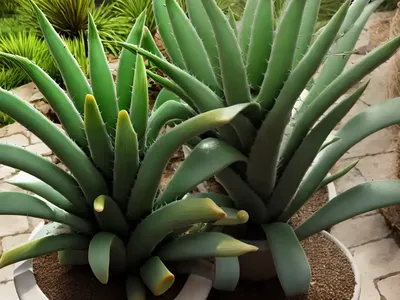
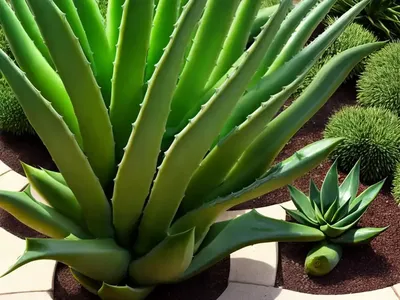
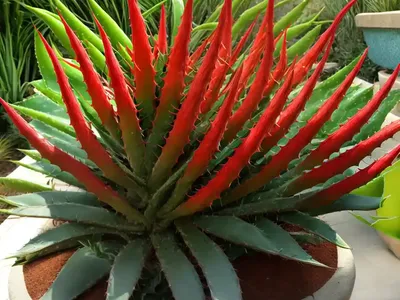
Haworthia Leaved Aloe (Aloe Haworthioides)
Haworthia Leaved Aloe, also known as Aloe haworthioides, is a stunning and versatile succulent plant that belongs to the Aloe genus. This plant is.
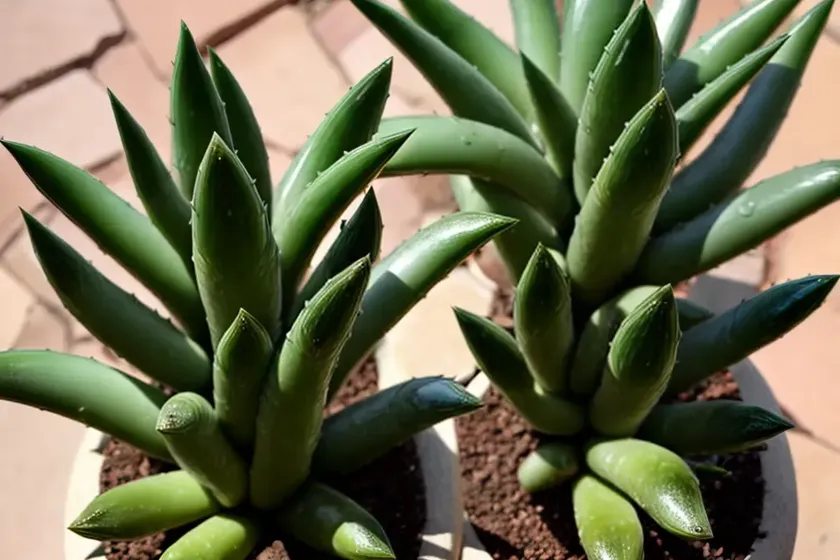
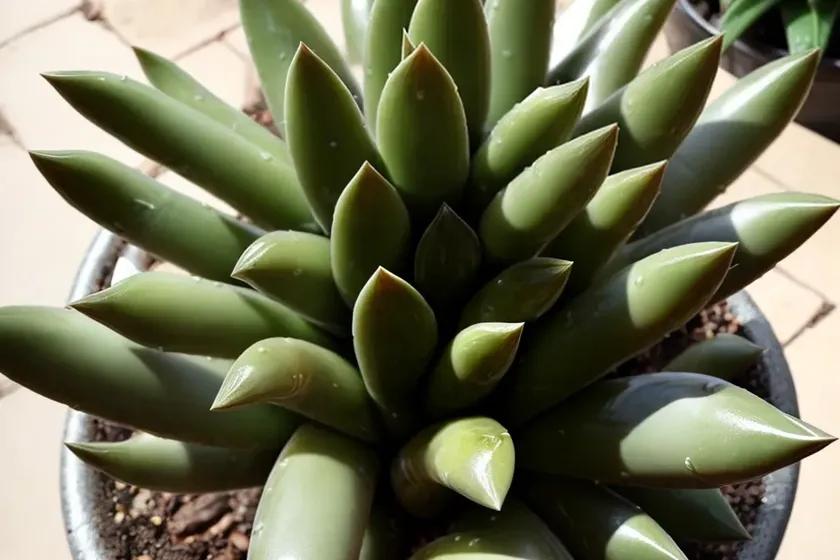
What is Haworthia Leaved Aloe?
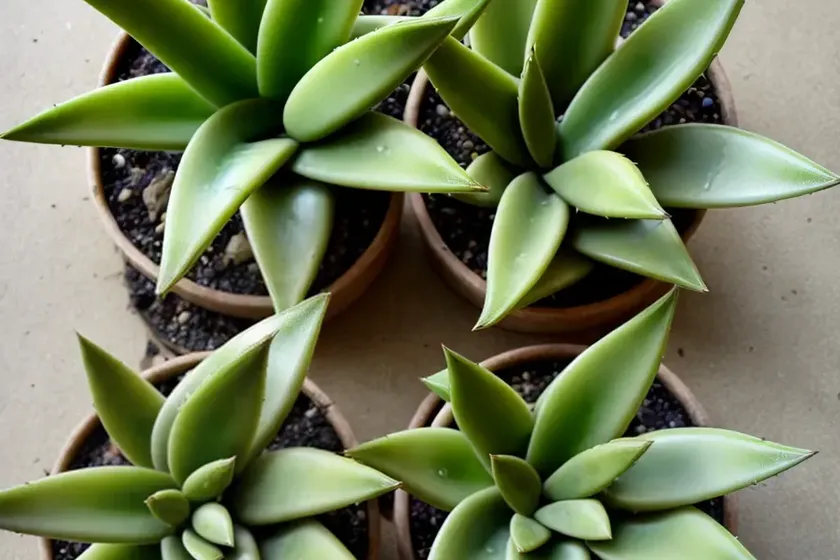
Haworthia Leaved Aloe, also known as Aloe haworthioides, is a stunning and versatile succulent plant that belongs to the Aloe genus. This plant is celebrated for its distinctive appearance, low maintenance requirements, and numerous cultivation possibilities. Aloe haworthioides is native to the arid regions of Madagascar, where it thrives in desert-like conditions.
This detailed guide will explore the key aspects of Haworthia Leaved Aloe, including its cultural requirements, uses, propagation, and potential issues. Whether you are a novice plant enthusiast or a seasoned gardener looking to expand your collection, this comprehensive overview will equip you with the knowledge you need to cultivate and care for Aloe haworthioides successfully.
Key Takeaways – Haworthia Leaved Aloe (Aloe haworthioides)
Before delving into the specifics of growing and maintaining Haworthia Leaved Aloe, let’s highlight some key takeaways that encapsulate the essence of this remarkable plant:
- Aloe haworthioides is a fascinating succulent that belongs to the Aloe genus, renowned for its elegant, fleshy leaves and overall resilience.
- Cultivating Aloe haworthioides requires minimal effort, making it an excellent choice for both indoor and outdoor gardens.
- The plant exhibits extraordinary versatility, finding applications in landscaping, indoor decor, and even medicinal and ornamental uses.
- From its water and sunlight preferences to its unique growth patterns and potential pest and disease issues, Aloe haworthioides offers an array of compelling characteristics and nuances for plant enthusiasts to explore and appreciate.
Plant Name: “Haworthia Leaved Aloe (Aloe Haworthioides)”
Before diving into the intricacies of Haworthia Leaved Aloe, let’s gain an understanding of the plant’s taxonomic nomenclature and classification. Aloe haworthioides is commonly referred to as Haworthia Leaved Aloe due to its resemblance to the Haworthia genus. However, it is important to note that Aloe haworthioides and Haworthia are distinct plant genera.
Aloe haworthioides is recognized for its remarkable resemblance to Haworthia, particularly in terms of its rosette-forming, succulent leaves. These striking characteristics have contributed to its popular name, underlining its unique appeal among succulent enthusiasts around the world.
To further grasp the essence of Aloe haworthioides, it is essential to delve deeper into its cultural requirements, uses, propagation techniques, and potential challenges.
Culture
Water
Aloe haworthioides, like other succulents, has adapted to thrive in arid conditions, making it essential to maintain a well-executed watering regimen to ensure its optimal health. The following watering guidelines are key to cultivating Aloe haworthioides successfully:
– Frequency: Water your Aloe haworthioides sparingly, allowing the soil to dry out completely before the next watering. Aim for approximately once every two weeks during the growing season and reduce frequency during the plant’s dormant phase in the winter.
– Soil Moisture: Ensure that the soil dries out entirely between waterings to prevent the risk of root rot, a common issue in overwatered succulents. Use well-draining soil to facilitate efficient water drainage and prevent waterlogged conditions.
Sunlight
As a desert plant, Aloe haworthioides thrives in bright, indirect sunlight, making it well-suited for both indoor and outdoor settings. When providing sunlight for your Aloe haworthioides, consider the following recommendations:
– Indoor Lighting: Place your Aloe haworthioides near a south or west-facing window to ensure it receives ample sunlight throughout the day. If natural light is insufficient, supplement with artificial grow lights to meet its light requirements.
– Outdoor Exposure: When cultivating Aloe haworthioides outdoors, choose a location with partial to full sunlight, ensuring the plant is shielded from intense midday sun in extremely hot climates.
Fertilizer
While Aloe haworthioides can thrive in nutrient-poor soils, occasional fertilization can support its growth and overall vigor. Here are some essential guidelines for fertilizing Aloe haworthioides:
– Frequency: Apply a balanced, water-soluble fertilizer at half-strength to your Aloe haworthioides during the active growing season, typically from spring to early fall. Refrain from fertilizing during the plant’s dormant phase to avoid the risk of fertilizer buildup in the soil.
– Application Method: Distribute the diluted fertilizer evenly around the soil surface, ensuring it does not come into direct contact with the plant’s leaves to prevent potential damage.
Soil
Selecting the right type of soil is crucial for promoting the health and vitality of Aloe haworthioides. The following soil recommendations are paramount for cultivating this succulent plant:
– Composition: Utilize a well-draining, sandy potting mix specifically formulated for succulents and cacti. Such a mix promotes optimal air circulation and prevents water accumulation around the plant’s roots, mitigating the risk of root rot and other moisture-related issues.
Uses
Aloe haworthioides boasts a diverse range of uses, making it an immensely versatile and valuable addition to any garden or collection. From its ornamental appeal to its therapeutic properties, this succulent offers various applications, including the following:
– Ornamental Purposes: Aloe haworthioides serves as an attractive and low-maintenance decorative plant, adding visual interest and charm to rock gardens, succulent arrangements, and indoor displays.
– Medicinal Utilization: Like many Aloe species, Aloe haworthioides possesses medicinal qualities, especially within its gel-filled leaves. This gel is thought to harbor potential healing properties, including anti-inflammatory and skin-soothing effects.
– Landscaping Enhancement: Aloe haworthioides can contribute to the aesthetic appeal of drought-tolerant and xeriscape landscapes, making it an excellent choice for arid and water-conservation-oriented gardening designs.
Pruning
Pruning is an essential aspect of maintaining the health, symmetry, and appearance of Aloe haworthioides. While this succulent typically requires minimal pruning, the following guidelines can help ensure effective and appropriate trimming:
– Dead Leaf Removal: Periodically remove any dry, withered, or dead leaves from the base of the plant to prevent the risk of disease and enhance its overall appearance.
– Offshoot Management: If your Aloe haworthioides produces offsets or “pups” around its base, you can carefully detach and propagate these to manage the plant’s size and encourage new growth.
Propagation
Propagating Aloe haworthioides is an exciting and rewarding endeavor that allows you to expand your plant collection and share its beauty with fellow enthusiasts. Explore the following propagation techniques to multiply your Aloe haworthioides successfully:
– Offsets/Pups: Aloe haworthioides readily produces offsets or “pups” around its base, which can be carefully separated and replanted to create new, independent plants. Allow the offsets to dry for a day or two before potting them in a suitable succulent mix.
– Leaf Cuttings: While less common, Aloe haworthioides can also be propagated from leaf cuttings. Select healthy, mature leaves, allow them to callous over for a day or two, and then plant them in a well-draining potting mix to encourage the emergence of new roots and shoots.
Container Popularity
Aloe haworthioides is immensely popular among container gardeners, owing to its compact size, ornamental value, and minimal care requirements. Incorporating Aloe haworthioides into container gardens offers various benefits, including the ability to:
– Create Stunning Arrangements: Aloe haworthioides pairs beautifully with other succulents and cacti in container arrangements, contributing to striking and visually engaging compositions.
– Facilitate Indoor Cultivation: The plant’s adaptability to indoor environments makes it an ideal choice for container gardening enthusiasts seeking to introduce greenery and natural vibrancy into their indoor spaces.
Common Diseases
Aloe haworthioides is generally resilient against pests and diseases, especially when provided with appropriate cultural conditions and care. However, certain issues may still arise, necessitating vigilance and prompt intervention. Common diseases that may affect Aloe haworthioides include:
– Root Rot: Excessive moisture or poor drainage can lead to the onset of root rot, manifested by soft, discolored roots and a general decline in the plant’s health. Prevent this issue by ensuring well-draining soil and a cautious watering routine.
Disease Diagnosis
Accurately diagnosing diseases affecting Aloe haworthioides is fundamental to implementing effective remedial measures and preserving the plant’s well-being. When identifying potential diseases, consider the following symptoms and indicators as they pertain to common Aloe haworthioides ailments:
– Root Rot: Look for signs of mushy, discolored roots and a general decline in the plant’s appearance and vigor. Upon detecting these symptoms, assess the soil moisture levels and consider adjusting the watering frequency and soil composition as needed.
Common Pests
While Aloe haworthioides is generally resistant to pest infestations, certain insects may pose a threat to its health and vitality under specific conditions. Familiarize yourself with the following common pests that may affect Aloe haworthioides:
– Scales: These small, armored pests can appear as brown or grayish protrusions on the plant’s leaves or stems, diminishing its overall aesthetic charm and potentially impeding its growth. Address scale infestations by gently scrubbing the affected areas with a diluted soap solution or utilizing horticultural oil treatments.
Botanist’s Tips
To optimize the growth, health, and overall well-being of Aloe haworthioides, consider the following expert tips from botanists and experienced succulent enthusiasts:
– Prudent Watering: Exercise caution and restraint when watering Aloe haworthioides, allowing the soil to dry out completely between waterings to prevent moisture-related issues.
– Proper Drainage: Ensure the use of well-draining soil and containers to facilitate efficient water drainage and prevent waterlogging, thus reducing the risk of root rot and related complications.
Fun Facts
Uncover some captivating and lesser-known facts about Aloe haworthioides that showcase its remarkable characteristics and appeal:
– Aloe haworthioides is named after Adrian Hardy Haworth, an esteemed botanist and entomologist renowned for his contributions to the study of succulent plants and xerophytes.
– The gel within Aloe haworthioides’ leaves exhibits potential medicinal properties, including soothing sunburns, moisturizing the skin, and promoting overall skin health.
Links to External Resources
For further exploration and in-depth insights into Haworthia Leaved Aloe (Aloe haworthioides), the following external resources offer valuable information and perspectives: