Angel Wing Begonia (Begonia Coccinea)
Plants are an essential part of our environment, providing us with oxygen, food, and aesthetic beauty. One such plant that captures the attention of both.
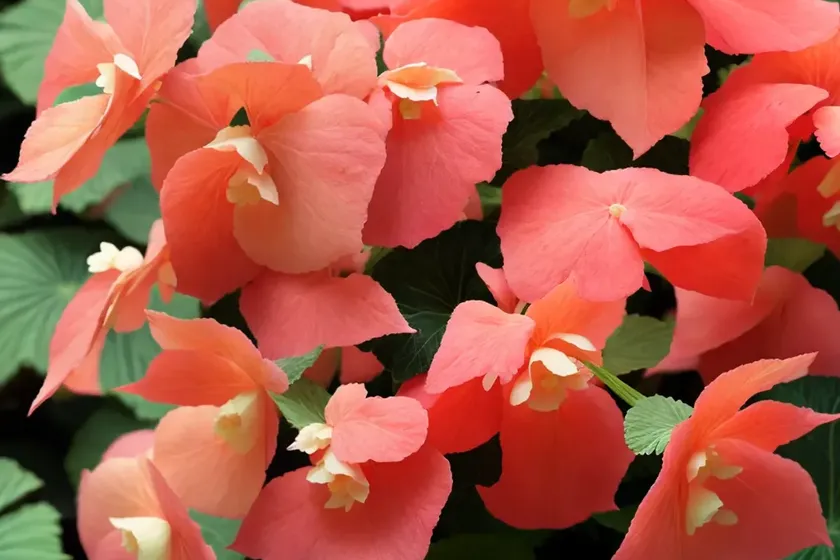
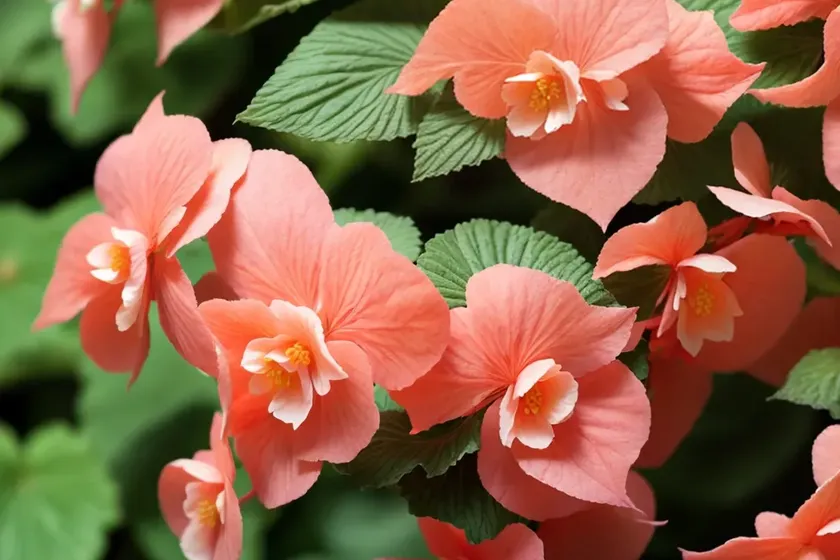
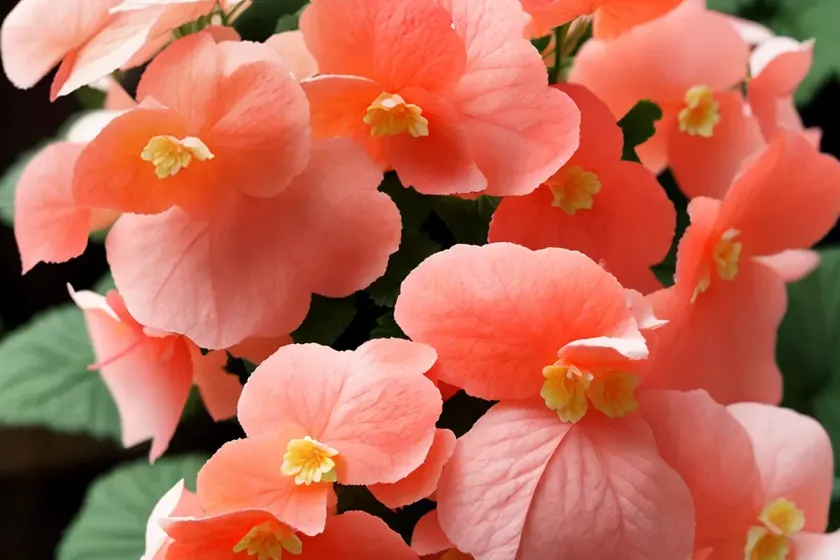
Plants are an essential part of our environment, providing us with oxygen, food, and aesthetic beauty. One such plant that captures the attention of both amateurs and experienced plant enthusiasts is the Angel Wing Begonia (Begonia coccinea). This stunning plant is renowned for its attractive foliage and delicate flowers, making it a popular choice for indoor and outdoor cultivation.
In this comprehensive guide, we will delve into the captivating world of Angel Wing Begonias. From its cultural requirements and uses to common diseases and pests, this guide aims to equip you with the knowledge and skills to nurture and appreciate the beauty of Begonia coccinea.
What is Angel Wing Begonia (Begonia coccinea)?
Angel Wing Begonia (Begonia coccinea) is a species of begonia known for its striking, asymmetrical, angelic-shaped leaves and vibrant, pendulous flowers. Native to Brazil, this plant belongs to the Begoniaceae family and is a popular choice among gardeners and plant enthusiasts for its ornamental value and ease of cultivation.
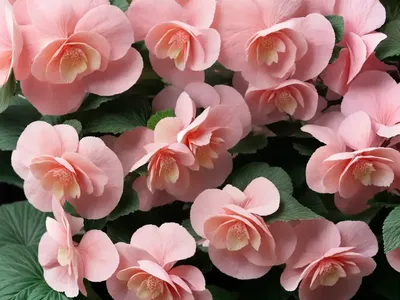
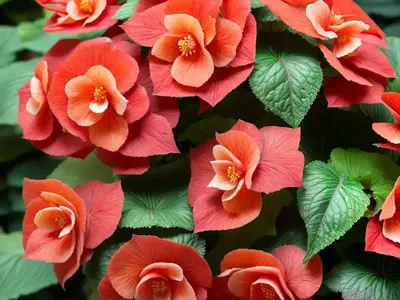
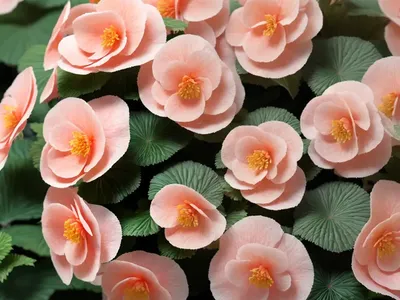
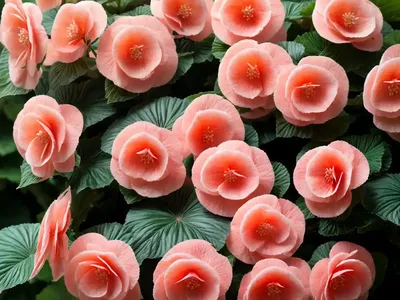
The distinct angel wing-shaped foliage with silver speckles underneath and clusters of bright, tubular flowers in hues of pink, red, or white make the Begonia coccinea a standout addition to any indoor or outdoor garden. Additionally, its ability to thrive in diverse growing conditions further enhances its appeal to both beginners and seasoned plant caretakers.
Key Takeaways – Angel Wing Begonia (Begonia coccinea)
Culture
- Hardiness Zone: 10-12
- Lifespan: Perennial
- Growth Habit: Upright, bushy
- Growth Rate: Moderate
- Foliage: Angel wing-shaped, asymmetrical, green with silver speckles
- Flowers: Clusters of pendulous, tubular flowers in shades of pink, red, or white
- Toxicity: Mildly toxic to pets
Uses
- Ornamental: The Begonia coccinea is primarily grown for its aesthetic appeal. It is often used in containers, hanging baskets, and as a colorful addition to garden beds.
Water
- Watering Frequency: Moderate
- Watering Method: Water when the top inch of soil feels dry to the touch
- Watering Technique: Water at the base to avoid wetting the foliage and causing leaf spot diseases
Sunlight
- Light Requirements: Bright, indirect light
- Ideal Placement: East or west-facing windows for indoor plants
- Outdoor Exposure: Filtered sunlight or partial shade
Fertilizer
- Fertilizing Schedule: Monthly during the growing season
- Fertilizer Type: Balanced, water-soluble fertilizer with a higher phosphorus content
- Application Method: Dilute fertilizer in water and apply to moist soil
Soil
- Soil Type: Well-draining, fertile soil
- Acidity: Slightly acidic to neutral (pH 6.0-7.0)
- Soil Mix: Peat-based potting mix with added perlite for improved drainage
Pruning
- Pruning Needs: Regular to maintain a compact shape
- Pruning Technique: Pinch off leggy growth and spent flowers
- Timing: Throughout the growing season
Propagation
- Propagation Methods: Stem cuttings, leaf cuttings, or division
- Best Time for Propagation: Spring or early summer
- Propagation Medium: Moist, well-draining soil or rooting hormone for cuttings
Container
- Suitable Container: Hanging baskets, decorative pots
- Container Size: Choose a container slightly larger than the root ball
- Drainage: Adequate drainage holes to prevent waterlogging
Popularity
- Cultivation: Commonly grown as a houseplant or outdoor garden specimen
- Demand: Popular among collectors and garden enthusiasts for its unique foliage and flowers
Common Diseases
- Leaf Spot: Fungal infection causing dark spots on leaves
- Powdery Mildew: White powdery growth on foliage
- Root Rot: Caused by overwatering and waterlogged soil
Disease Diagnosis
- Symptoms: Spots on leaves, wilting, yellowing leaves
- Preventive Measures: Proper watering, good air circulation, and maintaining plant hygiene
Common Pests
- Aphids: Small, sap-sucking insects found on new growth
- Mealybugs: White, cottony pests often found in leaf axils
- Spider Mites: Tiny pests causing stippled, discolored leaves
Botanist’s Tips
- Provide consistent, moderate watering to avoid water stress without waterlogging the soil
- Regularly inspect the plant for signs of pests and diseases, especially on the underside of leaves
- Use a well-balanced, water-soluble fertilizer to promote healthy growth and flowering
Fun Facts
- The name “Angel Wing” refers to the unique shape of the plant’s leaves, resembling angel wings
- Begonia coccinea is a favorite among butterfly species, attracting these beautiful pollinators with its nectar-rich flowers
Links to External Resources
Angel Wing Begonia (Begonia coccinea) Care: A Detailed Overview
Angel Wing Begonia Care
Angel Wing Begonia care encompasses a range of factors, from light and water requirements to soil conditions and propagation methods. Understanding the specific needs of Begonia coccinea is essential for its successful cultivation and ornamental display. Let’s dive into each aspect of caring for this remarkable plant to ensure its health and vitality in your garden or indoor space.
Begonia coccinea Care
Caring for Begonia coccinea involves providing the ideal growing conditions, addressing its watering and fertilizing needs, and implementing suitable pest and disease management strategies. With attention to detail and adherence to the plant’s cultural requirements, you can enjoy the delightful presence of an Angel Wing Begonia thriving in your home or garden.
Angel Wing Begonia Plant
The Angel Wing Begonia is characterized by its unique foliage and charming flowers, making it a popular choice among plant enthusiasts. Its distinctive traits, including growth habits, leaf shape, and flowering patterns, contribute to its allure and desirability in both interior and exterior landscapes.
Begonia Houseplant
As a houseplant, Begonia coccinea offers an elegant and decorative element to indoor spaces. Its low-maintenance nature and ability to thrive in ambient light conditions make it an excellent choice for adorning shelves, tabletops, or hanging displays, adding a touch of natural beauty to any room.
Begonia coccinea Varieties
While Begonia coccinea is recognized for its species-specific attributes, various cultivars and hybrids within the Begonia genus offer a diverse array of leaf shapes, colors, and growth habits. Exploring the range of Begonia varieties allows for personalized selection based on individual preferences and gardening goals.
Angel Wing Begonia Propagation
Propagating Angel Wing Begonias through stem or leaf cuttings enables gardeners to expand their plant collection and share the beauty of this species with others. Understanding the propagation techniques and timing for Begonia coccinea is crucial for successful reproduction and the establishment of new plants.
Begonia coccinea Indoor
When cultivating Begonia coccinea indoors, providing appropriate light, temperature, and humidity levels is essential for its growth and flowering. By creating a suitable indoor environment and addressing the plant’s care requirements, you can create an inviting space for the Angel Wing Begonia to thrive.
Angel Wing Begonia Watering
Proper watering is essential for the health and vigor of Angel Wing Begonias. Balancing moisture levels in the soil and ensuring consistent, moderate watering assists in preventing both drought stress and waterlogging, fostering optimal growing conditions for the plant.
Begonia coccinea Pruning
Regular pruning of Begonia coccinea promotes compact growth and enhances the plant’s aesthetic appeal. By removing spent flowers and leggy stems, gardeners can maintain the desired shape and encourage the development of new growth and blooms.
Angel Wing Begonia Light Requirements
The light preferences of Angel Wing Begonias influence their growth, foliage color, and flowering patterns. Understanding the ideal light conditions and managing exposure to sunlight or artificial light sources contributes to the plant’s overall well-being and ornamental display.
Begonia coccinea Fertilizing
Applying appropriate fertilizers at the right intervals supports the nutritional needs of Begonia coccinea, promoting healthy growth and abundant flowering. Selecting balanced, water-soluble fertilizers and following recommended application rates are crucial for preventing nutrient deficiencies or imbalances.
Angel Wing Begonia Soil Type
The choice of soil mix and its characteristics significantly impact the growth and vitality of Angel Wing Begonias. Providing a well-draining, nutrient-rich soil with the appropriate pH level creates an optimal root environment for the plant, preventing waterlogged conditions and nutrient deficiencies.
Begonia coccinea Pests
The presence of common pests, such as aphids, mealybugs, and spider mites, can affect the health and appearance of Begonia coccinea. Implementing proactive pest control measures and early detection techniques helps in mitigating pest infestations and safeguarding the plant’s well-being.
Angel Wing Begonia Repotting
As Angel Wing Begonias grow, repotting becomes necessary to provide adequate space for root expansion and accommodate the plant’s increasing size. Understanding the signs indicating the need for repotting and following proper repotting methods are essential for maintaining the plant’s health and vigor.
Begonia coccinea Diseases
Common diseases, such as leaf spot, powdery mildew, and root rot, pose potential challenges to the well-being of Begonia coccinea. Recognizing the symptoms of these diseases and initiating appropriate preventive measures and treatments are critical for preserving the plant’s overall health and appearance.
Angel Wing Begonia Humidity
Maintaining optimal humidity levels is crucial for the growth and development of Angel Wing Begonias, especially in indoor environments with controlled climate conditions. Fostering an appropriate humidity level contributes to the plant’s vigor and flowering capacity.
Begonia coccinea Blooming
The blooming period of Begonia coccinea presents a display of vibrant, tubular flowers in shades of pink, red, or white. Understanding the factors influencing the blooming cycle and providing suitable care practices contribute to the plant’s consistent and profuse flowering.
Angel Wing Begonia Temperature
Balanced temperature conditions, both indoors and outdoors, are integral to the well-being of Angel Wing Begonias. Avoiding extreme temperature fluctuations and providing a suitable thermal environment support the plant’s growth, flowering, and overall resilience.
Begonia coccinea Propagation Methods
Exploring the various propagation methods, such as stem cuttings and division, provides opportunities for expanding Begonia coccinea populations. By mastering the techniques for propagating Angel Wing Begonias, gardeners can multiply their plant collection and share the joy of growing this captivating species.
Angel Wing Begonia Potting Mix
The selection of an appropriate potting mix for Angel Wing Begonias influences the soil’s drainage, aeration, and nutrient-holding capacity. Creating a well-balanced and well-draining potting mix is critical for establishing an optimal root environment and supporting overall plant health.
Begonia coccinea Growing Tips
Incorporating effective growing tips and best practices enhances the success and vibrancy of Begonia coccinea in garden and indoor settings. Leveraging insights on watering, light exposure, and fertilization empowers gardeners to cultivate healthy and flourishing Angel Wing Begonias.
Angel Wing Begonia Leaves
The distinct, asymmetrical leaves of Angel Wing Begonias are a defining feature of the plant, contributing to its visual appeal and ornamental value. Understanding the leaf characteristics and properties allows for a deeper appreciation of the plant’s natural beauty and unique foliage.
Begonia coccinea Outdoor Care
When growing Begonia coccinea outdoors, maintaining suitable growing conditions and protection from environmental stressors is crucial for the plant’s well-being. Adapting care practices to outdoor settings ensures the successful cultivation of Angel Wing Begonias in garden landscapes.
Angel Wing Begonia Common Problems
Identifying and addressing common issues affecting the growth and appearance of Angel Wing Begonias is essential for preserving the plant’s beauty and vitality. By recognizing and resolving common problems, gardeners can facilitate the optimal growth and flowering of Begonia coccinea.
Begonia coccinea Sunlight Requirements
Managing sunlight exposure is pivotal in providing the right light conditions for Begonia coccinea to thrive. Balancing light intensity and duration supports the plant’s physiological processes, foliage coloration, and flowering patterns.
Angel Wing Begonia Pest Control
Implementing effective pest control measures is essential for safeguarding Angel Wing Begonias from the detrimental effects of common pests. By adopting proactive pest management strategies, gardeners can protect the plant’s health and preserve its ornamental value.
Begonia coccinea Water Needs
Meeting the water needs of Begonia coccinea requires a balanced approach to prevent water stress or waterlogged conditions. Understanding the plant’s specific water requirements and implementing proper watering techniques contribute to its overall health and vigor.
Angel Wing Begonia Pot Size
Selecting an appropriate pot size for Angel Wing Begonias ensures adequate room for root growth and development. By choosing the right pot size, gardeners promote optimal plant growth and vitality in container settings.
Begonia coccinea Leaf Shape
The unique leaf shape of Begonia coccinea contributes to its distinctive appearance and ornamental allure. Understanding the characteristics of the plant’s leaf shape allows for a deeper appreciation of its aesthetic value.
Angel Wing Begonia Disease Prevention
Implementing proactive disease prevention strategies is crucial for preserving the health and beauty of Angel Wing Begonias. By promoting a disease-resistant environment, gardeners contribute to the long-term well-being of Begonia coccinea.
Begonia coccinea Repotting Schedule
Adhering to a suitable repotting schedule is important for ensuring the ongoing health and growth of Begonia coccinea in container environments. Following a consistent repotting regimen supports the plant’s ability to thrive and remain vigorous.
Angel Wing Begonia Flowering Period
Understanding the flowering period of Angel Wing Begonias allows gardeners to anticipate and appreciate the plant’s seasonal blooming displays. Fostering conditions that facilitate abundant and prolonged flowering enhances the ornamental impact of Begonia coccinea.
Begonia coccinea Leaf Color
The diversity of leaf colors and variegation in Begonia coccinea cultivars contributes to the plant’s visual appeal and decorative value. Embracing the range of leaf colors within the species broadens the opportunities for personalized ornamental displays.
Angel Wing Begonia Indoor Temperature
Creating suitable indoor temperature conditions is integral to the overall health and vitality of Angel Wing Begonias. By ensuring a conducive thermal environment, gardeners provide the plant with the necessary comfort for optimal growth and development.
Begonia coccinea Leaf Drop
Monitoring and addressing leaf drop issues in Begonia coccinea supports the plant’s health and appearance. By recognizing the causes of leaf drop and implementing appropriate interventions, gardeners can help the plant maintain its foliage and overall vigor.
Angel Wing Begonia Root Rot Prevention
Preventing the onset of root rot in Angel Wing Begonias is vital for maintaining a healthy root system and overall plant well-being. Employing strategies to mitigate excess moisture and enhance soil drainage supports effective root rot prevention in Begonia coccinea.
Begonia coccinea Propagation Tips
Acquiring proficiency in the propagation techniques and tips for Begonia coccinea empowers gardeners with the ability to propagate and share this captivating species with confidence. Leveraging effective propagation methods allows for the expansion of Angel Wing Begonia populations.
Angel Wing Begonia Pruning Techniques
Developing proficiency in pruning techniques for Angel Wing Begonias enables gardeners to shape and maintain the plant’s form and appearance. By mastering the art of pruning, gardeners support the plant’s overall aesthetic and health in both indoor and outdoor settings.
Begonia coccinea Leaf Spots
Identifying and managing leaf spot issues in Begonia coccinea contributes to the preservation of the plant’s attractiveness and vitality. By addressing leaf spot concerns promptly, gardeners uphold the visual appeal and vigor of Angel Wing Begonias.
Angel Wing Begonia Humidity Level
Maintaining appropriate humidity levels is crucial for the overall well-being and growth of Angel Wing Begonias. By regulating the plant’s humidity environment, gardeners support the plant’s physiological processes and resilience in various indoor and outdoor settings.
Begonia coccinea Light Preferences
Accommodating the light preferences of Begonia coccinea cultivars contributes to their growth, foliage coloration, and flowering performance. By aligning with the plant’s light preferences, gardeners create optimal growing conditions for Angel Wing Begonias.
Angel Wing Begonia Repotting Frequency
Following a consistent repotting frequency is essential for ensuring the ongoing health and vigor of Angel Wing Begonias in container settings. Adhering to a suitable repotting regimen supports the plant’s growth and ability to flourish.
Begonia coccinea Diet
Fulfilling the nutritional requirements of Begonia coccinea through proper fertilization enhances the plant’s health and flowering capacity. By addressing the plant’s diet needs, gardeners promote the vibrancy and vigor of Angel Wing Begonias.
Angel Wing Begonia Growth Rate
Understanding the growth rate of Angel Wing Begonias enables gardeners to anticipate the plant’s development and adjust care practices accordingly. By aligning with the plant’s growth rate, gardeners create optimal conditions for nurturing Begonia coccinea.
Begonia coccinea Water Schedule
Establishing a consistent watering schedule is pivotal for maintaining appropriate moisture levels for Begonia coccinea. By adhering to a suitable water schedule, gardeners promote the continuous health and vitality of Angel Wing Begonias.
Angel Wing Begonia Potting Techniques
Adopting effective potting techniques and methods supports the successful establishment and growth of Angel Wing Begonias in container settings. By mastering potting techniques, gardeners lay the foundation for a thriving and beautiful Begonia coccinea.
Begonia coccinea Container Gardening
Engaging in container gardening with Begonia coccinea offers a versatile