Pennisetum Orientale (Oriental Fountain Grass)
Pennisetum orientale, commonly known as Oriental Fountain Grass, is a stunning ornamental grass that adds grace and movement to any landscape. With its.
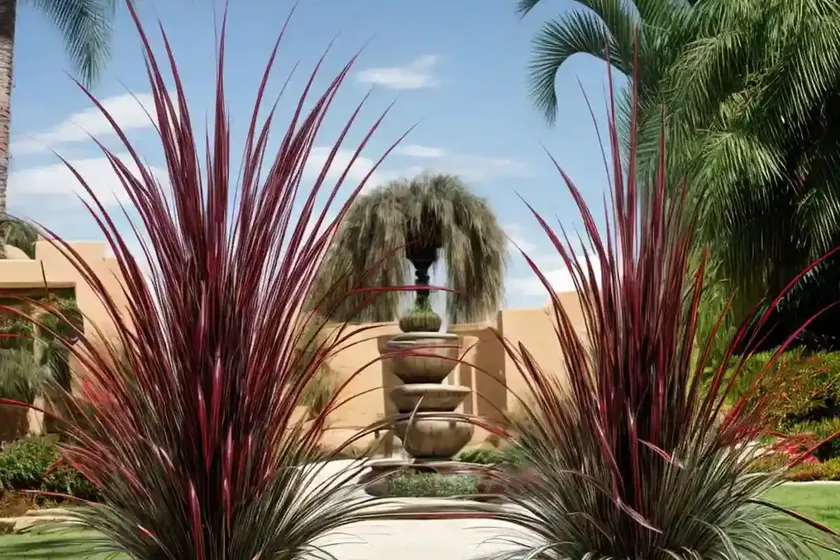
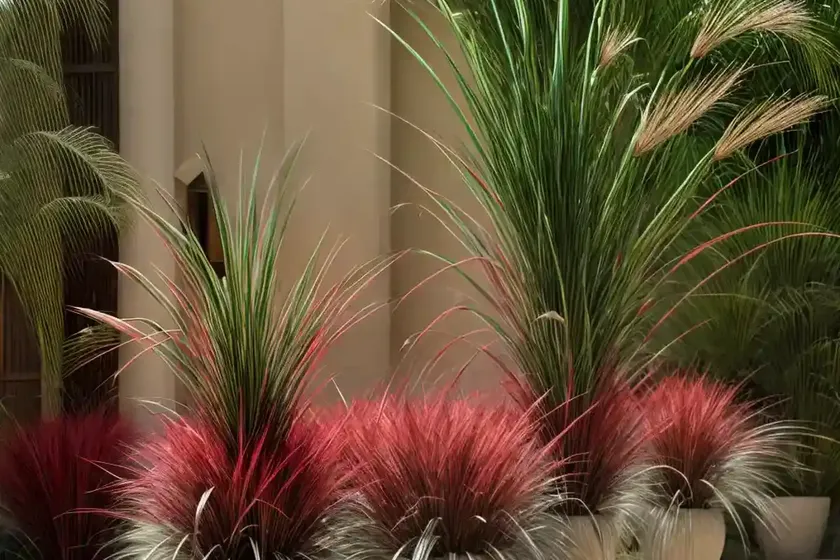
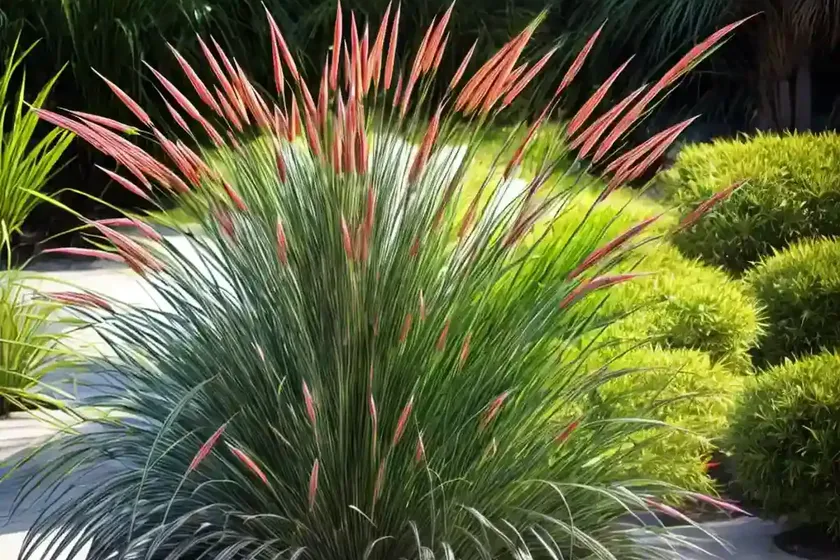
Pennisetum orientale, commonly known as Oriental Fountain Grass, is a stunning ornamental grass that adds grace and movement to any landscape. With its graceful arching foliage and fluffy, foxtail-like flower spikes, this plant provides year-round interest and requires minimal upkeep. In this comprehensive guide, we will delve into the various aspects of this plant, from its cultural needs to its uses, care tips, and maintenance requirements.
What is Pennisetum orientale (Oriental Fountain Grass)?
Pennisetum orientale, a member of the Poaceae family, is a perennial grass native to Asia. It is known for its arching, narrow green leaves and delicate, feathery pinkish inflorescences, which appear in late summer and persist into the fall. This graceful plant typically reaches a height of 2 to 3 feet and forms a rounded, mounded shape, making it an ideal choice for border plantings, mass plantings, or container gardening.
Key Takeaways – Pennisetum orientale (Oriental Fountain Grass)
Before we delve into the specifics, here are some key takeaways about Pennisetum orientale:
- Scientific Name: Pennisetum orientale
- Common Name: Oriental Fountain Grass
- Plant Type: Perennial grass
- Height: 2 to 3 feet
- Sunlight: Full sun to partial shade
- Water: Moderate watering needs
- Soil: Well-drained, fertile soil
- Uses: Borders, mass plantings, containers
- Growth Habits: Mounded habit with arching foliage
Now, let’s explore the various aspects of Oriental Fountain Grass in detail.
Culture
Understanding the cultural requirements of Pennisetum orientale is crucial for its successful growth and development. From its preferred sunlight exposure to its soil and water preferences, here’s a detailed look at its cultural needs.
Sunlight
Oriental Fountain Grass thrives in full sun to partial shade. When planted in full sun, it tends to produce more prolific and vibrant blooms. However, it can tolerate partial shade, particularly in hotter regions where some respite from the intense sun can be beneficial.
Water
In terms of water requirements, Pennisetum orientale prefers moderate watering. It is tolerant of dry conditions once established, making it suitable for xeriscapes and water-wise gardening practices. However, consistent moisture is essential during its initial establishment phase and prolonged periods of drought.
Soil
The ideal soil for Oriental Fountain Grass is well-drained and fertile. It can adapt to various soil types, including loamy, sandy, or clay soils, as long as the drainage is adequate. Amending the soil with organic matter can help improve its overall health and vigor.
Uses
Pennisetum orientale is a versatile plant that offers a range of landscaping and gardening uses. Whether it’s adding texture to a border planting or enhancing the visual appeal of a container display, Oriental Fountain Grass has much to offer.
Landscape Design
In landscape design, Pennisetum orientale serves as an excellent choice for borders, mass plantings, or as a standalone focal point. Its arching foliage and distinctive flower spikes add visual interest and movement to the landscape, especially when juxtaposed with other plants with contrasting forms and textures.
Container Gardening
The graceful, mounding habit of Oriental Fountain Grass makes it a sought-after plant for container gardening. Whether used as a standalone specimen in a decorative container or combined with other plants to create stunning mixed arrangements, Pennisetum orientale adds an elegant touch to patio, balcony, or courtyard settings.
Ground Cover
In some regions, Pennisetum orientale can be utilized as a low-maintenance ground cover. When planted en masse, it forms a cohesive carpet of foliage and blooms, effectively suppressing weed growth and providing visual continuity in herbaceous borders or naturalistic plantings.
Fertilizer
As a relatively low-maintenance plant, Oriental Fountain Grass does not have excessive fertilizer needs. However, applying a balanced, slow-release fertilizer in the spring can help promote healthy growth and robust flowering. It is essential to follow the recommended application rates to prevent over-fertilization, which can lead to excessive foliage at the expense of flowering.
Pruning
Pruning Pennisetum orientale is primarily focused on removing old foliage and spent flower spikes to maintain its aesthetic appeal and encourage new growth. In late winter or early spring, as new growth emerges, the old foliage can be trimmed back to ground level to make way for the upcoming season’s growth. The faded flower spikes can also be pruned to tidy up the plant’s appearance.
Propagation
The propagation of Pennisetum orientale can be achieved through various methods, including division, seed sowing, or stem cuttings.
Division
Dividing mature clumps of Oriental Fountain Grass is a straightforward method to propagate new plants. This is typically done in early spring or late fall by carefully digging up the established clump and dividing it into smaller sections, each containing a portion of the root system and several shoots. These divisions can then be replanted in suitable locations to establish new plants.
Seed Propagation
Pennisetum orientale produces viable seeds that can be collected for propagation purposes. Sowing the seeds in well-prepared seed beds or individual containers and keeping them consistently moist can result in the germination of new seedlings. It’s essential to protect the newly emerged seedlings from excessive moisture and weed competition during their early stages of growth.
Container Popularity
Pennisetum orientale’s popularity in container gardening stems from its aesthetic appeal, adaptability to container culture, and minimal maintenance requirements. Here are some reasons why Oriental Fountain Grass is favored for container plantings:
- Its mounding habit and graceful foliage provide visual interest in containers.
- It can thrive in the confines of a container, making it suitable for small-space gardening.
- Oriental Fountain Grass can be combined with flowering plants or other foliage textures to create attractive container displays.
- The plant’s ease of care makes it a suitable choice for both novice and experienced container gardeners.
Common Diseases
While Pennisetum orientale is relatively resistant to diseases, it can occasionally encounter certain issues that affect its overall health and appearance. Being aware of these common diseases and their management strategies is essential for maintaining the plant’s vitality.
Fusarium Wilt
Fusarium wilt, caused by the fungal pathogen Fusarium oxysporum, can affect Pennisetum orientale under certain conditions. Symptoms include wilting, yellowing of leaves, and eventual plant death. To manage this disease, it is crucial to avoid overhead watering, improve soil drainage, and remove and destroy infected plants to prevent the spread of the pathogen.
Rust
Rust, caused by fungal pathogens such as Puccinia spp., can manifest as orange, powdery pustules on the foliage of Oriental Fountain Grass. To prevent rust, it is essential to promote good air circulation around the plants, avoid overhead watering, and remove and dispose of affected foliage. Fungicidal treatments may be necessary in severe cases.
Disease Diagnosis
Diagnosing diseases in Pennisetum orientale involves careful observation of the plant’s symptoms and, if necessary, conducting laboratory tests to identify the causal pathogens. Here are some steps for disease diagnosis:
- Symptom Observation: Pay attention to any changes in foliage color, texture, or vigor, as well as the presence of abnormal growths or lesions on the plant.
- Pathogen Identification: If necessary, collect samples of affected plant parts and send them to a diagnostic laboratory for pathogen identification.
- Cultural and Environmental Assessment: Evaluate the plant’s cultural conditions and growing environment to identify any factors that may predispose it to diseases.
- Management Plan: Once the disease is identified, develop a management plan that may include cultural, biological, or chemical control methods.
Common Pests
Pennisetum orientale is generally resistant to pest infestations. However, certain pests may occasionally pose a threat to the plant’s health. Being vigilant and proactive in pest management can help maintain the plant’s vigor and aesthetics.
Aphids
Aphids, small sap-sucking insects, can infest Oriental Fountain Grass, particularly during periods of new growth. These pests can cause stunted growth and distorted foliage. Physical removal of aphids using a strong stream of water or the application of insecticidal soaps can help manage infestations.
Grasshoppers
Grasshoppers may feed on the foliage of Pennisetum orientale, leading to ragged or tattered leaves. Physical exclusion using protective barriers or the application of organic insecticidal sprays can help prevent extensive damage by grasshoppers.
Botanist’s Tips
As a plant scientist, here are some tips and recommendations for growing and caring for Pennisetum orientale:
- Selecting Varieties: Consider the different Oriental Fountain Grass varieties available, such as ‘Karley Rose’ with its pink plumes or ‘Tall Tails’ known for its height, to find a variety that suits your specific landscape needs.
- Companion Planting: Pair Oriental Fountain Grass with companion plants that complement its form and texture, such as flowering perennials, ornamental shrubs, or other grasses with contrasting colors or growth habits.
- Seasonal Interest: Explore how Pennisetum orientale can contribute to the overall seasonal interest in your garden, especially during the fall and winter when its foliage and seed heads provide visual appeal.
Fun Facts
Delve into some intriguing fun facts about Pennisetum orientale and Oriental Fountain Grass:
- In its native habitat, Pennisetum orientale can be found in grasslands and open woodlands across various regions of Asia, including China and Korea.
- The feathery inflorescences of Oriental Fountain Grass are often used in dried flower arrangements and craft projects, adding a touch of elegance to decorative displays.
- Oriental Fountain Grass is a favorite among pollinators, attracting bees and butterflies with its nectar-rich flowers and providing a valuable food source for these beneficial insects.
Now that we have explored the culture, uses, and care tips for Pennisetum orientale, it’s essential to provide links to external resources for further reading and research on this fascinating plant.
Links to External Resources
For additional information on Pennisetum orientale and Oriental Fountain Grass, consider exploring the following resources:
- The American Horticultural Society – Pennisetum orientale
- Missouri Botanical Garden – Pennisetum orientale
- University of Florida IFAS Extension – Ornamental Grasses for Florida Landscapes
With the wealth of information available from these resources, you can further expand your knowledge and appreciation for Pennisetum orientale and its role in the landscape.
In conclusion, Pennisetum orientale, or Oriental Fountain Grass, is a captivating and versatile ornamental grass with much to offer in terms of aesthetics and functionality in the garden. By understanding its cultural needs, uses, and care requirements, you can harness the beauty and grace of this plant to enhance your outdoor spaces and create stunning landscape compositions.
Remember to explore the various Oriental Fountain Grass varieties, experiment with companion planting designs, and appreciate the year-round interest that this elegant grass brings to the garden. Whether used as a ground cover, a container specimen, or a border accent, Pennisetum orientale continues to captivate gardeners and plant enthusiasts with its unique charm and enduring appeal.


