Peacock Echeveria (Echeveria Peacockii)
Echeveria peacockii, commonly known as Peacock Echeveria, is a stunning succulent plant treasured by many gardening enthusiasts for its striking.
Introduction
Echeveria peacockii, commonly known as Peacock Echeveria, is a stunning succulent plant treasured by many gardening enthusiasts for its striking appearance, low maintenance requirements, and versatility. This blog post will delve into the various aspects of cultivating and caring for Peacock Echeveria, including its cultural needs, propagation methods, common diseases, pest management, and interesting facts about this remarkable plant.
What is Peacock Echeveria (Echeveria peacockii)?
Plant Description
Echeveria peacockii is a species of succulent plant native to Mexico. It is a member of the Crassulaceae family and belongs to the Echeveria genus, which comprises a diverse array of rosette-forming succulents. These plants are characterized by their attractive, fleshy leaves arranged in whorls, which give them a striking, symmetrical appearance.
Physical Characteristics
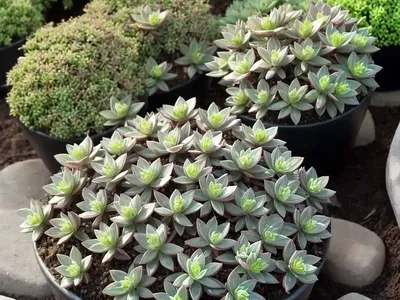
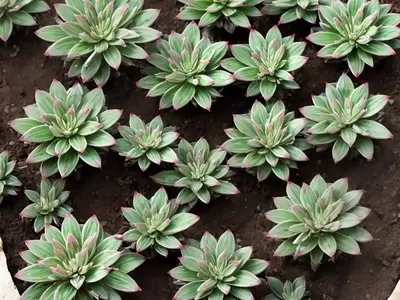
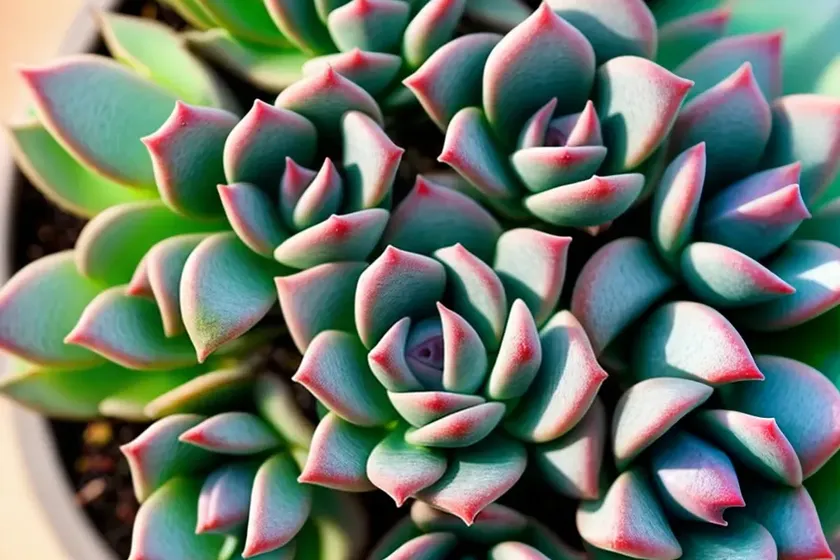
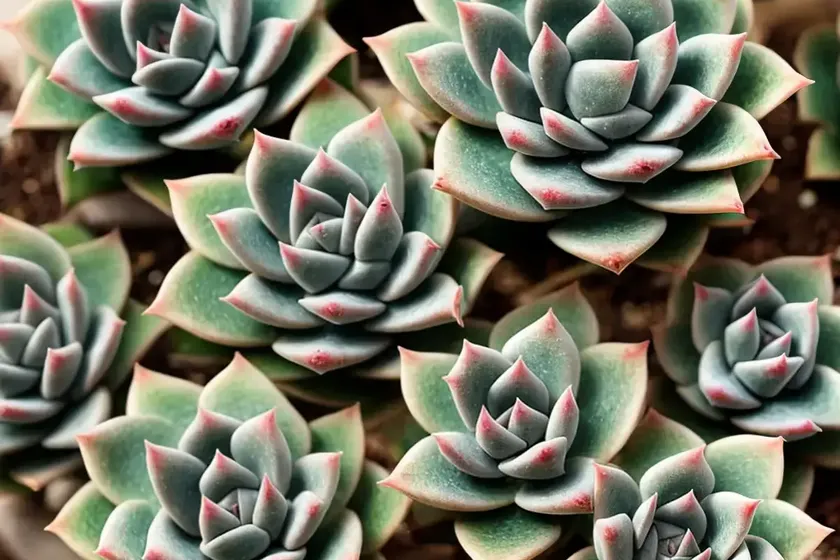
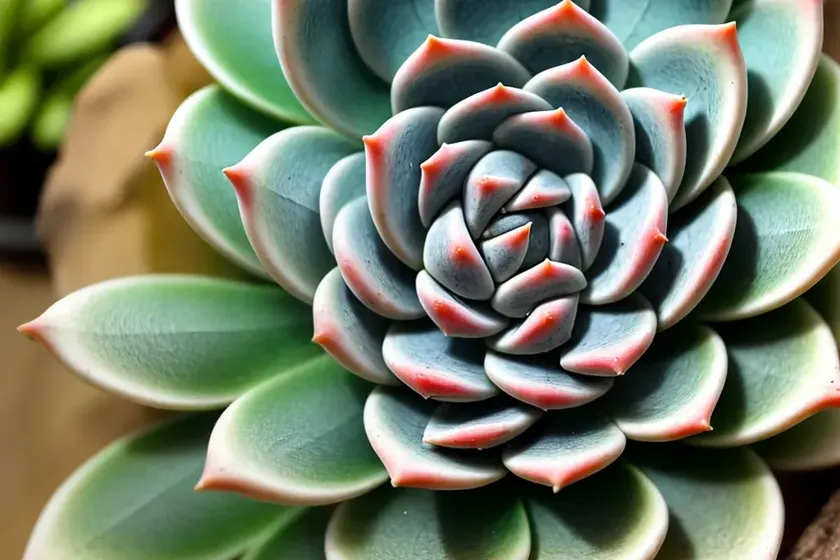
Peacock Echeveria typically forms compact rosettes of powdery, blue-green leaves with pink edges. The rosettes may reach a diameter of 6 to 8 inches, creating an eye-catching display in gardens, containers, or rockeries. During the summer, mature plants produce tall, arching flower stems adorned with bell-shaped, orange flowers, adding further allure to the plant’s aesthetic appeal.
Growth Habit
As a slow-growing succulent, Echeveria peacockii gradually spreads by producing offsets or “pups” around the base. This growth habit contributes to the plant’s resilience and adaptability, making it an excellent choice for both novice and experienced gardeners.
Key Takeaways – Peacock Echeveria (Echeveria peacockii)
Before delving into the specific care requirements and maintenance practices for Peacock Echeveria, it is essential to understand the fundamental aspects of its cultivation. Below are the key takeaways that will be explored in greater detail:
- Culture
- Uses
- Water
- Sunlight
- Fertilizer
- Soil
- Pruning
- Propagation
- Container Popularity
- Common Diseases
- Disease Diagnosis
- Common Pests
- Botanist’s Tips
- Fun Facts
- Links to External Resources
Now, let’s delve into each of these aspects to gain a comprehensive understanding of Echeveria peacockii and how to effectively care for this captivating succulent.
Culture
Uses
Echeveria peacockii is highly valued for its ornamental and functional uses in various settings. Its captivating appearance and low maintenance needs make it a popular choice for:
- Landscaping: Peacock Echeveria is frequently used in xeriscaping and rock gardens due to its drought tolerance and ability to thrive in arid conditions.
- Potted Plants: It is an excellent choice for container gardening, adding beauty to patios, balconies, and indoor spaces.
- Aesthetic Appeal: As a decorative plant, Peacock Echeveria enhances the visual appeal of gardens, borders, and succulent arrangements.
Water
Proper watering is crucial for the health and vitality of Peacock Echeveria. As a succulent, it is adapted to store water in its leaves and can withstand periods of drought. However, overwatering can lead to root rot and other issues. Here are essential watering guidelines:
- Frequency: Water the plant thoroughly when the top inch of the soil is dry during the growing season (spring and summer). Allow the soil to dry out between watering sessions to prevent waterlogging.
- Winter Care: Reduce watering in the winter months to mimic the plant’s natural dormancy period. Water sparingly, ensuring that the soil dries out completely between waterings.
Sunlight
Peacock Echeveria thrives in bright, indirect light and can also tolerate full sun conditions. When grown indoors, place the plant near south or west-facing windows to ensure it receives an adequate amount of sunlight. Outdoors, it is best suited for areas with partial to full sun exposure.
- Indoor Care: Provide sufficient sunlight by placing the plant in a location that receives at least 6 hours of indirect sunlight per day.
Fertilizer
While Echeveria peacockii is not heavy feeder, providing it with the right nutrients can support healthy growth and enhance its visual appeal. Use a balanced, water-soluble fertilizer diluted to half-strength during the growing season. Apply the fertilizer to the soil every 2 to 4 weeks, ensuring that it does not come into direct contact with the leaves to prevent potential damage.
Soil
Peacock Echeveria thrives in well-draining soil to prevent waterlogging and root rot. A suitable succulent or cactus mix, enriched with perlite or coarse sand, provides the ideal growing medium for this plant. Additionally, incorporating organic matter and mineral amendments can improve soil structure and fertility, promoting optimal growth.
Pruning
Peacock Echeveria generally requires minimal pruning. However, removing dead or damaged leaves and spent flower stalks can enhance the plant’s appearance and overall health. When pruning, use clean, sharp scissors or pruning shears to make precise cuts and minimize the risk of disease transmission.
Propagation
Echeveria peacockii can be easily propagated through several methods, including leaf cuttings, offsets, and stem cuttings. This allows gardeners to expand their collection or share plants with others. Below are brief guidelines for propagation:
- Leaf Cuttings: Select healthy leaves and allow them to callous over for a few days before placing them on well-draining soil. Mist the soil lightly and keep it slightly moist until new rosettes form.
- Offsets: Gently separate the young offsets that emerge around the base of the parent plant. Allow the offsets to dry and heal before planting them in their own pots.
Container Popularity
Peacock Echeveria’s compact size and captivating appearance make it an ideal choice for container gardening. When growing this plant in containers, consider the following tips:
- Container Selection: Choose containers with drainage holes to prevent water accumulation and root rot.
- Succulent Mix: Use a well-draining succulent or cactus mix to create an optimal growing environment.
- Maintenance: Monitor the soil moisture levels and ensure proper drainage to promote healthy growth in containers.
Common Diseases and Pest Management
Common Diseases
Echeveria peacockii is generally resistant to most diseases when provided with suitable growing conditions. However, certain factors, such as overwatering or poor air circulation, can make the plant susceptible to:
- Root Rot: Caused by excessive moisture and poor drainage, leading to the decay of the plant’s roots.
- Powdery Mildew: Fungal infection that appears as a powdery white substance on the leaves, typically due to high humidity levels and inadequate air circulation.
Disease Diagnosis
Regularly inspect the plant for signs of disease, including discolored or mushy leaves, white powdery patches, or stunted growth. Promptly addressing any issues and adjusting care practices can help prevent the spread of diseases and promote the plant’s recovery.
Common Pests
Peacock Echeveria is relatively resistant to pests, but it may occasionally encounter infestations of common succulent pests, including:
- Mealybugs: Small, cottony insects that feed on the plant’s sap, leading to stunted growth and wilting.
- Aphids: Tiny, pear-shaped insects that cluster on new growth and sap-sucking mouthparts can cause distortion and discoloration of leaves and stems.
Pest Management
Employ preventive measures, such as regularly inspecting plants for early pest infestations and promptly addressing any issues. Additionally, natural predation by beneficial insects and regular cleaning of leaves can help reduce the risk of pest infestations.
Botanist’s Tips
Growing Considerations
When cultivating Echeveria peacockii, it is essential to consider the following aspects to ensure the plant’s health and vigor:
- Climate Adaptability: Peacock Echeveria thrives in arid and semi-arid regions and can withstand drought conditions, making it an ideal choice for water-wise gardening.
- Temperature Tolerance: This plant prefers moderate to warm temperatures and is sensitive to frost. Protect it from freezing temperatures, especially in cooler climates, to prevent cold damage.
Fun Facts
- The specific name “peacockii” is derived from the distinctive features of this Echeveria, which resemble the vivid plumage of a peacock.
- Echeveria plants are named after Atanasio Echeverría, a renowned Mexican botanical artist and the first director of the Mexico City Botanical Garden.
Links to External Resources
To further expand your knowledge and understanding of Peacock Echeveria and succulent gardening, consider exploring the following resources:
By leveraging these external resources, you can gain valuable insights, best practices, and inspiration for cultivating and caring for Peacock Echeveria in your own garden.
In conclusion, Echeveria peacockii, or Peacock Echeveria, is a captivating and versatile succulent that adds beauty and charm to various landscapes and settings. By understanding its cultural requirements, propagation methods, and pest management techniques, you can effectively nurture and showcase the allure of this remarkable plant. Whether used in outdoor gardens, container arrangements, or indoor displays, Peacock Echeveria stands out as a resilient and visually striking addition to any plant collection.