Pachyveria Exotica’ (Pachyveria ‘powder Puff’)
As a plant scientist with a passion for succulents and ornamental plants, I am excited to delve into the world of Pachyveria Exotica, also known as.
As a plant scientist with a passion for succulents and ornamental plants, I am excited to delve into the world of Pachyveria Exotica, also known as Pachyveria ‘Powder Puff.’ This stunning succulent has gained popularity among plant enthusiasts for its unique appearance and relatively low maintenance requirements. In this comprehensive guide, we will explore the culture, uses, care tips, propagation techniques, and much more to help you understand and successfully cultivate Pachyveria Exotica in your own garden or indoor spaces.
What is Pachyveria Exotica (Pachyveria ‘Powder Puff’)?
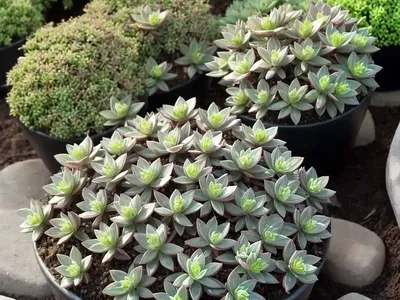
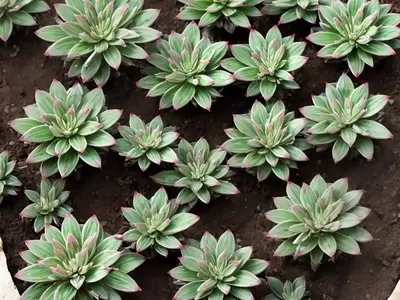
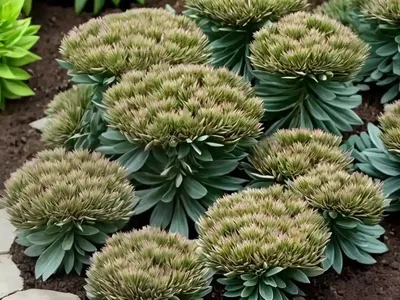
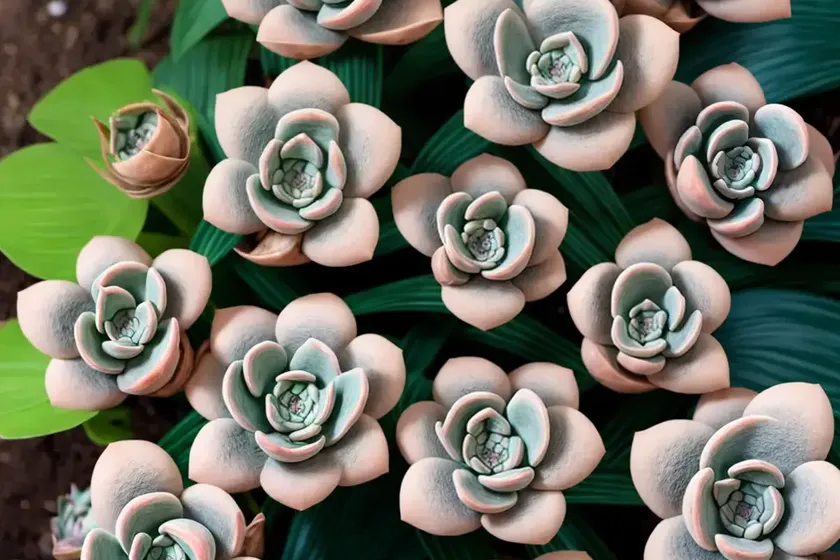
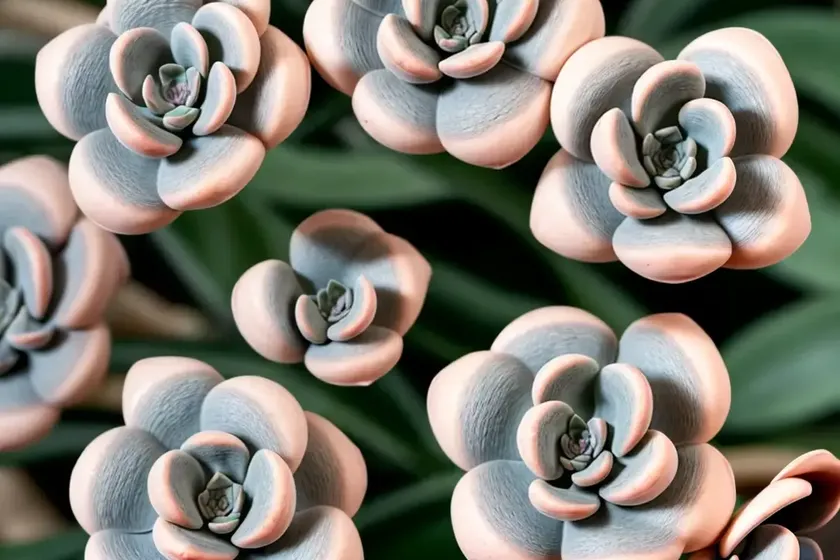
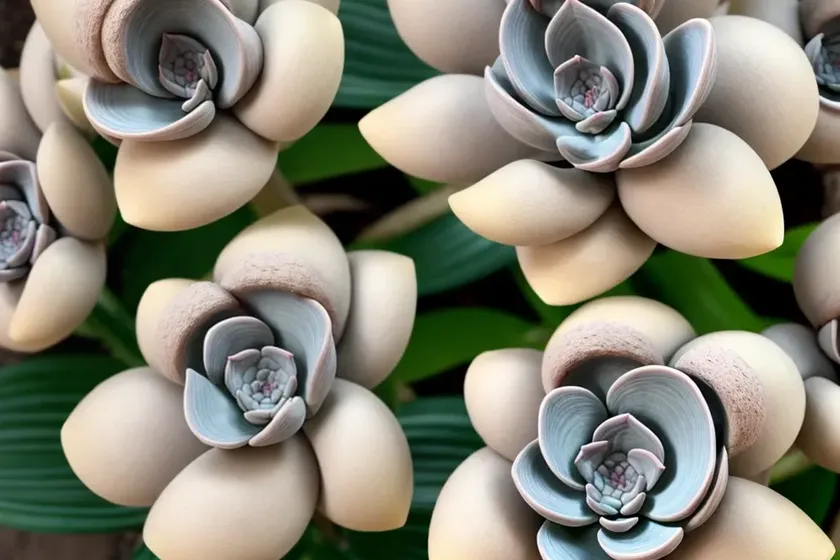
Pachyveria Exotica, commonly referred to as Pachyveria ‘Powder Puff,’ is a hybrid succulent that belongs to the Crassulaceae family. It is a cross between Pachyphytum bracteosum and Echeveria cante, resulting in a stunning plant with compact rosettes of fleshy, powder-blue leaves. This succulent is prized for its attractive appearance and relatively low maintenance requirements, making it a popular choice for both indoor and outdoor cultivation.
Key Takeaways – Pachyveria Exotica (Pachyveria ‘Powder Puff’)
Here are some key takeaways that we will be exploring in detail throughout this guide:
- Culture
- Uses
- Water
- Sunlight
- Fertilizer
- Soil
- Pruning
- Propagation
- Container Popularity
- Common Diseases
- Common Pests
- Botanist’s Tips
- Fun Facts
- Links to External Resources
Now, let’s dive into each of these aspects to gain a thorough understanding of how to care for and cultivate Pachyveria Exotica.
Culture of Pachyveria Exotica
Understanding the cultural requirements of Pachyveria Exotica is essential for providing an environment in which this stunning succulent can thrive. From its traditional uses to its preferred sunlight exposure, let’s explore the cultural aspects of caring for Pachyveria ‘Powder Puff.’
Traditional Uses
Pachyveria Exotica is primarily grown for ornamental purposes due to its striking appearance and unique foliage. Its compact rosettes of powdery blue leaves make it an ideal addition to succulent gardens, rockeries, container gardens, and even as an indoor houseplant. The plant’s visually appealing nature has paved the way for its increased popularity in both professional landscaping and home garden settings.
Water Requirements
Proper watering is crucial for the health and vitality of Pachyveria Exotica. As a succulent, this plant is adapted to arid environments and possesses the ability to store water in its fleshy leaves and stems. When it comes to watering, it is essential to find a balance to prevent overwatering, which can lead to root rot, and underwatering, which can cause the plant to become dehydrated.
Pachyveria ‘Powder Puff’ typically thrives in well-draining soil and can tolerate periods of drought. During the growing season, which typically spans from spring to early fall, water the plant thoroughly when the top inch of the soil feels dry. In contrast, it’s crucial to reduce watering during the winter months to mimic the plant’s natural dormancy period and prevent excessive moisture in the soil.
Sunlight Requirements
Like many succulents, Pachyveria Exotica thrives in bright, indirect sunlight. When grown outdoors, it is best to position the plant in a location that receives partial to full sunlight, particularly in the morning or late afternoon. When cultivating Pachyveria ‘Powder Puff’ indoors, placing it near a south- or west-facing window can provide the adequate light it requires for healthy growth.
Insufficient light can lead to etiolation, causing the plant to stretch and become leggy, while excessive sunlight exposure can result in sunburn and damage to the leaves. By finding the right balance of light, you can ensure that your Pachyveria Exotica displays its characteristic powdery blue hues and maintains a compact, robust growth habit.
Fertilizer Application
Proper nutrition is key to maintaining the vibrant colors and healthy growth of Pachyveria ‘Powder Puff.’ During the active growing season, which typically occurs from spring to summer, you can supplement the plant’s nutrient intake by applying a balanced, diluted fertilizer formulated specifically for succulents.
A general-purpose, water-soluble fertilizer with a balanced N-P-K (nitrogen, phosphorus, potassium) ratio is suitable for Pachyveria Exotica. Refrain from overfertilizing, as excessive amounts of fertilizer can lead to salt buildup in the soil and cause damage to the plant’s sensitive root system. Following the manufacturer’s instructions for dilution and frequency of application will help maintain the plant’s health and vigor.
Soil Requirements
The right soil composition plays a vital role in providing the ideal growing medium for Pachyveria Exotica. Well-draining soil is essential to prevent waterlogged conditions, which can predispose the plant to root rot. A cactus or succulent potting mix that promotes quick drainage and aeration is an excellent choice for cultivating Pachyveria ‘Powder Puff.’
When preparing the soil, adding inorganic amendments such as perlite or coarse sand can enhance drainage, while organic matter such as compost should be used sparingly to avoid retaining excess moisture. This combination creates an optimal environment for the plant’s roots while ensuring that water moves through the soil effectively, reducing the risk of water-related issues.
Pruning and Propagation
Understanding the principles of pruning and propagation can empower you to maintain the health and appearance of Pachyveria Exotica, as well as expand your collection of plants through propagation techniques.
Pruning
Pruning is a valuable practice for promoting a tidy appearance and managing the growth of Pachyveria ‘Powder Puff.’ Over time, the lower leaves of the plant may naturally senesce and dry out. To maintain the plant’s aesthetic appeal and prevent the accumulation of debris, these dry leaves can be carefully trimmed away using clean, sharp scissors or pruning shears.
Additionally, the removal of spent flower stalks can redirect the plant’s energy toward new growth and the production of offsets. During the active growing season, inspect the plant regularly and prune away any discolored or damaged foliage to keep Pachyveria Exotica in optimal condition.
Propagation
Propagation offers a rewarding way to expand your collection of Pachyveria Exotica and share the beauty of this succulent with others. This plant can be propagated through various methods, including leaf cuttings and offsets (also known as “chicks”).
Leaf cuttings can be taken from healthy, mature leaves and left to dry and callus for a few days before being placed on well-draining soil to root. As the cutting establishes roots and begins to grow, it will develop into a new plant, mirroring the characteristics of the parent Pachyveria ‘Powder Puff.’
Offsets, which are the small, miniature rosettes that grow adjacent to the main plant, can also be carefully separated and planted to produce new individual plants. By utilizing these propagation techniques, you can multiply your Pachyveria Exotica collection and enjoy the gratifying experience of nurturing new plants from cuttings or offsets.
Container Popularity
Pachyveria Exotica is well-suited for container cultivation, making it an excellent choice for individuals with limited garden space or those looking to adorn their indoor living areas with ornamental plants. The compact size and visually appealing foliage of Pachyveria ‘Powder Puff’ make it an ideal candidate for container gardens, succulent arrangements, and decorative planters.
When selecting a container for Pachyveria Exotica, prioritize options with adequate drainage holes to promote healthy root development and prevent water from accumulating at the bottom. Terracotta, ceramic, or plastic pots can all be suitable choices, provided they allow excess water to escape freely and maintain a stable environment for the plant’s roots.
Common Diseases and Pest Management
As with any plant, Pachyveria Exotica is susceptible to certain diseases and pests that can affect its health and overall vigor. Understanding how to diagnose and prevent these issues is essential for ensuring the continued well-being of the plant.
Disease Diagnosis
One of the most common issues that may affect Pachyveria Exotica is rot, which can encompass different forms such as root or stem rot. These conditions are often caused by overwatering, poorly draining soil, or prolonged exposure to humid conditions. Symptoms of rot include wilting, yellowing or browning of the leaves, and a soft, mushy texture in the affected areas.
To prevent rot, it is important to monitor the plant’s watering habits, ensure proper soil drainage, and provide adequate air circulation around the plant. In cases where rot has developed, it may be necessary to trim away affected areas and repot the plant in fresh, well-draining soil to prevent the spread of the issue.
Common Pests
Pachyveria Exotica may also fall victim to common succulent pests such as aphids, mealybugs, and spider mites. These pests can cause damage to the plant by feeding on its sap, leading to stunted growth, discoloration of leaves, and overall decline in health.
Regularly inspecting the plant for signs of pest infestation, particularly on the undersides of leaves and in the leaf axils, can help detect issues early. If pests are identified, mechanical removal, the use of insecticidal soap, or horticultural oils can be effective means of control, ensuring that the plant remains free from infestations and can continue to thrive in a pest-free environment.
Botanist’s Tips and Fun Facts
As we conclude this comprehensive guide to Pachyveria Exotica, I would like to share some additional tips and fun facts about this captivating succulent.
Botanist’s Tips
- Temperature Tolerance: Pachyveria Exotica thrives in temperature ranges of 65-80°F (18-27°C) and can tolerate brief periods of colder temperatures, provided that frost and freezing conditions are avoided.
- Aesthetics: The powdery, pastel-blue coloration of Pachyveria ‘Powder Puff’ leaves intensifies in response to bright light exposure, creating a visually striking display.
- Companion Planting: Pair Pachyveria Exotica with other drought-tolerant succulents and ornamental grasses for visually appealing and low-maintenance landscaping arrangements.
Fun Facts
- Pachyveria ‘Powder Puff’ is a hybrid succulent, resulting from a cross between Pachyphytum bracteosum and Echeveria cante, showcasing the innovative breeding efforts within the horticultural industry.
- The diminutive, powdery leaves of Pachyveria Exotica give it a delicate and ethereal appearance, making it a captivating addition to succulent collections and garden designs.
Links to External Resources
To further expand your knowledge and delve into the world of Pachyveria Exotica, I recommend exploring the following external resources:
- Succulent Plant Care: A Beginner’s Guide
- Propagation Techniques for Succulent Plants
- Solving Common Problems with Succulents
With the information provided in this comprehensive guide, you are now equipped with the knowledge and insights needed to successfully cultivate and care for Pachyveria Exotica, also known as Pachyveria ‘Powder Puff.’ Whether you are a seasoned plant enthusiast or a beginner in the world of succulents, embracing the beauty and resilience of this captivating plant can bring joy and fulfillment to your gardening endeavors.
Remember to approach your cultivation journey with a sense of curiosity, patience, and appreciation for the fascinating intricacies of plant life, and you will undoubtedly find great satisfaction in caring for Pachyveria Exotica and witnessing its graceful growth and natural beauty.
Happy gardening!
Disclaimer: The information provided in this guide is intended for educational purposes and does not serve as a substitute for professional horticultural advice. Always consult with a local gardening expert or extension office for tailored guidance on caring for specific plant species in your region.
This comprehensive guide to Pachyveria Exotica, also known as Pachyveria ‘Powder Puff,’ encompasses various aspects of caring for and getting to know this fascinating succulent plant. From cultural requirements to disease management and propagation techniques, the information presented aims to empower plant enthusiasts with the knowledge needed to cultivate and appreciate the beauty of Pachyveria Exotica. The inclusion of botanist’s tips, fun facts, and links to external resources further enriches the reader’s experience and fosters a deeper understanding of this captivating plant species.