Echeveria Monroe (Echeveria ‘Monroe’)
Echeveria Monroe, also known as Echeveria ‘Monroe’, is a stunning succulent that has gained popularity among plant enthusiasts worldwide. Its unique.
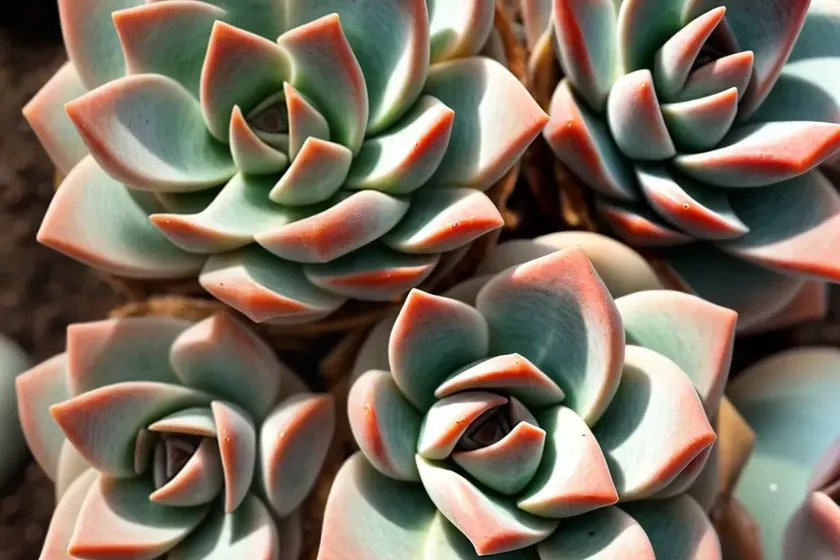
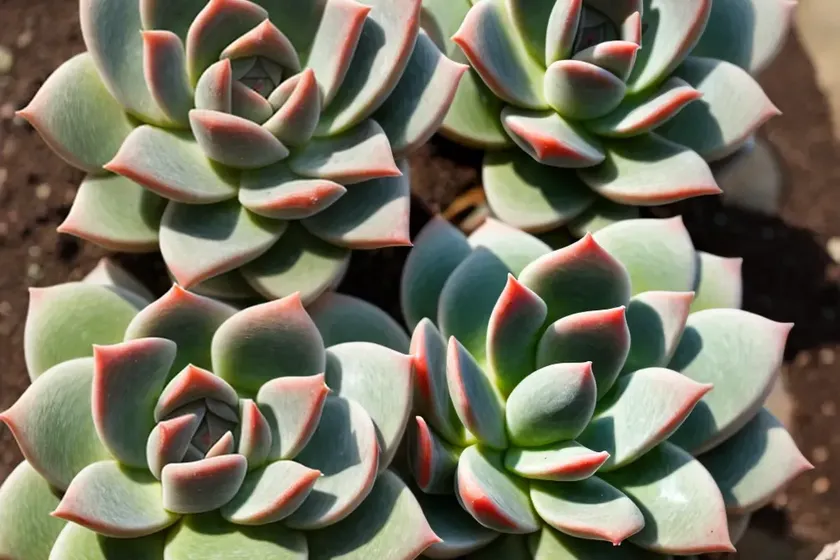
Echeveria Monroe, also known as Echeveria ‘Monroe’, is a stunning succulent that has gained popularity among plant enthusiasts worldwide. Its unique characteristics, low maintenance requirements, and beautiful appearance make it a must-have for indoor and outdoor gardens. In this comprehensive care guide, we will explore the various aspects of Echeveria Monroe, including its culture, uses, care requirements, common diseases and pests, propagation methods, and much more. Whether you’re a beginner looking to start your succulent collection or a seasoned plant enthusiast, this guide will provide you with essential insights into fostering a thriving Echeveria Monroe plant.
What is Echeveria Monroe?
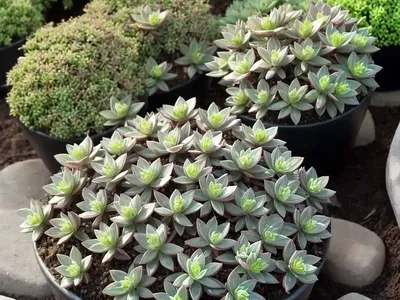
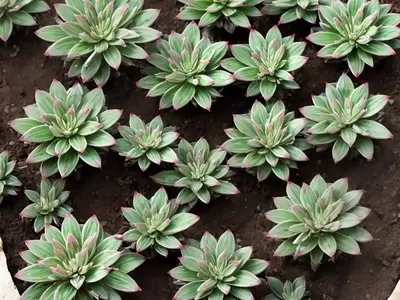
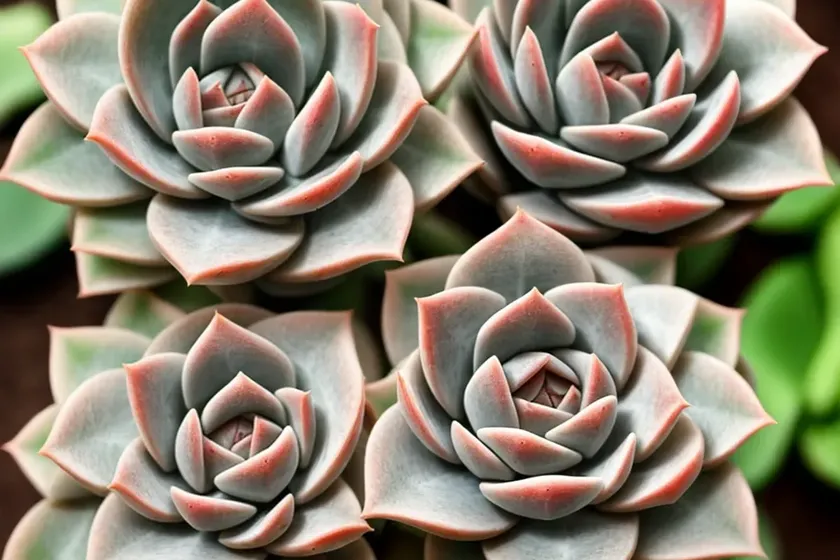
Echeveria ‘Monroe’, commonly known as Echeveria Monroe, is a hybrid succulent plant that belongs to the Crassulaceae family. This striking succulent is a result of crossing different Echeveria species to create a unique and appealing cultivar. Echeveria plants are native to the semi-desert regions of Central America and Mexico, where they have adapted to thrive in arid and rocky environments. Echeveria Monroe is characterized by its rosette-shaped growth pattern, fleshy leaves, and vibrant hues, making it a sought-after addition to gardens, terrariums, and indoor plant collections.
Let’s delve into the specific aspects of Echeveria Monroe care, from its culture and uses to its maintenance and propagation techniques.
Key Takeaways – Echeveria Monroe (Echeveria ‘Monroe’)
Before delving into the detailed care guide for Echeveria Monroe, let’s review the key takeaways for this captivating succulent:
- Echeveria Monroe is a hybrid succulent known for its rosette-shaped growth pattern and vibrant coloration.
- This succulent is prized for its low maintenance requirements and is well-suited for both indoor and outdoor settings.
- Echeveria Monroe thrives in well-draining soil, bright sunlight, and minimal water, making it an ideal choice for beginners and experienced gardeners alike.
- The plant is susceptible to certain diseases and pests, but with proper care and attention, these issues can be effectively managed.
- Echeveria Monroe is versatile and can be propagated through offsets, leaf cuttings, and seeds, allowing for an expansion of your succulent collection.
Now, let’s explore each aspect of Echeveria Monroe care in detail, covering its culture, uses, water requirements, sunlight preferences, soil considerations, pruning techniques, propagation methods, and more.
Culture
Understanding the cultural preferences of Echeveria Monroe is essential for providing an environment where this succulent can thrive. Here are the key cultural aspects to consider when caring for Echeveria Monroe:
-
Uses: Echeveria Monroe is widely utilized in various landscaping and gardening applications, including rock gardens, succulent arrangements, container gardens, and xeriscaping projects. Its striking appearance and low maintenance needs make it an ideal choice for adding visual interest to indoor and outdoor spaces.
-
Water: Echeveria Monroe is a succulent that is adapted to arid conditions, meaning it has low water requirements. When it comes to watering Echeveria Monroe, it’s crucial to allow the soil to dry out completely between waterings to prevent root rot. During the active growing season, typically spring and summer, water the plant thoroughly, allowing excess water to drain from the pot. In contrast, reduce watering in the fall and winter months to mimic its natural dormancy period.
-
Sunlight: Adequate sunlight is crucial for the healthy growth of Echeveria Monroe. This succulent thrives in bright, indirect light or partial to full sunlight. When grown indoors, place Echeveria Monroe near a south or west-facing window to ensure it receives the sunlight it needs. If grown outdoors, ensure that it is protected from intense midday sun, especially in hot climates, to prevent sunburn.
-
Fertilizer: Echeveria Monroe has minimal fertilizer needs, and over-fertilization can lead to issues such as leggy growth or leaf discoloration. Use a balanced, water-soluble fertilizer formulated for succulents and cacti at half-strength, applying it during the plant’s active growth period, typically from spring to early fall.
-
Soil: Well-draining soil is essential for the health of Echeveria Monroe. Choose a commercial succulent or cactus potting mix or create a custom mix using coarse sand, perlite, and regular potting soil. The goal is to ensure that excess water can freely drain away from the roots to prevent waterlogged conditions that can lead to root rot.
Understanding the cultural requirements of Echeveria Monroe sets the stage for providing an environment where this beautiful succulent can thrive. By tailoring its care to these specific needs, you can enjoy a healthy and vibrant Echeveria Monroe plant in your garden or living space.
Uses
Echeveria Monroe is a versatile succulent that finds multiple uses in both indoor and outdoor settings. Its unique characteristics and stunning appearance make it an ideal choice for various landscaping and gardening applications. Here are some common uses of Echeveria Monroe:
-
Rock Gardens: The low-growing and compact nature of Echeveria Monroe makes it an excellent choice for rock gardens. When planted amidst rocks and gravel, this succulent adds texture and color to the landscape, creating visually appealing displays.
-
Succulent Arrangements: Echeveria Monroe’s rosette-shaped growth pattern and vibrant coloration make it a popular choice for succulent arrangements and dish gardens. When combined with other succulents and cacti, it adds interest and focal points to indoor and outdoor displays.
-
Container Gardens: Echeveria Monroe thrives in containers and pots, making it an ideal candidate for container gardening. Whether displayed on patios, balconies, or windowsills, this succulent adds a touch of elegance to the area it occupies.
-
Xeriscaping Projects: Due to its drought tolerance and minimal water requirements, Echeveria Monroe is well-suited for xeriscaping projects, where low-maintenance and water-efficient landscaping are emphasized.
-
Indoor Decor: Echeveria Monroe serves as a beautiful and low-maintenance addition to indoor spaces. Its compact size and striking appearance make it an excellent choice for adorning desks, shelves, and windowsills.
Understanding the varied uses of Echeveria Monroe allows you to explore creative ways to incorporate this stunning succulent into your gardening and design projects, whether you’re a novice or experienced gardener.
Water
Proper watering is crucial for the health and vitality of Echeveria Monroe. As a succulent adapted to arid environments, this plant has specific water requirements that must be met to prevent issues such as rot and dehydration. Here’s a comprehensive look at watering guidance for Echeveria Monroe:
Watering Schedule
Establishing a consistent watering schedule is essential for the well-being of Echeveria Monroe. While the frequency of watering may vary depending on factors such as climate, season, and soil conditions, the following guidelines can help you determine an appropriate watering schedule:
-
Spring and Summer: During the active growing season, typically from spring through summer, water Echeveria Monroe thoroughly when the top inch of the soil has dried out. This may equate to watering every 7-10 days, but always check the soil moisture before watering to avoid overwatering.
-
Fall and Winter: As temperatures cool and daylight decreases, Echeveria Monroe enters a period of dormancy. Reduce watering during fall and winter, allowing the soil to dry out more between waterings. In most cases, watering every 2-3 weeks should be sufficient.
Watering Technique
When watering Echeveria Monroe, the goal is to provide sufficient moisture while ensuring that the soil is allowed to dry out between waterings. To achieve this, follow these watering techniques:
-
Thorough Watering: When it’s time to water, do so thoroughly, ensuring that water penetrates the entire root ball. Allow excess water to drain freely from the pot to prevent waterlogging.
-
Avoid Overhead Watering: To reduce the risk of moisture-related issues, such as rot and fungal diseases, water the soil directly at the base of the plant, avoiding wetting the leaves.
-
Check Soil Moisture: Before watering, check the moisture levels in the soil by inserting your finger into the top inch of the soil. If it feels dry, it’s time to water; if it’s still moist, postpone watering for a few more days.
By following a consistent watering schedule and employing proper watering techniques, you can maintain optimal soil moisture levels for your Echeveria Monroe, promoting healthy growth while minimizing the risk of water-related problems.
Sunlight
As a sun-loving succulent, Echeveria Monroe requires adequate sunlight to thrive and display its vibrant coloration. Understanding its sunlight preferences is crucial for providing an environment where it can reach its full potential. Here’s an overview of Echeveria Monroe’s sunlight requirements:
Sunlight Exposure
Echeveria Monroe thrives in bright, indirect light or partial to full sunlight. When grown indoors, it should be placed near a south or west-facing window to ensure it receives the light it needs. If grown outdoors, it’s essential to provide a balance of sunlight and shade, especially in hot climates, to prevent potential sunburn.
Sunlight Duration
Ideally, Echeveria Monroe should receive 4-6 hours of sunlight per day, although this can vary based on the intensity of the light and environmental factors. In regions with particularly intense sunlight, partial shade during the peak hours of the day may be necessary to protect the plant from sunburn and heat stress.
Light Intensity
While Echeveria Monroe appreciates bright light, it’s important to avoid exposing it to intense, direct sunlight for prolonged periods, especially during the hottest part of the day. Scorching rays can lead to leaf sunburn and damage, affecting the overall health and appearance of the plant.
By providing the right balance of light exposure, intensity, and duration, you can ensure that your Echeveria Monroe receives the sunlight it needs to thrive, resulting in vibrant, healthy growth and striking coloration.
Fertilizer
Proper fertilization can support the growth and well-being of Echeveria Monroe, but it’s essential to exercise caution and avoid over-fertilization, as this can lead to adverse effects. Understanding the specific fertilizer needs and application methods for this succulent is crucial for maintaining its health and vibrancy. Here are key considerations for fertilizing Echeveria Monroe:
Fertilizer Type
Echeveria Monroe benefits from a balanced, water-soluble fertilizer formulated for succulents and cacti. This type of fertilizer delivers essential nutrients while minimizing the risk of over-fertilization, provided it’s used according to the appropriate guidelines.
Fertilizer Strength
When fertilizing Echeveria Monroe, it’s crucial to dilute the fertilizer to half-strength to prevent the risk of burning the plant or causing nutrient imbalances. By using a diluted concentration, you can ensure that the plant receives the necessary nutrients without overwhelming its system.
Application Frequency
Fertilize Echeveria Monroe during its active period of growth, typically from spring to early fall. Apply the diluted fertilizer once a month to provide the plant with a gentle, consistent source of nutrients. Remember to withhold fertilizer during the fall and winter months when the plant enters a period of dormancy.
Application Method
To apply the diluted fertilizer, water the plant as usual, then apply the fertilizer solution to the damp soil around the base of the plant. This allows the nutrients to seep into the soil and reach the roots, where they can be absorbed by the plant over time.
By following these guidelines for fertilizing Echeveria Monroe, you can support its growth and vitality without risking the negative consequences associated with over-fertilization. A restrained and targeted approach to fertilization contributes to the overall health and beauty of this stunning succulent.
Soil
The type of soil used for Echeveria Monroe significantly impacts its overall health and growth. This succulent requires a well-draining soil mix that promotes root aeration and prevents excess moisture from accumulating around the roots. Understanding the ideal soil composition for Echeveria Monroe is paramount for ensuring its long-term well-being. Here are the key considerations for selecting and preparing the appropriate soil for this succulent:
Soil Characteristics
Echeveria Monroe thrives in soil that is porous, well-draining, and provides aeration to the roots. A suitable succulent or cactus potting mix can provide the necessary drainage and aeration, creating an environment where the plant’s roots can access oxygen while avoiding waterlogged conditions.
Soil Components
When creating a custom soil mix for Echeveria Monroe, consider incorporating coarse sand, perlite, and regular potting soil in equal parts. This combination strikes a balance between drainage, aeration, and moisture retention, creating an optimal growing medium for the succulent.
Soil pH
Echeveria Monroe prefers a slightly acidic to neutral pH range, typically between 6.0 and 7.0. Testing the pH of the soil can help you determine if it falls within this favorable range, ensuring that the plant can efficiently absorb essential nutrients from the soil.
Container Selection
In addition to the soil mix, choosing the right container for Echeveria Monroe is critical. Select a container with drainage holes to facilitate excess water drainage and prevent water from accumulating at the bottom of the pot, which can lead to root rot.
By selecting or creating a well-draining soil mix and providing suitable containers, you can create an environment that supports the healthy development of Echeveria Monroe, providing the foundation for strong roots and robust growth.
Pruning
Pruning Echeveria Monroe is an important aspect of its care, as it can promote compact growth, remove dead or damaged foliage, and enhance the overall appearance of the plant. Knowing when and how to prune this succulent can help you maintain its health and form. Here’s a guide to pruning Echeveria Monroe:
Removal of Dead Leaves
Periodically remove any dead or dried leaves from the base of the plant. Gently pull them away from the stem to reveal the healthy tissue underneath. This practice prevents the accumulation of decaying material, reducing the risk of mold, pests, and disease.
Flower Stalk Pruning
After the flowering period, if the plant develops elongated or spent flower stalks, you can prune them back to the base using clean, sharp scissors or pruning shears. This not only improves the plant’s appearance but also conserves its energy for new growth rather than seed production.
Shaping and Maintenance
If your Echeveria Monroe starts to stretch or become leggy due to insufficient light, you can prune it back to encourage compact growth. Cut back the elongated stems to promote bushier, more compact growth and provide the plant with the adequate light it needs to thrive.
Pruning Considerations
When pruning Echeveria Monroe, make sure to use sanitized cutting tools to minimize the risk of introducing pathogens to the plant. After pruning, monitor the plant for signs of stress and provide it with appropriate care to aid in its recovery and new growth.
By incorporating regular pruning into your Echeveria Monroe care routine, you can help maintain its health, eliminate unsightly foliage, and encourage a tidy, compact growth habit, resulting in an aesthetically pleasing and well-maintained plant.
Propagation
The ability to propagate Echeveria Monroe allows you to expand your succulent collection, share plants with friends and family, and preserve the genetics of specific cultivars. Understanding the various propagation methods for this succulent enables you to propagate it successfully. Here are the primary propagation techniques for Echeveria Monroe:
Propagation by Offsets
Echeveria Monroe produces offsets, or “pups,” around the base of the mother plant. These offsets can be carefully removed and propagated into new individual plants. To propagate by offsets, follow these steps:
-
Select a healthy offset with its own root system and remove it by gently twisting it or cutting it away from the mother plant using clean, sharp scissors or a knife.
-
Allow the cut surface to dry and callus for a day or two to prevent potential rot.
-
Plant the offset in a well-draining succulent/cactus mix, ensuring that the soil is lightly moist but not overly wet. Over time, the offset will establish roots and develop into a mature plant.
Propagation by Leaf Cuttings
Leaf cuttings are another effective way to propagate Echeveria Monroe, especially when offsets are not readily available. Here’s a guide to propagating by leaf cuttings:
-
Select a healthy, mature leaf from the mother plant and remove it cleanly from the stem, ensuring that the cut is made at the base of the leaf without causing damage.
-
Allow the leaf cutting to air dry and callus for a few days before placing it on top of a tray or pot filled with well-draining succulent/cactus mix.
-
Water the propagating medium sparingly to keep it lightly moist, and within a few weeks, new plantlets will emerge from the cut end of the leaf.
Seed Propagation
For those seeking to propagate Echeveria Monroe from seeds, this technique offers the potential to create a diverse array of plants. However, seed propagation requires patience and dedication to see the process through from germination to mature plant development.
By mastering these propagation techniques, you can successfully expand your collection of Echeveria Monroe plants, allowing you to enjoy more of these captivating succulents while sharing their beauty and benefits with others.
Container Popularity
Echeveria Monroe’s popularity in container gardening can be attributed to its compact size, stunning appearance, and low maintenance requirements, making it an ideal choice for various container applications. From pots and planters to terrariums and dish gardens, this versatile succulent can thrive in a wide range of containers, whether indoors or outdoors. Let’s explore some popular container options for Echeveria Monroe:
Terracotta Pots
Terracotta pots are classic and versatile containers that complement the natural beauty of Echeveria Monroe. The porous nature of terracotta allows for good air circulation around the roots while absorbing excess moisture, promoting a balanced environment for the plant.
Ceramic Planters
Ceramic planters come in a variety of colors, shapes, and designs, allowing for creative and decorative displays of Echeveria Monroe. Choose ceramic containers with drainage holes to ensure proper water management and prevent waterlogging.
Hanging Baskets
Echeveria Monroe can be showcased in hanging baskets, creating eye-catching displays when suspended from pergolas, eaves, or tree branches. Ensure that the hanging baskets have adequate drainage to prevent water from accumulating at the bottom.
Succulent Arrangements
Incorporate Echeveria Monroe into succulent arrangements and dish gardens, where it can be grouped with other compatible succulents to create visually appealing and low-maintenance displays for tabletops and shelves.
Choosing the right container for Echeveria Monroe is crucial for its well-being, allowing it to flourish and thrive within the confines of its selected growing space. By considering the popular container options discussed above, you can create a captivating showcase for this stunning succulent.
Common Diseases
While Echeveria Monroe is generally resilient, it is susceptible to certain diseases that can affect its