Passion Fruit (Passiflora Edulis)
Passion fruit, scientifically known as Passiflora edulis, is a fascinating and flavorful fruit that has been captivating not only taste buds but also the.
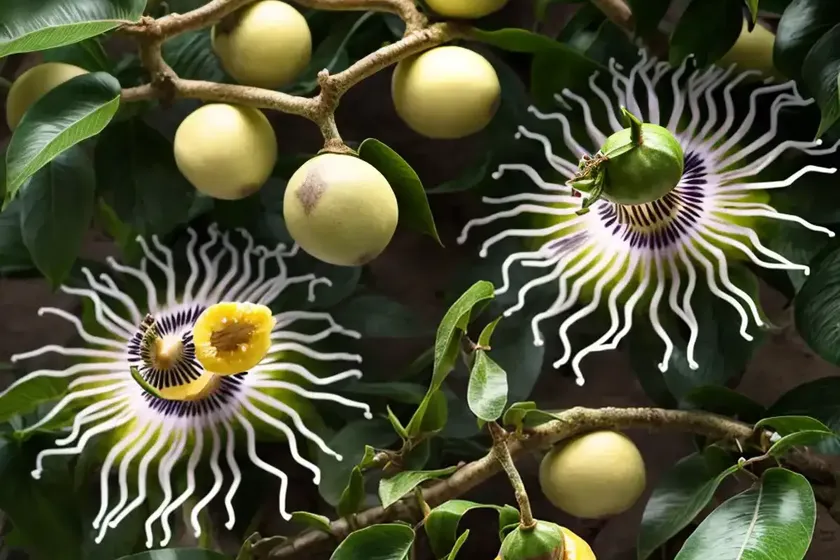
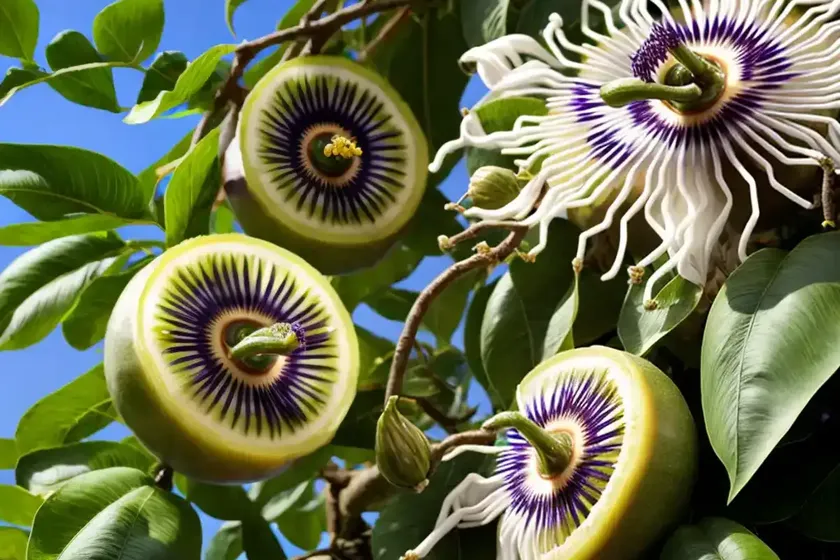
Passion fruit, scientifically known as Passiflora edulis, is a fascinating and flavorful fruit that has been captivating not only taste buds but also the interest of plant enthusiasts and botanists for centuries. This climbing vine native to South America is cherished for its exotic aroma and delicious taste, and it has also garnered attention for its ornamental beauty and various cultural and medicinal uses. In this comprehensive guide, we will delve into the captivating world of passion fruit, covering everything from its cultural significance and uses to its cultivation, care, and propagation. So, whether you are an avid gardener or simply someone with an interest in horticulture, this guide is your all-inclusive source of information on passion fruit.
What is Passion Fruit (Passiflora edulis)?
Passion fruit, scientifically known as Passiflora edulis, is a tropical and subtropical fruit-bearing vine belonging to the Passifloraceae family. The plant is native to South America, where it grows in warm, humid climates and is prized for its pulpy, aromatic fruits. The fruit is typically round or oval, with a tough outer rind that can be either purple or yellow when ripe. The interior of the fruit contains a jelly-like pulp filled with numerous edible seeds, which gives it a unique and delightful flavor.
Key Takeaways – Passion Fruit (Passiflora edulis)
Before delving into the specifics of cultivating and caring for passion fruit, let’s explore some key takeaways about this captivating plant.
- Cultural Significance: Passion fruit holds cultural significance in many parts of the world, where it is not only cherished for its flavor but also for its ornamental beauty and symbolic representation.
- Nutritional Benefits: The fruit is rich in essential nutrients and is renowned for its various health benefits, making it a valuable addition to a balanced diet.
- Climatic Requirements: Passion fruit thrives in warm, humid climates and requires specific conditions for optimal growth and fruit production.
- Medicinal Uses: Beyond its culinary uses, passion fruit has been traditionally used for its medicinal properties and is valued for its potential health benefits.
Now that we have a brief overview of passion fruit, let’s dive deeper into its cultivation, cultural uses, and the essential care it requires to flourish.
Culture
Uses
The uses of passion fruit extend beyond its culinary applications. The versatile plant is valued for various purposes, including:
- Culinary Delight: The juicy and aromatic pulp of passion fruit is used in a wide array of culinary creations, including desserts, beverages, and savory dishes. Its distinct flavor enhances both sweet and savory recipes, making it a popular ingredient in the culinary world.
- Ornamental Beauty: The vibrant flowers and unique fruits of passion fruit make it a prized ornamental plant, adorning gardens and landscapes with its exotic allure.
- Medicinal Properties: Passion fruit is also known for its potential medicinal properties, with applications in traditional medicine and modern herbal remedies.
Water
Passion fruit plants have moderate water requirements, especially during their active growth and fruiting periods. Adequate watering is essential for ensuring healthy growth and fruit development. However, it’s important to avoid waterlogged conditions, as the plant is susceptible to root rot in overly moist soil.
Sunlight
Passion fruit thrives in full sun, requiring at least 6-8 hours of direct sunlight each day for optimal growth and fruit production. Adequate sunlight is crucial for the development of flowers and fruits, and it also contributes to the plant’s overall vigor and resilience.
Fertilizer
Proper fertilization is essential for supporting the vigorous growth and prolific fruiting of passion fruit vines. A balanced fertilizer with a higher proportion of potassium is beneficial for promoting flowering and fruit set. Additionally, organic fertilizers such as compost and aged manure can enrich the soil and supply essential nutrients to the plants.
Soil
Passion fruit plants prefer well-draining, fertile soil with a slightly acidic to neutral pH. Sandy loam or loamy soil types are well-suited for passion fruit cultivation, as they provide good aeration and drainage, which are crucial for the plant’s root health.
Pruning
Pruning is an important aspect of passion fruit vine care, as it helps maintain the plant’s vigor, shape, and productivity. Regular pruning helps remove old and diseased growth, promotes air circulation within the canopy, and facilitates the development of new fruiting wood.
Propagation
Passion fruit can be propagated through various methods, including seed propagation, cutting propagation, and grafting. Each method has its advantages and considerations, and the choice of propagation method depends on factors such as the availability of plant material and the desired characteristics of the resulting plants.
Container Popularity
Passion fruit can also be grown in containers, making it a versatile choice for urban and space-limited gardens. Container-grown passion fruit plants require adequate support and may need more frequent watering and fertilization compared to plants grown in the ground.
Common Diseases
Passion fruit plants are susceptible to several diseases, including fungal infections, viral diseases, and bacterial afflictions. It’s important to monitor the plants for any signs of disease and promptly address any issues to prevent the spread of infections.
Disease Diagnosis
Accurate diagnosis of passion fruit diseases is crucial for implementing effective management strategies. Common symptoms of diseases may include leaf spots, wilting, discoloration, and abnormal growth patterns, which can provide valuable clues for identifying the underlying issues.
Common Pests
Passion fruit plants can be targeted by various pests, including nematodes, aphids, mites, and fruit flies. Regular monitoring and prompt intervention are essential for managing pest infestations and protecting the plants from damage.
Botanist’s Tips
To ensure the successful cultivation of passion fruit, consider the following botanist’s tips:
- Provide adequate support for the climbing vines, ensuring they have a sturdy structure to climb and sprawl.
- Monitor the plants closely for signs of stress, disease, or pest infestations, and take immediate action to address any issues.
- Prune the plants regularly to maintain their shape and encourage the development of new fruiting wood.
Fun Facts
Here are some fascinating and fun facts about passion fruit:
- The term “passion fruit” is derived from the passion flower’s flower, which is said to symbolize the passion of Christ.
- Passion fruit is rich in antioxidants, vitamins, and minerals, making it a nutritious addition to your diet.
- Some passion fruit varieties are self-pollinating, while others require cross-pollination to set fruit.
Links to External Resources
For further information on passion fruit cultivation, uses, and health benefits, consider exploring the following external resources:
- Passionfruit Benefits and Uses
- Passionfruit Varieties and Cultivation
- Passiflora edulis: A Comprehensive Overview
- Passionfruit Health Benefits and Nutritional Value
- Passionfruit Plant Care and Growing Guide
- Passionfruit Medicinal Properties
In conclusion, passion fruit, with its alluring fragrance, delightful flavor, and diverse uses, continues to captivate the hearts of gardeners, chefs, and health enthusiasts around the world. Whether you are considering cultivating your own passion fruit vine or simply want to explore the cultural and culinary significance of this tropical fruit, this comprehensive guide equips you with the knowledge and insights to appreciate, care for, and enjoy the wonders of Passiflora edulis.


