Secrets of Haller’s Pasque Flower (Pulsatilla halleri): A Complete Guide
The world of plants has always fascinated us with its diversity, unique characteristics, and ecological relevance. Among the myriad plant species, Haller’s pasque flower (Pulsatilla halleri) stands out as one of the most captivating choices for a garden enthusiast. In this extensive guide, we will delve into the intriguing details of Haller’s pasque flower, uncovering its cultural significance, care requirements, ecological interactions, and so much more. So, buckle up and join me in unraveling the secrets of this exquisite botanical wonder.
What is Plant: Haller’s Pasque Flower (Pulsatilla halleri)?
Haller’s pasque flower, scientifically known as Pulsatilla halleri, is a perennial herbaceous plant that belongs to the family Ranunculaceae. This enchanting species is native to the mountainous regions of Central and Southern Europe, including the Alps, Carpathians, and Balkans. It thrives in rocky, limestone substrates and can withstand harsh alpine climates, making it a symbol of tenacity and beauty.
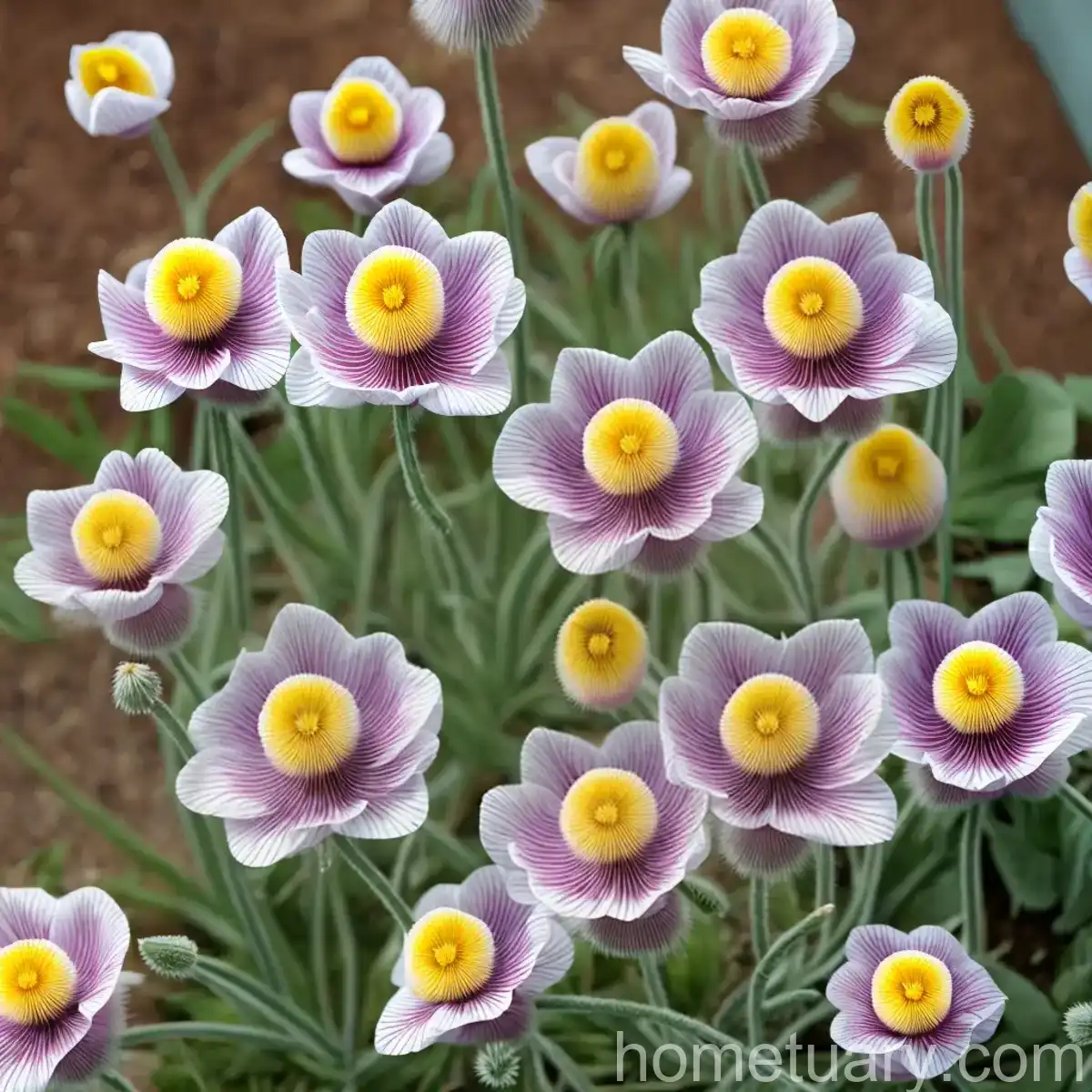
The plant derives its name from Albrecht von Haller, an eminent 18th-century Swiss naturalist, reflecting its historical and scientific significance. Haller’s pasque flower is renowned for its abundance of fine, silky hairs that cover its stems, leaves, and blossoms, imparting a soft, ethereal appearance. Its solitary, bell-shaped flowers, which range in color from soft purple to deep violet, emerge in early spring and enthrall with their delicate charm.
Key Takeaways – Haller’s Pasque Flower (Pulsatilla halleri)
Before we commence our deep dive into the captivating world of Haller’s pasque flower, let’s take a quick look at the key takeaways that will guide our exploration:
- Botanical Name: Pulsatilla halleri
- Family: Ranunculaceae
- Native Habitat: Central and Southern Europe, Alpine regions
- Common Names: Haller’s Pasque Flower, Haller’s Anemone
- Characteristic Features: Silky-hairy foliage, bell-shaped purple flowers
- Cultural Significance: Symbol of tenacity and beauty
- Growing Season: Early spring
- Ecosystem Role: Interactions with pollinators and wildlife
- Cultivation Aspects: Soil, water, sunlight, and fertilizer requirements
- Medicinal and Folklore Uses: Ethnobotanical significance
- Challenges: Common diseases, pests, and conservation status
- Gardening Delights: Landscaping, container gardening, and propagation techniques
Now that we have an overview of what lies ahead, let’s embark on an enriching journey to uncover the captivating world of Haller’s pasque flower.
Culture
The culture of a plant encompasses its historical and contemporary significance, including its traditional uses, symbolic meanings, and folklore.
Symbolic Meaning
Haller’s pasque flower carries profound symbolic value, signifying a blend of resilience, elegance, and the arrival of spring. In various cultures, the emergence of its exquisite blooms is celebrated as a poignant testament to nature’s ability to endure harsh conditions and thrive in adversity. The soft, downy appearance of the blossoms further accentuates their symbolism of delicate beauty and strength, making them a beloved emblem of tenacity and hope.
Medicinal and Folklore Uses
In traditional medicine and folklore, Haller’s pasque flower has been revered for its diverse medicinal properties. The plant’s roots and leaves have been used to prepare herbal remedies with purported benefits for alleviating respiratory ailments, soothing skin irritations, and promoting overall well-being. Its presence in ethnobotanical practices underscores its cultural significance and enduring relevance in traditional healing methods.
Uses
Understanding the practical uses of a plant is pivotal in comprehending its relevance in various spheres, including horticulture, landscaping, and ecological restoration.
Horticultural Significance
Haller’s pasque flower holds immense horticultural appeal owing to its exquisite blossoms, resilient nature, and suitability for alpine and rock gardens. The plant’s captivating appearance and adaptability make it a favored choice for ornamental cultivation, adding a touch of elegance and natural charm to diverse garden settings. Its capacity to thrive in rocky, well-drained substrates further enhances its value as a landscape feature, especially in regions with challenging soil conditions.
Ecological Interactions
In its native habitats, Haller’s pasque flower plays a vital role in supporting local ecosystems by serving as a nectar source for pollinating insects, including bees and butterflies. The plant’s interactions with pollinators contribute to the ecological diversity of alpine regions, underscoring its significance in sustaining local wildlife populations. Furthermore, its ability to withstand harsh climates and colonize rocky terrains enhances the stability and biodiversity of alpine plant communities.
Care Tips
Caring for Haller’s pasque flower involves a nuanced understanding of its specific requirements in terms of water, sunlight, soil, fertilizer, pruning, and propagation.
Water
Haller’s pasque flower thrives in well-drained, moderately moist soils and exhibits good drought tolerance once established. During the growing season, it benefits from regular watering to support healthy growth and prolific blooming. However, it is crucial to avoid waterlogging, as excessive moisture can predispose the plant to root rot and other moisture-related issues. In regions with hot, dry summers, supplemental watering may be necessary to ensure the plant’s vitality and vigor.
Sunlight
This species favors bright, direct sunlight and flourishes in open, sunny locations with ample exposure to natural light. Adequate sunlight is essential for promoting robust flowering and maintaining the plant’s compact, attractive form. In regions with intense summer heat, providing partial shading during the hottest part of the day can protect the plant from excessive heat stress and sunburn, thereby safeguarding its overall health and ornamental appeal.
Fertilizer
Haller’s pasque flower generally thrives in lean, infertile soils and seldom requires aggressive fertilization. Excessive soil fertility can disrupt the plant’s natural balance and lead to excessive vegetative growth at the expense of floral abundance. If fertilization is deemed necessary, a mild, balanced fertilizer with a low nitrogen content can be applied sparingly in early spring, prior to the onset of active growth. However, it is crucial to exercise restraint and avoid over-fertilizing, as this can compromise the plant’s natural resilience and longevity.
Soil
The ideal soil for Haller’s pasque flower is well-drained, alkaline to slightly acidic, and rich in mineral content. It thrives in rocky, calcareous substrates with good aeration and drainage, reflecting its natural habitat in alpine regions. Implementing amendments such as coarse sand, perlite, or gravel can improve soil structure and facilitate better drainage, ensuring that the plant’s root system remains healthy and free from excessive moisture. Additionally, maintaining a neutral to slightly alkaline pH range of 6.5 to 7.5 is crucial for optimizing the plant’s nutrient uptake and physiological processes.
Pruning
Pruning requirements for Haller’s pasque flower are minimal, primarily involving the removal of faded flowers and yellowing foliage to maintain a tidy and attractive appearance. As the plant enters dormancy in late summer or early autumn, it is advisable to trim back any withered or spent stems to encourage the formation of new growth in the following season. Pruning activities should be undertaken with care to avoid damaging the delicate shoots and emerging buds, preserving the plant’s natural grace and vitality.
Propagation
Haller’s pasque flower can be propagated through various methods, including seed sowing, division of mature clumps, and root cuttings. Seed propagation is particularly popular and allows for the genetic diversity of the species to be preserved, resulting in unique variations in flower color and form. Dividing established clumps in early spring or autumn is another effective means of propagation, enabling the rapid establishment of new plantings and rejuvenation of mature specimens. Root cuttings taken in late winter or early spring can also yield viable propagules, fostering the expansion of Haller’s pasque flower in diverse garden settings.
Container
Cultivating Haller’s pasque flower in containers offers a delightful opportunity to showcase its intrinsic beauty and create charming focal points in outdoor spaces.
Popularity in Container Gardening
Haller’s pasque flower is increasingly gaining popularity as a choice for container gardening, charming enthusiasts with its exquisite foliage and captivating blossoms. Its adaptability to container cultivation enables gardeners to create captivating displays on balconies, patios, and terraces, infusing these spaces with a touch of natural grace and seasonal color. The plant’s low-maintenance nature and compact growth habit make it an ideal candidate for container gardening, providing a vibrant and enduring presence in diverse outdoor settings.
Common Diseases
While Haller’s pasque flower is generally resilient, it can be susceptible to certain diseases and pest infestations that necessitate proactive management and care.
Disease Diagnosis
Common diseases that may affect Haller’s pasque flower include fungal infections such as powdery mildew, botrytis blight, and root rot. Symptoms of these diseases may manifest as powdery white patches on the foliage, gray mold on flowers, and wilting or discoloration of the root system. Timely diagnosis and intervention are crucial in mitigating the impact of these diseases and preserving the plant’s health. Implementing proper sanitation practices, providing optimal air circulation, and avoiding overwatering can significantly reduce the risk of disease development and bolster the plant’s natural defenses.
Common Pests
Pests that may pose a threat to Haller’s pasque flower include aphids, caterpillars, and slugs, among others. These pests can cause physical damage to the foliage, restrict the plant’s growth, and diminish its ornamental value if left unchecked. Employing integrated pest management strategies, such as manual removal of pests, application of botanical insecticides, and the introduction of beneficial insect predators, can effectively control pest populations and safeguard the plant from undue harm. Regular monitoring and prompt action are essential in preserving the plant’s vitality and preventing pest-related disruptions.
Botanist’s Tips
As a plant scientist deeply invested in the wonder of botanical diversity, I am thrilled to share some insightful tips that will enhance your experience with Haller’s pasque flower and enrich your understanding of its captivating attributes.
Fun Facts
- Haller’s pasque flower belongs to the same botanical genus as the renowned European pasque flower, Pulsatilla vulgaris, and shares many of its distinctive traits and cultural associations.
- The plant’s specific epithet, “halleri,” pays homage to Albrecht von Haller, a revered figure in the history of botany and natural sciences, underscoring the plant’s enduring legacy and importance in scientific discourse.
- In its native alpine habitats, Haller’s pasque flower forms vibrant carpets of blossoms that herald the arrival of spring, painting the rugged landscapes with a tapestry of celestial hues.
- The silky hairs that adorn the plant’s foliage and flowers serve as a striking adaptation, providing insulation, protection from excessive sunlight, and enhancing the plant’s overall visual appeal.
Links to External Resources
As we continue our exploration of Haller’s pasque flower, I encourage you to delve into some valuable external resources that will deepen your knowledge and appreciation for this remarkable botanical gem:
- Royal Horticultural Society – Pulsatilla halleri
- Missouri Botanical Garden – Pulsatilla halleri
- Alpine Garden Society – Pulsatilla halleri
In the realm of plant science, the pursuit of knowledge and discovery is a never-ending journey, offering endless opportunities to marvel at the intricacies of the natural world. As we conclude our comprehensive guide to Haller’s pasque flower, I hope that the insights and wisdom shared here will inspire you to cultivate a deeper connection with this extraordinary botanical treasure and embark on your own explorations of the fascinating plant kingdom. Remember, every plant holds within it a story waiting to be unraveled, and Haller’s pasque flower is no exception. With its enchanting blossoms, resilient nature, and cultural significance, this captivating species invites us to embrace the wonder of the natural world and cherish the timeless allure of botanical marvels.
As you immerse yourself in the majesty of Haller’s pasque flower, may you find joy, inspiration, and a renewed sense of wonder in the exquisite tapestry of the plant kingdom.
Happy gardening and botanical adventures!