Paphiopedilum Maudiae Gx (Venus Slipper Orchid)
The Venus Slipper Orchid, scientifically known as Paphiopedilum Maudiae gx, belongs to the orchid family (Orchidaceae) and is a popular ornamental plant.
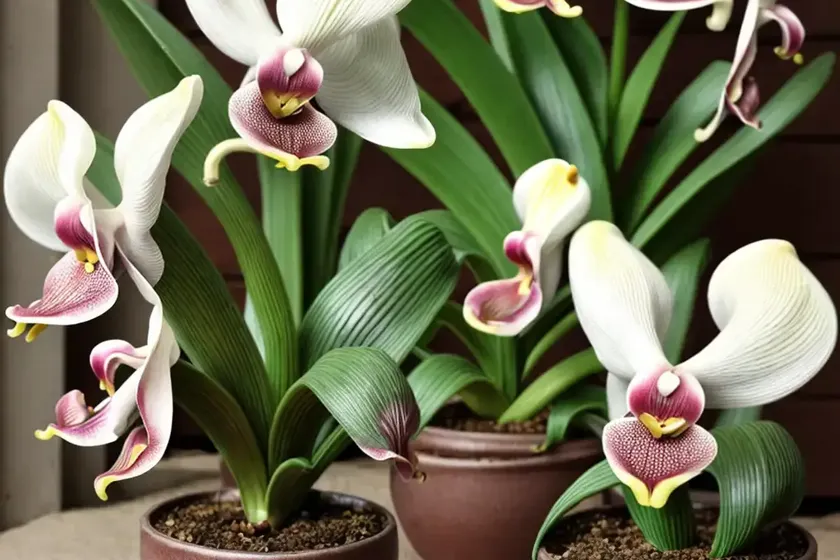
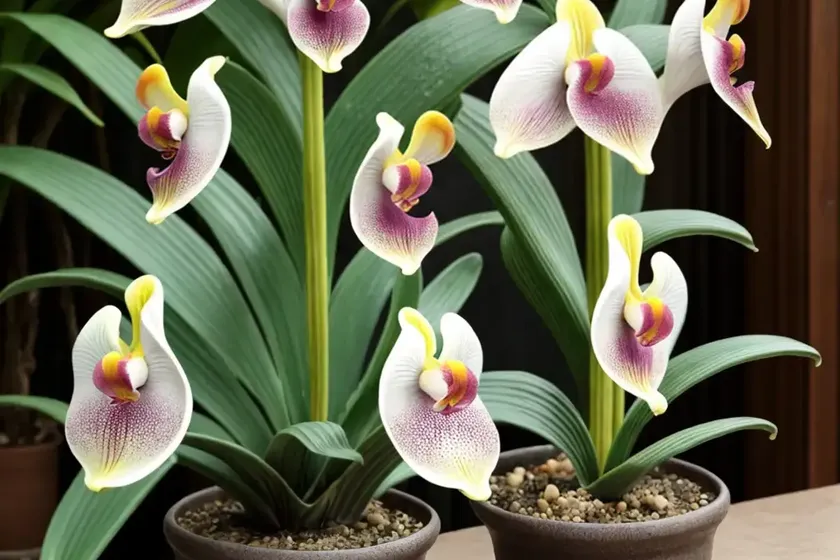
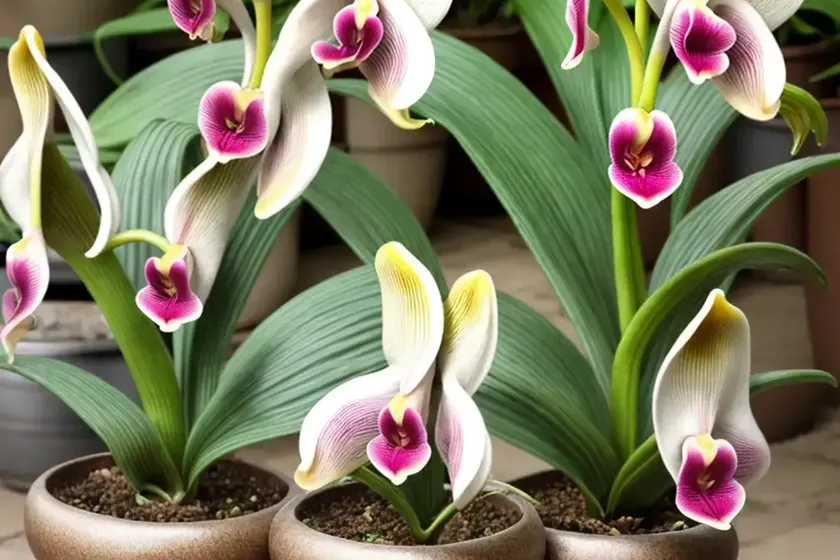
The Venus Slipper Orchid, scientifically known as Paphiopedilum Maudiae gx, belongs to the orchid family (Orchidaceae) and is a popular ornamental plant valued for its unique appearance and relatively easy care requirements. This striking plant is characterized by its distinct slipper-shaped pouch, which gives it the common name “slipper orchid.”
Key Takeaways – Paphiopedilum Maudiae gx (Venus Slipper Orchid)
Before delving into the specifics of caring for the Venus Slipper Orchid, let’s take a look at some key takeaways:
-
Venus Slipper Orchid care: This species requires attentive care to thrive and bloom.
-
How to grow Paphiopedilum Maudiae gx: Understanding the optimal conditions for growth is essential for successful cultivation.
-
Venus Slipper Orchid varieties: The Paphiopedilum Maudiae gx comes in various varieties, each with its own unique characteristics.
-
Orchid pests and treatments: Like many plants, the Venus Slipper Orchid is susceptible to pests, and effective treatment methods are crucial for its health.
-
Paphiopedilum Maudiae gx propagation: Learning about propagation techniques is important for expanding your collection of these beautiful orchids.
-
Orchid plant dormancy period: Understanding the dormancy period of the plant is essential for providing the right conditions for its growth cycle.
Now, let’s explore each of these aspects in detail to gain a comprehensive understanding of the Venus Slipper Orchid and its care requirements.
Culture
The Venus Slipper Orchid is native to Southeast Asia, including regions like India, China, and Vietnam, where it thrives in warm, humid, and shaded environments. Understanding the natural habitat of this orchid is crucial for recreating optimal growing conditions in cultivation.
Uses
This orchid is primarily grown for its aesthetic value, and its striking flowers are often used in floral arrangements and as a centerpiece in indoor gardens and greenhouse displays.
Water
Watering
Paphiopedilum Maudiae gx has specific watering needs that are essential for its well-being. These orchids generally prefer a consistent level of moisture, but they do not tolerate overwatering.
-
Watering Frequency: It’s important to water the Venus Slipper Orchid regularly, typically once a week, while ensuring that the potting medium does not become waterlogged.
-
Water Quality: Using quality water, such as rainwater or filtered water, can help prevent the accumulation of harmful salts in the growing medium.
Drainage
Proper drainage is essential to prevent waterlogged conditions, as excessive moisture can lead to root rot and other issues.
Sunlight
Light Requirements
In their natural habitat, Venus Slipper Orchids grow under the canopy of trees, receiving filtered or dappled sunlight. Understanding their light requirements is crucial for providing the right growing conditions.
-
Indoor Lighting: When grown indoors, these orchids thrive in bright, indirect light. East or west-facing windows are ideal for providing the necessary light levels without exposing the plant to direct sun.
-
Outdoor Cultivation: For outdoor cultivation, placing the orchid in a shaded or semi-shaded area is recommended to mimic its natural habitat.
Fertilizer
Fertilizing Frequency
Proper fertilization is crucial for the healthy growth and flowering of Paphiopedilum Maudiae gx orchids. Using a balanced fertilizer formulated for orchids can provide essential nutrients for their development.
-
Frequency: Fertilize the plants every 2-4 weeks during the active growing season, typically from spring to early fall. It’s important to flush the growing medium with water regularly to prevent salt buildup from fertilizers.
-
Nutrient Balance: Look for a balanced orchid fertilizer with a formulation such as 20-20-20 or 20-10-20, which provides essential macronutrients for healthy growth.
Soil
Potting Medium
Choosing the right potting medium is essential for providing adequate support and moisture retention for Paphiopedilum Maudiae gx.
- Orchid Mix: Use a well-draining orchid mix that consists of ingredients like bark, perlite, and sphagnum moss. This type of medium mimics the orchid’s natural epiphytic growing conditions.
Pruning
Flower Spike Maintenance
Pruning techniques for Venus Slipper Orchids primarily involve the management of spent flower spikes to promote a tidy and healthy appearance.
- Cutting Spent Blooms: Once the flowers have wilted and dried, carefully trim the flower spikes near the base of the plant to encourage new growth and blooming.
Propagation
Division Methods
Propagation through division is a common practice for cultivating new Venus Slipper Orchids from established plants.
-
Division Process: When repotting the orchid, carefully divide the plant by separating healthy pseudobulbs or growth points to create new individual plants.
-
Potting New Divisions: Plant the new divisions in appropriately sized pots with fresh orchid mix, ensuring they have adequate space to grow and develop.
Container
Pot Size
Selecting the right pot size is crucial for providing ample space for the orchid’s root system to grow and thrive.
-
Potting Recommendations: Choose a pot that accommodates the plant’s current root system, allowing for a few years of growth before needing repotting.
-
Pots with Drainage Holes: Always use pots with drainage holes to prevent waterlogging and promote good aeration in the growing medium.
Popularity
The Venus Slipper Orchid has gained popularity among orchid enthusiasts and collectors due to its captivating blooms and relatively manageable care requirements. Its unique appearance and the variety of color forms available contribute to its desirability as a decorative plant.
Common Diseases
Disease Diagnosis
Like all plants, the Venus Slipper Orchid is susceptible to certain diseases that can impact its overall health and vigor.
-
Fungal Infections: Common issues include root rot and crown rot, which are often caused by overwatering or poor drainage.
-
Bacterial Diseases: Bacterial infections can cause dark, water-soaked spots on leaves and pseudobulbs, leading to tissue decay.
Common Pests
Pest Control Measures
Pests can pose a threat to the health of Venus Slipper Orchids, and early detection and intervention are crucial for effective pest control.
-
Spider Mites: These tiny pests can infest the undersides of leaves, causing stippling and webbing. Regular inspection and using insecticidal soap can help manage these pests.
-
Mealybugs: Mealybug infestations can lead to distorted growth and the presence of sticky honeydew. Targeted application of horticultural oil can help control the population.
Botanist’s Tips
Cultivation Recommendations
Botanists and experienced orchid enthusiasts often provide insightful tips for successful cultivation of Paphiopedilum Maudiae gx.
-
Adequate Air Circulation: Ensuring proper airflow around the plants can help prevent fungal and bacterial issues, especially in humid environments.
-
Maintain Consistent Moisture: Strive to keep the growing medium consistently moist, but not waterlogged, to support healthy root development and prevent stress.
Fun Facts
Interesting Tidbits
-
The slipper-shaped pouch of the Venus Slipper Orchid serves as a trap for pollinating insects, enhancing the plant’s reproductive success.
-
Some variations of Paphiopedilum Maudiae gx feature unique patterns and colorations, making them highly prized among collectors and enthusiasts.
Links to External Resources
For further information on Venus Slipper Orchid care and cultivation, consider exploring the following resources:
In conclusion, the Paphiopedilum Maudiae gx, or Venus Slipper Orchid, is a captivating and rewarding plant to cultivate, offering unique blooms and a touch of exotic elegance to indoor and greenhouse spaces. By understanding its specific cultural requirements and being attentive to its needs, orchid enthusiasts can enjoy the beauty of this remarkable plant in their own homes and gardens.
Whether you’re a seasoned orchid grower or just beginning to explore the world of orchid cultivation, the Venus Slipper Orchid presents an exciting and fulfilling opportunity to engage with the diverse and fascinating realm of orchidaceae. With proper care and appreciation for its natural attributes, this orchid species can thrive and bring joy to plant enthusiasts worldwide.
Remember, successful cultivation of the Venus Slipper Orchid involves a balance of attentive care, understanding of its natural habitat, and a touch of patience to witness its spectacular blooms. As you embark on your journey with this extraordinary plant, may the allure of the slipper orchid brighten your botanical endeavors and inspire a deeper appreciation for the remarkable diversity of the orchid family.


