Paphiopedilum Gratrixianum (Venus Slipper Orchid)
Paphiopedilum gratrixianum, commonly known as the Venus Slipper Orchid, is a captivating and exotic orchid species that has captured the hearts of many.
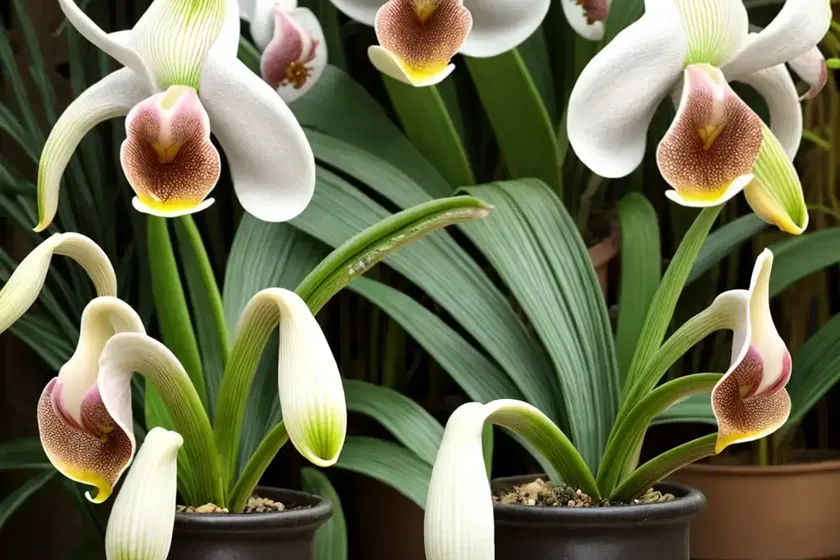
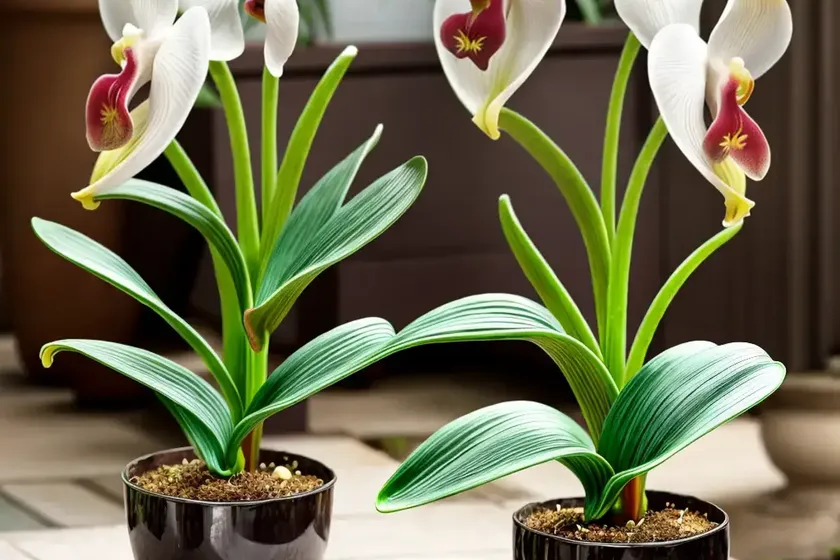
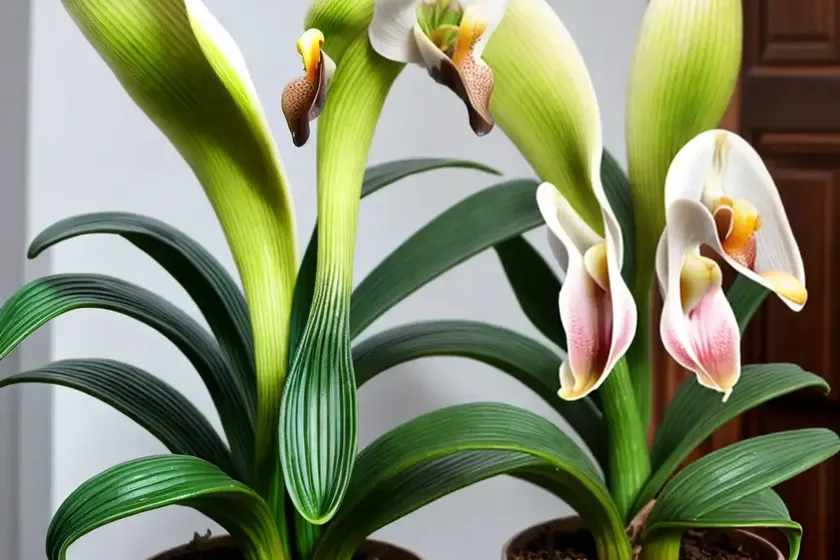
Paphiopedilum gratrixianum, commonly known as the Venus Slipper Orchid, is a captivating and exotic orchid species that has captured the hearts of many plant enthusiasts. Its distinct characteristics, coupled with its unique growing requirements, make it a fascinating subject for plant enthusiasts and botanists alike.
In this comprehensive guide, we will explore the various facets of Paphiopedilum gratrixianum, including its cultural requirements, uses, care tips, common diseases, and much more. Whether you’re a seasoned orchid cultivator or a beginner looking to delve into the world of orchid cultivation, this guide will provide valuable insights into the care and cultivation of Paphiopedilum gratrixianum.
What is Paphiopedilum gratrixianum (Venus Slipper Orchid)?
Paphiopedilum gratrixianum is a species of orchid that belongs to the genus Paphiopedilum, which is part of the larger Orchidaceae family. This particular species is renowned for its stunning slipper-shaped flowers, which exhibit a diverse range of colors, patterns, and markings. The Venus Slipper Orchid is native to the Southeast Asian region, where it is found in diverse habitats, including tropical forests and mountainous areas.
The genus Paphiopedilum comprises approximately 80 recognized species, and each species exhibits its own unique characteristics and growing requirements. Paphiopedilum orchids are highly valued for their ornamental value, and they are often cultivated as houseplants or showcased in botanical gardens and orchid shows.
Key Takeaways – Paphiopedilum gratrixianum (Venus Slipper Orchid)
Before delving into the specifics of cultivating Paphiopedilum gratrixianum, let’s highlight some key takeaways about this captivating orchid species.
Culture
- Paphiopedilum gratrixianum is a tropical orchid species that thrives in warm and humid environments.
- The culture of Venus Slipper Orchids involves providing the appropriate growing conditions, including temperature, humidity, and light levels.
Uses
- Venus Slipper Orchids are primarily cultivated for their ornamental value, as the striking flowers make them popular choices for indoor and greenhouse cultivation.
- Some Paphiopedilum species, including Paphiopedilum gratrixianum, are also used in hybridization to create new and distinct orchid varieties.
Water
- Proper watering is essential for the health and vitality of Paphiopedilum gratrixianum. These orchids have specific water requirements that need to be carefully managed to prevent issues such as root rot.
Sunlight
- Finding the right balance of light is crucial for the successful cultivation of Venus Slipper Orchids. They require filtered or indirect light to thrive, and excessive exposure to direct sunlight can cause damage to the delicate foliage.
Fertilizer
- Orchid fertilization plays a pivotal role in supporting the growth and blooming potential of Paphiopedilum gratrixianum. Understanding the appropriate fertilization routine is essential for maintaining healthy orchids.
Soil
- Unlike traditional potted plants, orchids such as Paphiopedilum gratrixianum have unique soil requirements. They typically grow in epiphytic or terrestrial environments, and their potting mix should accommodate these specific needs.
Pruning
- Proper pruning techniques can help maintain the health and appearance of Paphiopedilum gratrixianum. Removing spent blooms and damaged foliage is essential for promoting future growth and flowering.
Propagation
- Methods of propagation, such as division and seed sowing, are utilized to propagate Paphiopedilum gratrixianum. Understanding these techniques is important for expanding orchid collections and conserving rare species.
Container Popularity
- Venus Slipper Orchids are commonly potted in specialized orchid pots or containers. Selecting the right container is crucial for providing adequate aeration and drainage for the orchids’ root systems.
Common Diseases
- Like all plants, Paphiopedilum gratrixianum is susceptible to certain diseases and fungal infections. Understanding common orchid diseases and their symptoms is essential for effective disease management.
Disease Diagnosis
- Timely diagnosis of plant diseases is critical for implementing appropriate treatment and preventing the spread of pathogens within the orchid collection. Learning to identify disease symptoms is an important skill for orchid enthusiasts.
Common Pests
- Orchids, including Paphiopedilum gratrixianum, can fall victim to various pests such as aphids, spider mites, and snails. Implementing pest control measures is necessary to protect the plants from infestations.
Botanist’s Tips
- Seasoned botanists and orchid enthusiasts often have valuable insights and tips for successfully cultivating Paphiopedilum gratrixianum. Learning from their experiences can enhance one’s orchid care skills.
Fun Facts
- Orchids, including Paphiopedilum gratrixianum, boast an array of intriguing traits and characteristics. Exploring fun facts about these captivating plants adds an element of fascination to orchid cultivation.
Links to External Resources
Throughout this guide, we will provide links to reputable external resources, including botanical gardens, orchid societies, and scholarly articles, to further enrich your understanding of Paphiopedilum gratrixianum and orchid cultivation in general.
Now that we’ve provided an overview of the key takeaways, let’s delve deeper into each aspect of caring for Paphiopedilum gratrixianum, unraveling the secrets behind successfully cultivating this alluring orchid species.
Introduction to Venus Slipper Orchid Care
Caring for Paphiopedilum gratrixianum, or the Venus Slipper Orchid, requires a nuanced understanding of its unique cultivation requirements. From providing the right growing conditions to addressing specific watering and fertilization needs, successful orchid care hinges on attention to detail and a commitment to meeting the plant’s requirements.
Venus Slipper Orchid Cultivation
Paphiopedilum gratrixianum is a captivating addition to any orchid collection, and understanding its cultivation requirements is essential for nurturing healthy and thriving plants. Whether you’re an experienced orchid enthusiast or a novice in the world of orchid care, the following sections will provide in-depth insights into the cultural practices that underpin successful Venus Slipper Orchid cultivation.
Growing Venus Slipper Orchid
The process of growing Venus Slipper Orchids involves several key factors, including temperature, humidity, light, and potting media. When these elements are carefully managed, Paphiopedilum gratrixianum can flourish and produce stunning flowers that captivate the beholder. Let’s explore the essential components of growing Venus Slipper Orchids in detail.
Paphiopedilum gratrixianum Varieties
Within the Paphiopedilum genus, various species and hybrids exhibit distinct characteristics and traits. Understanding the diverse varieties of Paphiopedilum gratrixianum adds depth to orchid cultivation, allowing enthusiasts to appreciate the range of forms and colors within this species.
Venus Slipper Orchid Species
As part of the Paphiopedilum genus, the Venus Slipper Orchid shares its taxonomic classification with an array of other orchid species. Each species possesses unique attributes and growing requirements, contributing to the rich diversity of the Paphiopedilum genus.
Paphiopedilum gratrixianum Characteristics
The characteristics of Paphiopedilum gratrixianum encompass its physical appearance, growth habits, and ecological adaptations. Understanding the unique attributes of this orchid species is key to providing it with the appropriate care and growing conditions.
Venus Slipper Orchid Habitat
Paphiopedilum gratrixianum is native to specific habitats in the Southeast Asian region, where it thrives in the wild. Exploring the natural habitat of Venus Slipper Orchids provides valuable insights into their ecological preferences and adaptation to diverse environments.
Paphiopedilum gratrixianum Bloom
The blooming phase of Paphiopedilum gratrixianum is a much-anticipated event, as it heralds the emergence of stunning and intricately patterned flowers. Understanding the blooming cycle and characteristics of Venus Slipper Orchid flowers enriches the experience of orchid cultivation.
Now that we’ve outlined the foundational aspects of Venus Slipper Orchid care, we will delve into the specific cultural requirements for successfully cultivating Paphiopedilum gratrixianum, including watering, sunlight, fertilization, and potting media.
Venus Slipper Orchid Care: Cultural Requirements
Cultivating Paphiopedilum gratrixianum requires a nuanced approach to meeting its specific cultural requirements. From accommodating its temperature and humidity preferences to providing appropriate light levels and potting medium, successful Venus Slipper Orchid care hinges on understanding and addressing these crucial factors.
How to Care for Venus Slipper Orchid
Caring for Venus Slipper Orchids entails a combination of attentive cultivation practices aimed at meeting the plant’s growing requirements. These practices encompass various aspects of cultural care, including watering, light exposure, and maintaining ideal growing conditions.
Paphiopedilum gratrixianum Propagation
The propagation of Paphiopedilum gratrixianum involves techniques such as division and seed sowing. These methods enable orchid enthusiasts to expand their collections and conserve rare orchid species for future generations.
Venus Slipper Orchid Watering
Understanding the watering needs of Venus Slipper Orchids is essential for preventing issues such as overwatering or underwatering, which can negatively impact the plant’s health. Consistent and appropriate watering practices support the vitality and growth of Paphiopedilum gratrixianum.
Paphiopedilum gratrixianum Diseases
Orchids, including Paphiopedilum gratrixianum, are susceptible to certain diseases and fungal infections. Recognizing common orchid diseases and implementing effective disease management strategies is crucial for ensuring the health of Venus Slipper Orchids.
Venus Slipper Orchid Potting Mix
The potting mix used for Venus Slipper Orchids should cater to their unique soil requirements, providing adequate aeration and moisture retention. Selecting the right potting mix is a critical component of successful orchid cultivation.
Paphiopedilum gratrixianum Pests
Pests such as aphids, scale insects, and spider mites can pose a threat to the health of Venus Slipper Orchids. Implementing pest control measures and preventive strategies is essential for protecting the plants from infestations.
Venus Slipper Orchid Sunlight Requirements
Managing the exposure of Venus Slipper Orchids to light is crucial for their growth and blooming potential. Understanding the plant’s sunlight requirements and providing appropriate light exposure are key aspects of successful orchid care.
Paphiopedilum gratrixianum Temperature
The temperature preferences of Paphiopedilum gratrixianum influence its overall well-being and blooming patterns. By maintaining the appropriate temperature conditions, orchid enthusiasts can create an optimal environment for Venus Slipper Orchids to thrive.
Venus Slipper Orchid Indoor Cultivation
Indoor cultivation offers an alternative environment for growing Venus Slipper Orchids, allowing enthusiasts to create optimal conditions for the plants’ growth and blooming. Understanding the nuances of indoor cultivation is invaluable for successfully growing orchids indoors.
Paphiopedilum gratrixianum Fertilization
Fertilization plays a pivotal role in supporting the growth and blooming potential of Venus Slipper Orchids. Applying the appropriate fertilizers and understanding the timing and dosage of fertilization are critical for orchid care.
Venus Slipper Orchid Growth Tips
Cultivating healthy and thriving Venus Slipper Orchids is supported by a range of growth tips that encompass various aspects of orchid care. Implementing these tips can significantly enhance the health and vitality of Paphiopedilum gratrixianum.
Paphiopedilum gratrixianum Repotting
Repotting is an essential aspect of orchid care, enabling enthusiasts to refresh the growing medium and provide adequate space for the plant’s root system. Knowing when and how to repot Venus Slipper Orchids is crucial for their long-term health.
Venus Slipper Orchid Common Issues
Understanding and addressing common issues that may affect Venus Slipper Orchids is vital for maintaining the health and vitality of the plants. By proactively managing these issues, orchid enthusiasts can ensure the well-being of Paphiopedilum gratrixianum.
Paphiopedilum gratrixianum Flowering Period
The flowering period of Paphiopedilum gratrixianum is a visually stunning phase that rewards dedicated orchid cultivators with exquisite blooms. Understanding the factors that influence the flowering period enriches the experience of cultivating Venus Slipper Orchids.
Venus Slipper Orchid Companion Plants
Choosing suitable companion plants for Venus Slipper Orchids can create visually appealing and harmonious displays. Selecting compatible companion plants enhances the aesthetic impact of orchid cultivation.
Paphiopedilum gratrixianum Pot Size
Determining the appropriate pot size for Venus Slipper Orchids is crucial for providing adequate space for the root system and facilitating healthy growth. Understanding potting requirements supports the successful cultivation of Paphiopedilum gratrixianum.
Venus Slipper Orchid Humidity Preferences
Maintaining optimal humidity levels is essential for the overall well-being of Venus Slipper Orchids. Understanding their humidity preferences and implementing strategies to manage humidity supports the plants’ health.
Paphiopedilum gratrixianum Divisions
Division techniques enable orchid enthusiasts to propagate Paphiopedilum gratrixianum and create new plants from established specimens. Mastering division techniques is significant for expanding orchid collections.
Venus Slipper Orchid Leaf Spotting
Leaf spotting can be indicative of various issues that affect the health of Venus Slipper Orchids. Recognizing and addressing leaf spotting is essential for maintaining the plant’s vitality and preventing the spread of diseases.
Paphiopedilum gratrixianum Root System
Understanding the structure and growth habits of the root system in Paphiopedilum gratrixianum is crucial for providing appropriate growing conditions and managing repotting procedures.
Venus Slipper Orchid Pruning
Pruning is a key practice for maintaining the health and appearance of Venus Slipper Orchids. Removing spent blooms and damaged foliage supports the plants’ continued growth and flowering.
Paphiopedilum gratrixianum Fragrant Varieties
Certain varieties of Paphiopedilum gratrixianum exhibit fragrant flowers, adding an additional sensory dimension to their ornamental appeal. Exploring fragrant varieties enriches the experience of growing Venus Slipper Orchids.
Venus Slipper Orchid Light Requirements
Understanding the specific light requirements of Venus Slipper Orchids is instrumental in creating optimal growing conditions for the plants. Managing light exposure supports their growth and blooming cycles.
Paphiopedilum gratrixianum Hybridization
Hybridization opens up possibilities for creating new and distinct orchid varieties, combining the unique traits of different Paphiopedilum species. Exploring hybridization techniques expands the realm of Venus Slipper Orchid cultivation.
Venus Slipper Orchid Root Rot Prevention
Preventing root rot is a critical aspect of orchid care, as it safeguards the root system from moisture-related issues that can compromise the health of Venus Slipper Orchids.
Paphiopedilum gratrixianum Air Circulation
Efficient air circulation is vital for maintaining optimal growing conditions for Venus Slipper Orchids. Adequate air movement supports the health and vigor of the plants and helps prevent issues such as fungal infections.
Venus Slipper Orchid Flowering Triggers
Understanding the factors that trigger flowering in Venus Slipper Orchids is essential for orchestrating the blooming cycle and maximizing the plants’ ornamental value.
Paphiopedilum gratrixianum Stages of Growth
Monitoring the stages of growth in Paphiopedilum gratrixianum provides valuable insights into the plant’s development and allows orchid enthusiasts to anticipate blooming and other significant milestones.
Venus Slipper Orchid Growing Media
Selecting appropriate growing media is fundamental for facilitating healthy root growth and overall plant vitality. Understanding the characteristics of suitable growing media enhances the success of Venus Slipper Orchid cultivation.
Paphiopedilum gratrixianum Potting Requirements
The potting requirements for Venus Slipper Orchids encompass the selection of suitable pots and containers that accommodate the plant’s root system and provide adequate aeration and drainage.
Venus Slipper Orchid Staking
Staking techniques are employed to support the upright growth of Venus Slipper Orchids and ensure the stability of flower spikes during blooming.
Paphiopedilum gratrixianum Water Quality
Understanding the quality of water used for watering Venus Slipper Orchids is crucial, as it can influence the overall health and vitality of the plants.
Venus Slipper Orchid Indoor Lighting
For indoor cultivation, providing appropriate lighting conditions is essential for creating an environment conducive to the growth and blooming of Venus Slipper Orchids.
Paphiopedilum gratrixianum Pollination
Understanding the pollination process in Paphiopedilum gratrixianum and other orchid species sheds light on their reproductive strategies and the formation of viable seeds.
Venus Slipper Orchid Pests and Diseases Control
Implementing effective control measures for pests and diseases is essential for safeguarding the health of Venus Slipper Orchids and preventing the spread of infections.
Paphiopedilum gratrixianum Seasonal Care
Adapting orchid care practices to suit seasonal changes ensures that Venus Slipper Orchids receive the appropriate attention and support throughout the year.
Venus Slipper Orchid Repotting Frequency
Determining the ideal frequency for repotting Venus Slipper Orchids supports the ongoing health and vitality of the plants, ensuring that they have access to fresh growing media and adequate space for root growth.
Paphiopedilum gratrixianum Orchid Family
The Orchidaceae family encompasses a vast array of orchid species, including Paphiopedilum gratrixianum. Understanding the taxonomic classification and family relationships of orchids provides a broader context for orchid cultivation.
Venus Slipper Orchid Garden Display
Incorporating Venus Slipper Orchids into garden displays offers opportunities to showcase their ornamental beauty and create visually captivating arrangements.
Paphiopedilum gratrixianum Leaf Characteristics
The characteristics of the foliage in Paphiopedilum gratrixianum offer valuable insights into the plant’s growth habits and adaptations to its natural environment.
Venus Slipper Orchid Dormancy Period
Understanding the dormancy patterns of Venus Slipper Orchids provides key information for managing their care and addressing seasonal changes in their growth and blooming cycles.
Paphiopedilum gratrixianum Division Techniques
Mastering division techniques enables orchid enthusiasts to propagate Paphiopedilum gratrixianum and create new plants from existing specimens, contributing to the conservation of rare orchid species.
In the following sections, we will explore each of these aspects in greater detail, providing practical insights and recommendations for successfully caring for Paphiopedilum gratrixianum and unlocking its full ornamental potential.


