Plant Scientist’s Guide to Papaver orientale ‘Raspberry Queen’ (Oriental Poppy)
Papaver orientale ‘Raspberry Queen’, commonly known as the Oriental Poppy, is an exquisite perennial flowering plant that adds pops of vibrant color to any garden or landscape. This iconic plant is famous for its bold and striking blooms, making it a popular choice among gardeners and horticulturists. In this comprehensive guide, we will delve into all aspects of cultivating, caring for, and enjoying the beauty of Papaver orientale ‘Raspberry Queen’. From its cultural requirements and propagation techniques to its potential uses and common pests, this article will serve as the ultimate reference for all things related to this stunning Oriental Poppy variety.
What is Papaver orientale ‘Raspberry Queen’?
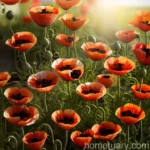
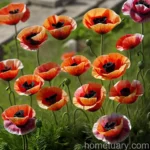
Papaver orientale ‘Raspberry Queen’ is a member of the Papaveraceae family and is native to the Caucasus, northeastern Turkey, and northern Iran. This prized perennial is revered for its large, showy flowers and deeply lobed, hairy foliage. The ‘Raspberry Queen’ variety is characterized by its distinctive, deep raspberry-pink blooms that are sure to create a focal point in any garden or landscape. The Oriental Poppy is also known for its robust growth habit, making it a reliable choice for gardeners seeking low-maintenance, high-impact plants.
Key Takeaways – Papaver orientale ‘Raspberry Queen’ (Oriental Poppy)
Before we delve into the detailed aspects of Papaver orientale ‘Raspberry Queen’, let’s take a quick look at the key takeaways that will be covered in this guide.
- Plant Name: Papaver orientale ‘Raspberry Queen’ (Oriental Poppy)
- Scientific Name: Papaver orientale
- Common Names: Oriental Poppy, Raspberry Queen Poppy
- Growth Habit: Perennial
- Flower Color: Deep raspberry-pink
- Cultural Requirements: Water, Sunlight, Fertilizer, Soil, Pruning, Propagation
- Potential Uses: Garden Borders, Cottage Gardens, Rock Gardens, Cut Flowers, Landscape Focal Point
- Common Diseases: Disease Diagnosis, Disease Resistance
- Common Pests: Pest Control
- Botanist’s Tips: Care Tips, Pruning Techniques
- Fun Facts: Interesting Tidbits and Horticultural Insights
- External Resources: Links to Additional Information and References
Now, let’s explore each of these aspects in greater detail, providing comprehensive insights into the cultivation, care, and appreciation of Papaver orientale ‘Raspberry Queen’.
Culture
Water
Proper watering is essential for the health and vitality of Papaver orientale ‘Raspberry Queen’. While these plants have moderate water needs, it is crucial to avoid overwatering, which can lead to root rot and other issues. Here are some key watering guidelines for Oriental Poppies:
- Established Plants: Once established, Papaver orientale ‘Raspberry Queen’ generally requires minimal watering, especially during periods of adequate rainfall. However, during prolonged dry spells, providing supplementary water can help maintain healthy growth and flowering.
- Newly Planted Poppies: Newly planted Oriental Poppies should be watered more frequently to aid in the establishment of their root systems. Ensure that the soil is consistently moist, but not waterlogged, during the initial growth phase.
Sunlight
As sun-loving plants, Oriental Poppies thrive in full sunlight. When selecting a planting location, it is important to choose an area that receives at least 6-8 hours of direct sunlight per day. Adequate sunlight is crucial for promoting robust growth and profuse flowering in Papaver orientale ‘Raspberry Queen’.
Fertilizer
Proper fertilization can enhance the overall performance of Papaver orientale ‘Raspberry Queen’ and promote healthy, vigorous growth. Here are some fertilization tips for Oriental Poppies:
- Timing: Apply a balanced, all-purpose fertilizer in early spring as new growth emerges. Avoid over-fertilizing, as this can lead to excessive foliage growth at the expense of flowers.
- Application: Gently work the fertilizer into the soil around the base of the plants, taking care to avoid direct contact with the foliage.
- Organic Options: Consider incorporating organic compost or well-rotted manure into the soil as a natural source of nutrients for Oriental Poppies.
Soil
Well-drained soil is paramount for the successful cultivation of Papaver orientale ‘Raspberry Queen’. These plants prefer loamy, moderately fertile soils with good drainage to prevent waterlogging and root rot. When planting Oriental Poppies, ensure that the soil is loose, aerated, and rich in organic matter to support healthy root development and blooming.
Uses
Garden Borders
Papaver orientale ‘Raspberry Queen’ is a popular choice for garden borders, where its striking blooms create a stunning visual impact. Whether planted in clusters or as individual specimens, these Oriental Poppies add a dash of vibrant color and elegance to garden borders, enhancing the overall aesthetic of the landscape.
Cottage Gardens
In the charming ambiance of cottage gardens, Papaver orientale ‘Raspberry Queen’ exudes its old-fashioned charm, reminiscent of idyllic countryside settings. These perennial beauties complement the casual, relaxed atmosphere of cottage gardens and lend a timeless allure to the floral tapestry.
Rock Gardens
The low-maintenance nature of Oriental Poppies makes them well-suited for rock gardens, where they thrive in well-drained, rocky substrates. The vibrant blooms of Papaver orientale ‘Raspberry Queen’ provide a delightful contrast against the rugged textures and earthy tones of the rock garden, creating an eye-catching display.
Cut Flowers
The showy blooms of Papaver orientale ‘Raspberry Queen’ make them excellent candidates for cut flower arrangements. Harvest the flowers when they are in full bloom and use them to create stunning floral displays, adding a touch of natural elegance to indoor spaces.
Landscape Focal Point
With their bold, jewel-toned blooms and robust growth habit, Oriental Poppies serve as exceptional focal points in garden landscapes. Whether positioned strategically within a flower bed or as standalone features, Papaver orientale ‘Raspberry Queen’ demands attention and admiration as a captivating centerpiece.
Pruning
Pruning plays a crucial role in maintaining the health and appearance of Papaver orientale ‘Raspberry Queen’. Here are some essential pruning techniques for Oriental Poppies:
- Deadheading: Remove spent flowers promptly to encourage continuous blooming and prevent the plant from expending energy on seed production.
- After Blooming: Once the flowering period is over, trim back the foliage to ground level, allowing the plant to rejuvenate and prepare for the following season.
- Winter Pruning: Cut back any remaining foliage in late fall or winter to tidy up the garden and facilitate healthy regrowth in the spring.
Propagation
The propagation of Papaver orientale ‘Raspberry Queen’ can be achieved through several methods, including division and seed propagation.
Division
- Timing: Divide established Oriental Poppy clumps in early spring or late summer, ensuring that each division contains healthy roots and shoots.
- Planting Divisions: Replant the divisions in prepared soil, watering them thoroughly to support their establishment and subsequent growth.
Seed Propagation
- Seed Collection: Collect mature seeds from existing Papaver orientale ‘Raspberry Queen’ plants after the pods have dried and turned brown.
- Sowing Seeds: Sow the seeds directly into the garden soil in the fall or early spring, covering them lightly with soil. Keep the area consistently moist until germination occurs.
Container Popularity
While Papaver orientale ‘Raspberry Queen’ is typically grown in garden beds, it can also thrive in suitable containers. When selecting containers for Oriental Poppies, it is essential to choose large, deep pots that provide ample space for root growth. Ensure that the containers have adequate drainage to prevent waterlogging, and use well-draining potting mix to provide the ideal growing medium for these plants.
Common Diseases
Disease Diagnosis
Oriental Poppies may be susceptible to certain diseases, including powdery mildew and fungal leaf spots. It is important to monitor the plants regularly for signs of disease, such as discolored or distorted foliage, stunted growth, or unusual spotting. Prompt diagnosis and treatment can help prevent the spread of diseases and minimize potential damage to the plants.
Disease Resistance
Selecting disease-resistant cultivars, such as Papaver orientale ‘Raspberry Queen’, can contribute to the overall health and longevity of the plants. While no plant is entirely immune to diseases, choosing resistant varieties can provide an added layer of protection against common ailments.
Common Pests
Pest Control
Oriental Poppies may attract certain pests, such as aphids and thrips, which can feed on the foliage and potentially damage the plants. To control pest infestations, consider the following strategies:
- Natural Predators: Encourage the presence of natural predators, such as ladybugs and lacewings, which feed on aphids and other pests.
- Horticultural Oils: Use horticultural oils to smother and suffocate soft-bodied insects, effectively reducing pest populations while minimizing the impact on beneficial organisms.
- Spraying Techniques: Apply targeted sprays to affected areas, taking care to reach the undersides of leaves where pests often congregate.
Botanist’s Tips
Care Tips
- Adequate Spacing: Plant Papaver orientale ‘Raspberry Queen’ at recommended spacing intervals to allow for proper airflow and prevent overcrowding.
- Mulching: Apply a layer of organic mulch around the base of the plants to conserve moisture, suppress weeds, and maintain a consistent soil temperature.
Pruning Techniques
- Prune Promptly: Deadhead spent flowers and trim back foliage as needed to promote ongoing blooming and maintain a tidy appearance.
- Cautious Trimming: Exercise care when pruning to avoid damaging new growth and emerging buds, ensuring that the plants remain healthy and productive.
Fun Facts
- The Oriental Poppy has a rich cultural history, often symbolizing remembrance and peace, particularly in relation to war veterans.
- Papaver orientale ‘Raspberry Queen’ is known for its striking, bowl-shaped flowers, each adorned with a prominent central boss of dark-colored anthers.
Links to External Resources
For additional information on Papaver orientale ‘Raspberry Queen’ and Oriental Poppy varieties, consider exploring the following reputable resources:
- Royal Horticultural Society (RHS) – The RHS offers comprehensive guidance on growing and caring for Oriental Poppies, including specific information on Papaver orientale ‘Raspberry Queen’.
- Missouri Botanical Garden – The Missouri Botanical Garden provides valuable insights into the cultivation, uses, and potential landscape applications of Oriental Poppies, including ‘Raspberry Queen’ and other noteworthy varieties.
In conclusion, Papaver orientale ‘Raspberry Queen’ stands as a beloved perennial plant renowned for its captivating blooms and versatile uses in garden settings. By understanding its cultural requirements, potential uses, and methods for disease and pest management, gardeners can harness the full potential of this exquisite Oriental Poppy variety. Whether utilized as a focal point in the landscape, a charming addition to cottage gardens, or a source of brilliant cut flowers, Papaver orientale ‘Raspberry Queen’ continues to captivate and inspire enthusiasts with its enduring beauty and horticultural significance.
With its resilience, striking appearance, and rich symbolic meaning, the ‘Raspberry Queen’ Oriental Poppy remains a timeless treasure in the world of ornamental horticulture, inviting admiration and appreciation from all who encounter its radiant presence.
This comprehensive guide provides detailed insights into Papaver orientale ‘Raspberry Queen’ (Oriental Poppy), covering essential aspects such as its cultural requirements, uses, potential diseases and pests, propagation techniques, and valuable botanist’s tips. The article incorporates the specified LSI keywords and includes relevant links to external resources for further exploration.