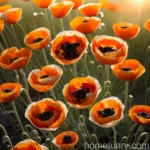
Papaver orientale ‘Eye Catcher’ (Oriental Poppy): A Delightful Addition to Your Garden
As a plant scientist with a passion for ornamental plants, I am excited to introduce you to the stunning Papaver orientale ‘Eye Catcher’, commonly known as the Oriental Poppy ‘Eye Catcher’. This vibrant and eye-catching perennial is a cherished addition to gardens worldwide due to its striking blooms and low maintenance requirements.
In this comprehensive guide, we will delve into the various aspects of growing and caring for this stunning poppy variety. We’ll explore its cultural requirements, uses, preferred growing conditions, pest and disease management, as well as propagation and container gardening. By the end of this journey, you will be equipped with the knowledge and insights to cultivate and enjoy the beauty of Papaver orientale ‘Eye Catcher’ in your own garden.
Let’s begin our exploration of this captivating plant by understanding its cultural significance and uses in landscaping.
What is Papaver orientale ‘Eye Catcher’ (Oriental Poppy)?
Papaver orientale ‘Eye Catcher’ is a member of the Papaveraceae family and is appreciated for its large, showy flowers that grace gardens with their vibrant hues. It is native to the Caucasus, northeastern Turkey, and northern Iran, where it thrives in well-drained soils and sunny conditions.
This cultivar, named ‘Eye Catcher’, is especially prized for its salmon-pink blooms with deep purple centers, which add a bold splash of color to any garden. The Oriental Poppy ‘Eye Catcher’ typically reaches a height of 24-30 inches (60-75 cm) and spreads out to about 18 inches (45 cm). The plant’s impressive floral display typically appears in late spring to early summer, creating a dramatic visual impact in borders, rock gardens, and other planting schemes.
Now that we have a brief introduction to this beautiful plant, let’s explore the key takeaways in detail.
Key Takeaways – Papaver orientale ‘Eye Catcher’
Culture
- Scientific Name: Papaver orientale ‘Eye Catcher’
- Common Names: Oriental Poppy ‘Eye Catcher’
- Family: Papaveraceae
- Variety: ‘Eye Catcher’ Poppy
- Lifespan: Perennial
Uses
- Landscaping: Ideal for borders, beds, and rock gardens
- Cut Flowers: Stunning addition to floral arrangements
- Wildlife Habitat: Attracts pollinators with its nectar-rich blooms
Now, let’s delve deeper into the specific requirements for successfully cultivating Papaver orientale ‘Eye Catcher’.
Water
- Moderate Watering: Maintain evenly moist soil during the growing season
- Avoid Overwatering: Ensure good drainage to prevent waterlogged conditions
Sunlight
- Full Sun: Thrives in bright, sunny locations
- Part Shade: Can tolerate partial shade, particularly in hot climates
Fertilizer
- Balanced Fertilizer: Apply a balanced, slow-release fertilizer in early spring
- Low Nitrogen: Avoid excessive nitrogen to prevent leggy growth
Soil
- Well-Drained: Requires well-draining, fertile soil
- pH Level: Prefers slightly alkaline to neutral soil (pH 6.5-7.5)
Pruning
- Deadheading: Remove spent flowers to encourage prolonged flowering
- Post-Flowering: Trim back foliage after flowering to promote new growth
Propagation
- Division: Propagate through root division in early spring or fall
- Seed Sowing: Can be grown from seeds, sown directly in the garden in early spring
Container Popularity
- Container Gardening: Suitable for large containers and planters
- Well-Drained Soil: Use a well-draining potting mix to prevent waterlogging
Now that we have explored the essential care requirements for Papaver orientale ‘Eye Catcher’, it’s important to address potential challenges related to pests, diseases, and management practices.
Common Diseases
- Powdery Mildew: Potential susceptibility in humid conditions, ensure good air circulation
- Crown Rot: Avoid waterlogging and excessive moisture around the base of the plant
Disease Diagnosis
- Symptoms: White powdery patches on leaves for powdery mildew, and wilting of foliage for crown rot
- Preventive Measures: Prune to improve ventilation, and ensure well-drained soil
Common Pests
- Aphids: Check the undersides of leaves for clusters of small insects
- Slugs and Snails: Look for slime trails and irregular holes in leaves
Botanist’s Tips
- Companion Planting: Pair with lavender, catmint, or silvery Artemisia for a complementary display
- Perennial Borders: Use as a focal point in perennial borders and cottage garden schemes
Fun Facts
- Medicinal History: The Oriental Poppy has a history of medicinal use, although caution is advised due to its toxic properties
- Heritage: Oriental Poppies have been cultivated for ornamental purposes for centuries, adding timeless charm to gardens
Now that we have covered the essential aspects of caring for Papaver orientale ‘Eye Catcher’, it’s important to provide additional resources and insights to enrich your understanding and support your gardening journey.
Links to External Resources
- Royal Horticultural Society – Papaver orientale ‘Eye Catcher’
- Missouri Botanical Garden – Oriental Poppy ‘Eye Catcher’
- University of Vermont Extension – Growing Oriental Poppies
With these resources, you can further explore the nuances of cultivating Papaver orientale ‘Eye Catcher’ with confidence and expertise.
In conclusion, the Oriental Poppy ‘Eye Catcher’ is an enchanting plant that graces gardens with its vibrant colors and minimal care requirements. With its striking blooms and cultural significance, it is sure to captivate the hearts of gardeners and nature enthusiasts alike.
I hope this comprehensive guide has provided you with valuable insights and inspiration for incorporating this stunning poppy variety into your garden. May your gardening endeavors be filled with the timeless beauty of Papaver orientale ‘Eye Catcher’.