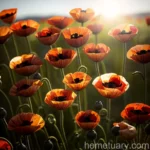
The Enigmatic Papaver orientale ‘Turkenlouis’ (Oriental Poppy)
The Papaver orientale ‘Turkenlouis’ is a striking and vibrant flowering plant that adds a touch of elegance to any garden. Its intense coloration and mesmerizing petals make it an alluring choice for any gardening enthusiast. In this extensive guide, we will explore the intricacies of caring for the Papaver orientale ‘Turkenlouis,’ from cultivation and maintenance to disease control and propagation.
What is Papaver orientale ‘Turkenlouis’?
Papaver orientale, commonly known as the Oriental Poppy, is a perennial flowering plant belonging to the Papaveraceae family. ‘Turkenlouis’ is a specific variety that is treasured for its deep orange-red petals with a contrasting black center. This stunning display of colors makes it a sought-after addition to gardens and landscapes.
Key Takeaways – Papaver orientale ‘Turkenlouis’
- Scientific Name: Papaver orientale ‘Turkenlouis’
- Common Name: Oriental Poppy ‘Turkenlouis’
- Family: Papaveraceae
- Variety: Turkenlouis
- Plant Type: Perennial
- Flower Color: Deep orange-red with a black center
Now, let’s delve into the detailed care and cultivation guidelines for this captivating plant.
Culture
The culture of Papaver orientale ‘Turkenlouis’ involves understanding its specific requirements in terms of water, sunlight, soil, and fertilizer.
Uses
The Oriental Poppy ‘Turkenlouis’ is often utilized for ornamental purposes, adding vibrant pops of color to gardens, borders, and landscapes. Its striking blooms make it an excellent choice for cut flower arrangements, bringing a touch of elegance to indoor spaces.
Water
Papaver orientale ‘Turkenlouis’ generally thrives in well-drained soil and prefers moderate water levels. It is crucial to avoid waterlogging, especially during the plant’s dormant phase, as excessive moisture can lead to root rot.
Sunlight
For optimal growth and flowering, the Oriental Poppy ‘Turkenlouis’ requires full sun exposure. It flourishes in locations with direct sunlight, making it an ideal choice for sunny garden beds and borders.
Fertilizer
When it comes to fertilization, Papaver orientale ‘Turkenlouis’ benefits from a balanced, general-purpose fertilizer during the growing season. However, it is essential to avoid high-nitrogen fertilizers, as they can promote excessive foliage growth at the expense of flower production.
Soil
The soil requirements for this perennial plant include well-drained, loamy soil with a slightly acidic to neutral pH. It is essential to ensure good drainage to prevent waterlogging, which can be detrimental to the plant’s health.
Pruning
Pruning plays a vital role in maintaining the health and vigor of Papaver orientale ‘Turkenlouis.’ Deadheading faded flowers not only improves the plant’s appearance but also promotes continuous blooming. Additionally, removing spent blooms prevents the plant from expending energy on seed production, encouraging it to channel its resources into producing new blooms.
Propagation
The propagation of Oriental Poppy ‘Turkenlouis’ can be achieved through division or seed sowing. Dividing established clumps in early spring or late summer allows the plants to rejuvenate and ensures a continuous supply of new plants. Alternatively, starting from seeds provides an opportunity to experiment with new varieties and colors.
Container Popularity
While Papaver orientale ‘Turkenlouis’ is primarily grown in garden beds and borders, its striking appearance makes it an attractive choice for container gardening. When grown in containers, it adds a vibrant touch to patios, balconies, and other outdoor spaces.
Common Diseases
The Oriental Poppy ‘Turkenlouis’ is generally resilient to diseases; however, it is susceptible to certain issues that can impact its health and vigor.
Disease Diagnosis
The occurrence of fungal diseases such as powdery mildew and root rot can pose a threat to the well-being of Papaver orientale ‘Turkenlouis.’ Early detection and swift intervention are crucial to prevent the spread of such diseases and protect the plant.
Common Pests
While Oriental Poppies are relatively resistant to pest infestations, they may occasionally face challenges posed by pests such as aphids and thrips. Vigilance and prompt action are key to addressing pest issues and preventing damage to the plants.
Botanist’s Tips
Incorporating the following tips into the care and cultivation of Papaver orientale ‘Turkenlouis’ can contribute to the plant’s overall health and vibrancy:
- Ensure well-drained soil to prevent waterlogging.
- Deadhead spent blooms regularly to encourage continuous flowering.
- Monitor for signs of pests and diseases, addressing them promptly if detected.
- Provide full sun exposure for optimal growth and bloom production.
- Implement a balanced fertilization regimen to support healthy growth without promoting excessive foliage.
Fun Facts
- The Oriental Poppy ‘Turkenlouis’ is native to the regions of Turkey, the Caucasus, and Iran.
- The plant’s scientific name, Papaver orientale, translates to “Eastern poppy,” reflecting its geographic origins.
- In addition to its ornamental value, Papaver orientale has historical significance, with its use dating back to ancient civilizations for medicinal and culinary purposes.
Links to External Resources
For additional information on Papaver orientale ‘Turkenlouis’ and related topics, refer to the following external resources:
- Royal Horticultural Society – Papaver orientale
- University of Minnesota Extension – Oriental Poppy
- Missouri Botanical Garden – Papaver orientale
In conclusion, the Papaver orientale ‘Turkenlouis’ is a captivating perennial plant that adds a touch of elegance and vibrancy to any garden or landscape. Understanding its specific care requirements, from water and sunlight to soil and fertilization, is essential to ensure its health and abundant blooming. By following the guidelines outlined in this comprehensive guide and leveraging the provided resources, gardening enthusiasts can cultivate and enjoy the beauty of this enchanting Oriental Poppy variety.