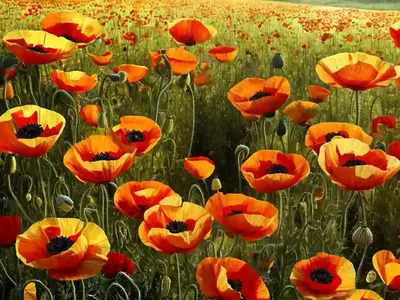
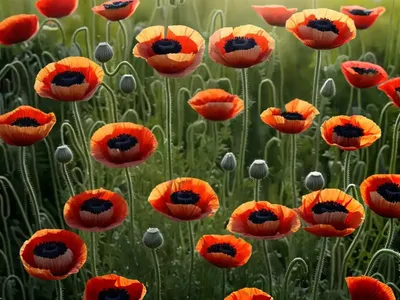
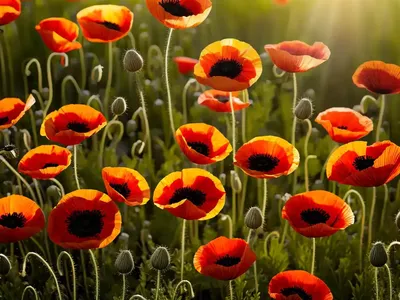
Papaver Orientale ‘Burning Heart’ (Oriental Poppy)
Welcome to the ultimate guide to Papaver orientale ‘Burning Heart’, an exquisite flowering plant that will grace your gardens with its vibrant colors and.
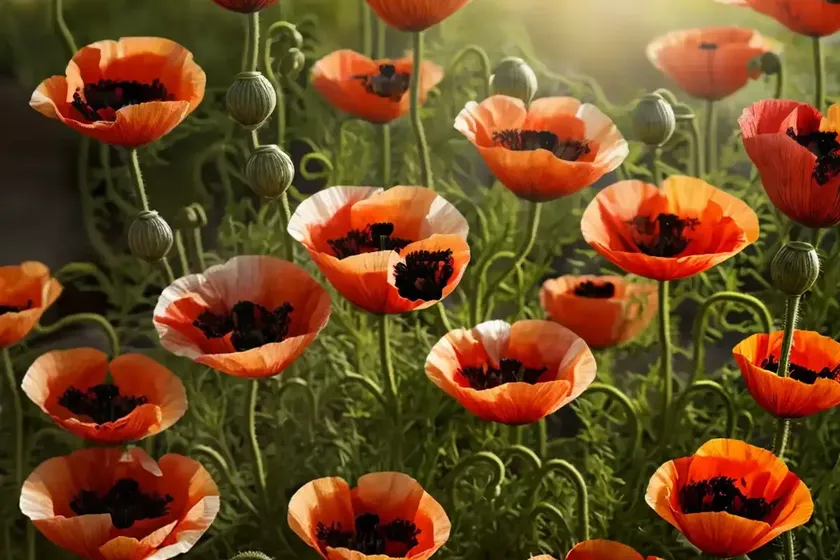
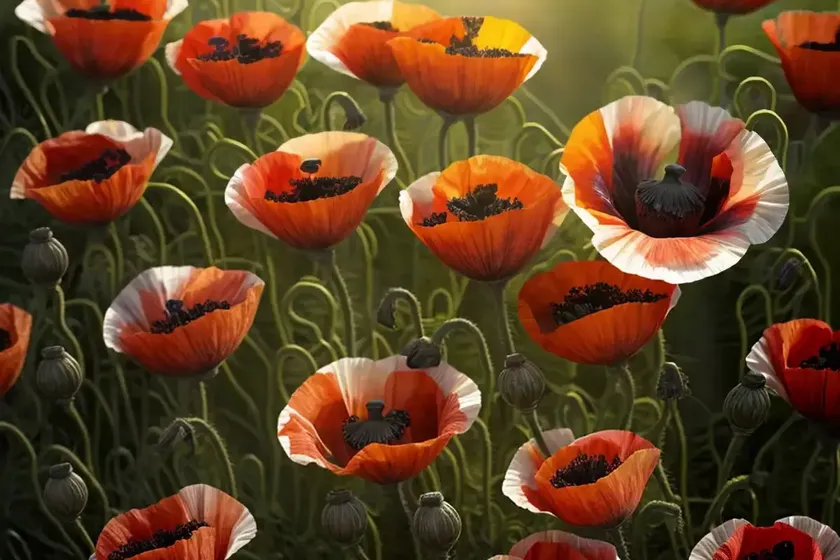
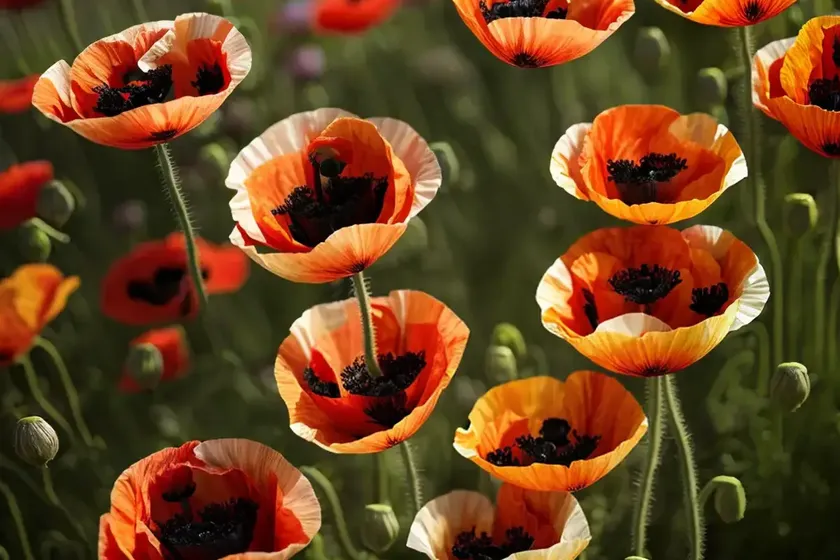
Welcome to the ultimate guide to Papaver orientale ‘Burning Heart’, an exquisite flowering plant that will grace your gardens with its vibrant colors and elegant presence. As a plant scientist, I am excited to share with you the captivating characteristics, care tips, and fascinating insights into this Oriental Poppy variety. Whether you are an experienced gardener or a novice enthusiast, this comprehensive guide will provide you with valuable information to cultivate and appreciate the beauty of Papaver orientale ‘Burning Heart’.
Introduction to Papaver orientale ‘Burning Heart’
Papaver orientale, commonly known as the Oriental Poppy, is a perennial flowering plant that belongs to the Papaveraceae family. The ‘Burning Heart’ variety is celebrated for its striking, large flowers with velvety petals in vibrant shades of red, resembling a fiery sunset. This captivating cultivar is a sought-after addition to gardens, providing a bold and dramatic display when in full bloom. From its cultural significance to its growth requirements, this guide will delve into every aspect of nurturing and appreciating Papaver orientale ‘Burning Heart’.
Key Takeaways – Papaver orientale ‘Burning Heart’
Before diving into the specifics of growing and caring for Papaver orientale ‘Burning Heart’, let’s explore some key takeaways that will provide an overview of the plant’s traits and requirements.
Culture
- Botanical Name: Papaver orientale ‘Burning Heart’
- Common Name: Oriental Poppy ‘Burning Heart’
- Variety: ‘Burning Heart’
- Plant Type: Perennial
Uses
- Garden Borders: Add vibrant colors and bold accents to garden borders with the ‘Burning Heart’ Oriental Poppy.
- Cut Flowers: The large, showy blooms make stunning cut flowers for floral arrangements and indoor decorations.
Water
- Watering Requirements: Moderate water needs; avoid overwatering to prevent root rot.
- Irrigation: Provide well-draining soil and regular watering for optimal growth.
Sunlight
- Light Requirements: Full sun to partial shade.
- Sun Exposure: Thrives in locations with ample sunlight and well-drained soil.
Fertilizer
- Feeding: Apply a balanced fertilizer in early spring to support healthy growth and abundant flowering.
- Nutrient Requirements: Require phosphorus for robust flower production.
Soil
- Soil Type: Well-draining, fertile soil.
- pH Level: Neutral to slightly alkaline soil.
Pruning
- Deadheading: Regular deadheading of spent flowers to promote continuous blooming.
- Cutting Back: Trim back the foliage after flowering to encourage new growth.
Propagation
- Propagation Methods: Divide mature clumps or sow seeds for propagation.
- Propagation Timing: Division in early spring or autumn; seed sowing in spring or fall.
Container Popularity
- Container Gardening: Suitable for growing in containers with proper drainage.
- Patio and Urban Gardens: Adds a splash of color to container displays in small gardens and urban spaces.
Common Diseases
- Disease Resistance: Susceptible to fungal diseases such as powdery mildew.
- Preventive Measures: Adequate spacing and proper air circulation to minimize disease incidence.
Common Pests
- Pest Vulnerability: Attracts aphids and spider mites.
- Pest Control: Implement natural predator control or use insecticidal soap for management.
Botanist’s Tips
- Maintenance: Regular deadheading and division for rejuvenation.
- Overwintering: Mulch around the base for winter protection in cold climates.
Fun Facts
- Symbolism: Represents luxury, success, and extravagance in the language of flowers.
- Cultural Significance: Featured in art, literature, and cultural traditions worldwide.
Links to External Resources
For further exploration of Oriental Poppy ‘Burning Heart’ and related topics, check out the following external resources:
- Royal Horticultural Society – Papaver orientale ‘Burning Heart’
- University of Vermont Extension Department of Plant and Soil Science – Papaver orientale Growing Guide
- Missouri Botanical Garden – Oriental Poppy Information
- American Horticultural Society – Growing Oriental Poppies
- The Spruce – Oriental Poppy Care Guide
Now, let’s delve into the detailed care and cultivation guidelines for Papaver orientale ‘Burning Heart’ to ensure the successful growth and appreciation of this exquisite Oriental Poppy variety.
Culture of Papaver orientale ‘Burning Heart’
Understanding the cultural requirements of Papaver orientale ‘Burning Heart’ is crucial for creating an environment where the plant can thrive and display its stunning blooms to their full potential.
Uses
- Garden Borders: Papaver orientale ‘Burning Heart’ is a popular choice for garden borders, where its bold and vibrant flowers create a striking visual impact.
- Cut Flowers: The large, colorful blooms and long stems make ‘Burning Heart’ Oriental Poppy an excellent choice for cut flower arrangements, adding a touch of elegance to indoor spaces.
Water
Proper watering is essential for the healthy growth and blooming of Papaver orientale ‘Burning Heart’. While these plants require regular moisture, it is important to ensure that the soil is well-draining to avoid waterlogged conditions, which may lead to root rot.
- Watering Requirements: Maintain moderate soil moisture, allowing the top inch of soil to dry out before watering again.
- Irrigation: During periods of prolonged dryness, provide supplemental watering to ensure adequate moisture for the plants.
Sunlight
Oriental Poppies, including the ‘Burning Heart’ variety, thrive in locations with ample sunlight. Adequate sunlight exposure is crucial for the development of sturdy stems, vibrant flowers, and overall plant vigor.
- Light Requirements: Full sun to partial shade.
- Sun Exposure: Select planting sites that receive at least 6-8 hours of direct sunlight daily for optimal growth and blooming.
Fertilizer
Fertilizing Papaver orientale ‘Burning Heart’ is a beneficial practice to support its growth and enhance flowering. By providing the necessary nutrients, you can ensure robust and healthy plants that produce an abundance of colorful blooms.
- Feeding: Apply a balanced, slow-release fertilizer in early spring as new growth emerges.
- Nutrient Requirements: Focus on phosphorus-rich fertilizers to promote flower development and blooming.
Soil
The selection of suitable soil is integral to the successful cultivation of Papaver orientale ‘Burning Heart’. Well-draining, fertile soil with a slightly alkaline pH provides an ideal growing medium for these plants.
- Soil Type: Choose well-draining soil with a loamy texture to prevent waterlogging.
- pH Level: Maintain a neutral to slightly alkaline soil pH (6.5-7.5) for optimal nutrient uptake and plant health.
Pruning and Propagation of Papaver orientale ‘Burning Heart’
Proper maintenance and propagation techniques are essential for ensuring the longevity and abundance of Papaver orientale ‘Burning Heart’ in your garden. Let’s explore the key practices related to pruning, rejuvenation, and propagation of this stunning Oriental Poppy variety.
Pruning
Effective pruning facilitates the continuous blooming and rejuvenation of Papaver orientale ‘Burning Heart’, allowing the plant to thrive and produce an extended display of its vibrant flowers.
- Deadheading: Promptly remove spent flowers to encourage the development of new blooms and prevent seed formation.
- Cutting Back: Trim back the foliage after the flowering season to promote new growth and maintain the plant’s vigor.
Propagation
Propagation methods for Papaver orientale ‘Burning Heart’ include division of mature clumps and seed sowing. By employing these techniques, you can multiply the presence of this captivating Oriental Poppy in your garden or share its beauty with others.
- Division: Divide mature clumps of Oriental Poppy ‘Burning Heart’ in early spring or autumn to create new plants and invigorate existing ones.
- Seed Sowing: Collect and sow seeds in spring or fall to propagate new plants and introduce the ‘Burning Heart’ variety to different garden spaces.
Container Cultivation of Papaver orientale ‘Burning Heart’
While Papaver orientale ‘Burning Heart’ is commonly grown in garden borders, it also thrives in containers. The vibrant blooms and compact growth habit make it an attractive addition to container displays in various settings.
Container Popularity
- Container Gardening: ‘Burning Heart’ Oriental Poppy adapts well to container cultivation, providing an opportunity to showcase its bold colors in confined spaces.
- Patio and Urban Gardens: Ideal for small gardens, patios, and urban environments, where the striking flowers of ‘Burning Heart’ add visual appeal to container arrangements.
Culture in Containers
When cultivating Papaver orientale ‘Burning Heart’ in containers, specific considerations regarding soil, watering, and sunlight exposure play a crucial role in ensuring the plant’s well-being.
- Container Size: Select spacious containers with good drainage to accommodate the robust growth habit of ‘Burning Heart’ Oriental Poppy.
- Soil Requirements: Use well-draining, nutrient-rich potting mix to create an optimal growing environment for the plants.
- Watering: Monitor soil moisture closely and provide regular watering to prevent drying out in containers.
- Sunlight: Position the containers in locations that receive sufficient sunlight to support healthy growth and prolific blooming.
Popularity and Landscaping Uses of Papaver orientale ‘Burning Heart’
The vibrant and distinctive appearance of Papaver orientale ‘Burning Heart’ makes it a popular choice for landscaping and designing eye-catching garden displays. Whether grown in mass plantings or as focal points, the ‘Burning Heart’ Oriental Poppy adds a touch of elegance to outdoor spaces.
Landscaping Highlights
- Garden Borders: Create stunning borders or edging with the bold colors and upright habit of ‘Burning Heart’ Oriental Poppy.
- Mixed Perennial Beds: Combine the vibrant blooms of Papaver orientale ‘Burning Heart’ with complementary perennials for visually captivating mixed beds.
- Cottage Gardens: Enhance the charm of cottage-style gardens with the bold and colorful presence of Oriental Poppy ‘Burning Heart’.
Design Ideas
When incorporating Papaver orientale ‘Burning Heart’ into landscape designs, consider the following aspects to maximize its visual impact and complement the overall garden aesthetics.
- Color Combinations: Pair the rich red blooms of ‘Burning Heart’ with cool-toned flowers such as lavender or blue delphiniums for striking color contrasts.
- Height Variation: Utilize the upright stature of ‘Burning Heart’ Oriental Poppy to create height differentials in garden designs, adding depth and dimension to the landscape.
- Accent Focal Points: Position ‘Burning Heart’ Oriental Poppies strategically as focal points to draw attention and instill a sense of drama in garden settings.
Common Diseases and Pests Affecting Papaver orientale ‘Burning Heart’
Even though Papaver orientale ‘Burning Heart’ is a resilient and vigorous perennial, it may encounter certain diseases and pest issues that require attention and proactive management. Understanding the common ailments and pests is essential for preserving the health and beauty of Oriental Poppy ‘Burning Heart’.
Common Diseases
- Powdery Mildew: Fungal disease characterized by a powdery white coating on the foliage, potentially affecting the overall vigor of the plant.
- Preventive Measures: Provide adequate air circulation, maintain proper spacing, and apply fungicidal treatments if necessary to mitigate powdery mildew incidence.
Disease Diagnosis
When identifying and addressing diseases affecting Papaver orientale ‘Burning Heart’, keen observation of the plant’s symptoms and prompt intervention are pivotal for effective disease management.
- Symptom Recognition: Monitor the foliage and flowers for signs of discoloration, wilting, or unusual growth patterns that may indicate disease presence.
- Diagnostic Resources: Consult with local gardening authorities, extension services, or plant clinics for accurate disease diagnosis and management recommendations.
Common Pests
- Aphids: Small, soft-bodied insects that feed on the plant’s sap and may cause distortion or stunted growth.
- Spider Mites: Tiny pests that infest the undersides of leaves, leading to stippling, webbing, and reduced plant vigor.
Pest Control
Implementing proactive pest control measures helps safeguard Papaver orientale ‘Burning Heart’ from potential infestations, preserving its health and vitality in the garden.
- Natural Predators: Encourage beneficial insects and natural predators that feed on aphids and spider mites to maintain ecological balance.
- Insecticidal Soap: Use insecticidal soap or horticultural oils to manage aphid and spider mite populations effectively while minimizing environmental impact.
Botanist’s Tips for Growing Papaver orientale ‘Burning Heart’
As a plant scientist with a passion for Oriental Poppies, I am pleased to share some insightful tips and recommendations to guide you in successfully cultivating Papaver orientale ‘Burning Heart’ and appreciating its exceptional beauty in your garden.
Maintenance and Care
- Regular Deadheading: Consistent deadheading of spent flowers encourages continuous blooming and prolongs the ornamental display of ‘Burning Heart’ Oriental Poppy.
- Division Renewal: Periodically divide mature clumps to rejuvenate the plant, control its spread, and create new growth opportunities.
Overwintering
- Mulching: Apply a layer of organic mulch around the base of ‘Burning Heart’ Oriental Poppy to provide insulation and protect the plant during winter in colder climates.
- Winter Care: Monitor the plant’s condition during winter, ensuring adequate moisture and protection against extreme temperatures.
Fun Facts about Papaver orientale ‘Burning Heart’
Uncover the captivating symbolism, cultural significance, and intriguing aspects that make Oriental Poppy ‘Burning Heart’ a delightful addition to gardens and a subject of fascination for enthusiasts and horticulturists alike.
Symbolism and Significance
- Luxury and Extravagance: In the language of flowers, Oriental Poppies symbolize luxury, success, and extravagance, adding a touch of opulence to floral arrangements and garden settings.
- Cultural Traditions: Oriental Poppy ‘Burning Heart’ has been celebrated in art, literature, and cultural traditions, embodying the allure of its vibrant colors and striking appearance.
Conclusion
The allure of Papaver orientale ‘Burning Heart’ extends beyond its vibrant red blooms to encompass a rich tapestry of symbolism, cultural significance, and horticultural appeal. As a plant scientist, I invite you to embark on a journey of exploration and appreciation for this captivating Oriental Poppy variety, fostering its growth and grace in your garden while cherishing its profound symbolism and visual impact. With the comprehensive insights and practical guidelines provided in this guide, you are well-equipped to cultivate, care for, and celebrate the beauty of Papaver orientale ‘Burning Heart’ in all its splendid glory.
References
- Royal Horticultural Society – Papaver orientale ‘Burning Heart’. Available at: https://www.rhs.org.uk/Plants/211098/i-Papaver-orientale-i-Burning-Heart/Details
- University of Vermont Extension Department of Plant and Soil Science – Papaver orientale Growing Guide. Available at: https://pss.uvm.edu/pss123/ptpop.html
- Missouri Botanical Garden – Oriental Poppy Information. Available at: https://www.missouribotanicalgarden.org/PlantFinder/PlantFinderDetails.aspx?taxonid=278080&isprofile=0&PT=21
- American Horticultural Society – Growing Oriental Poppies. Available at: https://ahsgardening.org/gardening-resources/gardening-how-to-instructions/growing-papaver-orientale/
- The Spruce – Oriental Poppy Care Guide. Available at: https://www.thespruce.com/oriental-poppy-growing-guide-2132182
Remember, gardening is not just about the plants we grow, but also the experiences and joy they bring into our lives. Happy gardening!