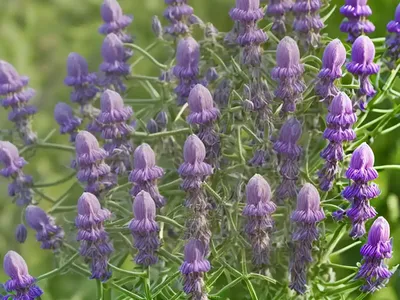
Vicia Faba ‘� Fava Beans)
Vicia faba, widely known as fava beans, is a fascinating and versatile plant that has been cultivated for thousands of years. The plant is a member of the.
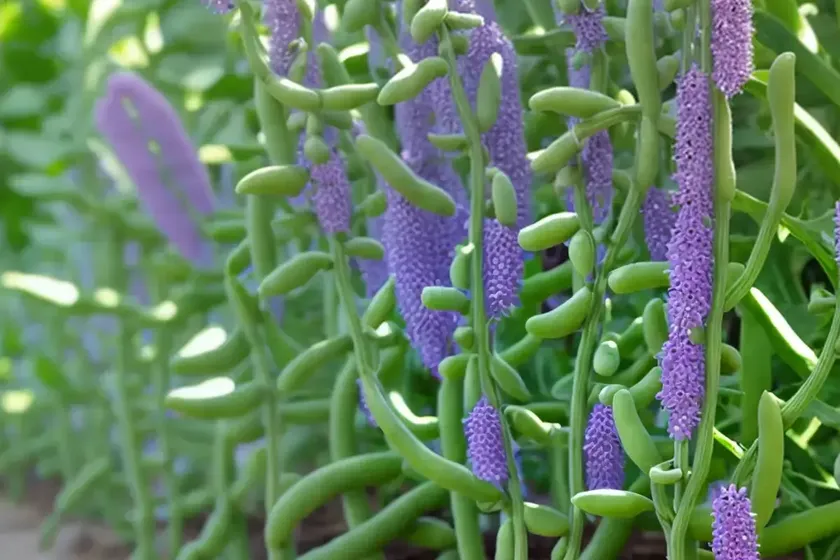
Vicia faba, widely known as fava beans, is a fascinating and versatile plant that has been cultivated for thousands of years. The plant is a member of the Fabaceae family and is valued not only for its culinary uses but also for its significant role in agriculture and ecology. In this comprehensive guide, we will explore the intricacies of Vicia faba, including its cultivation, uses, care tips, and much more.
Plant Name: Vicia faba
Vicia faba is commonly referred to as fava bean, broad bean, horse bean, or field bean. This cool-season legume is known for its ability to fix nitrogen in the soil, making it a valuable crop in sustainable agriculture systems. The plant is also favored for its high protein content and versatility in culinary applications.
Key Takeaways for Vicia faba (Fava Beans)
Before we delve into the specifics of cultivating and caring for Vicia faba, let’s take a look at the key takeaways for this remarkable plant:
- Vicia faba is a cool-season legume valued for its ability to fix nitrogen in the soil.
- The plant is rich in protein and is utilized in various culinary dishes worldwide.
- Cultivation of Vicia faba requires attention to water, sunlight, soil, and fertilizer needs.
- Proper pruning and care are essential for maintaining the health and productivity of fava beans.
- Vicia faba can be propagated through seeds and is suitable for both garden and container cultivation.
- The plant is susceptible to certain diseases and pests, requiring proactive management strategies.
- Understanding the growth stages and harvesting techniques is crucial for maximizing the yield of fava beans.
- Vicia faba has a rich historical and cultural significance, making it an intriguing subject for plant enthusiasts and botanists.
Now, let’s explore each aspect of Vicia faba in detail, starting with its cultural requirements.
Culture of Vicia faba (Fava Beans)
Water
Vicia faba plants have moderate water needs and require consistent moisture, especially during the flowering and pod development stages. Adequate irrigation is crucial for healthy plant growth and optimal yield. However, it’s important to avoid waterlogged conditions, as they can lead to root rot and other issues.
- Watering Tips:
- Provide regular watering, ensuring that the soil remains consistently moist but not waterlogged.
- Aim to water the plants at the base to minimize the risk of diseases and promote deep root growth.
- During dry spells, increase the frequency of watering to prevent excessive stress on the plants.
Sunlight
Fava beans thrive in full sun to partial shade, preferring at least 6-8 hours of sunlight per day. Adequate sunlight is essential for robust growth and the development of healthy, productive plants. In regions with hot summers, providing filtered afternoon shade can help prevent heat stress.
- Sunlight Requirements:
- Plant fava beans in a location that receives ample sunlight, especially during the morning hours.
- In hot climates, consider providing partial shade during the hottest part of the day to protect the plants from excessive heat.
Fertilizer
Proper fertility management is vital for the successful cultivation of fava beans. The plants benefit from a balanced fertilizer application, particularly one that is relatively high in phosphorus and potassium. Inoculating the seeds with rhizobia bacteria can enhance nitrogen fixation and overall plant health.
- Fertilization Guidelines:
- Prior to planting, incorporate well-decomposed organic matter into the soil to improve its nutrient content.
- Apply a balanced, low-nitrogen fertilizer at planting time to promote healthy growth without excessive vegetative development.
- Consider the soil’s nutrient levels and adjust the fertilizer application based on a soil test to meet the specific needs of the plants.
Soil
Vicia faba thrives in well-drained, fertile soil with a slightly acidic to neutral pH range. The plants are sensitive to acidic or alkaline conditions, so it’s essential to ensure that the soil pH is within the optimal range. Heavy clay soils should be amended with organic matter to improve drainage and aeration.
- Soil Preparation:
- Choose a well-drained site with loamy soil for planting fava beans.
- Test the soil pH and make necessary adjustments to bring it within the preferred range of 6.0-7.0.
- Incorporate compost or well-rotted manure into the soil to improve its structure and fertility.
Pruning Fava Beans
Pruning fava beans is not a common practice, as the plants typically do not require extensive pruning for optimal growth. However, removing any yellowing or diseased leaves, as well as spent flowers, can help maintain plant health and appearance. Additionally, thinning overcrowded seedlings early in the season can promote better air circulation and reduce the risk of disease.
- Pruning Guidelines:
- Regularly inspect the plants for any signs of disease or pest infestation, and promptly remove affected plant parts to prevent spread.
- Deadhead spent flowers to encourage continuous blooming and prevent seed formation, especially if the goal is to harvest tender pods for consumption.
Propagation of Vicia faba
Vicia faba is primarily propagated by seeds, which can be sown directly in the garden or in containers. The seeds should be planted at the appropriate depth and spacing to ensure optimal germination and plant establishment. Additionally, choosing high-quality, disease-free seeds is essential for successful propagation.
- Seed Propagation:
- Plant fava bean seeds directly in the garden after the danger of frost has passed and the soil has warmed up.
- Sow the seeds at a depth of 2-3 inches, spacing them 4-6 inches apart in rows that are 18-24 inches apart.
- Ensure that the soil remains consistently moist after planting to support germination and early growth.
Container Cultivation of Vicia faba
Vicia faba can also be grown in containers, making it a suitable option for gardeners with limited space or those who prefer the convenience of container gardening. When cultivating fava beans in containers, it’s important to select a container of adequate size and provide proper support for the plants as they grow.
- Container Gardening Tips:
- Choose a container that is at least 18 inches deep to accommodate the extensive root system of fava beans.
- Provide a trellis or stakes for support, especially for taller varieties, to prevent the plants from toppling over.
- Use a well-draining potting mix and ensure that the container has sufficient drainage holes to prevent waterlogging.
Popularity of Vicia faba
Fava beans have been cultivated for centuries and are valued for their nutritional content, versatility in cooking, and agricultural benefits. They are a staple in Mediterranean and Middle Eastern cuisines, where they are used in a variety of dishes, including soups, stews, salads, and spreads.
The plant’s ability to fix nitrogen in the soil makes it an important component of crop rotation and sustainable farming practices. Furthermore, fava beans are increasingly gaining popularity in modern cuisine and are recognized for their role in plant-based diets and sustainable food systems.
Common Diseases of Vicia faba
Vicia faba is susceptible to various diseases, including fungal, bacterial, and viral infections that can impact plant health and reduce yield. Familiarizing yourself with common diseases and their management strategies is essential for maintaining the productivity and vigor of fava bean plants.
Disease Diagnosis and Management
- Ascochyta Blight:
- Symptoms: Small, dark brown lesions on leaves and stems, often surrounded by yellow halos.
-
Management: Practice crop rotation, remove and destroy infected plant parts, and apply fungicidal sprays if necessary.
-
Chocolate Spot:
- Symptoms: Circular, dark brown spots with a distinctive “chocolate” appearance on leaves and pods.
-
Management: Improve air circulation, avoid overhead irrigation, and apply fungicidal treatments as a preventive measure.
-
Foot Rot:
- Symptoms: Rotting of the lower stem and root tissues, leading to wilting and stunted growth.
-
Management: Ensure proper soil drainage, avoid waterlogged conditions, and plant in well-drained locations.
-
Bean Rust:
- Symptoms: Orange to reddish-brown pustules on the undersides of leaves, often accompanied by yellowing and premature defoliation.
- Management: Plant resistant varieties, practice proper spacing to encourage air circulation, and apply fungicidal sprays if needed.
Common Pests Affecting Vicia faba
In addition to diseases, fava beans can be impacted by various pests that can diminish plant health and productivity. Identifying and managing common pests is crucial for preserving the vitality of fava bean plants and ensuring a successful harvest.
Pest Identification and Control
- Aphids:
- Identification: Small, soft-bodied insects that cluster on new growth and the undersides of leaves, often causing distortion and yellowing of plant tissues.
-
Control: Use insecticidal soaps, introduce beneficial insects, and hose off aphids with a strong stream of water.
-
Bean Beetles:
- Identification: Small, oval-shaped beetles that feed on foliage and can cause defoliation, especially in the larval stage.
-
Control: Handpick beetles, apply neem oil or insecticidal sprays, and use row covers as a preventive measure.
-
Thrips:
- Identification: Tiny, slender insects that feed on plant tissues, causing silvering or stippling of leaves and flower buds.
-
Control: Introduce predatory insects, use reflective mulches, and apply insecticidal oils to manage thrips populations.
-
Cutworms:
- Identification: Larvae that feed at the base of seedlings, often causing wilting and cutting off young plants at the soil level.
- Control: Use physical barriers, such as collars around seedlings, and apply biological insecticides containing Bacillus thuringiensis (Bt) as a targeted measure.
Botanist’s Tips for Growing Vicia faba
As a plant scientist with a passion for Vicia faba, I have compiled a set of tips to aid enthusiasts and gardeners in successfully cultivating fava beans:
- Soil Preparation: Invest time in preparing the soil by incorporating organic matter and ensuring proper drainage to create an optimal growing environment for fava beans.
- Adequate Support: Provide sturdy support for fava bean plants, especially in windy locations or when growing tall varieties, to prevent breakage and promote upward growth.
- Crop Rotation: Practice crop rotation to minimize the risk of disease and pest buildup, as well as to maintain soil fertility and structure.
- Timing of Planting: Plant fava beans early in the season, taking into account the soil temperature and the potential for frost, to allow the plants to establish before the onset of hot weather.
- Integrated Pest Management: Employ integrated pest management strategies, including biological controls, cultural practices, and targeted pesticide use, to effectively manage pests while minimizing environmental impact.
- Harvesting Techniques: Harvest fava beans at the appropriate stage to ensure optimal flavor and tenderness, and consider preserving excess harvest through freezing or drying for future use.
Fun Facts About Vicia faba
No exploration of Vicia faba would be complete without delving into some intriguing and lesser-known facts about fava beans:
- The cultivation of fava beans dates back to ancient civilizations, and they are believed to have been among the first domesticated crops.
- Fava beans are associated with a rich cultural and historical significance, often being employed in traditional rituals, folklore, and culinary traditions.
- The plant’s ability to fix nitrogen makes it an excellent cover crop and a valuable component of regenerative agriculture systems.
Links to External Resources
For further information on Vicia faba, I recommend exploring the following resources: