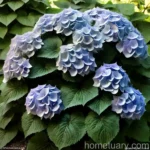
Panicle Hydrangea (Hydrangea paniculata ‘Tardiva’)
Hydrangeas are beloved for their stunning, large flower clusters and their ability to thrive in a variety of climates. Among the many hydrangea varieties, the Panicle Hydrangea, specifically Hydrangea paniculata ‘Tardiva’, stands out for its exceptional beauty and versatility. In this comprehensive guide, we will explore the key characteristics, culture, uses, and tips for the care of this magnificent plant.

What is a Plant: Panicle Hydrangea (Hydrangea paniculata ‘Tardiva’)?
Hydrangea paniculata ‘Tardiva’, commonly known as Panicle Hydrangea, is a deciduous shrub that belongs to the Hydrangeaceae family. This hydrangea variety is prized for its elongated, cone-shaped flower clusters and its robust, hardy nature. The ‘Tardiva’ cultivar is known for its late-blooming flowers, which appear in mid to late summer and persist well into the fall, adding interest and beauty to the landscape during the latter part of the growing season.
The Panicle Hydrangea is native to China and Japan and has become a popular choice for gardens, landscapes, and as a cut flower due to its gorgeous blooms and low maintenance requirements. Its ability to grow well in various soil conditions and its tolerance to urban pollution further contribute to its appeal as an ornamental plant.
Key Takeaways – Panicle Hydrangea (Hydrangea paniculata ‘Tardiva’)
Let’s delve into the key takeaways regarding the culture, uses, and care tips for the Panicle Hydrangea (Hydrangea paniculata ‘Tardiva’).
Culture
- Hardiness Zones: Panicle Hydrangeas are well-suited for USDA hardiness zones 3-8, making them adaptable to a wide range of climates.
- Growth Habit: This variety typically grows in a rounded or mounded shape, reaching a height of 8-12 feet and a spread of 6-10 feet.
- Flowering: The ‘Tardiva’ cultivar produces large, elongated, white flower clusters that gradually turn pinkish as fall approaches.
Uses
- Landscape Ornamental: Panicle Hydrangeas make an excellent choice for borders, hedges, and mass plantings, adding visual interest and beauty to the landscape throughout the summer and fall.
- Cut Flowers: The long-lasting blooms of Hydrangea paniculata ‘Tardiva’ are popular for fresh and dried flower arrangements, making them a versatile choice for floral displays.
Care Tips
- Water: These hydrangeas benefit from consistent moisture, particularly during the establishment phase and hot, dry periods.
- Sunlight: They thrive in full sun to partial shade, with a preference for morning sun and afternoon shade in hotter climates.
- Soil: Well-draining, fertile soil with a slightly acidic to neutral pH is ideal for optimal growth and flowering.
Now, let’s explore each of these aspects in detail to gain a deeper understanding of how to cultivate and care for this magnificent plant.
Water
Proper watering is crucial for the health and vitality of Panicle Hydrangeas. While these plants are relatively drought-tolerant once established, they benefit from consistent moisture to support healthy growth and abundant flowering. Here are some essential watering tips to ensure the well-being of your Hydrangea paniculata ‘Tardiva’:
Watering Tips
- Establishment Phase: Newly planted hydrangeas require regular watering to encourage strong root development. Provide approximately 1 inch of water per week during the first growing season, adjusting based on weather conditions.
- Deep Watering: When watering, ensure that the soil is thoroughly moistened to a depth of at least 6 inches to encourage deep root growth and drought tolerance.
- Mulching: Apply a 2-3 inch layer of organic mulch, such as shredded bark or compost, around the base of the plant to help retain soil moisture and regulate temperature.
By maintaining adequate soil moisture, you can promote healthy foliage and vibrant blooms, enhancing the overall beauty of your Panicle Hydrangea.
Sunlight
The amount of sunlight that Panicle Hydrangeas receive directly impacts their growth, flowering, and overall vitality. Understanding the sunlight requirements of Hydrangea paniculata ‘Tardiva’ is essential for ensuring optimal performance in your garden or landscape.
Sunlight Requirements
- Full Sun: In regions with mild summers, Panicle Hydrangeas thrive in full sun, which is defined as at least 6-8 hours of direct sunlight per day. Full sun exposure promotes robust growth and abundant flowering.
- Partial Shade: In hot climates, providing afternoon shade can help protect the plant from intense sun and prevent excessive wilting or sunscald. Morning sun and afternoon shade are often the ideal conditions for Panicle Hydrangeas in such areas.
When selecting a planting location for your Panicle Hydrangea, consider the sun exposure and climate of your region to create an environment that supports healthy, vigorous growth and prolific blooming.
Fertilizer
Applying the right fertilizer at the proper times can significantly enhance the growth, flowering, and overall health of Panicle Hydrangeas. By understanding the nutritional requirements of Hydrangea paniculata ‘Tardiva’ and following a consistent fertilization schedule, you can promote lush foliage and abundant, long-lasting blooms.
Fertilizing Schedule
- Early Spring: In early spring, as new growth begins, apply a balanced, slow-release fertilizer formulated for flowering shrubs. Follow the package instructions for the appropriate dosage based on the size and age of the plant.
- Summer: After the initial spring application, provide a supplemental feeding in early summer to support continuous growth and flowering. Use a water-soluble fertilizer designed for blooming plants for an additional boost of nutrients.
Avoid over-fertilizing, as excessive nitrogen can lead to excessive foliage at the expense of flower production. By adhering to a regular, moderate fertilization regimen, you can ensure that your Panicle Hydrangea remains healthy and vibrant throughout the growing season.
Soil
The soil composition, pH, and drainage all play vital roles in the overall health and performance of Panicle Hydrangeas. Understanding the soil requirements of Hydrangea paniculata ‘Tardiva’ is essential for creating an optimal growing environment and promoting vigorous growth and abundant flowering.
Soil Requirements
- Texture: Well-draining soil that retains moisture without becoming waterlogged is ideal for Panicle Hydrangeas. Amending heavy clay soils with organic matter, such as compost or peat moss, can improve drainage and aeration.
- pH Level: Panicle Hydrangeas prefer a slightly acidic to neutral soil pH in the range of 6.0-7.0. Conduct a soil test to determine the pH of your garden soil and make any necessary adjustments using lime or elemental sulfur.
- Fertility: Rich, fertile soil with ample organic matter provides essential nutrients and supports healthy root development, contributing to robust growth and prolific flowering.
By ensuring that your Panicle Hydrangea is planted in well-prepared soil that meets its specific requirements, you can create an environment that fosters optimal health and beauty.
Pruning
Proper pruning plays a crucial role in maintaining the shape, size, and flowering potential of Panicle Hydrangeas. Understanding when and how to prune Hydrangea paniculata ‘Tardiva’ is essential for promoting vigorous new growth, abundant blooms, and a tidy, well-maintained appearance.
Pruning Techniques
- Late Winter to Early Spring: Prune Panicle Hydrangeas in late winter to early spring before new growth emerges. Remove any dead, damaged, or weak wood, as well as crossing branches, to improve air circulation and encourage healthy growth.
- Blooming Stems: To encourage larger flower clusters, consider selectively pruning some of the older blooms to redirect the plant’s energy into producing new, robust growth and abundant blooms.
- Size Control: If necessary, reduce the size of the plant by up to one-third to maintain a compact, tidy appearance and promote fresh, vigorous growth.
By employing proper pruning techniques at the right times, you can help your Panicle Hydrangea achieve its full potential and maintain an attractive, well-proportioned form.
Propagation
Propagating Panicle Hydrangeas through various methods allows you to expand your collection of these exceptional plants and share their beauty with others. Understanding and applying the appropriate propagation techniques for Hydrangea paniculata ‘Tardiva’ enables you to create new plants with the same distinctive characteristics as the parent plant.
Propagation Methods
- Softwood Cuttings: In early summer, take 4-6 inch long cuttings from the current season’s growth and remove the lower leaves. Dip the cut ends in a rooting hormone and place them in a well-draining potting mix. Maintain high humidity and consistent moisture until roots develop, typically in 4-6 weeks.
- Division: Divide mature Panicle Hydrangeas in early spring before new growth emerges. Use a sharp, sterilized knife to separate healthy, vigorous sections with their own root systems, ensuring that each division has ample roots and shoots.
By utilizing these propagation methods, you can multiply your Panicle Hydrangea collection and share the beauty and versatility of Hydrangea paniculata ‘Tardiva’ with fellow enthusiasts and gardeners.
Container Popularity
The adaptability and visual appeal of Panicle Hydrangeas make them a popular choice for container gardening. Whether grown in large containers on patios and decks or used as the focal point of ornamental displays, these plants bring beauty and versatility to container gardens.
Container Planting Tips
- Size: Select a large, sturdy container with ample drainage holes to accommodate the mature size of the Panicle Hydrangea and provide space for robust root development.
- Soil Mix: Use a well-draining, high-quality potting mix formulated for shrubs and trees to provide essential nutrients and moisture retention.
- Watering: Container-grown hydrangeas may require more frequent watering compared to those planted in the ground, especially during hot, dry weather. Check the moisture level regularly and water as needed to prevent the soil from drying out completely.
By following these container planting tips, you can create stunning, portable displays of Panicle Hydrangeas and enjoy their beauty in various outdoor settings.
Common Diseases
While Panicle Hydrangeas are relatively resistant to diseases, certain environmental conditions and cultural practices can predispose them to specific issues.
Disease Diagnosis
- Powdery Mildew: White, powdery spots on the leaves indicate powdery mildew, a common fungal disease exacerbated by high humidity and poor air circulation. Prune affected areas and ensure proper spacing and ventilation to reduce humidity around the plant.
- Cercospora Leaf Spot: Circular, brown spots with a dark margin on the leaves are characteristic of Cercospora leaf spot, a fungal disease that thrives in warm, humid conditions. Remove and destroy affected foliage and avoid overhead watering to minimize the spread of the disease.
- Botrytis Blight: Gray mold on faded flowers and affected foliage indicates botrytis blight, a fungal disease favored by wet, cool conditions. Prune and dispose of affected parts and maintain good air circulation to prevent the recurrence of the disease.
By promptly diagnosing and addressing common diseases, you can protect the health and beauty of your Panicle Hydrangeas and ensure their continued vigor and resilience.
Common Pests
Panicle Hydrangeas are generally resistant to pests, but they may occasionally encounter certain insect nuisances that can impact their growth and appearance.
Pest Control
- Aphids: Aphids are small, soft-bodied insects that may gather on the undersides of leaves and suck sap from the plant, causing distortion and yellowing of foliage. Hose off aphids with a strong stream of water or treat infestations with insecticidal soap.
- Spider Mites: Spider mites thrive in hot, dry conditions and may cause stippling and webbing on the foliage. Increase humidity around the plant and apply insecticidal soap to control spider mite populations and protect the health of your Hydrangea paniculata ‘Tardiva’.
By implementing pest control measures when necessary, you can safeguard your Panicle Hydrangeas from potential damage and maintain their overall vitality and beauty.
Botanist’s Tips
As a botanist, I have gathered additional insights and tips for nurturing and appreciating the unique characteristics and beauty of Panicle Hydrangeas.
Additional Tips
- Companion Plants: Pair Panicle Hydrangeas with perennials such as Russian sage (Perovskia atriplicifolia), butterfly bush (Buddleja davidii), and ornamental grasses for a dynamic and visually appealing landscape display.
- Winter Care: In regions with cold winters, protect the base of the plant with a layer of mulch to insulate the roots and prevent frost damage. Avoid heavy pruning in late fall, as it may stimulate new growth that is vulnerable to frost.
- Wildlife Attraction: The fragrant flowers and nectar of Panicle Hydrangeas attract butterflies and other pollinators, contributing to a vibrant and biodiverse garden ecosystem.
By incorporating these botanist’s tips into your cultivation and care practices, you can further enhance the beauty and ecological value of your Panicle Hydrangea garden.
Fun Facts
Here are some intriguing and delightful fun facts about Panicle Hydrangeas that highlight their unique qualities and appeal:
Fascinating Tidbits
- Changing Colors: The flower clusters of some Panicle Hydrangea varieties transition from creamy white to pink or even deep red as the season progresses, offering an ever-changing display of color in the landscape.
- Large Flower Cones: The distinctive cone-shaped flower clusters of Panicle Hydrangeas can reach impressive sizes, adding drama and visual impact to garden beds and floral arrangements.
- Drought Tolerance: Despite their preference for moist soil, Panicle Hydrangeas exhibit remarkable tolerance to dry conditions once established, making them resilient and adaptable additions to the garden.
These fun facts add depth and character to the already captivating allure of Panicle Hydrangeas, enriching your appreciation for these remarkable plants.
Links to External Resources
For additional information, inspiration, and detailed insights into Panicle Hydrangeas, explore the following external resources:
These reputable organizations and resources provide valuable guidance and expertise on cultivating, caring for, and appreciating the unique qualities of Panicle Hydrangeas.
In conclusion, Panicle Hydrangea (Hydrangea paniculata ‘Tardiva’) embodies exquisite beauty, resilience, and versatility, making it an exceptional choice for gardens, landscapes, and floral displays. By understanding its cultural requirements, uses, and care tips, you can create a thriving and captivating Panicle Hydrangea garden that brings joy and beauty throughout the summer and into the fall. Whether used as a focal point, a border shrub, or a stunning cut flower, the Tardiva hydrangea is sure to captivate and delight with its magnificent blooms and enduring charm.