Panicle Hydrangea (Hydrangea paniculata ‘Bombshell’)
What is a Panicle Hydrangea?
Panicle hydrangea, scientifically known as Hydrangea paniculata ‘Bombshell,’ is a beautiful and versatile flowering shrub that belongs to the Hydrangeaceae family. The ‘Bombshell’ variety is a compact and hardy plant that is well-loved for its stunning blooms, easy maintenance, and adaptability to various soil types and climate conditions. With its cone-shaped flower clusters and impressive growth habits, panicle hydrangeas are a delightful addition to any garden or landscape setting.
In this comprehensive guide, we will delve into the various aspects of caring for and cultivating the panicle hydrangea. From its cultural requirements and uses to its preferred water and sunlight conditions, this article will serve as a valuable resource for both novice and seasoned gardeners alike.
Key Takeaways – Panicle Hydrangea (Hydrangea paniculata ‘Bombshell’)
Culture
- Panicle hydrangeas are renowned for their tolerance to different soil types, making them adaptable to various garden settings.
- These shrubs thrive in full sunlight but can also tolerate partial shade, providing flexibility in garden placement.
- ‘Bombshell’ hydrangeas are relatively low-maintenance and can be pruned to control their size and shape, making them suitable for both formal and informal gardens.
Uses
- Panicle hydrangeas are excellent choices for hedges, borders, and standalone ornamental shrubs.
- Their attractive blooms make them perfect for cut flower arrangements and floral displays.
- The ‘Bombshell’ variety, with its manageable size, is well-suited for container gardening and patio displays.
Water
- While panicle hydrangeas are relatively drought-tolerant once established, they benefit from regular watering, especially during dry periods.
- Consistent moisture is particularly important for young plants and those in containers.
Sunlight
- Panicle hydrangeas prefer full sunlight for optimal growth and blooming.
- They can tolerate partial shade, but their flowering may be reduced in shadier conditions.
Fertilizer
- These shrubs benefit from a balanced, slow-release fertilizer applied in early spring.
- Avoid excessive use of high-nitrogen fertilizers, as they may promote lush foliage at the expense of flower production.
Soil
- Panicle hydrangeas thrive in well-draining, loamy soils with a slightly acidic to neutral pH.
- Amending the soil with organic matter can improve its structure and fertility, enhancing the plant’s overall health.
Pruning
- Pruning panicle hydrangeas can help maintain their shape, promote air circulation, and encourage vigorous growth.
- Regular deadheading of spent blooms can extend the flowering period and improve the plant’s appearance.
Propagation
- Propagation of panicle hydrangeas can be achieved through stem cuttings, division of mature plants, or layering.
- Taking cuttings in early summer and providing the right environmental conditions can result in successful propagation.
Container Popularity
- The compact size and manageable nature of ‘Bombshell’ panicle hydrangeas make them popular choices for container gardening.
- Their stunning blooms and adaptable growth habits make them versatile additions to outdoor living spaces and urban gardens.
Common Diseases
- Panicle hydrangeas are generally resilient to most diseases, but they may be susceptible to issues such as powdery mildew, leaf spots, and root rot in poorly-drained soils.
- Proper cultural care and regular monitoring can help prevent and manage common diseases effectively.
Disease Diagnosis
- Identifying signs of disease, such as discolored or distorted leaves, wilting, or unusual growths, can prompt timely interventions to protect the plant’s health.
- Consult with local gardening experts or extension services for accurate diagnosis and treatment recommendations.
Common Pests
- Panicle hydrangeas may attract pests such as aphids, mites, and scale insects, particularly in stressed or crowded growing conditions.
- Regular inspections and the use of horticulturally-approved insecticides can help manage pest infestations.
Botanist’s Tips
- Observing the specific growth habits and flowering patterns of panicle hydrangeas can provide valuable insights into their individual needs and preferences.
- Experimenting with different planting locations, soil amendments, or pruning techniques can lead to a deeper understanding of the plant’s adaptability.
Fun Facts
- The ‘Bombshell’ variety of panicle hydrangea derives its name from its compact and showy nature, making it a standout choice in the garden.
- Panicle hydrangeas are known for their color-changing blooms, with some varieties displaying shades of white, pink, and even red as they mature.
Links to External Resources
For additional information on panicle hydrangeas and related topics, consider exploring the following resources:
– American Horticultural Society – Panicle Hydrangea Cultivation Guide
– University of Maryland Extension – Common Pests and Diseases of Hydrangeas
– Royal Horticultural Society – Pruning Hydrangeas: A Comprehensive Guide
In the subsequent sections, we will delve deeper into the various facets of panicle hydrangea care, covering topics such as preferred growing conditions, maintenance tips, and potential uses in landscaping and garden design. Let’s explore the world of panicle hydrangeas and discover the secrets to cultivating these captivating shrubs.
Plant Name: Panicle Hydrangea (Hydrangea paniculata ‘Bombshell’)
Panicle Hydrangea Care
Hydrangea paniculata ‘Bombshell’ Varieties
The ‘Bombshell’ variety of panicle hydrangea belongs to the Hydrangea paniculata species, known for its robust growth and stunning panicle-shaped inflorescences. While ‘Bombshell’ is celebrated for its compact size and prolific blooms, the broader species encompasses a diverse array of cultivars, each with its unique characteristics and growth habits.
Some popular varieties of Hydrangea paniculata beyond ‘Bombshell’ include:
- ‘Limelight’: Notable for its lime green blooms that transition to pink in autumn.
- ‘Little Lamb’: Featuring delicate, cone-shaped flower heads and a more diminutive stature.
- ‘Pinky Winky’: Recognized for its bicolor blooms, with white and pink segments on the same panicle.
How to Grow Panicle Hydrangea
Cultivating panicle hydrangeas successfully begins with understanding and addressing their specific cultural requirements. Here are essential guidelines for growing these lovely shrubs:
Panicle Hydrangea Planting Guide
- Select a planting site with well-draining soil and ample sunlight, ensuring good air circulation around the shrub.
- Dig a hole that is twice as wide and just as deep as the plant’s root ball, then backfill with soil mixed with organic matter.
- Water the newly planted hydrangea thoroughly and provide regular moisture during the establishment period.
Panicle Hydrangea Pruning Tips
- Prune the shrub in late winter or early spring to remove any dead or damaged branches, encourage new growth, and shape the plant as desired.
- Deadhead spent blooms throughout the growing season to prolong flowering and maintain a neat appearance.
Panicle Hydrangea Soil Requirements
- Plant panicle hydrangeas in loamy, well-draining soil with a pH range of 6.0 to 7.5 for optimal growth.
- Amending the soil with compost or well-rotted manure can improve its fertility and structure, enhancing the plant’s performance.
Panicle Hydrangea Water Needs
- Provide regular watering to young panicle hydrangeas, ensuring that the soil remains consistently moist but not waterlogged.
- Established shrubs are relatively drought-tolerant but benefit from supplemental irrigation during prolonged dry spells.
Hydrangea paniculata ‘Bombshell’ Characteristics
Panicle Hydrangea Growth Habit
- ‘Bombshell’ panicle hydrangeas typically exhibit a compact, rounded growth habit, making them suitable for smaller garden spaces or container plantings.
- Their vigorous growth and prolific blooms contribute to their appeal as ornamental shrubs in various landscape settings.
Hydrangea paniculata ‘Bombshell’ Maintenance
- ‘Bombshell’ hydrangeas require minimal maintenance, with occasional pruning and fertilization to promote healthy growth and flowering.
- Regular inspection for pests and diseases is recommended to address any potential issues promptly.
Tips for Growing Panicle Hydrangea
- Select suitable companion plants that complement the panicle hydrangea’s growth habits and blooming seasons, creating harmonious garden displays.
- Experiment with different planting locations, soil amendments, or microclimate adjustments to observe the plant’s response and adaptability.
Hydrangea paniculata ‘Bombshell’ Blooms
Panicle Hydrangea Color Variations
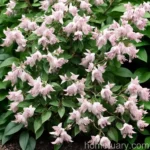
- The ‘Bombshell’ variety typically produces cone-shaped flower clusters in creamy white hues, which may gradually transition to pink tones as they age.
- Other cultivars within the species offer a spectrum of bloom colors, from pure white to deep pink and even reddish hues, adding versatility to garden designs.
Panicle Hydrangea Landscape Uses
- ‘Bombshell’ panicle hydrangeas are well-suited for ornamental borders, mixed shrub plantings, and foundation plantings, adding visual interest and seasonal charm to the landscape.
- With their appealing blooms and natural resilience, they contribute to diverse garden styles, from formal to cottage and woodland gardens.
Panicle Hydrangea Varieties and Cultivars
- In addition to ‘Bombshell,’ enthusiasts can explore a wide range of panicle hydrangea cultivars, each offering distinctive bloom characteristics, growth habits, and adaptability to specific conditions.
- Researching and experimenting with different varieties can expand the palette of options for incorporating panicle hydrangeas into garden designs.
Hydrangea paniculata ‘Bombshell’ Plant Size
- ‘Bombshell’ panicle hydrangeas typically reach a mature height and spread of 3-4 feet, making them suitable for smaller garden spaces, containers, and mixed borders.
- Their manageable size and bushy nature contribute to their versatility in garden layouts and design concepts.
Panicle Hydrangea Seasonal Care
Panicle Hydrangea Winter Care
- Mulch the base of panicle hydrangeas in late fall to protect the roots from freezing temperatures and fluctuations.
- Monitor the shrubs for snow or ice accumulation and gently remove any excessive weight to prevent branch breakage.
Hydrangea paniculata ‘Bombshell’ Flower Arrangements
- The attractive blooms of ‘Bombshell’ panicle hydrangeas lend themselves well to cut flower arrangements and floral displays, adding a touch of elegance and natural beauty to interior spaces.
- Choose freshly cut blooms with firm, intact petals for longer-lasting and visually appealing arrangements.
Panicle Hydrangea Bloom Period
- Panicle hydrangeas, including the ‘Bombshell’ variety, typically bloom from midsummer to early autumn, providing a late-season burst of color and texture in the garden.
- Enjoy the evolving hues of the blooms as they age, offering an ever-changing display of beauty in outdoor and indoor settings.
Hydrangea paniculata ‘Bombshell’ Garden Design Ideas
- Incorporate ‘Bombshell’ panicle hydrangeas into your garden design to create focal points, borders, or mass plantings, accentuating the landscape with their stunning blooms and verdant foliage.
- Consider combining them with other flowering shrubs, perennials, or ornamental grasses to create visually captivating and diverse garden compositions.
Panicle Hydrangea Insect Control Methods
- Regular monitoring for aphids, mites, and scale insects can help detect and address potential pest issues promptly.
- Implementing cultural practices and, if necessary, targeted insecticidal treatments can effectively manage pest populations without harming beneficial organisms.
Hydrangea paniculata ‘Bombshell’ Disease-Resistant Traits
- While panicle hydrangeas, including ‘Bombshell,’ are generally resilient to many diseases, they may benefit from regular inspections and preventative measures to maintain their health and vigor.
- Adopting good cultural practices and providing optimal growing conditions can enhance the plant’s natural resistance to stress and pathogens.
Panicle Hydrangea Water Conservation Tips
- Use methods such as mulching, proper irrigation scheduling, and efficient watering techniques to conserve water while promoting the health and vitality of panicle hydrangeas.
- Consider installing rain barrels or other water capture systems to utilize natural water sources for landscape maintenance.
Hydrangea paniculata ‘Bombshell’ Container Gardening Tips
- Select well-draining containers of adequate size to accommodate the root system and future growth of ‘Bombshell’ panicle hydrangeas in a container setting.
- Regularly monitor soil moisture and provide appropriate fertilization to support the shrub’s growth and flowering in containers.
Panicle Hydrangea Full Sun Requirements
- Position ‘Bombshell’ panicle hydrangeas in areas that receive at least 6 hours of direct sunlight per day to ensure robust growth and abundant blooming.
- In hotter climates, consider providing partial shade during the hottest part of the day to prevent stress and dehydration.
Hydrangea paniculata ‘Bombshell’ Shade Garden Ideas
- Incorporate ‘Bombshell’ panicle hydrangeas into shaded garden areas, taking advantage of their partial shade tolerance to add texture and color to understory plantings.
- Combine them with other shade-loving perennials and ferns to create visually compelling and balanced shade gardens.
Panicle Hydrangea Winter Hardiness
- ‘Bombshell’ panicle hydrangeas exhibit good winter hardiness, particularly when adequately mulched and protected from harsh weather conditions.
- Selecting suitable planting locations and providing winter care can help ensure the shrub’s survival and resilience during cold periods.
Hydrangea paniculata ‘Bombshell’ Root System
- The root system of ‘Bombshell’ panicle hydrangeas typically consists of fibrous roots that spread outward to gather nutrients and water from the surrounding soil.
- Avoid disturbing the roots excessively during planting or transplanting to minimize stress and ensure the shrub’s establishment.
Panicle Hydrangea Soil pH Preferences
- Maintain the soil pH around ‘Bombshell’ panicle hydrangeas within the recommended range of 6.0 to 7.5 through periodic soil testing and appropriate amendments.
- Adjusting the pH as needed can influence the availability of essential nutrients and support the shrub’s overall health and vigor.
Hydrangea paniculata ‘Bombshell’ Companion Plants for Pollinators
- Integrate companion plants such as butterfly-attracting flowers, bee-friendly perennials, and nectar-rich annuals to create a pollinator-friendly garden environment around ‘Bombshell’ panicle hydrangeas.
- Support and promote biodiversity by creating diverse habitats for beneficial insects and other wildlife.
Panicle Hydrangea Flower Arrangements for Weddings
- Selecting freshly cut ‘Bombshell’ panicle hydrangea blooms for wedding floral arrangements can add an element of timeless elegance and natural beauty to the ceremony and reception.
- Consider pairing the blooms with complimentary flowers and greenery for cohesive and visually striking bridal bouquets and centerpieces.
Hydrangea paniculata ‘Bombshell’ Landscaping Inspiration
- Explore various landscaping concepts and themes, such as formal, cottage, or naturalistic designs, to incorporate ‘Bombshell’ panicle hydrangeas into diverse outdoor settings and aesthetics.
- Experiment with spatial arrangements, color schemes, and planting combinations to enhance the visual impact of garden landscapes.
Panicle Hydrangea Pruning Calendar
- Develop a pruning calendar for ‘Bombshell’ panicle hydrangeas, taking into account the plant’s growth habits and flowering patterns to schedule appropriate maintenance tasks throughout the year.
- Monitor the shrubs for any signs of damage, disease, or irregular growth that may necessitate specific pruning interventions.
Hydrangea paniculata ‘Bombshell’ Container Maintenance
- Regularly inspect the condition of containers housing ‘Bombshell’ panicle hydrangeas, ensuring proper drainage, soil moisture, and nutrient availability.
- Repotting as needed, refreshing the growing medium, and providing optimal growing conditions can promote the shrub’s health and longevity in containers.
Panicle Hydrangea Fragrant Varieties
- While ‘Bombshell’ panicle hydrangeas are not particularly known for their fragrance, some other cultivars within the species may exhibit varying degrees of scent in their blooms.
- Research fragrant varieties of panicle hydrangeas to include aromatic accents in garden designs and sensory experiences.
Hydrangea paniculata ‘Bombshell’ Drought Tolerance
- Despite their relative tolerance to drought once established, ‘Bombshell’ panicle hydrangeas benefit from consistent moisture during dry periods, particularly in regions with hot summers or limited rainfall.
- Implement water-saving practices and consider appropriate irrigation solutions to support the shrub’s drought tolerance.
Panicle Hydrangea Shade Garden Design Ideas
- Utilize ‘Bombshell’ panicle hydrangeas in shaded garden areas to introduce dynamic texture, vertical interest, and seasonal color changes within the understory plantings.
- Experiment with light and shade combinations to create visually engaging and cohesive shade garden designs.
Hydrangea paniculata ‘Bombshell’ Pest Control Methods
- Implement integrated pest management strategies, including regular monitoring, cultural practices, and targeted treatments, to manage pest issues without compromising the overall garden ecosystem.
- Encourage natural predators and beneficial insects to aid in pest control around ‘Bombshell’ panicle hydrangeas.
Panicle Hydrangea Color-Changing Tips
- While ‘Bombshell’ panicle hydrangeas generally maintain their creamy white to lightly pink coloring, some other panicle hydrangea varieties may exhibit distinct color changes in their blooms.
- Research color-changing cultivars to introduce captivating visual elements and seasonal dynamics into garden landscapes.
Hydrangea paniculata ‘Bombshell’ Deer-Resistant Varieties
- Consider incorporating deer-resistant varieties of panicle hydrangeas, including ‘Bombshell,’ into garden spaces where deer browsing may pose a challenge to plantings.
- Select suitable fencing or deterrent methods to protect vulnerable plants from deer foraging.
Panicle Hydrangea Drought-Tolerant Landscaping
- Utilize ‘Bombshell’ panicle hydrangeas in drought-tolerant landscape designs, taking advantage of their resilience and adaptability to dry conditions in garden settings.
- Combine them with other drought-tolerant perennials, grasses, and succulents to create visually stunning and water-efficient gardens.
As you embark on your journey of growing and caring for panicle hydrangeas, explore the diverse recommendations and insights provided in this guide to enhance your understanding and appreciation of these remarkable shrubs. By incorporating these tips and practices into your gardening endeavors, you can cultivate thriving and visually captivating panicle hydrangeas that enrich your outdoor spaces and bring joy to your gardening pursuits.
In conclusion, the panicle hydrangea (Hydrangea paniculata ‘Bombshell’) offers a myriad of opportunities for gardeners and landscaping enthusiasts to explore and enjoy. Its dependable performance, captivating blooms, and adaptability to various environmental conditions make it a versatile and rewarding addition to any garden or landscape setting. By familiarizing yourself with the specific caretaking requirements and potential uses of this lovely shrub, you can unlock its full ornamental potential and contribute to the beauty and vibrancy of your outdoor