Bigleaf Hydrangea (Hydrangea macrophylla ‘Berlin Rabe’ CITYLINE BERLIN): A Botanist’s Guide

Bigleaf hydrangea, scientifically known as Hydrangea macrophylla ‘Berlin Rabe’ CITYLINE BERLIN, is a stunning flowering plant that is cherished by both horticulturists and garden enthusiasts. This botanical marvel is not only revered for its exquisite blooms but also for its adaptability to different environments and its ease of cultivation. In this comprehensive guide, we will delve into the various aspects of this splendid plant, from its culture and uses to its maintenance, common diseases, and much more.
What is Bigleaf Hydrangea (Hydrangea macrophylla ‘Berlin Rabe’ CITYLINE BERLIN)?
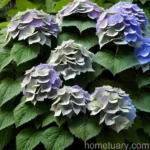
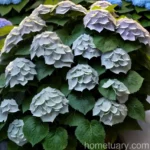
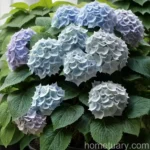
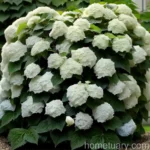
Bigleaf hydrangea, Hydrangea macrophylla, is a deciduous shrub belonging to the Hydrangeaceae family. Its specific cultivar, ‘Berlin Rabe’ CITYLINE BERLIN, is renowned for its compact growth habit and vibrant floriferous display. The plant features large, glossy green leaves and clusters of pom-pom-like flowers, which can range in color from pink and blue to lavender, depending on the soil pH. ‘Berlin Rabe’ CITYLINE BERLIN is a versatile plant that can thrive in various landscape settings, from containers to garden beds, and is a valuable addition to any garden or outdoor space.
Key Takeaways – Bigleaf Hydrangea (Hydrangea macrophylla ‘Berlin Rabe’ CITYLINE BERLIN)
Before we delve into the specifics of its cultivation and maintenance, let’s take a quick look at the key takeaways for Bigleaf Hydrangea:
- Common Name: Bigleaf Hydrangea
- Scientific Name: Hydrangea macrophylla ‘Berlin Rabe’ CITYLINE BERLIN
- Plant Type: Deciduous shrub
- Notable Feature: Prolific, colorful blooms
- Uses: Ornamental garden plant
- Hardiness: USDA Hardiness Zones 5-9
- Soil pH: Acidic to slightly alkaline
- Sunlight: Partial shade to full sun
- Mature Height: 2-3 feet
- Maintenance: Moderate
Now that we have an overview of this captivating plant, let’s explore its culture, uses, and specific care requirements in detail.
Culture
Cultivating Bigleaf Hydrangea involves understanding its preferred growing conditions, including watering, sunlight, fertilizer application, and soil requirements. By providing the optimal cultural conditions, you can ensure the plant thrives and produces bountiful blooms.
Uses
Bigleaf Hydrangea is primarily valued for its ornamental appeal, making it a popular choice for landscaping and garden design. Its vibrant blooms and lush foliage can be showcased in various settings, from formal garden borders to informal cottage-style landscapes.
Water
Proper watering is essential for the health and vitality of Bigleaf Hydrangea. The plant prefers consistently moist, well-draining soil, especially during the growing season. However, it is crucial to avoid waterlogging, as excessive moisture can lead to root rot and other detrimental conditions.
Sunlight
When it comes to sunlight requirements, Bigleaf Hydrangea thrives in partial shade to full sun. In warmer climates, providing some afternoon shade can help prevent the plant from wilting or experiencing stress during the peak of the day. Adequate sunlight also contributes to robust blooming.
Fertilizer
Regular fertilization is beneficial for promoting healthy growth and prolific blooms in Bigleaf Hydrangea. Applying a balanced, slow-release fertilizer in spring, just as new growth emerges, can provide the plant with the nutrients it needs to flourish throughout the season.
Soil
Bigleaf Hydrangea prefers well-draining, humus-rich soil with a slightly acidic to slightly alkaline pH. Maintaining the appropriate soil pH is crucial for controlling the flower color, as it directly influences the availability of aluminum in the soil, which, in turn, affects the pigment in the blooms.
Pruning
Pruning Benefits
Pruning Bigleaf Hydrangea serves several purposes, including:
- Enhancing plant vigor
- Shaping the plant for aesthetic appeal
- Removing dead or damaged growth
- Controlling the size of the plant
Pruning Procedure
Timing
When it comes to pruning Bigleaf Hydrangea, timing is crucial. The optimal time for pruning depends on the specific type of hydrangea and its flowering characteristics.
Recommendations
Here are some general pruning guidelines for Bigleaf Hydrangea:
- Deadheading: Remove spent blooms to encourage new flower buds.
- Spring Pruning: Prune any dead or weak branches in early spring to promote healthy growth.
- Minimal Pruning: Avoid excessive pruning, as it can remove potential flower buds for the next season.
Propagation
Propagating Bigleaf Hydrangea allows you to expand your plant collection or share its beauty with others. The two primary methods of propagation for this plant are through cuttings and layering.
Cuttings
Taking stem cuttings from a healthy, established plant is a common and successful way to propagate Bigleaf Hydrangea. Opt for softwood or semi-hardwood cuttings, and provide the appropriate conditions for rooting.
Layering
Air layering is another effective method for propagating Bigleaf Hydrangea. This technique involves creating a wounded portion on a stem, encouraging root development, and ultimately separating the new plant from the parent.
Container Popularity
Bigleaf Hydrangea thrives in containers, adding a burst of color and elegance to patios, balconies, and other outdoor living spaces. Their adaptability to container planting makes them a favored choice for individuals with limited garden space.
Container Care
When planting Bigleaf Hydrangea in containers, consider the following tips:
- Container Selection: Choose a spacious container with adequate drainage holes to accommodate the plant’s root system.
- Potting Mix: Use a well-aerated, moisture-retentive potting mix that provides the necessary nutrients for the plant.
- Watering: Check the soil moisture regularly and water when the top inch of the soil feels dry.
- Sunlight: Position the container in a location that receives the appropriate amount of sunlight based on the plant’s needs.
Common Diseases
Like all plants, Bigleaf Hydrangea is susceptible to certain diseases, particularly when grown under unfavorable conditions. Being aware of common diseases and their symptoms can help in early diagnosis and effective management.
Disease Diagnosis
Some common diseases that affect Bigleaf Hydrangea include:
- Powdery Mildew: Characterized by a powdery white coating on the leaves and stems.
- Leaf Spot: Manifests as irregularly shaped spots on the foliage, often with a dark border.
- Botrytis Blight: Causes browning and deterioration of flowers and leaves.
Common Pests
Certain pests can pose a threat to the health and appearance of Bigleaf Hydrangea. By recognizing the signs of pest infestations, swift action can be taken to mitigate their impact on the plant.
Botanist’s Tips
Based on experience and expert insights, here are some valuable tips for cultivating and caring for Bigleaf Hydrangea:
- Soil pH Management: Monitor and adjust the soil pH to influence the flower color in acidic soils (blue) or alkaline soils (pink).
- Mulching: Apply a layer of organic mulch around the base of the plant to conserve soil moisture and maintain even soil temperatures.
- Winter Protection: Provide adequate winter protection, especially for young or newly planted hydrangeas, to shield them from harsh weather conditions.
Fun Facts
Discover some intriguing and lesser-known facts about Bigleaf Hydrangea:
- The flower color of Bigleaf Hydrangea can change depending on the pH of the soil, with acidic soils yielding blue flowers and alkaline soils producing pink flowers.
- Hydrangea macrophylla is native to Japan, where it is known as “ajisai” and is celebrated as a symbol of the rainy season.
- Bigleaf Hydrangea exhibits a fascinating phenomenon known as “seasonal flowering reversion,” where a plant that previously produced blue or pink flowers may display a different color in subsequent blooming seasons due to fluctuating soil pH and aluminum availability.
Links to External Resources
For additional insights and detailed information about Bigleaf Hydrangea, explore the following external resources:
- American Hydrangea Society
- Royal Horticultural Society – Hydrangeas
- University of Missouri Extension – Hydrangeas
- The Hydrangea Guide – Growing and Caring for Hydrangeas
This comprehensive guide provides an in-depth understanding of Bigleaf Hydrangea (Hydrangea macrophylla ‘Berlin Rabe’ CITYLINE BERLIN), covering various aspects of cultivation, maintenance, and valuable insights for plant enthusiasts and horticulturalists. By incorporating the recommended practices and considering the specific needs of this remarkable plant, you can enjoy the splendor of its blooms and vibrant foliage in your garden or landscape.
References
-
“American Hydrangea Society.” https://americanhydrangeasociety.org/
-
“Royal Horticultural Society – Hydrangeas.” https://www.rhs.org.uk/plants/popular/hydrangeas
-
“University of Missouri Extension – Hydrangeas.” https://extension2.missouri.edu/g6830
-
“The Hydrangea Guide – Growing and Caring for Hydrangeas.” https://www.thehydrangeaguide.com/