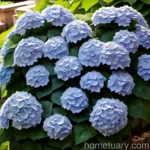
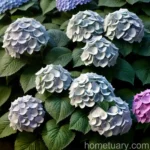
Bigleaf Hydrangea (Hydrangea macrophylla ‘Pia’): A Comprehensive Guide
Bigleaf hydrangea, scientifically known as Hydrangea macrophylla ‘Pia,’ is a stunning flowering shrub that has captured the hearts of gardeners and plant enthusiasts around the world. Admired for its large, showy blossoms and lush foliage, this versatile plant is a popular choice for gardens, landscapes, and even container gardening. In this comprehensive guide, we will delve into all aspects of caring for and cultivating bigleaf hydrangea, from its cultural requirements to its common diseases and pests. Whether you’re a seasoned gardener or a beginner looking to add a touch of elegance to your outdoor space, this guide will equip you with the knowledge and insights to successfully grow and nurture the beautiful bigleaf hydrangea.
What is Bigleaf Hydrangea (Hydrangea macrophylla ‘Pia’)?
Bigleaf hydrangea, or Hydrangea macrophylla ‘Pia,’ is a deciduous shrub that belongs to the Hydrangeaceae family. Native to Japan, Korea, and China, it is widely cultivated for its exquisite blooms, which can vary in color depending on the soil pH. The plant’s common name, bigleaf hydrangea, refers to its large, glossy, and deeply-veined leaves, which provide an attractive backdrop to the abundant clusters of flowers.
The ‘Pia’ cultivar is cherished for its compact growth habit, making it well-suited for smaller gardens and containers. With proper care and maintenance, bigleaf hydrangea can thrive and bring a touch of enchanting beauty to a range of outdoor settings.
Let’s explore the key aspects of cultivating and caring for Hydrangea macrophylla ‘Pia’ in greater detail.
Key Takeaways – Bigleaf Hydrangea (Hydrangea macrophylla ‘Pia’)
Before diving into the specifics of growing and tending to bigleaf hydrangea, let’s highlight the key takeaways that we’ll be covering in this comprehensive guide:
Culture
- Understanding the cultural requirements, including water, sunlight, and soil conditions, for optimal growth and blooming.
- Exploring the uses of bigleaf hydrangea in gardens, landscapes, and container gardening.
Propagation
- Learning the techniques for propagating Hydrangea macrophylla ‘Pia’ to expand your plant collection or share with fellow gardening enthusiasts.
Container Gardening
- Insights into growing bigleaf hydrangea in containers, along with tips for successful container gardening.
Pruning
- Detailed guidance on pruning bigleaf hydrangea to maintain its shape, encourage prolific flowering, and promote overall plant health.
Common Diseases and Pests
- Understanding the common diseases and pests that can affect bigleaf hydrangea, along with strategies for effective diagnosis and management.
Fun Facts
- Uncovering intriguing and lesser-known facts about bigleaf hydrangea that add to the allure of this captivating plant.
With these key takeaways in mind, let’s embark on a journey to discover the beauty and intricacies of bigleaf hydrangea.
Culture
Water
Proper watering is essential for the health and vitality of bigleaf hydrangea. Like many flowering shrubs, it requires consistent moisture, especially during the active growing season and flowering period. However, it is important to avoid overwatering, as waterlogged soil can lead to root rot and other detrimental conditions.
When watering bigleaf hydrangea, it is advisable to follow these guidelines:
- Consistent Moisture: Maintain soil moisture levels by watering the plant deeply but infrequently, allowing the soil to partially dry out between watering sessions.
- Avoid Waterlogging: Ensure that the planting site has well-draining soil to prevent water from accumulating around the roots.
- Mulching: Apply a layer of organic mulch around the base of the plant to help retain soil moisture and regulate soil temperature.
Sunlight
Bigleaf hydrangea thrives in partially shaded or dappled sunlight conditions, especially in regions with hot summers. While it can tolerate some morning sun, it generally benefits from protection against intense afternoon sun, which can cause leaf scorch and diminish the vibrancy of the flowers.
When selecting a planting site for bigleaf hydrangea, consider the following sunlight requirements:
- Partial Shade: Choose a location that receives morning sun and filtered shade during the hottest part of the day.
- Protection from Harsh Sun: Shield the plant from prolonged exposure to intense sunlight, particularly in regions with high temperatures and dry air.
- Adjustable Sunlight: Keep in mind that the plant’s sunlight preferences may vary based on local climate and environmental factors, so it is important to monitor its response to light conditions.
Fertilizer
Proper fertilization can significantly impact the growth, blooming, and overall health of bigleaf hydrangea. By providing essential nutrients in the right balance, you can promote robust foliage and abundant, vibrant flowers. Understanding the timing and type of fertilizer to use is crucial for supporting the plant’s specific needs.
Here are some fertilizer guidelines for cultivating bigleaf hydrangea:
- Balanced Fertilizer: Use a slow-release, balanced fertilizer formulated for flowering shrubs, applying it in early spring before new growth emerges.
- Avoid Excessive Nitrogen: Refrain from using high-nitrogen fertilizers, as they can promote excessive vegetative growth at the expense of flower production.
- Organic Alternatives: Consider organic fertilizers, such as compost or well-rotted manure, to enrich the soil and provide a gentle, sustained nutrient supply.
Soil
The soil composition and pH level play a pivotal role in the growth and color development of bigleaf hydrangea’s flowers. Understanding the optimal soil conditions, as well as the influence of pH on flower color, can help you create an environment that enhances the plant’s visual appeal.
Key considerations for soil cultivation include:
- Acidic Soil for Blue Flowers: To achieve blue blossoms, maintain acidic soil with a pH range of 5.0 to 5.5. Acid-loving fertilizer or amendments, such as elemental sulfur, can help lower the pH if necessary.
- Alkaline Soil for Pink Flowers: For pink flowers, aim for slightly alkaline soil with a pH range of 6.0 to 6.2. Adding lime or alkaline soil amendments can raise the pH to the desired level.
- Well-Draining Soil: Ensure that the soil has good drainage to prevent waterlogging, as excessively wet conditions can lead to root rot and other issues.
Pruning
Pruning is an essential aspect of bigleaf hydrangea care, helping to maintain an attractive shape, rejuvenate older plants, and stimulate vigorous blooming. Understanding the timing and techniques for pruning can ensure that your hydrangea remains healthy and visually appealing throughout the growing season.
Key pruning considerations for bigleaf hydrangea include:
- Timing: Prune the plant immediately after flowering, typically in late summer or early fall, to avoid removing the developing flower buds for the following year.
- Deadheading Spent Blooms: Promptly remove faded flowers to encourage the production of new blooms and prevent seed formation, which can sap the plant’s energy.
- Selective Removal of Stems: Thin out older, woody stems to encourage the growth of new, vigorous shoots and maintain a balanced, open structure.
Now that we’ve explored the cultural aspects of caring for bigleaf hydrangea, let’s turn our attention to its propagation, including methods for expanding your plant collection through careful cultivation.
Propagation
Propagating bigleaf hydrangea allows you to create new plants from existing specimens, whether for personal enjoyment, sharing with other gardening enthusiasts, or expanding your garden or landscape. There are several methods of propagation that can be used to successfully propagate Hydrangea macrophylla ‘Pia.’
Division
Dividing established plants is a straightforward method of propagation that involves separating the root ball or crown of the plant into smaller sections, each of which can develop into a new individual plant. This method is ideally carried out in early spring before new growth begins, allowing the divided sections to establish themselves during the growing season.
Here are the basic steps for propagating bigleaf hydrangea through division:
- Prepare the Plant: Dig up the parent plant, taking care to preserve the root ball and as much of the root system as possible.
- Separate the Sections: Gently divide the root ball into smaller sections, ensuring that each division has healthy roots and several stems or buds.
- Replant the Divisions: Plant each divided section in a suitable location with well-prepared soil, water thoroughly, and provide appropriate aftercare to promote establishment.
Softwood Cuttings
Taking softwood cuttings from healthy, actively growing shoots is another effective method of propagating Hydrangea macrophylla ‘Pia.’ Softwood cuttings are typically taken in early summer, when the new growth is still tender and green, making them conducive to rooting and establishing new plants.
Follow these steps to propagate bigleaf hydrangea from softwood cuttings:
- Select and Prepare Cuttings: Choose healthy, non-flowering shoots and trim them to 4-6 inches in length, ensuring that each cutting has several leaf nodes.
- Remove Lower Leaves: Strip the lower leaves from the cuttings to expose the nodes and enhance the potential for root development.
- Rooting Medium: Dip the cut ends in a rooting hormone, then insert them into a well-draining rooting medium, such as a mix of perlite and peat moss.
- Provide Ideal Conditions: Keep the cuttings in a warm, humid environment with indirect light, and lightly water to maintain consistent moisture levels.
- Monitor Growth: Carefully monitor the cuttings for signs of root development, and once established, transplant them into individual pots or the desired planting site.
Layering
Layering is a propagation method that involves encouraging stems or branches of the parent plant to produce roots while still connected to the main plant. This method can be particularly favorable for bigleaf hydrangea, as it allows the new plant to establish a strong root system before being severed from the parent plant.
Here’s a basic overview of propagating bigleaf hydrangea through layering:
- Select the Stem for Layering: Identify a healthy, flexible stem that can be bent to the ground without breaking, and make a shallow wound on the underside of the stem.
- Position and Encourage Rooting: Bend the wounded stem to the ground and secure it with a U-shaped pin or a small mound of soil, then cover the wounded area with soil or a rooting medium.
- Provide Adequate Care: Keep the layered stem consistently moist, monitor for signs of new growth and root development, and provide support as needed to ensure successful establishment.
- Separate and Transplant: Once the layered stem has produced a sufficient root system, carefully sever it from the parent plant and transplant it into its new location.
Container Gardening
Growing bigleaf hydrangea in containers offers a range of possibilities for gardeners, from creating focal points on patios and porches to accommodating the plant’s requirements in areas with limited space or specific environmental conditions. By selecting the appropriate container, soil mix, and placement, you can enjoy the beauty of bigleaf hydrangea in a versatile and portable format.
Consider the following tips for successful container gardening with bigleaf hydrangea:
- Container Selection: Choose a spacious container with adequate drainage holes and a capacity that accommodates the plant’s root system.
- Well-Draining Soil: Use a high-quality, well-draining potting mix that provides sufficient aeration and moisture retention for the plant.
- Sunlight and Watering: Position the container in a location with partial shade, and monitor the soil moisture regularly to ensure consistent hydration.
- Overwintering: In regions with cold winters, protect the container-grown plant from freezing temperatures by providing adequate insulation or moving it to a sheltered location.
With proper care and attention, bigleaf hydrangea can thrive and enchant in a container setting, adding a touch of natural elegance to outdoor living spaces.
Popularity
Bigleaf hydrangea, particularly the ‘Pia’ cultivar, has gained widespread popularity among gardeners, landscapers, and floral enthusiasts for several compelling reasons. Its lush foliage and striking, abundant blooms make it a versatile and visually captivating addition to a variety of outdoor settings. Additionally, the plant’s adaptability to container gardening and its potential for complementing diverse landscaping styles contribute to its enduring popularity.
The ‘Pia’ cultivar’s compact growth habit further enhances its appeal, making it an excellent choice for smaller gardens, urban landscapes, and balcony or patio environments. The enduring allure of bigleaf hydrangea lies in its ability to infuse outdoor spaces with a touch of timeless beauty and charm, drawing admirers with its distinctive floral displays and graceful form.
Now that we’ve explored the cultural aspects, propagation methods, and container gardening considerations for bigleaf hydrangea, let’s delve into the common diseases and pests that can pose challenges to its health and vigor, along with strategies for effective diagnosis and management.
Common Diseases
Disease Diagnosis
Bigleaf hydrangea, like many ornamental plants, is susceptible to certain diseases that can impact its overall vitality and appearance. Identifying and diagnosing these diseases early on is crucial for implementing appropriate control measures and preserving the health of the plant.
The following are some common diseases that can affect bigleaf hydrangea, along with key diagnostic indicators:
- Powdery Mildew: Characterized by a powdery, white fungal growth on the leaves, stems, and flowers, along with distortion and yellowing of the affected plant parts.
- Leaf Spot: Manifests as circular, dark spots on the leaves, often surrounded by a yellow halo, accompanied by leaf wilting and premature defoliation.
- Botrytis Blight: Causes grayish-brown, fuzzy fungal growth on the flowers and buds, leading to their decay and browning, as well as potential stem dieback.
- Root Rot: Results in wilting, yellowing, and stunted growth, often accompanied by dark, mushy roots when examined, especially in waterlogged or poorly drained soil.
Diagnosing these diseases involves closely observing the plant for visual symptoms, as well as taking note of any changes in growth patterns, leaf color, and overall vigor. Additionally, monitoring environmental conditions, such as humidity levels and soil moisture, can provide valuable insights into disease development and progression.
Common Pests
In addition to diseases, bigleaf hydrangea can also be impacted by various pests that feed on its foliage, stems, and flowers, potentially causing aesthetic damage and compromising the plant’s health. Recognizing the signs of pest activity and understanding their life cycles can aid in implementing targeted pest management strategies.
Some common pests that affect bigleaf hydrangea include:
- Aphids: Small, soft-bodied insects that feed on the sap of the plant, causing distorted growth, yellowing leaves, and the formation of sticky honeydew.
- Spider Mites: Microscopic arachnids that thrive in hot, dry conditions and can cause stippling, webbing, and overall decline of the plant’s vigor.
- Scale Insects: Sessile pests that attach themselves to the stems and leaves, feeding on plant sap and causing yellowing, wilting, and reduced plant growth.
- Japanese Beetles: Notorious foliage feeders that skeletonize leaves and may congregate in large numbers, causing significant damage if left unchecked.
Effective pest management involves employing a combination of cultural, mechanical, and, if necessary, chemical control methods to mitigate pest populations and prevent widespread infestations. Timely intervention and consistent monitoring are key to protecting bigleaf hydrangea from the detrimental effects of pests.
Botanist’s Tips
As botanical enthusiasts, we can appreciate the splendor and resilience of bigleaf hydrangea, and we can contribute to its well-being by following these practical tips for successful cultivation:
- Maintain Consistent Care: Provide regular, attentive care to bigleaf hydrangea, including proper watering, fertilization, and pruning based on its specific requirements.
- Observe Environmental Cues: Monitor environmental conditions, such as temperature fluctuations and humidity levels, to anticipate the plant’s response and make adjustments as needed.
- Support Beneficial Wildlife: Encourage the presence of pollinators, such as bees and butterflies, to enhance the plant’s reproductive success and ecological value.
- Embrace Diversity: Explore the rich array of bigleaf hydrangea cultivars and varieties to diversify your garden and appreciate the unique characteristics each one offers.
Adhering to these botanist’s tips ensures that bigleaf hydrangea receives the care and attention it deserves, fostering its longevity and innate beauty.
Fun Facts
Discovering the captivating world of bigleaf hydrangea extends beyond its horticultural attributes. Let’s uncover some intriguing and delightful fun facts that add to the allure of this enchanting plant:
- Color-Changing Blooms: The flower color of bigleaf hydrangea can shift based on soil pH, resulting in a captivating spectrum of blues, pinks, purples, and even greens in acidic, neutral, and alkaline soil, respectively.
- Herbal Significance: In traditional herbal medicine, certain parts of the hydrangea plant have been used for their potential diuretic and anti-inflammatory properties, although it is essential to consult healthcare professionals before using any botanical remedies.
- Prized Cut Flowers: Bigleaf hydrangea blossoms are a popular choice for floral arrangements and dried flower crafts, thanks to their voluminous, long-lasting blooms and timeless appeal.
- Historical Reverence: Throughout history, hydrangeas have been associated with diverse cultural meanings, symbolizing gratitude, abundance, and heartfelt emotions in various traditions and societies.
These fun facts offer a glimpse into the rich tapestry of bigleaf hydrangea’s cultural, historical, and natural significance, enriching our appreciation for this beloved plant.
Botanical Resources
Exploring the world of bigleaf hydrangea continues beyond the confines of a single guide. To further expand our understanding and appreciation of this exquisite plant, here are some valuable external resources that offer insightful perspectives, expert guidance, and visual inspiration:
- American Hydrangea Society: https://www.americanhydrangeasociety.org/
- The Royal Horticultural Society – Hydrangeas: https://www.rhs.org.uk/advice/profile?pid=122
- The Spruce – Everything You Need to Know About Hydrangeas: https://www.thespruce.com/hydrangeas-hydrangea-plant-profile-2132750
- University of Florida IFAS Extension – Hydrangeas for Florida Landscapes: https://edis.ifas.ufl.edu/publication/EP349
These resources offer diverse perspectives, expert advice, and in-depth knowledge to enrich your journey of discovery and care for bigleaf hydrangea.
Conclusion
Bigleaf hydrangea, with its captivating beauty, cultural significance, and intricate nuances, holds a well-deserved place in the hearts and landscapes of plant enthusiasts across the