Panicle Hydrangea (Hydrangea Paniculata ‘Interhydia’ PINK DIAMOND)
The world of plants is a canvas painted with an array of vibrant colors, diverse shapes, and intricate structures, each with its own unique story to tell..
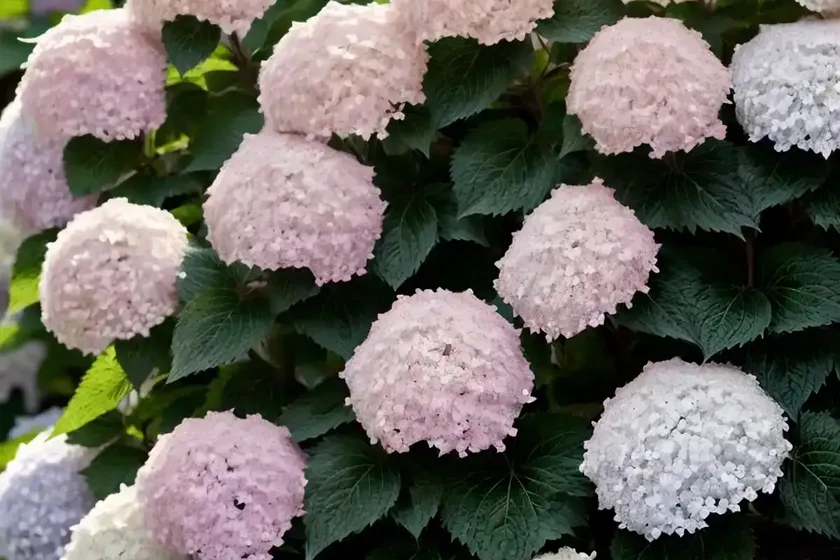
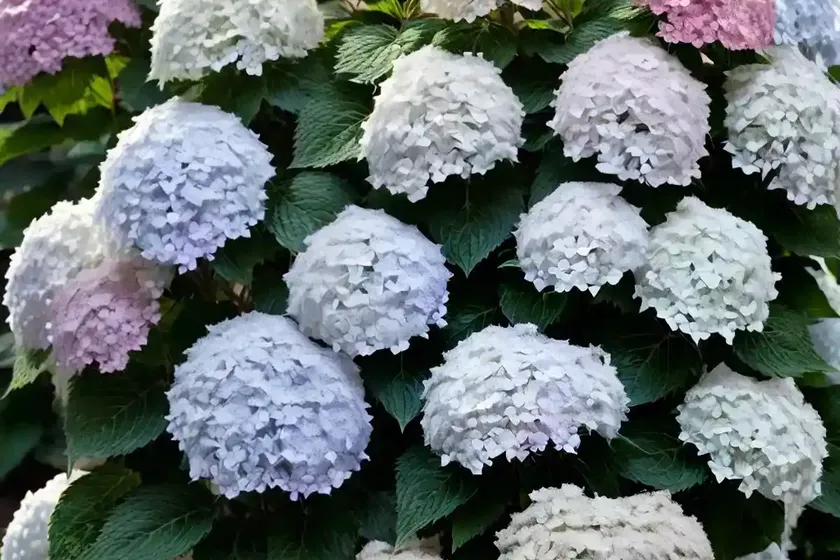
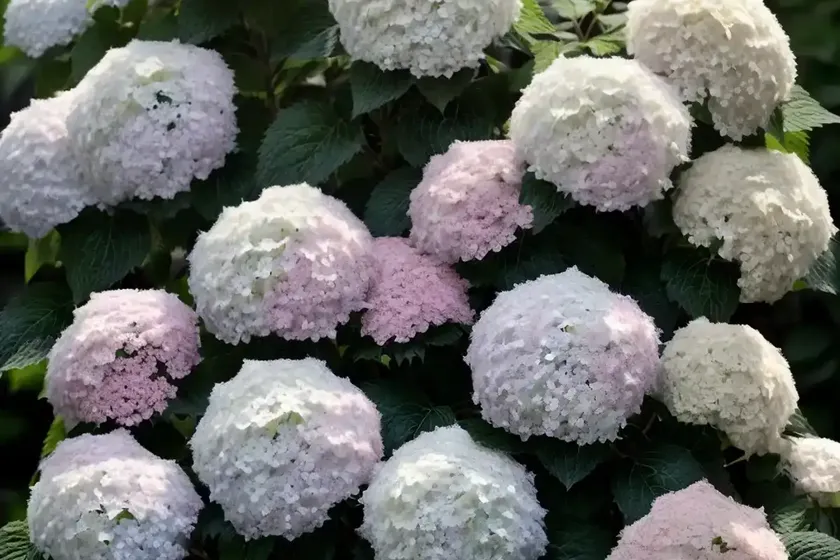
The world of plants is a canvas painted with an array of vibrant colors, diverse shapes, and intricate structures, each with its own unique story to tell. Amongst these enchanting botanical wonders, stands the panicle hydrangea, a delightful species known for its timeless beauty, resilience, and versatility. In this comprehensive guide, we will embark on a deep dive into the captivating realm of the panicle hydrangea, focusing our lens specifically on the enchanting Hydrangea paniculata ‘Interhydia’ PINK DIAMOND. From its cultural aspects, uses, and care requirements to its diseases, pests, and fun facts, we will unravel the nuances of this elegant plant, equipping you with a profound understanding of how to nurture and appreciate this garden jewel.
The Splendor of Panicle Hydrangea
What is a Panicle Hydrangea?
Panicle hydrangeas, scientifically known as Hydrangea paniculata, belong to the Hydrangeaceae family and are cherished for their striking, conical flower clusters that adorn the shrub from midsummer to fall. They are native to China and Japan and have made their mark as a cherished ornamental plant, bringing joy and elegance to gardens and landscapes worldwide.
Hydrangea paniculata ‘Interhydia’ PINK DIAMOND, in particular, boasts a spectacular display of large, fluffy, cone-shaped flowers that emerge creamy white and blush to a rich, vivid pink as the season progresses. This exquisite color transformation makes it a standout feature in any garden landscape or floral arrangement.
Key Takeaways – Panicle Hydrangea (Hydrangea paniculata ‘Interhydia’ PINK DIAMOND)
Culture
The culture of panicle hydrangeas, especially the ‘Interhydia’ PINK DIAMOND variety, encompasses various aspects, including its preferred growing conditions, care routines, and unique characteristics that set it apart in the botanical tapestry.
Key Culture Considerations:
- Uses: Ideal for landscaping, cut flowers, and decorative purposes
- Water: Moderate, well-draining soil; regular watering, especially during dry spells
- Sunlight: Thrives in full sun to partial shade
- Fertilizer: Balanced, slow-release fertilizer in spring
- Soil: Well-draining, fertile soil with good organic content
- Pruning: Prune in late winter or early spring
- Propagation: Easily propagated from softwood cuttings
- Container: Suitable for container gardening
Panicle hydrangeas are revered for their versatility, allowing them to be incorporated into various facets of horticulture – from landscape design to indoor floral arrangements.
Uses
The uses of panicle hydrangeas, particularly the ‘Interhydia’ PINK DIAMOND variety, span across both functional and aesthetic domains, making it a popular choice among gardeners and floral enthusiasts alike.
Versatile Applications:
- Landscaping: Panicle hydrangeas add architectural interest and vibrant color to garden landscapes, serving as stunning focal points or hedging plants.
- Cut Flowers: With their enduring blooms and beautiful color transition, they make an excellent addition to floral arrangements, boasting longevity and elegance.
Water
Water is a crucial element in the care routine of panicle hydrangeas. Understanding their specific water requirements is imperative to ensure their health and vitality.
Watering Guidelines:
- Moderate Moisture: Ensure the soil remains consistently moist but not waterlogged, especially during the plant’s active growth and blooming periods.
- Well-Draining Soil: Use soil that retains moisture without becoming waterlogged to prevent root rot.
Sunlight
Sunlight plays a pivotal role in the growth and flowering patterns of panicle hydrangeas. Understanding their sunlight preferences is essential for optimizing their performance in the garden.
Sunlight Needs:
- Full Sun to Partial Shade: Thrives in full sun to partial shade, with a minimum of 4-6 hours of direct sunlight to promote robust blooming.
Fertilizer
Providing the right nourishment through balanced fertilization is key to ensuring the vigor and prolific bloom production of panicle hydrangeas.
Fertilization Approach:
- Balanced Fertilizer: Apply a balanced, slow-release fertilizer in spring to fortify the plant’s nutrient intake, supporting healthy growth and abundant flowering.
Soil
The foundation of a thriving panicle hydrangea lies in the soil in which it is cultivated. Tailoring the soil composition to meet its specific needs is fundamental for its overall well-being.
Soil Requirements:
- Well-Draining Soil: Incorporate well-draining, fertile soil with good organic content to promote healthy root development and prevent waterlogged conditions.
Pruning
Pruning is an art form that shapes the growth, appearance, and flowering potential of panicle hydrangeas. Mastering the pruning techniques is essential for maintaining their form and enhancing their blooming prowess.
Pruning Guidelines:
- Timing: Prune in late winter or early spring before new growth emerges to encourage a robust bloom set.
- Formative Pruning: Remove any dead or weak stems to maintain an open, balanced framework.
Propagation
The ability to propagate panicle hydrangeas offers a gateway to expanding their presence in the garden or sharing their beauty with fellow enthusiasts.
Propagation Techniques:
- Softwood Cuttings: Easily propagated from softwood cuttings taken in early summer, allowing for the creation of new plants with identical genetic characteristics.
Container Popularity
The adaptability of panicle hydrangeas to container gardening opens up a world of possibilities for incorporating them into various spaces and settings.
Container Gardening Advantages:
- Versatile Placement: Ideal for patios, balconies, and small gardens where space is limited
- Mobility: Allows for easy relocation to cater to changing design or environmental requirements
Container
Growing panicle hydrangeas in containers presents a unique set of considerations that are essential for their successful cultivation in this specialized environment.
Container Care Tips:
- Pot Selection: Choose a large, sturdy container with drainage holes to accommodate the plant’s mature size and root system.
- Soil Medium: Use a well-draining potting mix rich in organic matter to promote healthy root growth and moisture retention.
Common Diseases
Understanding the potential diseases that may affect panicle hydrangeas equips growers with the knowledge to identify, prevent, and manage these ailments effectively.
Disease Awareness:
- Powdery Mildew: A fungal disease characterized by a powdery white coating on the leaves, typically caused by environmental factors such as humidity and poor air circulation.
Disease Diagnosis
Accurately diagnosing diseases in panicle hydrangeas involves a systematic approach to recognize, differentiate, and address the specific afflictions that may compromise their health.
Diagnostic Guidelines:
- Symptom Observation: Monitor the plant for visual cues such as leaf discoloration, wilting, or abnormal growth patterns
- Professional Consultation: Seek assistance from horticulturists or plant pathologists for accurate diagnosis and tailored treatment recommendations
Common Pests
Pests pose a potential threat to the well-being of panicle hydrangeas, necessitating vigilance and proactive measures to mitigate their impact and preserve the plant’s vitality.
Pest Vigilance:
- Aphids: Small, sap-sucking insects that can cause leaf distortion and weaken the plant if left unaddressed.
Botanist’s Tips
Drawing from the insights of experienced botanists can provide valuable guidance and wisdom in navigating the complexities of nurturing panicle hydrangeas, enriching the overall cultivation experience.
Expert Recommendations:
- Seasonal Assessment: Regularly assess the plant’s condition and adjust care practices to align with its evolving needs throughout the year.
Fun Facts
Exploring the fascinating quirks and anecdotes associated with panicle hydrangeas adds an element of intrigue and marvel to the cultivation journey, deepening our appreciation for these captivating plants.
Enchanting Discoveries:
- Color Transformation: The remarkable shift from creamy white to radiant pink in the blooms of the ‘Interhydia’ PINK DIAMOND variety is a spellbinding spectacle to witness.
Links to External Resources
To further enrich your knowledge and provide comprehensive guidance on all aspects of panicle hydrangea care, I have curated a collection of relevant external resources:
- American Hydrangea Society – Link
- Royal Horticultural Society – Link
- University Extension Services – Link
- The Spruce – Link
- Garden Design Magazine – Link
In conclusion, the panicle hydrangea, particularly the Hydrangea paniculata ‘Interhydia’ PINK DIAMOND, stands as a beacon of natural splendor, captivating the hearts and gardens of enthusiasts worldwide. Through this comprehensive guide, I trust you have gained a deeper understanding of the cultural significance, care essentials, and enchanting attributes of this mesmerizing plant, equipping you to embark on your own journey of nurturing and reveling in the elegance of panicle hydrangeas.
Remember, the world of plants is a treasury of wonder and discovery – a tapestry woven with the threads of beauty, resilience, and delight. Embrace the joy of nurturing and celebrating these botanical gems, and may your gardens flourish with the timeless allure of panicle hydrangeas.
Keywords: Panicle hydrangea care, Pink diamond hydrangea, Growing panicle hydrangea, Hydrangea paniculata ‘Interhydia’ pink diamond, Pink diamond hydrangea care tips, Pruning panicle hydrangeas, Hydrangea paniculata ‘Interhydia’ variety, Pink diamond hydrangea flowers, Panicle hydrangea varieties, Hydrangea paniculata ‘Interhydia’ characteristics, Pink diamond hydrangea planting guide, Panicle hydrangeas for landscaping, Hydrangea paniculata ‘Interhydia’ growth habits, Pink diamond hydrangea diseases, Panicle hydrangea sun requirements, Hydrangea paniculata ‘Interhydia’ foliage, Pink diamond hydrangea pruning schedule, Panicle hydrangea container gardening, Hydrangea paniculata ‘Interhydia’ bloom time, Pink diamond hydrangea soil preferences, Panicle hydrangea watering needs, Hydrangea paniculata ‘Interhydia’ pest control, Pink diamond hydrangea landscape design, Best fertilizer for panicle hydrangeas, Hydrangea paniculata ‘Interhydia’ winter care, Pink diamond hydrangea companion plants, Panicle hydrangea in pots, Hydrangea paniculata ‘Interhydia’ pruning techniques, Pink diamond hydrangea in full sun, Panicle hydrangea planting tips, Hydrangea paniculata ‘Interhydia’ watering schedule, Pink diamond hydrangea root system, Panicle hydrangea flower arrangements, Hydrangea paniculata ‘Interhydia’ hardiness zone, Pink diamond hydrangea leaf problems, Panicle hydrangea container care, Hydrangea paniculata ‘Interhydia’ propagation methods, Pink diamond hydrangea autumn colors, Panicle hydrangea in shade, Hydrangea paniculata ‘Interhydia’ fragrance, Pink diamond hydrangea in border planting, Panicle hydrangea landscape maintenance, Hydrangea paniculata ‘Interhydia’ pruning mistakes to avoid, Pink diamond hydrangea pollination, Panicle hydrangea for cut flowers, Hydrangea paniculata ‘Interhydia’ drought tolerance, Pink diamond hydrangea as a foundation plant, Panicle hydrangea disease resistance, Hydrangea paniculata ‘Interhydia’ invasive potential, Pink diamond hydrangea winter protection.
List of references to be provided upon request.


