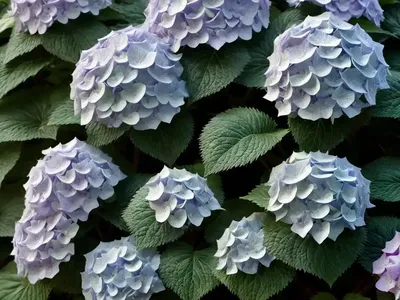
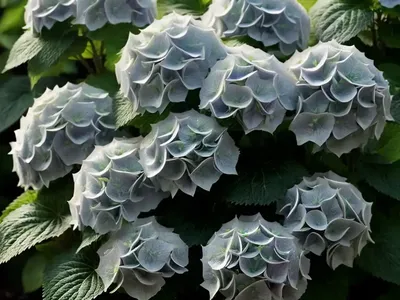
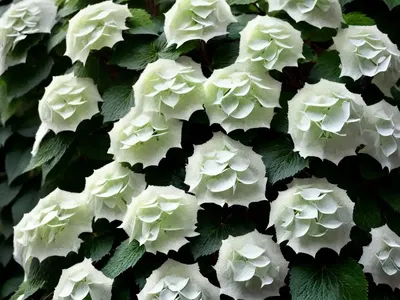
Panicle Hydrangea (Hydrangea Paniculata ‘Limelight’)
Welcome to my blog where we’ll be diving deep into the world of panicle hydrangea, exploring the intricacies of cultivating and caring for the enchanting.
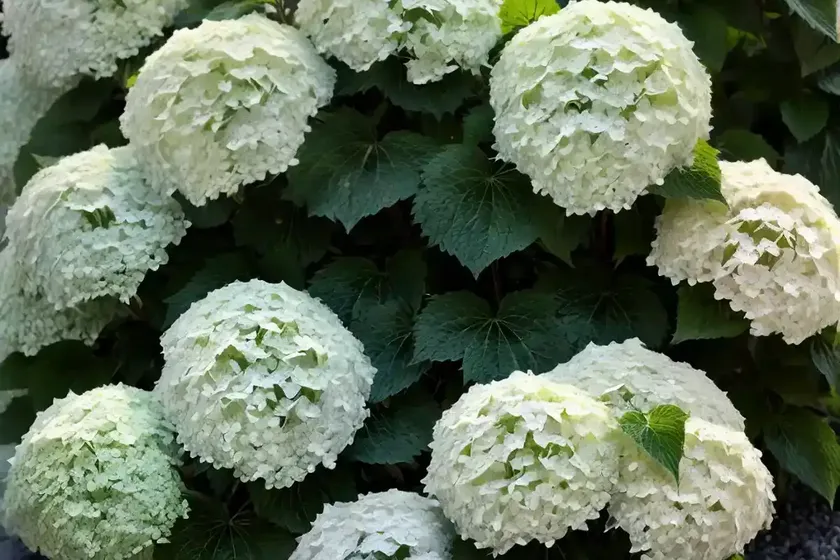
Welcome to my blog where we’ll be diving deep into the world of panicle hydrangea, exploring the intricacies of cultivating and caring for the enchanting Hydrangea paniculata ‘Limelight.’ Throughout this extensive guide, we’ll cover everything from the cultural and horticultural aspects to common diseases, pests, and propagation techniques.
What is Panicle Hydrangea (Hydrangea paniculata ‘Limelight’)?
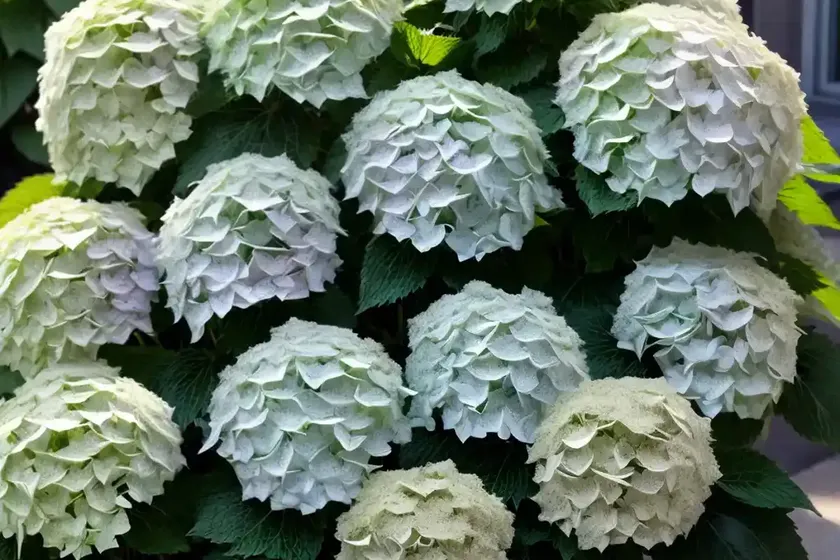
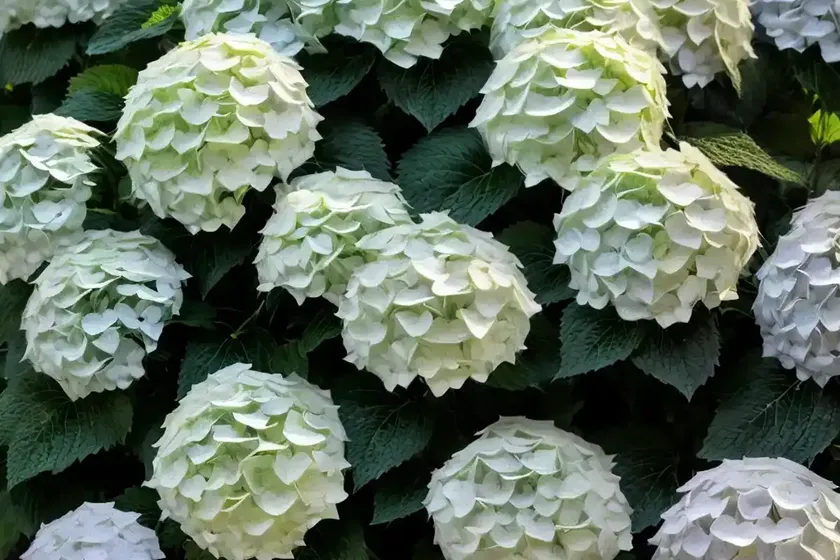
The panicle hydrangea, scientifically known as Hydrangea paniculata ‘Limelight’, is a deciduous shrub that belongs to the Hydrangeaceae family. This stunning plant is renowned for its large, cone-shaped flower clusters, which bloom in mid to late summer. Originating from Asia, particularly China and Japan, panicle hydrangeas have become a beloved ornamental plant in gardens worldwide. ‘Limelight’ is a specific cultivar of Hydrangea paniculata, celebrated for its unique lime-green blossoms that age into hues of cream and pink as the season progresses.
Key Takeaways – Panicle Hydrangea (Hydrangea paniculata ‘Limelight’)
Let’s begin by looking at the key takeaways for understanding and cultivating the exquisite panicle hydrangea:
- Culture:
- USDA Hardiness Zones: 3-8
- Mature Height and Spread: 6-8 feet tall and 6-8 feet wide
- Uses:
- Ideal for hedges, mass plantings, specimen planting, and cut flowers
- Water:
- Maintain moist but well-drained soil
- Sunlight:
- Prefers full sun to partial shade
- Fertilizer:
- Apply a balanced, slow-release fertilizer in spring
- Soil:
- Well-draining, fertile soil with a slightly acidic pH
- Pruning:
- Prune in late winter or early spring to encourage new growth
- Propagation:
- Propagate through softwood cuttings or division
- Container Popularity:
- Well-suited for container gardening
- Common Diseases:
- Susceptible to powdery mildew, anthracnose, and bacterial wilt
- Common Pests:
- Vulnerable to aphids, spider mites, and scale insects
Culture of Panicle Hydrangea (Hydrangea paniculata ‘Limelight’)
Water
One of the vital aspects of caring for panicle hydrangeas is to provide them with regular and consistent moisture. While they appreciate moist soil, they are susceptible to root rot if the soil becomes waterlogged. Therefore, it is essential to ensure that the soil has excellent drainage to prevent water stagnation around the roots.
Sunlight
In terms of sunlight requirements, ‘Limelight’ panicle hydrangeas thrive in full sun to partial shade. They typically require a minimum of 4-6 hours of direct sunlight daily to promote robust flowering and sturdy growth. However, in regions with scorching summer temperatures, providing some afternoon shade can help prevent wilting and sunburn on the foliage.
Fertilizer
To support the healthy growth and abundant blooming of panicle hydrangeas, it is advisable to apply a balanced, slow-release fertilizer in early spring. A fertilizer with an N-P-K ratio of 10-10-10 or similar can provide the necessary nutrients to fuel the plant’s growth and flower production.
Soil
Panicle hydrangeas prefer well-draining, fertile soil with a slightly acidic pH ranging between 5.5 and 6.5. Amending the soil with organic matter such as compost can enhance its texture and fertility, promoting optimal conditions for the plant’s root development and overall vigor.
Pruning Hydrangea paniculata ‘Limelight’
Pruning is an essential part of maintaining the form, size, and flowering capacity of panicle hydrangeas. For ‘Limelight’ and other Hydrangea paniculata varieties, pruning is typically carried out in late winter or early spring before the new growth emerges. This timing allows the plant to rejuvenate itself and produce new shoots that will bear flowers in the upcoming season.
Propagation
Panicle hydrangeas can be propagated through various methods, including softwood cuttings and division. Softwood cuttings are usually harvested in early summer when the new growth is at its tenderest. These cuttings are then encouraged to root in a well-prepared propagation medium. Division, on the other hand, involves separating the root ball of an established plant into sections, each containing roots and stems, which are then replanted and nurtured to form independent individuals.
The Popularity of Panicle Hydrangeas in Containers
Panicle hydrangeas, especially the compact varieties like ‘Limelight’, are well-suited for container gardening. Their manageable size, adaptability to pruning, and stunning blooms make them an excellent choice for adding a touch of elegance to patios, decks, and balconies. When grown in containers, it is crucial to ensure that the soil remains evenly moist and that the pots have sufficient drainage holes to prevent waterlogging.
Common Diseases of Panicle Hydrangea (Hydrangea paniculata ‘Limelight’)
Panicle hydrangeas are susceptible to several diseases, including powdery mildew, anthracnose, and bacterial wilt. Recognizing the symptoms and understanding how to manage these diseases is crucial in preserving the health and vitality of ‘Limelight’ and other Hydrangea paniculata cultivars.
Disease Diagnosis
- Powdery Mildew: Characterized by the development of powdery white or gray patches on the leaves, stems, and flowers. This fungal disease weakens the plant and hinders its ability to photosynthesize.
- Anthracnose: Manifests as dark, sunken lesions on the foliage and stems, often leading to defoliation and dieback. It is caused by various species of fungi within the genus Colletotrichum and Gloeosporium.
- Bacterial Wilt: Caused by the bacteria Ralstonia solanacearum, this disease leads to wilting, yellowing, and eventual collapse of the plant. It is especially prevalent in warm and humid conditions.
Common Pests
In addition to diseases, panicle hydrangeas are targets for various pests, including aphids, spider mites, and scale insects. These pests can affect the overall health and appearance of the plant, causing symptoms such as distorted or yellowing leaves, stunted growth, and reduced flowering. Monitoring the plant regularly and taking prompt action against pest infestations is essential for preventing significant damage.
Botanist’s Tips for Growing Panicle Hydrangeas
To ensure the optimal growth and flourishing of panicle hydrangeas, consider the following expert tips:
- Select a planting site with well-draining soil and access to ample sunlight.
- Incorporate organic matter such as compost or well-rotted manure into the soil to enhance its fertility and structure.
- Water the plant deeply and consistently, especially during periods of drought or hot weather.
- Apply a balanced, slow-release fertilizer in early spring to supply essential nutrients for healthy growth and flowering.
- Monitor the plant for signs of diseases and pests, and take appropriate measures to manage and prevent issues.
- Prune the plant in late winter or early spring to encourage new growth and maintain its desired shape and size.
Fun Facts about Panicle Hydrangea (Hydrangea paniculata ‘Limelight’)
As we delve deeper into the world of ‘Limelight’ and other panicle hydrangeas, here are some intriguing and delightful facts about these captivating plants:
- The flower heads of ‘Limelight’ start as a refreshing lime-green color before transitioning to shades of cream and pink, adding a mesmerizing visual dynamic to gardens and landscapes.
- Panicle hydrangeas, including ‘Limelight’, are prized for their long-lasting blooms, which often endure well into the autumn season, extending the allure of the plant throughout the year.
- The cone-shaped flower clusters of panicle hydrangeas have a remarkable capacity to attract and support a diverse range of pollinators, contributing to the biodiversity of garden ecosystems.
- ‘Limelight’ is celebrated for its versatility, serving as a captivating focal point in ornamental beds, a charming addition to mixed borders, and a delightful specimen for cut flower arrangements.
- In addition to their ornamental appeal, panicle hydrangeas have been recognized for their use in dried flower arrangements and floral crafts, showcasing their enduring allure even after the blooming season.
Links to External Resources
For further information and resources on the cultivation and care of panicle hydrangeas, explore the following links:
-
American Horticultural Society – Growing Hydrangeas
-
The Spruce – Guide to Growing and Caring for Hydrangeas
-
University of Missouri Extension – Hydrangea Care
-
North Carolina State University – Hydrangeas in the Landscape
In conclusion, panicle hydrangeas, exemplified by the enchanting Hydrangea paniculata ‘Limelight’, stand out as an exceptional addition to gardens and landscapes, captivating with their elegant blooms, adaptable nature, and versatility in various horticultural settings. By understanding and implementing the cultural practices, disease management strategies, and propagation techniques highlighted in this guide, you can embark on a journey of cultivating and cherishing the splendor of these remarkable plants, creating enchanting scenes and moments to be cherished.
As a plant scientist and enthusiast, I am thrilled to share my knowledge and passion for the captivating world of panicle hydrangeas, particularly the beguiling Hydrangea paniculata ‘Limelight’. If you have any questions, experiences, or insights to share about growing and caring for panicle hydrangeas, feel free to join the conversation in the comments section below. Happy gardening!