Plant Scientist’s Guide to Paintbrush (Haemanthus albiflos)
Welcome to the world of plant science and exploration! In this comprehensive guide, we will delve into the intriguing realm of the Paintbrush plant, also known by its botanical name Haemanthus albiflos. We will unravel the enigma surrounding this unique plant species, exploring its cultural significance, uses, care requirements, and fascinating attributes. Whether you are an experienced botanist, a passionate gardener, or an enthusiastic plant enthusiast, this guide aims to enrich your knowledge and understanding of the captivating Paintbrush plant.
What is the Paintbrush Plant (Haemanthus albiflos)?
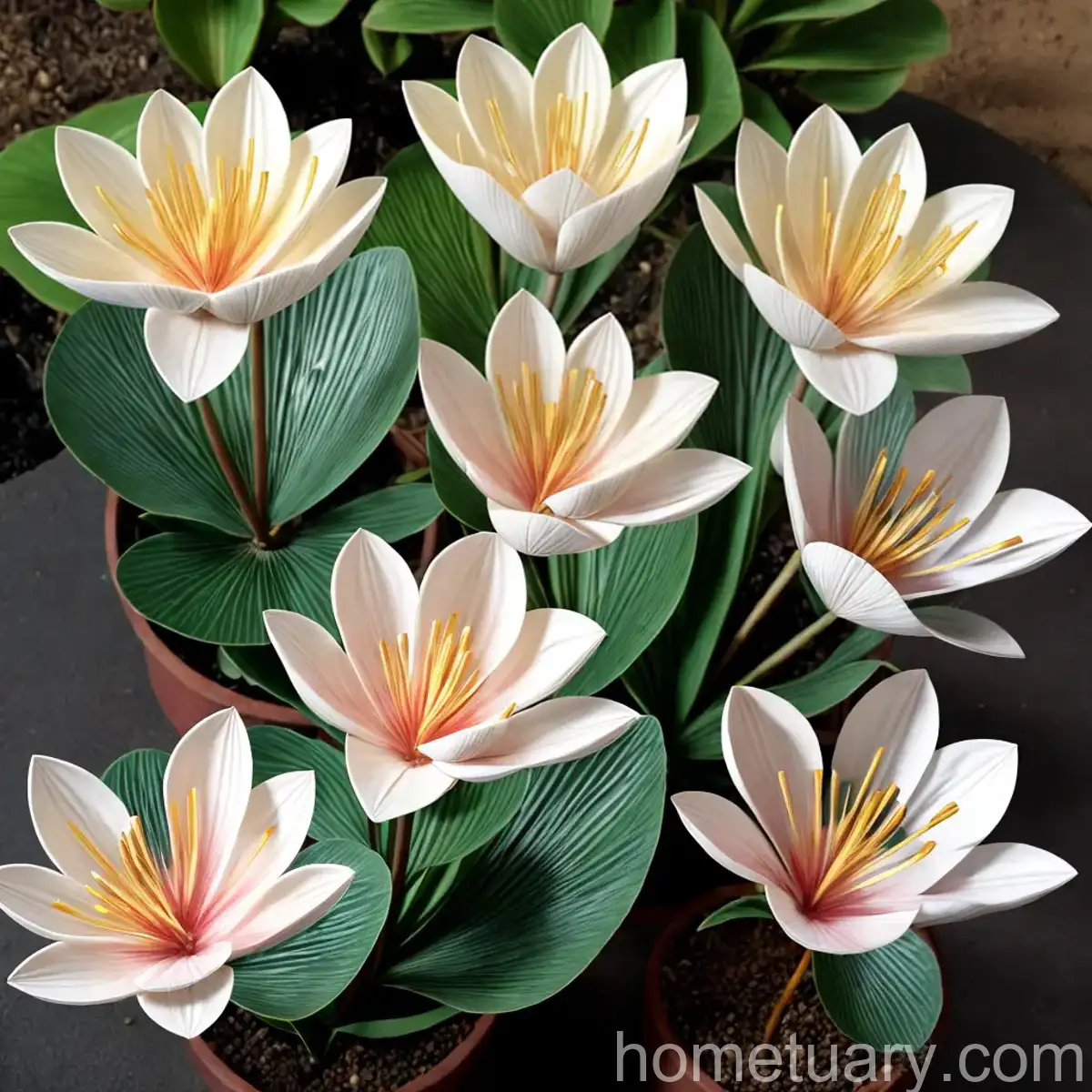
Haemanthus albiflos, commonly referred to as the Paintbrush plant, is a visually striking bulbous perennial that belongs to the Amaryllidaceae family. Native to the western and southern Cape Provinces of South Africa, this plant is revered for its captivating appearance, making it a sought-after botanical specimen in horticulture and indoor gardening. The name “Paintbrush” aptly describes the unique floral display of this plant, with its vibrant and brush-like inflorescences that add a touch of elegance to any botanical collection or garden landscape.
The distinctive features of the Paintbrush plant include its bulbous nature, glossy green leaves, and the remarkable floral arrangement that emerges from the center of the plant. The flowers of Haemanthus albiflos are characterized by a dense cluster of bright scarlet-red florets, which are densely packed to create a visually arresting display reminiscent of an artist’s paintbrush stroke.
The cultural and ornamental significance of the Paintbrush plant has made it a favorite among gardeners and plant enthusiasts, with its unique aesthetics and relatively straightforward care requirements adding to its allure. Now, let’s embark on a comprehensive journey through the various aspects of caring for and appreciating the beauty of the Paintbrush plant.
Key Takeaways – Paintbrush (Haemanthus albiflos)
Before we delve into the specifics of cultivating and caring for the Paintbrush plant, let’s encapsulate the key takeaways and focal points that will be covered in this guide:
- Cultural Uses: Exploring the historical and contemporary uses of the Paintbrush plant in cultural practices and horticulture.
- Watering Requirements: Understanding the optimal water needs for Paintbrush plant care.
- Sunlight Preferences: Discerning the ideal sunlight conditions that promote healthy growth and flowering.
- Fertilization: Unveiling the appropriate fertilization practices to nourish the Paintbrush plant adequately.
- Soil Requirements: Determining the optimal soil composition and conditions for cultivating Haemanthus albiflos.
- Pruning Techniques: Learning the art of pruning and grooming the Paintbrush plant to maintain its vigor and aesthetic appeal.
- Propagation Methods: Exploring the various techniques for propagating Haemanthus albiflos and expanding its presence in your botanical collection.
- Container Gardening: Understanding the considerations for growing Paintbrush plants in containers, adding versatility to your gardening endeavors.
- Common Diseases and Pests: Identifying potential threats and ailments that may afflict the Paintbrush plant and strategies for addressing them effectively.
- Botanist’s Tips: Gaining valuable insights and expert tips from seasoned botanists for successful Paintbrush plant care and cultivation.
With these key takeaways in mind, let’s journey into the captivating world of the Paintbrush plant and unravel its mysteries.
Culture
Historical Significance and Modern Appeal
Throughout history, the Paintbrush plant has captivated the imaginations of plant enthusiasts, horticulturists, and indigenous communities, owing to its distinctive appearance and cultural significance. Indigenous to the southwestern regions of South Africa, Haemanthus albiflos holds historical and symbolic value in the traditions and folklore of the indigenous people of the Cape Provinces.
The unique floral spectacle presented by the Paintbrush plant has made it a symbol of beauty and natural grandeur, often incorporated into local folklore and cultural practices. The vibrant scarlet-red inflorescences, resembling the strokes of a painter’s brush, have contributed to the plant’s evocative common name and its enduring status as a revered botanical specimen.
In modern botanical contexts, Haemanthus albiflos has achieved widespread acclaim as a prized ornamental plant, adorning gardens, conservatories, and indoor spaces with its striking visual allure. Its popularity is further enhanced by its relatively manageable care requirements, making it an attractive choice for both novice and seasoned plant enthusiasts.
Botanical Significance
From a botanical perspective, Haemanthus albiflos holds intrinsic value as a representative of the diverse and captivating flora found in the Cape Provinces of South Africa. As a member of the Amaryllidaceae family, the Paintbrush plant contributes to the rich tapestry of bulbous plants that grace the floral landscapes of its native habitat. Its unique ecological adaptations and reproductive strategies have also piqued the interest of botanists and conservationists, emphasizing the importance of conserving and sustaining the natural habitats that foster its growth.
Uses
Ornamental Use
The primary use of the Paintbrush plant is ornamental, owing to its striking floral display and visually appealing foliage. Whether grown outdoors in garden beds or indoors as a potted specimen, Haemanthus albiflos serves as an enchanting focal point, adding a touch of elegance and vibrancy to any botanical setting. Its ability to thrive in containers also makes it a versatile choice for decorating interior spaces, from homes to offices and botanical institutions.
The showy, scarlet-red inflorescences of the Paintbrush plant make it an exquisite addition to flower arrangements, adding a dramatic and vivid accent to floral compositions. Its long-lasting blooms and glossy green leaves enhance the visual appeal of any floral display, making it a sought-after choice for both professional florists and amateur enthusiasts.
Medicinal Uses
In certain traditional medicine systems, the bulbs and other parts of some Haemanthus species are used for medicinal purposes. Through ethnobotanical studies, indigenous communities have utilized specific species within the Haemanthus genus in traditional remedies and healing practices. However, it is crucial to approach any potential medicinal uses with caution and seek guidance from qualified experts or healthcare professionals before considering the therapeutic application of any plant species, including Haemanthus albiflos.
Water
Proper watering is essential for the health and vitality of the Paintbrush plant. Understanding the optimal moisture requirements and watering practices ensures that Haemanthus albiflos thrives and produces its characteristic floral display consistently. Here are the essential considerations for watering the Paintbrush plant:
-
Watering Frequency: Haemanthus albiflos generally requires moderate watering, with an emphasis on maintaining consistent soil moisture during its active growth periods. As a rule of thumb, water the plant when the top inch of the soil feels dry to the touch. During the growing season, typically from spring to early autumn, regular watering is essential to support healthy foliage and flowering.
-
Avoid Overwatering: While adequate moisture is crucial, overwatering can lead to root rot and other moisture-related issues. It is essential to ensure that the soil has proper drainage to prevent waterlogging, especially during periods of lower light and cooler temperatures when the plant’s water uptake may be reduced.
-
Seasonal Adjustments: During the plant’s dormant phase, which typically occurs in late autumn and winter, reduce the frequency of watering while allowing the soil to dry out partially between waterings. This mimics the natural dormancy cycle of the Paintbrush plant, supporting its long-term health and vigor.
-
Water Quality: Use room-temperature, distilled, or filtered water to avoid potential issues associated with salts, chlorine, or other impurities present in tap water. This practice helps maintain a favorable growing environment for Haemanthus albiflos and minimizes the risk of water-related stress.
Sunlight
Proper sunlight exposure is pivotal for the growth, flowering, and overall well-being of the Paintbrush plant. Understanding its sunlight preferences enables you to create an optimal environment that promotes its vitality and visual appeal. Here are the key sunlight considerations for Haemanthus albiflos:
-
Bright, Indirect Light: The Paintbrush plant thrives in bright, indirect light conditions, mimicking its native habitat where it receives dappled sunlight. Position the plant near a south- or west-facing window indoors, ensuring that it receives plenty of bright, filtered light throughout the day. Outdoor settings with partial shade or filtered sunlight are also ideal for cultivating Haemanthus albiflos.
-
Caution with Direct Sunlight: While the Paintbrush plant benefits from ample light, it is crucial to prevent prolonged exposure to direct sunlight, especially during the intense midday hours. Direct sun can lead to leaf scorching and may adversely affect the plant’s overall health. Observation and careful positioning help strike the right balance between light exposure and protection from excessive sun intensity.
-
Winter Light Requirements: During the winter months, when natural sunlight may be limited, consider supplementing the plant’s light exposure with grow lights or supplemental indoor lighting. This helps sustain the Paintbrush plant’s growth and supports the development of flower buds for the upcoming season.
Fertilizer
Fertilization plays a crucial role in enhancing the growth, vigor, and flowering of the Paintbrush plant. By providing essential nutrients in a balanced manner, you can support the plant’s long-term health and encourage the production of vibrant blooms. Here are the key points to consider when fertilizing Haemanthus albiflos:
-
Balanced Fertilizer: Choose a balanced, water-soluble fertilizer with an N-P-K ratio of 10-10-10 or a similar formulation designed for flowering plants. This balanced blend ensures that the Paintbrush plant receives adequate macro and micronutrients, supporting its overall nutritional needs.
-
Application Frequency: During the active growing season, which typically spans from spring to early autumn, apply a diluted fertilizer solution every two to four weeks. This frequency helps sustain the plant’s growth and flowering without leading to excessive fertilization, which may cause nutrient imbalances and potential harm to the plant.
-
Reduced Fertilization in Winter: As Haemanthus albiflos enters its dormant phase in late autumn and winter, reduce or suspend fertilization to align with the plant’s reduced metabolic activity. This seasonal adjustment prevents the accumulation of excess salts and nutrients in the soil, aligning with the plant’s natural growth rhythms.
-
Observation and Adjustment: Monitor the plant’s response to the fertilization regimen, paying attention to any signs of nutrient deficiencies or excesses. Adjust the fertilizer application based on the plant’s growth patterns and visual cues, allowing for a tailored approach that meets its specific nutritional requirements.
Soil
The type of soil and its composition are critical factors that influence the overall health and growth of the Paintbrush plant. Creating a suitable soil environment that provides proper aeration, drainage, and nutrient retention is key to promoting the flourishing of Haemanthus albiflos. Here are the essential considerations for selecting and preparing the ideal soil for the Paintbrush plant:
-
Well-Draining Mix: Choose a well-draining potting mix that provides a balance between moisture retention and effective drainage. A combination of peat moss, perlite, and coarse sand creates an optimal growing medium for the Paintbrush plant, allowing excess water to drain away while retaining sufficient moisture for the plant’s needs.
-
Aeration and Texture: The soil should possess a light, airy texture that facilitates root development and prevents compaction. Avoid dense, clay-heavy soils that may impede drainage and limit oxygen availability to the roots, which can compromise the plant’s health.
-
Nutrient Content: A fertile, nutrient-rich potting mix, augmented with organic matter and an appropriate balance of essential minerals, supports the robust growth and floral abundance of Haemanthus albiflos. Consider incorporating a slow-release fertilizer into the potting mix to provide a gradual and sustained nutrient supply for the plant.
-
pH Level: Aim for a slightly acidic to neutral soil pH range of 6.0 to 7.0, which aligns with the optimal pH preferences of the Paintbrush plant. Conduct periodic soil pH tests to monitor the acidity levels and make any necessary adjustments using pH-modifying products suited for indoor plants.
Pruning
Pruning is an essential aspect of caring for the Paintbrush plant, enabling you to maintain its aesthetic appeal, control its size, and optimize its growth patterns. Proper pruning techniques and timing play a pivotal role in ensuring the longevity and visual allure of Haemanthus albiflos. Here are the key points to consider when pruning the Paintbrush plant:
-
Deadheading Spent Flowers: As the vibrant scarlet-red florets of the Paintbrush plant conclude their blooming cycle, promptly remove the spent flowers by snipping them off at the base. This deadheading practice directs the plant’s energy towards new growth and the development of future flower buds, promoting a continuous floral display.
-
Leaf Maintenance: Trim any yellowing or damaged leaves to maintain the plant’s visual appeal and overall health. Use sanitized pruning shears to make clean cuts, reducing the risk of introducing pathogens or causing unnecessary stress to the plant.
-
Size Control: If the Paintbrush plant begins to outgrow its designated space, consider lightly pruning the foliage to manage its size and promote a balanced growth habit. This practice helps prevent overcrowding and encourages a compact, well-proportioned appearance.
-
Dormancy Pruning: During the plant’s dormant phase in late autumn and winter, conduct minimal pruning to remove any severely damaged or diseased foliage, allowing the plant to conserve its resources and prepare for the upcoming growing season.
Propagation
As a plant scientist and enthusiast, the propagation of the iconic Paintbrush plant offers an avenue for expanding its presence and sharing its beauty with others. Understanding the various propagation methods and techniques allows you to cultivate new generations of Haemanthus albiflos, nurturing its legacy and ensuring its perpetuation. Here are the primary propagation methods for the Paintbrush plant:
-
Division: Propagation via division involves separating offsets or bulb divisions from the parent plant to establish new independent specimens. Carefully unearth the parent plant during its dormancy phase and identify viable offsets or bulb sections with healthy roots. Plant these divisions in separate containers or suitable growing spaces, providing the necessary care to support their establishment and growth.
-
Seed Propagation: The propagation of Haemanthus albiflos through seeds offers an exciting and rewarding opportunity to cultivate new plants from scratch. Harvest mature seeds from the plant’s spent flowers and sow them in a prepared seed-starting mix. Create a favorable germination environment with consistent moisture, warmth, and indirect light to facilitate successful seedling emergence.
-
Offsets and Bulbils: Haemanthus albiflos forms small offsets, also known as bulbils, alongside the parent bulb. These offsets can be carefully detached and replanted to initiate new growth. Ensure that each offset has its own roots and intact basal plate before planting it in a suitable growing medium to encourage root establishment and subsequent shoot development.
-
Root Cuttings: Propagation via root cuttings involves carefully obtaining sections of healthy roots from the parent plant and planting them in a prepared rooting medium. Provide adequate moisture and warmth to promote the development of new shoots from the root cuttings, fostering their transformation into independent plantlets.
Container Popularity
The Paintbrush plant’s adaptability to container growth has contributed to its popularity as an indoor ornamental plant. Growing Haemanthus albiflos in containers offers several advantages, including enhanced versatility, space-saving benefits, and the ability to create captivating indoor displays. Here are the key considerations for cultivating the Paintbrush plant in containers:
-
Container Selection: Choose a well-draining container with ample drainage holes, allowing excess water to escape freely and preventing waterlogging. Consider the size of the container in relation to the plant’s growth habit, ensuring it provides sufficient room for root development and stability.
-
Growing Medium: Use a high-quality, well-aerated potting mix specially formulated for bulbs or flowering plants. A blend of peat moss, perlite, and coarse sand creates an optimal growing environment for Haemanthus albiflos within a container, promoting healthy root growth and moisture regulation.
-
Placement and Lighting: Position the container in a location that receives bright, indirect light, such as near a south- or west-facing window or in an area with filtered sunlight. Rotate the container periodically to promote even growth and prevent the plant from leaning towards a specific light source.
-
Watering and Drainage: Water the Paintbrush plant thoroughly when the top inch of the soil feels dry, allowing excess water to drain away from the container. Empty the saucer or tray beneath the container after watering to prevent water accumulation, which can lead to root rot and other moisture-related issues.
-
Size Considerations: Consider the ultimate size and growth potential of Haemanthus albiflos when selecting a container. While a slightly snug container can encourage blooming, ensure that it provides adequate space for the plant’s roots and accommodates its long-term development without becoming excessively constricted.
-
Overwintering Indoors: During the winter months, it is advisable to bring outdoor container-grown Haemanthus albiflos indoors to protect it from potentially damaging cold temperatures. Create a suitable indoor environment with bright, indirect light and conducive growing conditions to support the plant’s winter dormancy.
Common Diseases
Despite its resilience, the Paintbrush plant is susceptible to certain diseases that may affect its overall health and vitality. Recognizing common ailments and their associated symptoms empowers you to take proactive measures to safeguard the health of Haemanthus albiflos. Here are the prevalent diseases that can afflict the Paintbrush plant:
Fusarium Rot
-
Symptoms: Fusarium rot manifests as a soft rotting of the plant’s bulbs and basal plate, leading to a decline in the plant’s vigor and vitality. The affected areas may display signs of discoloration, softness, and a foul odor, indicating the presence of the fungal pathogen.
-
Preventive Measures: Ensure proper soil drainage and avoid overwatering to prevent the conditions conducive to Fusarium rot. Quarantine and promptly discard severely affected plants to prevent the spread of the fungal pathogen to other nearby specimens.
Botrytis Blight
-
Symptoms: Botrytis blight, also known as gray mold, presents as fuzzy, grayish mold on the foliage and flowers of the Paintbrush plant. The affected plant parts may exhibit signs of wilting, browning, and rapid deterioration due to the presence of the fungal pathogen Botrytis cinerea.
-
Control Measures: Improving air circulation and reducing humidity levels around the plant can minimize the risk of Botrytis blight. Remove and dispose of any infected plant material to limit the spread of the fungal pathogen and safeguard the overall health of Haemanthus albiflos.
Bacterial Soft Rot
-
Symptoms: Bacterial soft rot is characterized by the development of soft, water-soaked lesions on the plant’s bulbs and basal plate. The affected areas may exhibit a foul odor and rapidly deteriorate, leading to significant damage and potential spread of the bacterial pathogen.
-
Management Strategies: Minimize moisture on the foliage and bulbs, as excess water creates an environment conducive to bacterial soft rot. Prune and discard severely affected plant parts, and ensure that the growing medium remains adequately aerated to discourage bacterial proliferation.
Control and Treatment
- Observation: Regularly inspect the Paintbrush plant for any signs of disease or distress, paying attention to changes in foliage color, texture, and overall growth patterns.