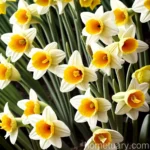
Narcissus ‘Sailboat’ (Jonquil Daffodil): An Exquisite Flowering Plant
Narcissus ‘Sailboat’ is a stunning and fragrant variety of Jonquil Daffodil that captivates with its graceful blooms and delightful fragrance. As a plant scientist, I’m excited to delve into the characteristics, care tips, and cultivation techniques for this beautiful flower. In this comprehensive guide, we will explore everything from planting and maintenance to common diseases and pests, alongside fascinating insights and botanist’s tips. Let’s embark on a journey to uncover the enchanting world of Narcissus ‘Sailboat’ (Jonquil Daffodil).
What is Narcissus ‘Sailboat’ (Jonquil Daffodil)?
Narcissus ‘Sailboat’ belongs to the genus Narcissus, which encompasses numerous species of spring-blooming, perennial plants that belong to the Amaryllidaceae family. These plants are characterized by their trumpet-shaped central corona surrounded by six petal-like tepals. The ‘Sailboat’ variety is particularly cherished for its fragrant, cluster-flowered blooms and is classified as a Jonquil Daffodil, known for its sweet, lingering fragrance and smaller bloom size compared to other daffodil types.
Narcissus ‘Sailboat’ Characteristics
- Flower Appearance: The ‘Sailboat’ variety features charming, small-sized, cream-colored blooms with a prominent, golden-yellow central corona. The delicate petals exude a sweet fragrance that adds an alluring dimension to the garden.
- Fragrance: The fragrance of Narcissus ‘Sailboat’ is described as sweet and captivating, making it a desirable addition to gardens and landscapes.
- Plant Height: Typically, Narcissus ‘Sailboat’ reaches a height of 10-12 inches (25-30 cm), creating a delightful visual display without overwhelming other garden elements.
- Growth Habit: This Jonquil Daffodil exhibits a graceful and upright growth habit, with slender, yet sturdy stems that support the clusters of fragrant flowers.
Key Takeaways – Narcissus ‘Sailboat’ (Jonquil Daffodil)
Before diving into the specifics of care and cultivation, let’s outline some key takeaways about Narcissus ‘Sailboat’ that encapsulate its essence and appeal:
- The ‘Sailboat’ variety is prized for its enchanting fragrance, making it a delightful addition to gardens and outdoor spaces.
- Its cream-colored blooms with golden-yellow coronas exude elegance and charm, contributing to a picturesque spring landscape.
- Narcissus ‘Sailboat’ is a smaller-sized daffodil, making it suitable for container gardening and border plantings.
- The plant’s moderate height and upright growth habit make it an excellent choice for creating captivating floral displays without overshadowing other garden elements.
With these key characteristics in mind, let’s explore the care, cultivation, and maintenance practices that will ensure the successful growth and flourishing of Narcissus ‘Sailboat’ (Jonquil Daffodil).
Narcissus ‘Sailboat’ (Jonquil Daffodil) Care Tips
Narcissus ‘Sailboat’ requires diligent care to thrive and showcase its mesmerizing blooms. Let’s delve into essential care tips that will empower you to cultivate a flourishing and fragrant display of Jonquil Daffodils.
Culture
Cultivating Narcissus ‘Sailboat’ involves creating an environment that caters to its specific needs and preferences. Understanding the cultural requirements of this variety is crucial for fostering optimal growth and vibrant blooms.
Uses
- Garden Beds: Narcissus ‘Sailboat’ thrives when planted in well-draining garden beds, contributing to the springtime allure of borders and flower beds.
- Containers: The ‘Sailboat’ variety is well-suited to container gardening, allowing individuals with limited outdoor space to enjoy its captivating blooms up close.
Water
Proper watering is essential for nurturing healthy and vibrant Narcissus ‘Sailboat’ plants. Understanding the water needs of this variety is instrumental in fostering lush foliage and abundant blooms.
- Watering Frequency: During the growing season, water the plants consistently, keeping the soil evenly moist without waterlogging.
- Spring Hydration: In the spring, when the plants are actively growing and blooming, ensure that they receive regular moisture to support the development of flowers and foliage.
Sunlight
The sun exposure requirements of Narcissus ‘Sailboat’ influence its growth, bloom production, and overall vigor. Understanding its sunlight preferences is crucial for optimizing its performance in the garden.
- Sun Exposure: Plant ‘Sailboat’ daffodil bulbs in a location that receives full to partial sunlight, ideally in an area that is exposed to at least 6 hours of sunlight daily.
- Shade Tolerance: While the plants benefit from ample sunlight, they can also tolerate partial shade, making them adaptable to various garden environments.
Fertilizer
Proper fertilization supports the growth, vigor, and flowering potential of Narcissus ‘Sailboat’, ensuring that the plants receive essential nutrients for robust development.
- Fertilizer Selection: Use a balanced, all-purpose fertilizer or a fertilizer specifically formulated for bulbs and flowering plants to provide the necessary nutrients for healthy growth.
- Application Timing: Apply fertilizer in early spring as new growth emerges, distributing it evenly and following the manufacturer’s recommendations for dosage and application frequency.
Soil
The soil composition and quality influence the overall health and performance of Narcissus ‘Sailboat’. Tailoring the soil conditions to accommodate the plant’s requirements is instrumental in fostering robust growth and prolific blooms.
- Well-Draining Soil: Plant ‘Sailboat’ daffodil bulbs in well-draining soil to prevent waterlogging, which can lead to root rot and other detrimental conditions.
- Soil Amendment: Incorporate organic matter, such as compost, into the planting area to enhance soil structure and fertility, creating an optimal environment for the bulbs.
Pruning
Pruning practices play a role in maintaining the health and aesthetics of Narcissus ‘Sailboat’ plants, ensuring that they remain vigorous and visually appealing throughout the growing season.
- Post-Bloom Pruning: Remove spent flowers and developing seed heads after blooming to redirect the plant’s energy towards bulb development and replenishing resources for the next growing season.
- Foliage Care: Allow the foliage to yellow and wither naturally before removing it, as the leaves continue to photosynthesize and provide nutrients to the bulb for future growth.
Propagation
Understanding the propagation methods for Narcissus ‘Sailboat’ empowers gardeners to expand their daffodil displays and propagate cherished varieties through tried-and-true techniques.
Division
Bulb division presents a reliable method for propagating Narcissus ‘Sailboat’, allowing gardeners to create new plantings and rejuvenate existing ones.
- Optimal Time: Divide the bulbs in late summer to early autumn, once the foliage has withered, and the bulbs are entering a dormant phase.
- Division Process: Gently lift the bulbs from the soil, separate offsets from the main bulb, and replant them in desired locations, ensuring adequate spacing and soil preparation.
Seed Propagation
While less commonly practiced, growing Narcissus ‘Sailboat’ from seeds presents an opportunity to explore the unique characteristics of seed-grown specimens.
- Seed Collection: Allow the flowers to develop seed pods, then harvest the seeds once the pods have matured and turned brown, indicating seed readiness.
- Germination Process: Sow the seeds in a well-draining, humus-rich soil mix, maintaining consistent moisture and providing adequate warmth for germination to occur.
Container Popularity
The compact size and captivating blooms of Narcissus ‘Sailboat’ make it an ideal choice for container gardening, enabling individuals to bring its enchanting presence to patios, balconies, and other outdoor spaces.
- Container Selection: Choose well-draining containers that provide ample room for the bulb and root development, ensuring that the plant’s growth is not restricted.
- Aesthetic Appeal: The ‘Sailboat’ variety brings a touch of elegance and fragrance to container displays, enhancing outdoor areas with its charming blooms and graceful foliage.
Common Diseases
As with any garden plant, Narcissus ‘Sailboat’ is susceptible to certain diseases and health issues that can impact its overall well-being. Identifying and addressing common diseases is essential for sustaining the plant’s vigor and vitality.
Disease Diagnosis
Recognizing the symptoms and signs of common daffodil diseases equips gardeners to take prompt and targeted measures to mitigate their impact and prevent further spread.
- Fungal Infections: Watch for signs of fungal diseases, such as botrytis and fusarium wilt, which can manifest as rotting foliage, discolored stems, and diminished overall health.
- Bulb Diseases: Monitor the bulbs for indications of bulb rot and other storage-related issues, noting any softening, mold growth, or foul odors that may signify underlying problems.
Common Pests
In addition to diseases, Narcissus ‘Sailboat’ can attract certain pests that pose a threat to its well-being and vitality. Vigilance in pest monitoring and management is instrumental in preserving the plant’s health.
Botanist’s Tips
Drawing from the expertise and insights of botanists, we can glean valuable tips and recommendations that enhance our understanding and approach to nurturing Narcissus ‘Sailboat’ (Jonquil Daffodil).
- Altered Planting Depths: Experiment with planting depths to observe variations in growth, bloom production, and overall performance, while noting the optimal planting depth for long-term success.
Fun Facts
Discovering the lesser-known aspects of Narcissus ‘Sailboat’ adds an element of fascination and intrigue to its presence in the garden, enriching our appreciation for this captivating variety.
- Historical Significance: Daffodils, including the ‘Sailboat’ variety, have been revered for centuries and are deeply rooted in folklore and cultural symbolism, representing rebirth, new beginnings, and the arrival of spring.
Links to External Resources
For a deeper exploration of Narcissus ‘Sailboat’ and Jonquil Daffodils, the following external resources provide valuable insights and practical guidance:
- Royal Horticultural Society – Daffodil Growing Guide
- American Daffodil Society
- University of Minnesota Extension – Daffodils
- North Carolina State University Extension – Narcissus
In Conclusion
Narcissus ‘Sailboat’ (Jonquil Daffodil) stands as a testament to the beauty and allure of spring-flowering bulbs, enchanting garden enthusiasts with its graceful form, sweet fragrance, and enduring charm. By embracing the care tips, propagation techniques, and botanical insights presented in this guide, you can cultivate a captivating display of ‘Sailboat’ daffodils that enriches outdoor spaces and heralds the arrival of spring with its resplendent blooms. Whether planted in garden beds, containers, or naturalized in woodland settings, Narcissus ‘Sailboat’ captivates the senses and adds a touch of elegance to every landscape it adorns.
From the vibrant flowering season to the delicate fragrance that perfumes the air, Narcissus ‘Sailboat’ invites you to partake in the timeless allure of daffodils, embracing their charm and celebrating the arrival of spring with a spectacle of beauty and grace.
This comprehensive guide encompasses the intricacies of caring for and cultivating Narcissus ‘Sailboat’ (Jonquil Daffodil), empowering you to foster the growth and flourishing of these captivating blooms in your garden and outdoor spaces.
References
- Royal Horticultural Society. “Daffodil Growing Guide.” https://www.rhs.org.uk/advice/profile?PID=1052
- American Daffodil Society. “Home.” https://daffodilusa.org/
- University of Minnesota Extension. “Daffodils.” https://extension.umn.edu/flowers/daffodils
- North Carolina State University Extension. “Narcissus.” https://plants.ces.ncsu.edu/plants/narcissus-spp/