Angelonia Biflora (Angelonia Biflora)
Introduction Welcome to this comprehensive guide on Angelonia Biflora, an exquisite plant that brings beauty and elegance to gardens and landscapes..
Introduction
Welcome to this comprehensive guide on Angelonia Biflora, an exquisite plant that brings beauty and elegance to gardens and landscapes. Whether you are a seasoned gardener or a novice enthusiast, this blog post will provide you with in-depth insights into the culture, uses, care requirements, and fascinating facts about this stunning plant.
What is Angelonia Biflora?
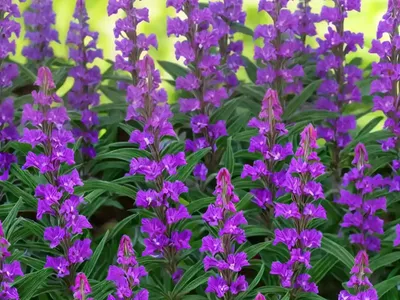
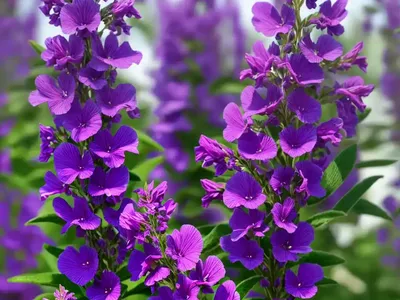
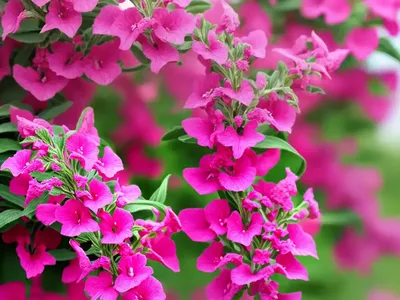
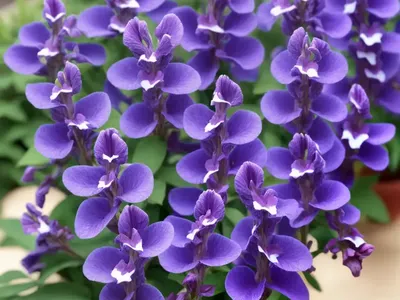
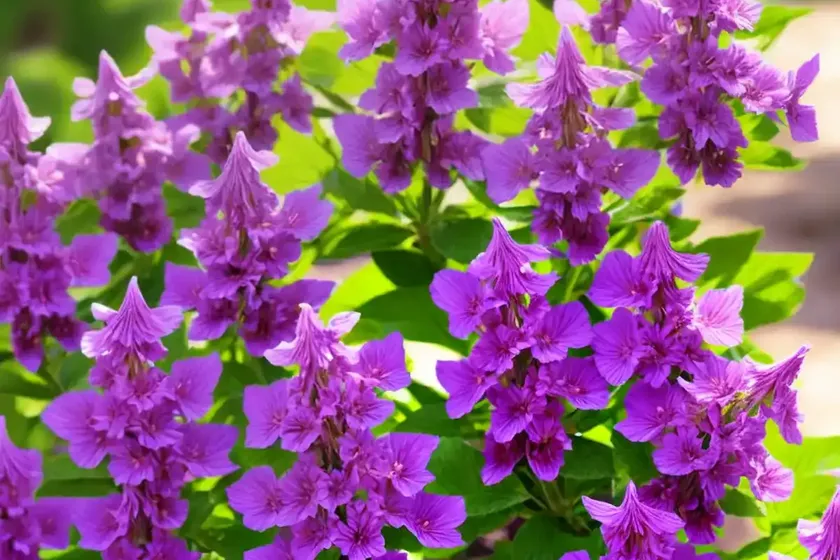
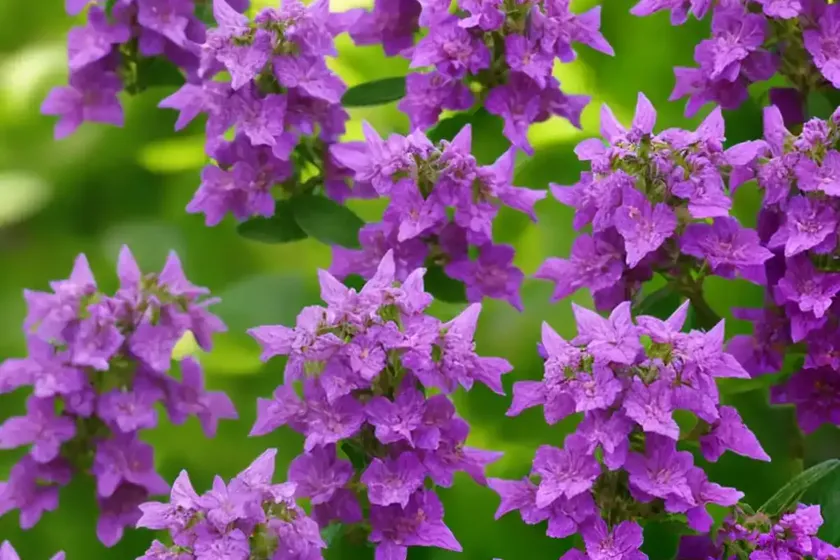
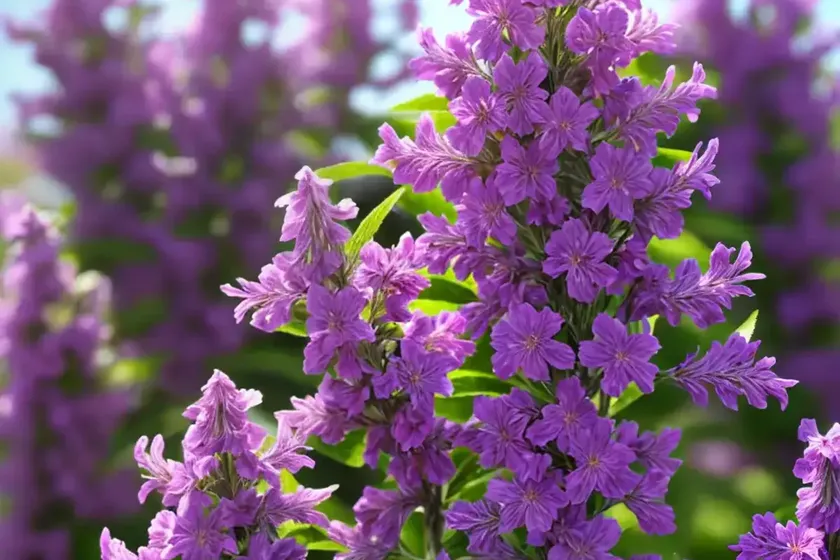
Angelonia Biflora, commonly known as Angelonia, is a flowering plant that belongs to the family Plantaginaceae. It is native to Mexico and the West Indies and is characterized by its striking, upright spikes of flowers in shades of purple, pink, blue, and white. Also referred to as “Summer Snapdragon,” Angelonia is a popular choice for gardens, containers, and landscaping due to its extended blooming period and low-maintenance nature.
Key Takeaways
In this guide, we will explore various aspects of Angelonia Biflora, including its cultural requirements, uses, best practices for care and maintenance, propagation, and potential diseases and pests. By the end of this comprehensive overview, you will have a thorough understanding of how to cultivate and care for Angelonia Biflora while harnessing its full potential in your garden or landscape.
Culture
Angelonia Biflora is a versatile plant that thrives in various environments and offers abundant blooms throughout the warm seasons. Understanding its cultural requirements is essential for successfully growing and nurturing this captivating plant.
Uses
Angelonia Biflora is a multi-functional plant with a range of uses, including:
- Ornamental Gardening: Angelonia adds a charming aesthetic to flower beds, borders, and edgings, enhancing the overall appeal of the garden.
- Container Gardening: Its compact growth habit and vibrant blooms make Angelonia an ideal choice for containers, hanging baskets, and window boxes.
- Landscaping: Angelonia can be used in landscaping projects to create colorful and visually appealing arrangements in public parks, residential complexes, and commercial spaces.
Water
Proper watering is crucial for the health and vigor of Angelonia Biflora. As a drought-tolerant plant, it is essential to find the right balance to prevent overwatering and dehydration.
- Watering Frequency: Angelonia thrives in well-drained soil and requires regular, consistent watering, especially during the initial establishment period and dry spells.
- Soil Moisture: It is vital to monitor soil moisture levels and water Angelonia when the top inch of the soil feels dry to the touch.
- Avoid Waterlogging: Angelonia is susceptible to root rot if left in waterlogged soil, so ensure proper drainage to prevent water accumulation around the roots.
Sunlight
Angelonia Biflora exhibits a preference for bright sunlight and warm conditions. Adequate exposure to sunlight is essential for robust growth and prolific blooming.
- Full Sun: Angelonia thrives in full sun, receiving at least 6-8 hours of direct sunlight daily. Placing it in a sunny location maximizes its flowering potential and overall vitality.
- Partial Shade: While Angelonia prefers full sun, it can also tolerate partial shade, making it a versatile option for different garden settings.
Fertilizer
Fertilizing Angelonia Biflora supports its growth, flowering, and overall health by providing essential nutrients it may need.
- Balanced Fertilizer: Use a balanced, water-soluble fertilizer with an N-P-K ratio of 10-10-10 or similar during the growing season.
- Application Frequency: Apply fertilizer every 4-6 weeks to nourish the plant and encourage continuous blooming.
- Avoid Overfeeding: While Angelonia benefits from fertilization, it is crucial to avoid overfeeding, as excessive nutrients can lead to issues such as excessive foliage growth at the expense of blooms.
Soil
Choosing the right soil and ensuring proper soil conditions are vital for the successful growth and development of Angelonia Biflora.
- Well-Drained Soil: Angelonia thrives in well-drained, loamy soil with a slightly acidic to neutral pH level.
- Soil Amendment: Incorporating organic matter such as compost or well-rotted manure into the soil enhances its fertility and structure, promoting optimal growth.
- Container Soil: When growing Angelonia in containers, use high-quality potting mix with excellent drainage to support healthy root development and prevent waterlogged conditions.
Pruning
Pruning is an essential aspect of Angelonia Biflora care, contributing to its shape, flowering vigor, and overall appearance.
- Deadheading: Regular deadheading of spent blooms promotes continuous flowering and prevents the plant from allocating energy to seed production.
- Pruning for Shape: Trimming back leggy or overgrown stems helps maintain a compact, bushy growth habit and encourages branching and new growth.
- Seasonal Pruning: When Angelonia becomes overgrown or untidy, consider rejuvenating it by pruning it back in late summer or early fall to promote a fresh flush of growth.
Propagation
Propagating Angelonia Biflora allows you to expand your plant collection and share its beauty with others. Several methods can be utilized for successful propagation.
- Seeds: Angelonia can be propagated from seeds, providing an economical and efficient way to grow new plants. Sow seeds indoors in early spring or directly in the garden after the last frost date.
- Cuttings: Stem cuttings can be taken from healthy, actively growing Angelonia plants and rooted to produce genetically identical clones.
- Division: While less common, Angelonia can also be propagated by division, separating established clumps into smaller sections for transplanting.
Container Popularity
The compact nature and striking appearance of Angelonia Biflora make it a popular choice for container gardening, offering versatility and visual impact in various settings.
- Container Types: Angelonia thrives in various container types, including pots, planters, window boxes, and hanging baskets, adding color and vibrancy to porches, patios, and balconies.
- Companion Plants: Pairing Angelonia with complementary flowers and foliage plants in containers creates stunning arrangements and decorative displays.
- Seasonal Design: Utilize Angelonia in seasonal container designs, incorporating it with other annuals and seasonal blooms to create captivating displays throughout the year.
Common Diseases
While Angelonia Biflora is relatively resistant to diseases, certain conditions can predispose it to specific issues that require prompt attention and management.
- Powdery Mildew: In humid conditions, Angelonia may be susceptible to powdery mildew, characterized by a white, powdery coating on the leaves. Provide adequate air circulation and consider fungicidal treatments if necessary.
- Root Rot: Excessive moisture and waterlogged soil can lead to root rot in Angelonia. Ensure proper drainage and avoid overwatering to prevent this issue.
Disease Diagnosis
Diagnosing and addressing potential diseases in Angelonia Biflora involves careful observation and proactive measures to maintain its health and vitality.
- Symptom Recognition: Familiarize yourself with common disease symptoms in Angelonia, such as leaf discoloration, wilting, and unusual growth patterns.
- Cultural Practices: Implement cultural practices that promote plant vigor and disease resistance, such as proper watering, good air circulation, and maintaining overall plant health.
Common Pests
Angelonia Biflora is relatively resistant to pest infestations; however, certain pests may occasionally pose a threat and require appropriate management.
- Aphids: These small, sap-sucking insects can sometimes affect Angelonia plants. Use insecticidal soap or neem oil to control aphid populations and prevent damage to the plant.
- Spider Mites: Spider mites may infest Angelonia during dry, hot conditions. Regularly mist the plant to increase humidity and use horticultural oils to manage spider mite infestations.
Botanist’s Tips
As a plant scientist, I have gathered valuable insights and tips for successfully growing and caring for Angelonia Biflora, ensuring its optimal performance in various garden and landscape settings.
- Selecting Varieties: Choose from a diverse range of Angelonia Biflora varieties and cultivars, each with unique colors, growth habits, and characteristics, allowing for creative and personalized plant selections.
- Butterfly and Hummingbird Attraction: Angelonia’s vibrant and nectar-rich blooms attract butterflies and hummingbirds, contributing to the biodiversity and ecological balance of the garden environment.
- Summer Performance: Utilize Angelonia as a summer bloomer, enhancing the seasonal beauty and visual appeal of your garden with its abundant and long-lasting flowers.
Fun Facts
Angelonia Biflora is not only a visually captivating plant but also possesses various intriguing and noteworthy characteristics that contribute to its appeal and desirability in gardens and landscapes.
- Aromatic Properties: Some Angelonia varieties exhibit pleasant fragrance, adding sensory enjoyment to the garden atmosphere.
- Drought Tolerance: Angelonia’s resilience to drought and water-wise nature makes it an eco-friendly and sustainable choice for water-conscious gardening practices.
Links to External Resources
Enhance your knowledge and exploration of Angelonia Biflora by exploring the following external resources:
Conclusion
Angelonia Biflora is a remarkable plant that offers an array of benefits and ornamental value to gardens, landscapes, and container settings. By understanding its cultural requirements, uses, and maintenance practices, you can maximize the potential of Angelonia and create vibrant, visually captivating displays in your outdoor spaces. Embrace the versatility and beauty of Angelonia Biflora as you incorporate it into your gardening endeavors, bringing seasonal color, wildlife attraction, and enduring charm to your landscapes.
Remember to explore the provided links to delve deeper into specific aspects of Angelonia Biflora, and enjoy your journey of cultivating and admiring this delightful plant.
Disclaimer: This blog post serves as a comprehensive guide and informational resource for Angelonia Biflora care and cultivation. Specific environmental conditions, regional variations, and individual plant health may require personalized care approaches. Always refer to local gardening resources, consult with horticultural professionals, and observe the specific needs of your plants for tailored care and maintenance.
As a plant scientist, I take pride in sharing my expertise and passion for horticulture, aiding enthusiasts and practitioners in their pursuit of successful gardening and plant care.
Keywords: Angelonia Biflora care tips, Best practices for growing Angelonia Biflora, Angelonia Biflora plant guide, How to care for Angelonia Biflora plants, Angelonia Biflora: A beautiful addition to your garden, Angelonia Biflora: The perfect summer bloomer, Growing Angelonia Biflora in containers, Angelonia Biflora: A versatile and low-maintenance plant, Angelonia Biflora: All you need to know, Angelonia Biflora varieties and cultivars, Angelonia Biflora: An excellent choice for borders and edging, Tips for planting Angelonia Biflora seeds, Angelonia Biflora: Thriving in full sun or partial shade, Angelonia Biflora: A pollinator-friendly plant, Natural pest control methods for Angelonia Biflora, Angelonia Biflora: Enhancing your landscape design, Angelonia Biflora: Drought-tolerant and water-wise, Angelonia Biflora: Long-lasting blooms for your garden, Angelonia Biflora: Creating a stunning color palette, Angelonia Biflora: Attracting butterflies and hummingbirds, Angelonia Biflora pruning techniques, Angelonia Biflora: Managing common plant diseases, Angelonia Biflora: The importance of soil quality, Angelonia Biflora propagation methods, Angelonia Biflora: Growing from cuttings, Angelonia Biflora: Overwintering tips, Angelonia Biflora: Optimal temperature and humidity levels, Angelonia Biflora: Choosing the right companion plants, Angelonia Biflora: Adding height to your flower bed, Angelonia Biflora: Seasonal maintenance guide, Angelonia Biflora: Benefits of mulching, Angelonia Biflora: Resolving nutrient deficiencies, Angelonia Biflora: Dealing with common garden pests, Angelonia Biflora: Aromatic properties and uses, Angelonia Biflora in different climates, Angelonia Biflora: Low allergenic plant option, Angelonia Biflora: Enhancing curb appeal with landscaping, Angelonia Biflora: Suitable companion for other annuals, Angelonia Biflora: Rain gardens and water features, Angelonia Biflora: Creating a wildlife-friendly garden, Angelonia Biflora: Sustainable gardening practices, Angelonia Biflora: Medicinal and herbal applications, Angelonia Biflora: Container gardening inspiration, Angelonia Biflora: Repelling garden pests naturally, Angelonia Biflora: Inspiring floral arrangements, Angelonia Biflora: Establishing a butterfly garden, Angelonia Biflora landscaping ideas, Angelonia Biflora: Edible flowers and culinary uses, Angelonia Biflora: Enhancing biodiversity in your garden, Angelonia Biflora: Seasonal color schemes for your yard