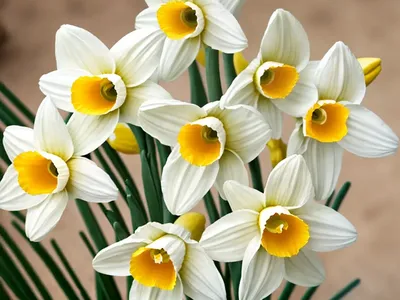
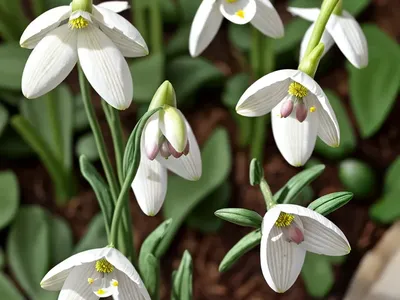
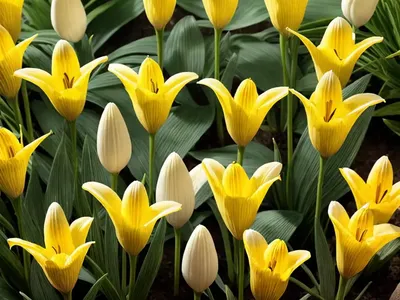
Narcissus Pseudonarcissus (Wild Daffodil)
Narcissus pseudonarcissus, commonly known as the Wild Daffodil, is an enchanting harbinger of spring that graces woodlands and meadows with its vibrant.
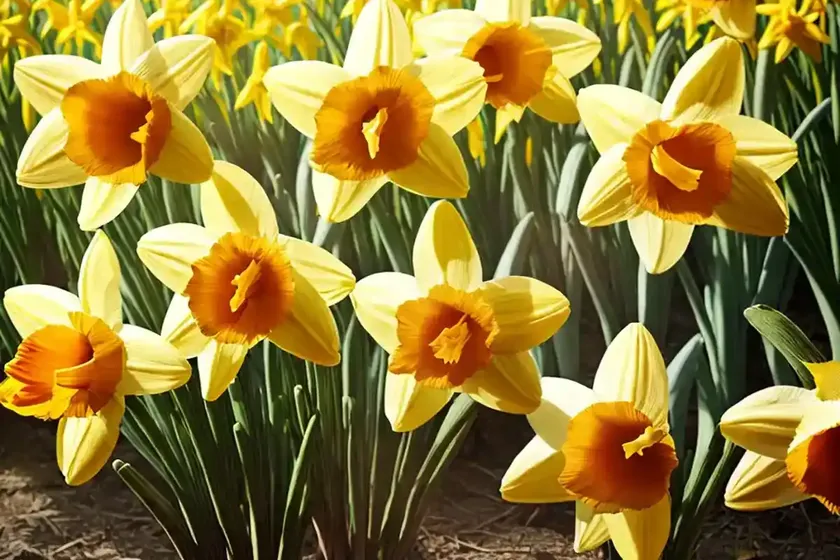
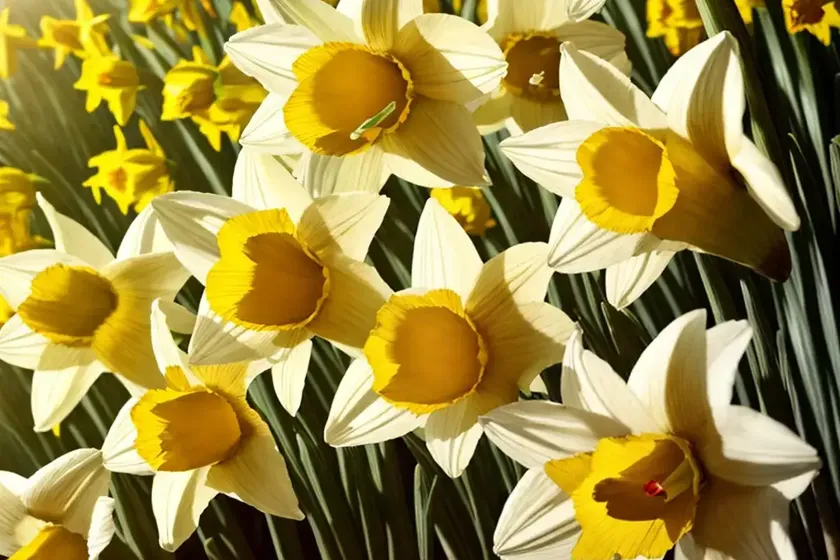
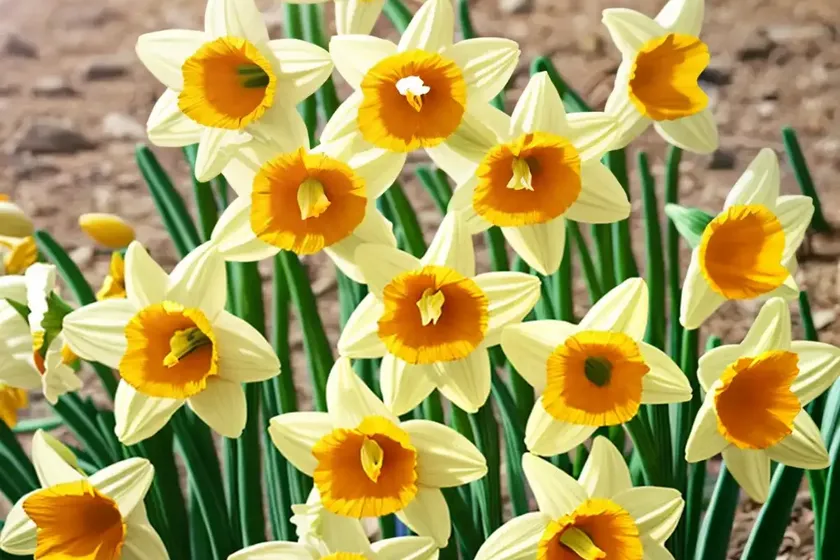
Narcissus pseudonarcissus, commonly known as the Wild Daffodil, is an enchanting harbinger of spring that graces woodlands and meadows with its vibrant yellow blooms. In this comprehensive guide, we will delve into the characteristics, cultivation, and care of Narcissus pseudonarcissus, exploring its cultural significance, uses, and ecological importance.
What is Narcissus Pseudonarcissus?
Narcissus pseudonarcissus belongs to the Amaryllidaceae family and is native to Europe and North Africa. This perennial plant is well-admired for its striking, trumpet-shaped flowers and delicate fragrance. Its graceful appearance is a symbol of renewal and hope, marking the end of winter and the arrival of spring.
Narcissus Pseudonarcissus Characteristics
- Botanical Name: Narcissus pseudonarcissus
- Common Name: Wild Daffodil
- Family: Amaryllidaceae
- Habitat: Woodlands, meadows
- Flower Color: Yellow
Key Takeaways – Narcissus Pseudonarcissus (Wild Daffodil)
Culture
The Wild Daffodil holds a rich cultural significance, often associated with myths and legends. It has become an iconic symbol in literature and art, representing rebirth and unrequited love.
Uses
Aside from its ornamental value, the Wild Daffodil has been traditionally used in herbal medicine for various therapeutic purposes. Its bulbs and flowers contain alkaloids and have been employed in traditional remedies.
Water
Narcissus pseudonarcissus thrives in well-drained soil and requires moderate watering. Overwatering may lead to root rot, so it’s essential to maintain a balance in moisture levels.
Sunlight
This species prefers partial sunlight to full sun, although it can tolerate some shade. Adequate light is crucial for its robust growth and abundant flowering.
Fertilizer
A balanced fertilizer with a higher ratio of potassium can encourage blooming and overall plant health. However, excessive fertilization can be detrimental, so it’s important to follow application guidelines.
Soil
Well-draining, slightly acidic soil is optimal for Wild Daffodils. Sandy loam or loamy soils are suitable, ensuring proper drainage to prevent waterlogging.
Pruning
Minimal pruning is necessary for Narcissus pseudonarcissus, primarily for removing spent blooms and yellowing foliage. This helps conserve the plant’s energy and maintains its aesthetic appeal.
Propagation
Wild Daffodils can be propagated through seeds, division of bulbs, or offsets. Each method offers unique advantages and is relatively straightforward, making propagation an accessible endeavor for gardening enthusiasts.
Container Popularity
Though commonly grown in garden beds, Narcissus pseudonarcissus can also flourish in containers, adding a touch of elegance to balconies, patios, and indoor spaces.
Wild Daffodil Facts
- The Latin name “Narcissus” is derived from the Greek myth of Narcissus, a handsome youth who became infatuated with his own reflection.
- Wild Daffodils are a vital food source for early pollinators, attracting bees and butterflies with their nectar-rich blooms.
- The plant’s bulbs and leaves contain toxic alkaloids, making it unpalatable for most herbivores and contributing to its natural pest resistance.
Narcissus pseudonarcissus Care Tips
- Planting Depth: Place bulbs at a depth of approximately 3 times their height, ensuring proper establishment and protection from frost.
- Mulching: Applying a layer of organic mulch around the plants can help regulate soil moisture and suppress weed growth.
- Winter Care: Provide protection from cold temperatures and frost to safeguard the bulbs during dormancy.
- Naturalizing: Wild Daffodils naturalize readily in favorable conditions, gradually spreading and creating stunning displays over time.
Wild Daffodil Plant Profile
- Flower Anatomy: The classic trumpet-shaped flower consists of six petal-like tepals, with a central corona or trumpet that distinguishes the Narcissus genus.
- Foliage Appearance: Linear, grass-like leaves emerge from the base of the plant, complementing the vibrant blossoms with their lush green hues.
Wild Daffodil Planting Guide
Planting Zones
Narcissus pseudonarcissus is suited to USDA Hardiness Zones 4-8, thriving in temperate climates with defined seasons.
Soil Requirements
- Acidity: Slightly acidic to neutral soil pH (6.0-7.0)
- Drainage: Well-draining soil to prevent waterlogging and root rot
- Composition: Loamy or sandy loam soil with good organic content for balanced nutrition
Bulb Planting
- Spacing: Plant bulbs 4-6 inches apart to allow for healthy growth and natural spreading
- Orientation: Plant bulbs with their pointed ends facing upwards, ensuring proper emergence
Spring Blooming Season
The arrival of spring heralds the blooming season for Narcissus pseudonarcissus, with its cheerful flowers adorning gardens and natural habitats.
Wild Daffodil Varieties
The Wild Daffodil encompasses several charming varieties, each offering unique flower colors, sizes, and growing habits. Some popular cultivars include:
- Narcissus pseudonarcissus ‘Lent Lily’: A petite, early-flowering variety with pale yellow blooms
- Narcissus pseudonarcissus ‘Pheasant’s Eye’: Noted for its distinctive red-ringed corona and sweet fragrance
- Narcissus pseudonarcissus ‘February Gold’: A compact variety, often among the first to bloom, heralding the onset of spring
Cultivation
Narcissus pseudonarcissus is generally low-maintenance, making it an ideal choice for both novice and experienced gardeners. Its adaptability and resilience allow it to thrive in various settings and soil conditions.
Hybridization
Through selective breeding and hybridization, horticulturists have developed an array of stunning hybrid Daffodils, incorporating diverse color patterns, flower forms, and bloom times.
Wild Daffodil Symbolism
The symbolism of the Wild Daffodil is deeply rooted in folklore and mythology, carrying diverse interpretations across cultures. Often associated with themes of renewal, beauty, and endurance, the flower holds a special place in literature, art, and spiritual traditions.
Historical Significance
In historical contexts, Narcissus pseudonarcissus has been revered for its beauty and symbolic resonance, featuring prominently in ancient Greek and Roman mythology, as well as in medieval European folklore.
Folklore
The flower’s connection to the myth of Narcissus, as well as its role in various folk traditions and customs, imbues it with a wealth of cultural significance and enduring allure.
Narcissus Pseudonarcissus Gardening
Seasonal Care
- Spring: Enjoy the splendid display of Wild Daffodils in full bloom, appreciating their radiant colors and ethereal fragrance.
- Summer: Allow the foliage to mature and gather nutrients for the following year, ensuring optimal bulb development.
- Fall: Prepare for the next bloom cycle by ensuring well-drained soil and protecting bulbs from excessive moisture.
Deer Resistance
The toxic compounds present in Wild Daffodils render them unappealing to browsing deer, serving as a natural deterrent to protect the plants from herbivory.
Naturalized Populations
Wild Daffodils have naturalized across various regions, creating breathtaking expanses of golden blooms in woodlands, meadows, and grassy slopes.
Wild Daffodil Conservation Status
Native Range
Narcissus pseudonarcissus is indigenous to parts of Europe and North Africa, where it thrives in diverse habitats, contributing to the region’s floral diversity.
Endangered Status
Certain subspecies and localized populations of Wild Daffodils may face threats due to habitat destruction and unsustainable collection. Conservation efforts aim to protect and preserve these vulnerable populations.
Wild Daffodil Wildlife Interactions
Pollination
The nectar-rich flowers of Narcissus pseudonarcissus attract pollinators, playing a crucial role in supporting local ecosystems and contributing to biodiversity.
Wildlife Habitats
Wild Daffodils serve as vital food sources for early-emerging insects, pollinators, and small mammals, fostering dynamic interactions within the natural environment.
Fun Facts
- Medicinal Uses: In traditional herbal medicine, various parts of the Wild Daffodil have been used to address ailments such as joint pain, respiratory issues, and even to induce vomiting.
- Symbolic Value: The Narcissus genus is associated with notions of self-love, inner reflection, and personal growth, inspired by the mythological figure after whom it is named.
- Landscape Uses: Beyond naturalizing in woodlands, Wild Daffodils enhance garden borders, rockeries, and naturalistic landscape designs, imparting a touch of wild elegance.
Narcissus Pseudonarcissus: A Marvel of Nature
In conclusion, the beauty and resilience of Narcissus pseudonarcissus, the Wild Daffodil, make it a captivating addition to gardens, natural landscapes, and cultural narratives. Through its vibrant blossoms, rich symbolism, and ecological contributions, this captivating plant continues to enchant and inspire us, serving as a timeless emblem of the spring season’s exuberance and renewal.
By understanding and appreciating the characteristics, care requirements, and cultural significance of Narcissus pseudonarcissus, we can cultivate a deeper connection with this marvel of nature, celebrating its enchanting presence and acknowledging its ecological importance.
For further insights and detailed information on Wild Daffodils, I encourage you to explore the following external resources: