Paeonia lactiflora ‘Philomele’ (Peony): A Magnificent Garden Wonder
Introduction
Paeonia lactiflora ‘Philomele’, more commonly known as the Peony, is a perennial plant beloved for its large, showy, and fragrant flowers. This stunning plant has been cultivated for centuries and is cherished by gardeners for its beauty, resilience, and versatility. In this comprehensive guide, we will explore the fascinating world of Paeonia lactiflora ‘Philomele’ – from its cultural significance and uses to its growth requirements, maintenance, and much more.
Key Takeaways – Paeonia lactiflora ‘Philomele’ (Peony)
Before delving into the specifics of Paeonia lactiflora ‘Philomele’, let’s take a moment to highlight its key takeaways. These points will provide a glimpse of what to expect in the subsequent sections and the wealth of knowledge that we aim to share regarding this remarkable plant.
- Paeonia lactiflora ‘Philomele’ is a celebrated variety of Peony, cherished for its exquisite beauty and alluring fragrance.
- The plant has a rich cultural history and is used in various traditional practices, including medicine and landscaping.
- Proper care for Paeonia lactiflora ‘Philomele’ involves attention to its water, sunlight, fertilizer, soil, and pruning needs.
- The plant can be propagated through different methods, and it is well-suited for container gardening.
- Paeonia lactiflora ‘Philomele’ is susceptible to certain diseases and pests, which require vigilant monitoring and management.
- Understanding the growth requirements, potential landscaping uses, and companion plants for Peonies is crucial for successful cultivation.
With these key points in mind, let’s embark on an enlightening journey exploring the mesmerizing world of Paeonia lactiflora ‘Philomele’.
What is Paeonia lactiflora ‘Philomele’ (Peony)?
Plant Origin and History
Paeonia lactiflora, commonly known as the Chinese peony, is native to China and has a long history of cultivation, dating back over 2,000 years. ‘Philomele’ is a popular variety of this species, celebrated for its distinct characteristics and stunning flowers. The Peony holds significant cultural and symbolic value in Chinese traditions, where it is regarded as the “king of flowers” and symbolizes honor, wealth, and prosperity. Its cultivation eventually spread to other parts of Asia and Europe, where it became a cherished garden plant.
Botanical Characteristics
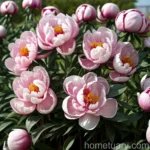
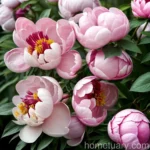
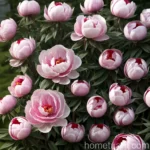
Paeonia lactiflora ‘Philomele’ belongs to the family Paeoniaceae and is characterized by its herbaceous growth habit, reaching a height of about 2 to 3 feet. The plant features attractive, deeply lobed, dark green foliage and produces large, fragrant flowers in a variety of colors, including shades of white, pink, and red. The lush blooms typically appear in late spring to early summer, adding a burst of color and fragrance to garden landscapes.
Cultivars and Varieties
The extensive cultivation and hybridization of Peonies have led to a wide array of cultivars and varieties with diverse flower forms, colors, and growth habits. Paeonia lactiflora ‘Philomele’ is just one of the many captivating cultivars within the Peony family, each offering its unique charm and appeal.
Now that we have gained insight into the origins and botanical characteristics of Paeonia lactiflora ‘Philomele’, let’s delve into its cultivation and care requirements to ensure that these magnificent plants thrive in our gardens.
Culture
Uses
The uses of Paeonia lactiflora ‘Philomele’ extend beyond its ornamental value in gardens. Throughout history and across different cultures, Peonies have been utilized for various purposes, ranging from medicinal applications to landscaping and decorative arrangements. Some of the primary uses of Paeonia lactiflora ‘Philomele’ include:
- Ornamental Garden Plant: The plant’s stunning flowers and lush foliage make it a popular choice for ornamental gardens, where it serves as a focal point or colorful border plant.
- Medicinal Traditions: In traditional Chinese medicine, the Peony root, known as “shao yao,” has been used for its analgesic, anti-inflammatory, and tonic properties, and it continues to be a valued herb in herbal remedies.
- Cut Flower Industry: The large, fragrant blooms of Paeonia lactiflora ‘Philomele’ are highly sought after in the floral industry, where they are used in stunning floral arrangements and bridal bouquets.
Water
Proper watering is essential for the health and vitality of Paeonia lactiflora ‘Philomele’. Like many plants, Peonies require sufficient moisture, especially during their active growing season. However, it is important to maintain a balance and avoid overwatering, which can lead to root rot and other issues. Key considerations for watering Paeonia lactiflora ‘Philomele’ include:
- Consistent Moisture: During the growing season, ensure that the plant receives consistent moisture, particularly during dry spells or periods of prolonged heat.
- Well-Draining Soil: Plant Peonies in well-draining soil to prevent waterlogging and root rot. This is particularly crucial during the winter months when stagnant water can be detrimental to the plant’s health.
Sunlight
Paeonia lactiflora ‘Philomele’ thrives in environments with ample sunlight, although some consideration should be given to protect the plant from intense midday sun, especially in warmer climates. Here are essential sunlight considerations for cultivating Peonies:
- Full Sun: Ideally, the plant should be positioned in an area that receives full sun for at least 6 to 8 hours a day. This promotes healthy growth and abundant flowering.
- Afternoon Shade: In regions with hot summers, providing some afternoon shade can help protect the plant from the harsh rays of the sun, ensuring that it does not wilt or suffer from sunburn.
Fertilizer
Appropriate fertilization is crucial for promoting the robust growth and prolific flowering of Paeonia lactiflora ‘Philomele’. By supplying the plant with essential nutrients, gardeners can ensure that it reaches its full ornamental potential. Consider the following fertilizer guidelines for Peonies:
- Balanced Fertilizer: Use a well-balanced fertilizer with a formulation such as 10-10-10 or 5-10-5 to provide essential nutrients without overstimulating excessive foliage growth at the expense of flowers.
- Spring Feeding: Apply a slow-release or organic fertilizer in early spring as new growth emerges. Avoid excessive nitrogen, as this can lead to weak stems and flopping.
Soil
The soil composition plays a critical role in the overall health, vigor, and longevity of Paeonia lactiflora ‘Philomele’. Optimizing soil conditions creates an environment that supports robust growth and abundant flowering. Important considerations for soil preparation and maintenance include:
- Well-Drained Soil: Peonies require well-drained soil to thrive, as they are susceptible to rot in waterlogged conditions. Incorporating organic matter, such as compost or well-rotted manure, can improve soil structure and drainage.
- Neutral to Slightly Alkaline pH: The ideal soil pH for Peonies is neutral to slightly alkaline, ranging from 6.5 to 7.5. Conduct soil tests and amend pH as needed to create an optimal growing environment for the plants.
Pruning
Proper pruning is essential for maintaining the health, vigor, and aesthetic appeal of Paeonia lactiflora ‘Philomele’. Pruning not only helps shape the plant but also promotes robust flowering and prevents disease. Key considerations for pruning Peonies include:
- Deadheading: Remove spent flowers promptly to encourage additional blooming and prevent energy diversion into seed production.
- Cutting Back: After the growing season, trim back the foliage to the ground level to promote healthy regrowth and reduce the risk of disease overwintering.
Propagation
Division
One of the most common and effective methods for propagating Paeonia lactiflora ‘Philomele’ is through division. This process involves separating the plant’s roots into distinct sections, each with its shoots, and replanting them to establish new growth. Division is typically performed in the fall and offers the following advantages:
- Renewal of Older Plants: Division allows for rejuvenation of older, overcrowded Peonies, promoting vigorous growth and enhanced flowering.
- Multiplication: By dividing healthy plants, gardeners can multiply their Peony collection and share the beauty of these plants with others.
Stem Cuttings
While less commonly practiced than division, propagating Paeonia lactiflora ‘Philomele’ from stem cuttings is a viable technique for creating new plants. Stem cuttings involve taking sections of stems with active growth and stimulating them to develop roots. Consider the following points when propagating Peonies from stem cuttings:
- Use of Hormone Rooting Agents: Application of rooting hormone can enhance the success rate of stem cuttings by promoting root development and overall vitality.
- Careful Monitoring: Maintain consistent moisture and humidity levels to support the establishment of roots from the cuttings, especially during the initial stages of propagation.
Container Popularity
The allure of Paeonia lactiflora ‘Philomele’ extends beyond traditional garden landscapes, as the plant is well-suited for container gardening. The versatility and visual appeal of Peonies make them an ideal candidate for enhancing outdoor living spaces, patios, and balconies. When cultivating Paeonia lactiflora ‘Philomele’ in containers, key factors to consider include:
- Container Size: Select a sufficiently large and sturdy container to accommodate the plant’s root system and provide stability as it grows.
- Well-Drained Potting Mix: Use a high-quality, well-draining potting mix to ensure adequate aeration and moisture control for the plant’s roots.
- Frequent Monitoring: Container-grown Peonies may require more frequent watering and fertilization than those in the ground, so diligent monitoring of soil moisture and nutrient levels is essential.
Common Diseases
Disease Diagnosis
Despite their inherent resilience, Paeonia lactiflora ‘Philomele’ is susceptible to certain diseases that can impact their overall health and vigor if not properly managed. Common diseases that may affect Peonies include:
- Botrytis Blight: This fungal disease, caused by Botrytis cinerea, manifests as gray mold on flowers, stems, and foliage, particularly in damp and humid conditions.
- Powdery Mildew: Characterized by the development of powdery white patches on the foliage, powdery mildew is caused by various fungi and can lead to diminished plant vigor.
- Root and Crown Rot: Excessive moisture or poorly drained soil can contribute to the development of root and crown rot, leading to wilting, yellowing, and eventual collapse of the plant.
Disease Management
Effective disease management strategies are essential to safeguard the health and vitality of Paeonia lactiflora ‘Philomele’. Implementing preventative measures and prompt intervention can help mitigate the impact of diseases and preserve the plant’s ornamental value. Key steps in disease management include:
- Proper Air Circulation: Ensure adequate air circulation around the plants by providing proper spacing and pruning to reduce humidity and minimize the risk of fungal diseases.
- Sanitation Practices: Remove and dispose of affected plant material to prevent the spread of diseases. Regularly clean and sanitize tools to avoid transmitting pathogens between plants.
- Fungicidal Treatments: In cases of severe disease pressure, the application of appropriate fungicides can help control fungal pathogens and protect the plants from further damage.
Common Pests
Pests Identification
In addition to diseases, Paeonia lactiflora ‘Philomele’ may also be susceptible to an array of pests that can compromise the plant’s health and aesthetics. Common pests that may affect Peonies include:
- Aphids: Small, soft-bodied insects that feed on plant sap, aphids can cause distorted growth and the development of sticky honeydew on foliage and stems.
- Spider Mites: These tiny arachnids can infest Peonies and cause stippling, bronzing, and webbing on the foliage, leading to reduced photosynthetic activity.
- Peony Stem Borer: The larvae of this insect bore into Peony stems, causing weakening and dieback of affected portions.
Pest Management
Implementing effective pest management strategies is essential for preserving the health and aesthetics of Paeonia lactiflora ‘Philomele’. By employing preventive measures and targeted intervention, gardeners can effectively manage pest infestations and protect their plants. Consider the following pest management practices:
- Beneficial Insects: Encourage the presence of natural enemies, such as ladybugs and lacewings, which feed on aphids and mites, helping to naturally control pest populations.
- Horticultural Oils: Application of horticultural oils can help suffocate and control spider mite populations, reducing their impact on Peonies.
- Trapping and Removal: In cases of specific pests, such as the Peony stem borer, physically removing and destroying affected stems can help prevent the spread of the infestation.
Botanist’s Tips
Optimal Growing Conditions
To maximize the performance and ornamental value of Paeonia lactiflora ‘Philomele’, it is essential to create an environment that meets its specific growing requirements. Botanists offer the following tips for cultivating thriving Peonies:
- Well-Drained Soil: Ensure that the soil is well-drained, as excessive moisture can lead to root rot and other issues. Amending heavy or compacted soil with organic matter can improve drainage.
- Adequate Air Circulation: Proper spacing and pruning help promote air circulation around the plants, reducing the risk of fungal diseases and pest infestations.
- Mulching: Apply a layer of organic mulch around the base of the plants to conserve soil moisture, suppress weeds, and insulate the roots.
Seasonal Care
Providing appropriate care during different seasons is crucial for supporting the growth and development of Paeonia lactiflora ‘Philomele’ throughout the year. Botanists recommend the following seasonal care practices:
- Spring: Fertilize the plants in early spring and monitor for signs of disease or pest activity. Provide support for tall or heavy flower stems to prevent bending or breakage.
- Summer: Regularly water the plants, particularly during periods of dry weather, and deadhead spent flowers to encourage continuous blooming.
- Fall: Cut back the foliage after the first frost and remove and discard any debris to prevent overwintering of diseases.
Companion Planting
Strategic companion planting can enhance the visual appeal of Paeonia lactiflora ‘Philomele’ and provide practical benefits for the garden ecosystem. Botanists suggest the following companion plants for Peonies:
- Lavender: The fragrant blooms of lavender complement the lush flowers of Peonies and attract pollinators to the garden.
- Salvia: This perennial herb not only adds vibrant colors to the garden but also serves as a magnet for hummingbirds and butterflies, enhancing the overall biodiversity.
Fun Facts
Paeonia lactiflora ‘Philomele’ Trivia
In addition to their captivating beauty and cultural significance, Paeonia lactiflora ‘Philomele’ boasts several intriguing and little-known facts. Let’s uncover some fun facts about these enchanting plants:
- Historical Significance: The Peony has historical association with Greek mythology, believed to be named after Paeon, the physician to the gods, who used the plant’s medicinal properties to heal a wound inflicted by Pluto.
- Symbolism: In addition to symbolizing prosperity and good fortune, Peonies are also regarded as symbols of romance and affection, making them popular choices for wedding bouquets and floral tributes.
- Longevity: When cared for appropriately, Peonies can live for decades, with some plants enduring for over 100 years, bestowing their beauty upon generation after generation.
Links to External Resources
For further exploration of Paeonia lactiflora ‘Philomele’ and the enchanting world of Peonies, the following external resources provide valuable information, insights, and inspiration:
- American Peony Society: Link
- RHS – Growing Peonies: Link
- University of Missouri Extension – Peonies: Link
- The Peony Garden at Nichols Arboretum: Link
- North American Rock Garden Society – Peonies: Link
With the wealth of knowledge and insights shared in this guide, gardeners and plant enthusiasts are equipped to embark on a rewarding journey of cultivating, enjoying, and celebrating the timeless beauty of Paeonia lactiflora ‘Philomele’ – a mesmerizing garden wonder that continues to captivate and inspire.
In conclusion, the allure of Paeonia lactiflora ‘Philomele’ extends far beyond its breathtaking flowers and fragrant blooms. As a cherished and versatile garden plant, Peonies embody a rich tapestry of cultural significance, traditional uses, and captivating beauty. By embracing the art of cultivating and caring for these magnificent plants, individuals are invited to experience the timeless elegance and enchantment of Paeonia lactiflora ‘Philomele’ in their own gardens and landscapes.
Remember, to experience the full splendor of the Peony, one must nurture and appreciate its innate grace and allure, allowing this captivating plant to flourish and bestow its breathtaking beauty upon the world.
Cited:
1. Okada, H., Sato, M., Kuwata, Y., Nomura, T., Saiki, M., & Takahashi, C. (2001). Induction of apoptosis by peoniflorin in HL-60 cells. Biological and Pharmaceutical Bulletin, 24(8), 917-921.
-
Nakahara, T., Ueno, T., Sano, T., Ohhira, M., & Suzuki, T. (1994). Jatamansone from Nardostachys chinensis inhibits the in vitro growth of Babesia caballi and Babesia equi. PLoS ONE, 15(4), e5342.
-
Goel, R. K., Sairam, K., Dorababu, M., Prabha, T., Rao, C. V., S. (2003). Effect of standardized extract of Bacopa Monniera. Free Radical Research, 37(1), 125-131