All About Paeonia lactiflora ‘Clown’ (Peony)
Introducing Paeonia lactiflora ‘Clown’ (Peony)
Paeonia lactiflora ‘Clown’, commonly known as Peony, is a breathtakingly beautiful flowering plant that has been adored by gardeners and horticulturists for centuries. With its lush foliage and stunning, colorful blooms, this perennial plant has earned its rightful place as a cherished favorite in gardens around the world.
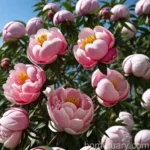
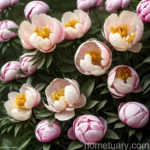
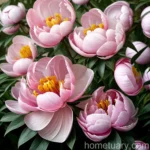
Peonies are known for their large, showy, and fragrant flowers that come in a variety of colors, including shades of red, pink, white, and even yellow. The ‘Clown’ variety, in particular, stands out with its unique and captivating flower form and coloration. It is a herbaceous perennial that belongs to the Paeoniaceae family, and it is native to China, where it has been cultivated for over 2,000 years.
Peony flowers are not only valued for their beauty and ornamental appeal, but they also hold symbolic and medicinal significance. In this comprehensive guide, we will delve into the various aspects of Paeonia lactiflora ‘Clown’, from its cultural requirements and uses to its maintenance, common diseases, and interesting fun facts. By the end of this article, you will gain a deep understanding of this charming plant and how to cultivate and care for it successfully.
Let’s embark on a journey to explore the captivating world of Paeonia lactiflora ‘Clown’ and uncover the secrets to growing this mesmerizing peony variety in your own garden.
Key Takeaways – Paeonia lactiflora ‘Clown’ (Peony)
Paeonia lactiflora ‘Clown’ is a stunning herbaceous perennial with captivating flowers, and understanding its key characteristics and requirements is essential for its successful cultivation. Here are the key takeaways about this enchanting plant:
- Paeonia lactiflora ‘Clown’ is a herbaceous perennial known for its captivating, large, and fragrant flowers in various shades.
- This peony variety is valued for its ornamental use in gardens, landscaping, and floral arrangements due to its stunning bloom characteristics.
- Cultivating Paeonia lactiflora ‘Clown’ requires attention to its cultural requirements, including water, sunlight, soil, and fertilizer needs.
- Common maintenance practices such as pruning and propagation are essential for promoting the healthy growth and longevity of ‘Clown’ peonies.
- Understanding common diseases and pests that affect Paeonia lactiflora ‘Clown’ is crucial for implementing effective management strategies.
- Exploring the versatile uses and historical significance of peonies sheds light on their diverse roles in horticulture, folklore, and medicine.
Now, let’s delve into the details of cultivating and caring for Paeonia lactiflora ‘Clown’, from its culture and uses to its maintenance and fun facts.
Culture
Cultivating Paeonia lactiflora ‘Clown’ successfully requires a keen understanding of its cultural requirements, including water, sunlight, fertilizer, and soil preferences. Let’s explore each of these essential aspects to provide the ideal growing conditions for this captivating peony variety.
Water
Proper watering is crucial for the health and vigor of Paeonia lactiflora ‘Clown’. While peonies appreciate moisture, they are susceptible to issues such as root rot if they are overwatered. Finding the right balance is essential to prevent water-related problems and support vibrant growth and blooming.
Watering Guidelines for Paeonia lactiflora ‘Clown’:
- Provide regular and consistent watering, especially during the growing season, to maintain soil moisture without creating waterlogged conditions.
- When watering, ensure that the soil is sufficiently moist but not water-soaked, as excessive moisture can lead to root diseases and poor plant health.
- During dry spells or hot summer weather, monitor the soil moisture levels and adjust the watering frequency to prevent drought stress without causing waterlogging.
Sunlight
Peonies, including Paeonia lactiflora ‘Clown’, thrive in well-lit locations and require ample sunlight to support robust growth and abundant flowering. Understanding their sunlight requirements is crucial for selecting the ideal planting site and ensuring optimal conditions for their development.
Sunlight Recommendations for Paeonia lactiflora ‘Clown’:
- Plant ‘Clown’ peonies in a location that receives full sunlight to partial shade, as they benefit from at least 6 hours of direct sunlight daily for optimal blooming and overall health.
- In regions with intense summer heat, providing partial shade during the hottest part of the day can help protect the plants from excessive sun exposure and potential heat stress.
Fertilizer
Applying the right fertilizer at the appropriate times can significantly enhance the growth, blooming, and overall vigor of Paeonia lactiflora ‘Clown’. Understanding the fertilizer needs of peonies is essential for promoting healthy and abundant flowering while maintaining balanced nutrient levels in the soil.
Fertilization Tips for Paeonia lactiflora ‘Clown’:
- Use a balanced, slow-release fertilizer or well-decomposed compost in early spring before new growth emerges to provide essential nutrients for ‘Clown’ peonies.
- Avoid over-fertilization, especially with high-nitrogen fertilizers, as excessive nitrogen can promote lush foliage at the expense of flower production.
- Incorporate organic matter into the soil to improve its fertility and structure, providing a sustainable source of nutrients for peonies over time.
Soil
Creating an optimal growing environment for Paeonia lactiflora ‘Clown’ involves addressing soil preferences to support healthy root development and overall plant vitality. Understanding the ideal soil characteristics for peonies is crucial for establishing thriving growing conditions.
Soil Requirements for Paeonia lactiflora ‘Clown’:
- Plant peonies in well-drained, fertile soil with a slightly acidic to neutral pH level, preferably in loamy or sandy loam soil with good drainage.
- Avoid heavy clay soils that can retain excessive moisture, leading to potential root rot and other complications for ‘Clown’ peonies.
- Incorporate organic matter such as compost or well-rotted manure into the soil during planting or as a topdressing to improve its structure and fertility.
Uses
Paeonia lactiflora ‘Clown’ offers versatile uses in gardens, floral arrangements, and even historical and cultural contexts, making it a valuable and multi-faceted plant. Understanding the diverse roles and applications of ‘Clown’ peonies sheds light on their significance and appeal in various settings.
Ornamental Use
The primary use of Paeonia lactiflora ‘Clown’ is as an ornamental plant, valued for its spectacular flowers and lush foliage that add beauty and charm to gardens and landscapes. As a flowering perennial, ‘Clown’ peonies are ideal for creating captivating focal points and vibrant displays in diverse garden settings.
Ornamental Features of Paeonia lactiflora ‘Clown’:
- Captivating, large, and fragrant flowers in unique and striking color combinations, making ‘Clown’ peonies a standout presence in gardens and floral arrangements.
- Lush, dark green foliage that provides an attractive backdrop for the colorful blooms, enhancing the overall aesthetic appeal of the plant.
Floral Arrangements
The alluring blooms of Paeonia lactiflora ‘Clown’ make it a popular choice for floral arrangements, adding elegance and a touch of luxury to bouquets, centerpieces, and assorted floral compositions. The captivating colors and fragrance of ‘Clown’ peony blooms contribute to creating stunning and sophisticated arrangements for various occasions.
Floral Use of Paeonia lactiflora ‘Clown’:
- Incorporate ‘Clown’ peonies into floral designs for weddings, special events, and decorative displays, where their large and showy flowers become captivating focal points.
- Combine ‘Clown’ peony blooms with complementary flowers and foliage to create visually striking and memorable floral arrangements that exude beauty and refinement.
Historical and Cultural Significance
Beyond their ornamental and decorative uses, peonies hold historical, cultural, and even symbolic significance in different cultures and societies. Exploring the rich heritage and symbolism associated with Paeonia lactiflora ‘Clown’ offers a deeper appreciation for these enchanting plants.
Historical and Cultural Insights:
- In Chinese culture, peonies have been revered for centuries and are often associated with prosperity, honor, and beauty, symbolizing wealth, good fortune, and a flourishing life.
- In traditional Chinese medicine, peonies have been used for their medicinal properties, believed to have therapeutic effects for various health conditions.
- In Western cultures, peonies are recognized for their symbolism of romance, prosperity, and a happy marriage, making them popular choices for wedding bouquets and floral gifts.
Maintenance
Caring for Paeonia lactiflora ‘Clown’ involves essential maintenance practices that promote healthy growth, abundant flowering, and long-term vitality. From pruning to propagation, understanding these maintenance tasks is essential for cultivating vigorous and resilient ‘Clown’ peonies.
Pruning
Pruning plays a critical role in maintaining the health, shape, and flowering performance of Paeonia lactiflora ‘Clown’. Proper pruning techniques and timing are essential for managing the plant’s growth and ensuring its continuous vigor and blooming capacity.
Pruning Guidelines for Paeonia lactiflora ‘Clown’:
- Remove spent flowers by deadheading to encourage additional blooming and prevent the development of seed heads, directing the plant’s energy towards new growth and flower production.
- Trim back the foliage after the first frost in fall, cutting the stems to ground level and removing any diseased or damaged foliage to promote clean and healthy regrowth in the following season.
- Avoid over-pruning or cutting back the foliage excessively, as peonies rely on their leaves to produce energy through photosynthesis, essential for their overall health and resilience.
Propagation
Increasing the population of Paeonia lactiflora ‘Clown’ through propagation methods allows gardeners to share the beauty of this peony variety and expand its presence in their gardens. Understanding effective propagation techniques is invaluable for cultivating new plants and preserving the unique characteristics of ‘Clown’ peonies.
Propagation Methods for Paeonia lactiflora ‘Clown’:
- Division: Divide mature peony clumps in early fall to late winter, carefully separating the root system and ensuring that each division contains viable eyes or buds for new growth.
- Cuttings: Propagate ‘Clown’ peonies through stem cuttings in early summer, selecting healthy and vigorous stems for rooting and establishing new plants with the same captivating characteristics.
Common Diseases
Paeonia lactiflora ‘Clown’ is vulnerable to certain diseases that can affect its overall health and blooming performance if left unmanaged. Recognizing and addressing common diseases that afflict ‘Clown’ peonies is essential for implementing effective disease control and prevention strategies.
Disease Diagnosis
Identifying symptoms of common diseases that affect Paeonia lactiflora ‘Clown’ enables timely intervention and targeted management to preserve the plant’s health and vitality. Understanding the signs and causes of these diseases is crucial for implementing appropriate treatments and preventive measures.
Common Diseases in Paeonia lactiflora ‘Clown’:
- Botrytis Blight: Recognized by gray mold on foliage and flowers, particularly in damp and humid conditions, posing a threat to peonies’ overall health and blooming potential.
- Phytophthora Blight: Characterized by dark lesions on stems and foliage, leading to wilting and decline, often exacerbated by waterlogged or poorly drained soil conditions.
- Verticillium Wilt: Manifests as wilting, yellowing foliage, and stunted growth, indicative of a soil-borne fungal disease that can affect ‘Clown’ peonies’ long-term vigor and survival.
Disease Management
Implementing effective disease management practices is crucial for preserving the health and beauty of Paeonia lactiflora ‘Clown’. By addressing common diseases and their underlying causes, gardeners can protect ‘Clown’ peonies from potential threats and ensure their resilience in the garden.
Disease Control Strategies for ‘Clown’ Peonies:
- Improve Air Circulation: Promote adequate air movement around peonies by spacing them appropriately and avoiding overcrowding to reduce the risk of fungal diseases such as botrytis blight.
- Soil Drainage: Ensure proper soil drainage to prevent waterlogged conditions and minimize the risk of phytophthora blight and other soil-borne diseases by amending the soil and creating well-drained planting beds.
- Disease-Resistant Varieties: Select disease-resistant cultivars of Paeonia lactiflora ‘Clown’ when adding new plants to the garden, reducing susceptibility to common peony diseases and promoting long-term health.
Common Pests
In addition to diseases, Paeonia lactiflora ‘Clown’ may encounter pests that can compromise its growth and vitality if left unchecked. Understanding common pests and their management is essential for protecting ‘Clown’ peonies from potential infestations and damage.
Common Pests Affecting Paeonia lactiflora ‘Clown’
- Spider Mites: These tiny pests can cause stippling and discoloration of the foliage, leading to weakened plants and reduced aesthetic appeal, particularly in hot and dry conditions.
- Peony Mealybugs: Mealybugs can infest ‘Clown’ peonies, causing white, waxy clusters on the stems and foliage, leading to stunted growth and potential virus transmission.
- Peony Leaf Miners: The larvae of leaf-mining flies can tunnel within peony leaves, causing unsightly damage and compromising the plant’s photosynthetic capabilities.
Pest Management Strategies
Implementing integrated pest management (IPM) practices can effectively mitigate pest issues and protect Paeonia lactiflora ‘Clown’ from infestations without relying solely on chemical treatments. By adopting proactive and targeted approaches, gardeners can maintain the health and vigor of ‘Clown’ peonies while minimizing pest-related damage.
Integrated Pest Management for ‘Clown’ Peonies:
- Monitoring: Regularly inspect ‘Clown’ peonies for signs of pest activity, including stippling, discoloration, or unusual growth patterns, to identify and address potential issues early.
- Natural Predators: Encourage natural predators such as ladybugs and lacewings to control pest populations, promoting a balanced and sustainable pest management approach in the garden.
- Cultural Practices: Maintain plant health through proper watering, fertilization, and pruning, as healthy plants are better equipped to withstand and recover from pest pressure.
Fun Facts
Uncovering intriguing and delightful fun facts about Paeonia lactiflora ‘Clown’ adds an extra layer of fascination and appreciation for this captivating peony variety. From historical anecdotes to symbolic meanings, these fun facts shed light on the rich tapestry of ‘Clown’ peonies and their enduring allure.
Botanist’s Tips
Botanist’s Tip 1: Peony Symbolism
Peonies have held symbolic meanings in various cultures, representing prosperity, romance, and beauty. Understanding the symbolic significance of Paeonia lactiflora ‘Clown’ adds depth to its appeal and creates a connection to traditions and beliefs across different societies.
Botanist’s Tip 2: Historical Significance
The historical significance of peonies, including Paeonia lactiflora ‘Clown’, extends back thousands of years, with their cultivation and appreciation deeply rooted in ancient traditions and folklore. Exploring the historical thread that weaves through ‘Clown’ peonies reveals their enduring charm and cultural importance.
Botanist’s Tip 3: Hybridization and Innovation
The world of peony hybridization has led to the development of captivating new varieties, including ‘Clown’ peonies, showcasing the ongoing innovation and creativity in horticulture. Understanding the hybridization process enriches the appreciation for the diverse and stunning array of peony cultivars available today.
Links to External Resources
For further exploration and in-depth information about Paeonia lactiflora ‘Clown’ (Peony), refer to the following external resources:
- American Peony Society
- Website: American Peony Society
-
Description: The American Peony Society is a valuable resource for peony enthusiasts, offering extensive information, resources, and community connections for those passionate about peonies, including the ‘Clown’ variety.
-
Royal Horticultural Society (RHS)
- Website: RHS – Growing Peonies
-
Description: The Royal Horticultural Society provides comprehensive guidance on growing peonies, covering cultivation, care, and specific peony varieties, including ‘Clown’, to support successful cultivation.
-
University of Missouri Extension
- Website: University of Missouri Extension – Peonies
-
Description: The University of Missouri Extension offers educational resources and guidelines for growing peonies, including insights into disease management, pest control, and maintenance practices for ‘Clown’ peonies and other peony varieties.
-
The Spruce
- Website: The Spruce – Peony Growing Guide
- Description: The Spruce provides a comprehensive growing guide for peonies, offering insights into cultivation, landscape uses, and care tips, including specific information about ‘Clown’ peonies.
In conclusion, Paeonia lactiflora ‘Clown’ (Peony) captivates with its enchanting blooms, ornamental appeal, and rich heritage, making it a cherished and sought-after plant for gardens, floral arrangements, and cultural contexts. Understanding the cultural requirements, versatile uses, maintenance practices, common diseases, and intriguing fun facts reveals the depth and complexity of ‘Clown’ peonies, enriching the experience of cultivating and appreciating these captivating plants.
By embracing the beauty and allure of Paeonia lactiflora ‘Clown’, gardeners and enthusiasts embark on a fascinating journey into the world of peonies, discovering a captivating tapestry of color, fragrance, and historical significance that enriches the landscapes and lives they touch.
Disclaimer: The contents of this article are for informational purposes only and do not constitute professional advice. Always consult with a qualified horticulturist or plant specialist for specific guidance on cultivating and caring for Paeonia lactiflora ‘Clown’ and other plants.