Paeonia lactiflora ‘Nippon Beauty’ (Peony): A Delightful Addition to Your Garden
Introduction
One of the most beloved and sought-after perennial plants in gardens worldwide, the Paeonia lactiflora ‘Nippon Beauty’ (Peony) stands out for its captivating beauty and easy-to-manage nature. In this comprehensive guide, we will explore everything you need to know about this delightful plant, from its culture and uses to care tips, propagation, common diseases, and more. Whether you’re a seasoned gardener or a novice looking to add a touch of elegance to your outdoor space, the Nippon Beauty Peony is a fantastic choice.
What is Paeonia lactiflora ‘Nippon Beauty’?
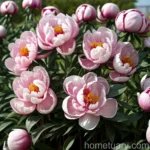
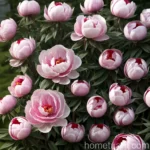
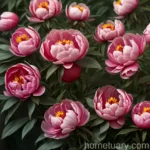
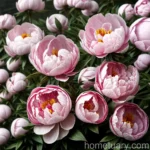
Paeonia lactiflora ‘Nippon Beauty’, commonly known as the Nippon Beauty Peony, is a herbaceous perennial plant that belongs to the Paeoniaceae family. This stunning plant is native to China and has been cherished for centuries for its large, showy, and fragrant blooms. The Nippon Beauty Peony is renowned for its captivating flowers, which range in color from deep red to dark pink, creating a striking visual impact in any garden setting.
Key Takeaways – Paeonia lactiflora ‘Nippon Beauty’
- Scientific Name: Paeonia lactiflora ‘Nippon Beauty’
- Common Name: Nippon Beauty Peony
- Family: Paeoniaceae
- Flower Color: Deep red to dark pink
- Plant Type: Herbaceous perennial
- Origin: China
- Fragrance: Fragrant blooms
- Growth Habit: Upright, bushy growth
Culture
The Nippon Beauty Peony is relatively easy to grow, making it a popular choice among gardeners. Understanding its cultural requirements is essential for ensuring its optimal growth and blooming potential.
Uses
The Paeonia lactiflora ‘Nippon Beauty’ offers a myriad of uses in various garden settings, such as:
– Garden Borders: Its striking blooms make it an excellent choice for border plantings, adding a touch of elegance to garden beds and pathways.
– Cut Flower: The Peony’s large, fragrant blooms are highly prized for floral arrangements and bouquets, making it a popular choice among florists and flower enthusiasts.
– Attracting Pollinators: The vibrant flowers of the Nippon Beauty Peony attract pollinators, such as bees and butterflies, enhancing the ecological diversity of your garden.
Water
Proper watering is crucial for the health and vitality of the Nippon Beauty Peony. Here are some key points to consider regarding watering:
– Well-Drained Soil: The Peony thrives in well-drained soil, and overwatering can lead to root rot. Ensure that the soil is moist but not waterlogged.
– Deep Watering: During hot and dry spells, provide deep watering to ensure that the root system receives adequate moisture.
Sunlight
Sunlight plays a pivotal role in the growth and blooming of the Nippon Beauty Peony. Here’s what you need to know about its sunlight requirements:
– Full Sun: Plant the Peony in a location that receives ample sunlight, preferably at least 6-8 hours of direct sunlight daily.
– Partial Shade: In regions with intense summer heat, providing the Peony with some protection from the afternoon sun can be beneficial.
Fertilizer
Proper fertilization is essential for promoting healthy growth and prolific flowering in the Nippon Beauty Peony. Consider the following tips for fertilizing this beautiful plant:
– Balanced Fertilizer: Use a balanced fertilizer with a formulation such as 10-10-10 or 5-10-5 in early spring as new growth emerges.
– Organic Matter: Incorporate organic matter, such as compost, into the soil to enhance its fertility and provide a steady source of nutrients to the Peony.
Soil
The soil composition and quality greatly influence the overall health and performance of the Nippon Beauty Peony. Understanding its soil requirements is crucial for successful cultivation.
- Well-Drained Soil: The Peony thrives in well-drained, loamy soil with a slightly acidic to neutral pH ranging from 6.0 to 7.0.
- Soil Amendments: Incorporating organic matter, such as compost, into the soil improves its structure, fertility, and water retention capacity, creating an ideal growing environment for the Peony.
Pruning
Proper pruning plays a pivotal role in maintaining the health, vigor, and aesthetic appeal of the Nippon Beauty Peony. Here are some essential tips for pruning this exquisite plant:
– Spring Pruning: In early spring, remove any dead or damaged stems and foliage to encourage the emergence of new growth.
– Deadheading: After the Peony has finished blooming, promptly deadhead the spent flowers to promote continuous blooming and prevent seed production.
Propagation
The propagation of the Nippon Beauty Peony offers an exciting opportunity to expand your plant collection and share its beauty with others. Here are some common methods of propagation for this charming plant:
– Division: Dividing mature Peony clumps in early fall allows you to create new plants and rejuvenate established specimens.
– Cuttings: Propagate the Peony from semi-ripe cuttings taken in late summer, using a rooting hormone to enhance their success rate.
Container Popularity
While the Nippon Beauty Peony is traditionally grown in garden beds, it also thrives in containers, offering versatility in garden design and space utilization. The growing popularity of cultivating Peonies in containers can be attributed to the following factors:
– Space Efficiency: Container-grown Peonies are well-suited for small gardens, balconies, and patios, allowing individuals with limited space to enjoy their alluring beauty.
– Aesthetic Appeal: The visual impact of blooming Peonies in containers adds charm and elegance to outdoor living spaces, enhancing their overall appeal.
Container Common Diseases
When growing the Nippon Beauty Peony in containers, it’s important to be mindful of common diseases that can affect the plant. Here are some prevalent container-specific diseases and their preventive measures:
– Root Rot: Ensure that the container has adequate drainage to prevent waterlogging and the development of root rot.
– Powdery Mildew: Maintain proper air circulation around the container-grown Peony to reduce the risk of powdery mildew, a common fungal disease.
Disease Diagnosis
To maintain the health and vitality of the Nippon Beauty Peony, it’s important to be able to identify and diagnose common diseases effectively. Here are some diagnostic signs of prevalent Peony diseases:
– Botrytis Blight: Look for grayish mold on the plant’s foliage and flowers, accompanied by wilting and browning of affected tissues.
– Fungal Leaf Spots: Monitor the foliage for the presence of circular or irregularly shaped spots with distinct margins, indicative of fungal leaf spot diseases.
Common Pests
While the Nippon Beauty Peony is relatively resistant to pests, it may occasionally encounter pest-related challenges. Some common pests that can affect this plant include:
– Spider Mites: These tiny pests can cause stippling and webbing on the foliage, potentially leading to the weakening of the plant.
– Nematodes: Soil-dwelling nematodes can damage the root system, affecting the overall health and vigor of the Peony.
Botanist’s Tips
As a seasoned plant scientist, I have some valuable insights and tips to share for the successful cultivation of the Nippon Beauty Peony. Consider the following expert recommendations:
– Mulching: Apply a layer of organic mulch, such as shredded bark or compost, around the base of the Peony to conserve soil moisture and suppress weed growth.
– Supporting Blooms: Use discreet support structures, such as peony rings or individual stakes, to support the weight of the Peony’s large flower heads and prevent them from drooping.
Fun Facts
To further deepen your appreciation for the Nippon Beauty Peony, here are some delightful and intriguing facts about this captivating plant:
– The Peony is the traditional floral symbol of China, where it has been cultivated for over 2,000 years.
– In ancient Greek mythology, the Peony was believed to be named after Paean, the physician of the gods, who used the plant’s roots to heal the wounds of the divine figure Pluto.
Links to External Resources
For further information on the Paeonia lactiflora ‘Nippon Beauty’ (Peony) and related topics, consider exploring the following external resources:
– The American Peony Society: A valuable source of information on Peonies, featuring cultivation tips, varieties, and events.
– Royal Horticultural Society (RHS) – Peonies: The RHS provides comprehensive guidance on growing Peonies, including care advice and recommended varieties.
In conclusion, the Nippon Beauty Peony, with its enchanting blooms and ease of cultivation, is a splendid addition to any garden or outdoor space. By understanding its cultural requirements, care tips, and propagation methods, you can experience the joy of cultivating and admiring this timeless plant. Whether you’re drawn to its vibrant flowers, fragrance, or historical significance, the Nippon Beauty Peony is sure to leave a lasting impression and become a cherished favorite in your garden.