Narcissus ‘Yellow River’ (Trumpet Daffodil)
Narcissus ‘Yellow River’, commonly known as the Trumpet Daffodil or Yellow River Daffodil, is a stunning perennial plant that belongs to the Amaryllidaceae.
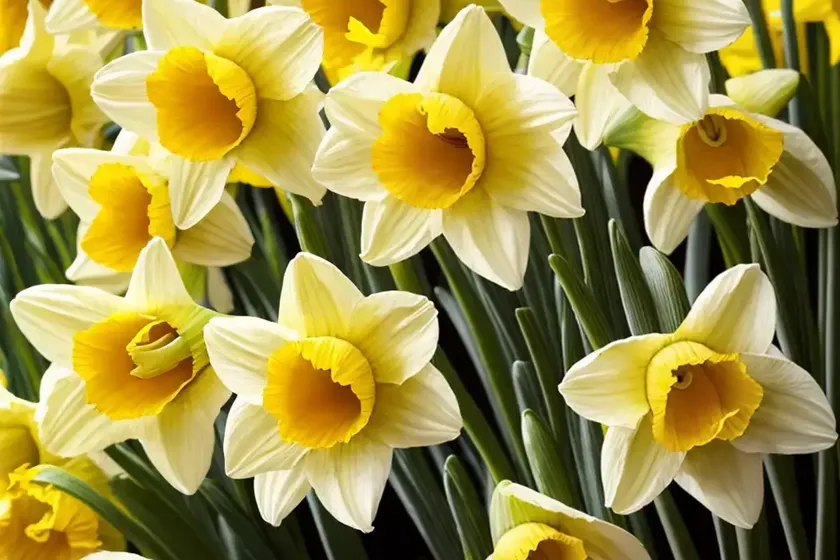
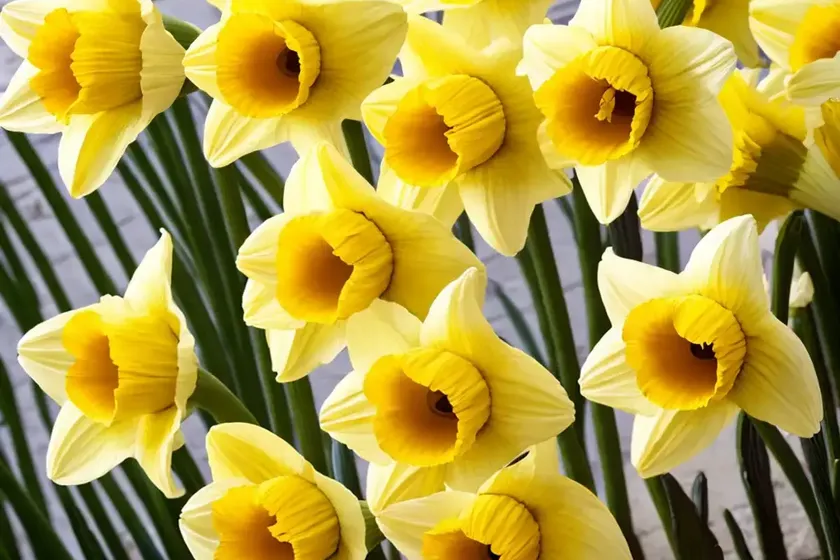
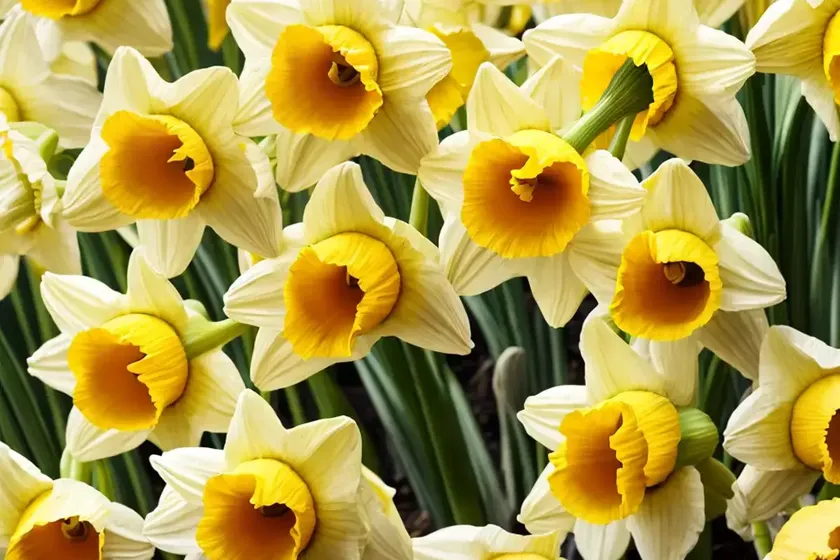
Narcissus ‘Yellow River’, commonly known as the Trumpet Daffodil or Yellow River Daffodil, is a stunning perennial plant that belongs to the Amaryllidaceae family. Renowned for its trumpet-shaped yellow flowers, this plant is a symbol of spring, rejuvenation, and new beginnings. In this comprehensive guide, we will delve into the culture, uses, care, and maintenance of Narcissus ‘Yellow River’, along with some fascinating facts and expert tips to help you cultivate and enjoy this beautiful plant to its fullest potential.
What is Narcissus ‘Yellow River’?
The Narcissus genus comprises numerous species, and Narcissus ‘Yellow River’ is a cultivated variety that showcases gorgeous yellow blooms. This trumpet daffodil is a hybrid plant, created through careful breeding and selection to exhibit specific traits such as color, shape, and resilience.
The unique features of Narcissus ‘Yellow River’ include:
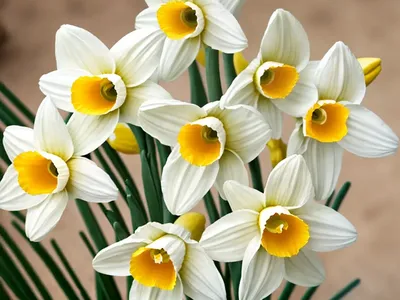
- Flower: The plant produces large, golden-yellow flowers with a distinct trumpet-shaped corona at the center, surrounded by six petals. The blooms exude a delightful fragrance, making them a favorite in gardens and floral arrangements.
- Foliage: The foliage consists of long, slender, dark green leaves that emerge from the base of the plant. These leaves provide an attractive backdrop to the vibrant flowers and contribute to the plant’s overall visual appeal.
Narcissus ‘Yellow River’ holds a special place in horticulture due to its enchanting blossoms and easy-to-care-for nature, making it a sought-after addition to gardens, landscapes, and indoor settings.
Key Takeaways – Narcissus ‘Yellow River’ (Trumpet Daffodil)
Before delving into the specifics of caring for Narcissus ‘Yellow River’, let’s highlight the essential aspects of this plant that you should keep in mind:
- Common Name: Trumpet Daffodil, Yellow River Daffodil
- Scientific Name: Narcissus ‘Yellow River’
- Family: Amaryllidaceae
- Type: Perennial Bulbous Plant
- Flower Color: Yellow
- Bloom Time: Early to Mid-Spring
- Height: 16-18 inches (40-45 cm)
- Spread: 4-6 inches (10-15 cm)
- Sunlight: Full Sun to Partial Shade
- Watering: Moderate
- Soil Type: Well-Drained, Fertile Soil
- USDA Hardiness Zones: 3-9
Now, let’s explore the detailed aspects of cultivating and caring for Narcissus ‘Yellow River’, including its cultural requirements, uses, and maintenance guidelines.
Culture
The culture of Narcissus ‘Yellow River’ encompasses various elements that contribute to its growth and overall well-being. Understanding its cultural needs is crucial for ensuring that the plant thrives and continues to produce stunning blossoms each spring.
Uses
Narcissus ‘Yellow River’ has several uses in horticulture, including:
- Garden Ornament: The plant serves as an excellent ornamental addition to gardens, borders, and landscapes, enhancing the visual appeal with its vibrant yellow blooms.
- Cut Flowers: The trumpet daffodil’s flowers are often cut and used in floral arrangements and bouquets, adding a touch of elegance and freshness to indoor spaces.
- Naturalizing: Due to its perennial nature and ability to multiply, Narcissus ‘Yellow River’ is suitable for naturalizing in woodland settings, meadows, and open spaces, creating expansive displays of golden blooms.
Water
Proper watering is essential for the health and vigor of Narcissus ‘Yellow River’. Here are some guidelines to follow regarding watering:
- Establishment Phase: During the initial planting and establishment phase, ensure that the bulbs receive regular moisture to encourage robust root development and early growth.
- Growing Season: Throughout the growing season, maintain moderate soil moisture, keeping the soil consistently damp but not waterlogged. Adequate hydration supports healthy foliage and flower production.
- Summer Dormancy: As the plant enters its summer dormancy period, reduce watering gradually, allowing the soil to dry out slightly between watering sessions. This mimics the natural environmental conditions that the bulbs would experience in their native habitats.
Sunlight
Proper sunlight exposure is crucial for the performance and flowering of Narcissus ‘Yellow River’. Consider the following sunlight considerations:
- Sun Requirements: The plant thrives in full sun to partial shade, preferring at least 6 hours of direct sunlight each day. In regions with hot summers, providing some afternoon shade can prevent excessive heat and sun damage to the foliage.
- Indoor Cultivation: When grown indoors, ensure that the plant receives bright, indirect light to promote healthy growth and flower development. Rotate indoor plants regularly to ensure even exposure to light on all sides.
Fertilizer
Appropriate fertilization supports the growth and vitality of Narcissus ‘Yellow River’. Here’s how to effectively fertilize the plant:
- Spring Feeding: Apply a balanced, slow-release fertilizer with a higher phosphorus content in early spring as the foliage emerges. This nourishes the bulbs and promotes robust flowering.
- Avoid Excess Nitrogen: Refrain from using fertilizers high in nitrogen, as this can stimulate excessive foliage growth at the expense of flower production. A balanced formulation, such as 5-10-10, is suitable for trumpet daffodils.
Soil
The right soil conditions are essential for the health and longevity of Narcissus ‘Yellow River’. Consider the following soil requirements:
- Well-Drained Soil: Plant the bulbs in well-drained, fertile soil to prevent waterlogging and root rot. Loamy or sandy soils with good drainage and organic matter content are ideal for trumpet daffodils.
- Soil pH: The preferred soil pH range for Narcissus ‘Yellow River’ is slightly acidic to neutral (pH 6.0-7.0). Conduct a soil test if necessary and amend the soil with organic matter or sulfur to achieve the ideal pH.
Pruning
Pruning practices for Narcissus ‘Yellow River’ primarily focus on post-flowering care and maintenance. Follow these guidelines for effective pruning:
- Deadheading: After the flowers fade, remove the spent blooms to prevent seed formation and encourage the plant to channel its energy into bulb development and rejuvenation for the following year.
- Foliage Management: Allow the foliage to remain intact until it turns yellow and wilts naturally. This period of photosynthesis is vital for replenishing the bulbs and supporting future growth. Refrain from cutting back the leaves prematurely.
Propagation
Narcissus ‘Yellow River’ can be propagated through various methods to expand your bulb stock or share the plant with fellow gardening enthusiasts. Here are some propagation techniques to consider:
- Division: Every few years, dig up and divide the existing clumps of Narcissus ‘Yellow River’ bulbs in the late spring or early summer. Replant the divided bulbs in suitable locations with a fresh growing environment.
Container Popularity
The container popularity of Narcissus ‘Yellow River’ stems from its adaptability to container gardening and its ability to brighten up porches, patios, and indoor spaces. Consider the following tips when growing the trumpet daffodil in containers:
- Well-Drained Containers: Use well-drained containers with drainage holes to ensure proper moisture management and prevent waterlogging.
- Growing Medium: Fill the containers with a high-quality potting mix that provides adequate aeration and nutrient retention. Incorporate perlite or coarse sand to improve drainage.
- Placement: Position the containers in locations that receive ample sunlight, such as south-facing or west-facing areas. If growing indoors, place the containers near windows or under grow lights.
Common Diseases
Narcissus ‘Yellow River’ is susceptible to certain diseases and disorders, which can impact its growth and flowering performance. Common diseases to watch out for include:
- Bulb Rot: Prolonged exposure to waterlogged soil or inadequate drainage can lead to bulb rot, causing the bulbs to decay and perish. Maintain proper soil drainage and avoid overwatering to prevent this issue.
- Fungal Infections: Fungal pathogens such as Fusarium and Botrytis can affect the bulbs and foliage, leading to wilting and discoloration. Treat fungal infections promptly with appropriate fungicides and avoid overhead watering to minimize moisture on the foliage.
Disease Diagnosis
Diagnosing diseases and issues with Narcissus ‘Yellow River’ involves careful observation and assessment of the plant’s symptoms. Here’s how to identify and address potential diseases:
- Symptom Recognition: Look for signs of wilting, yellowing foliage, mold growth, or soft, water-soaked spots on the bulbs, indicating potential disease presence.
- Consultation: If you notice any concerning symptoms, seek advice from local horticulturists or extension services for accurate diagnosis and tailored treatment recommendations.
Common Pests
Several pests can pose a threat to Narcissus ‘Yellow River’, potentially damaging the foliage and bulbs. Common pests to be aware of include:
- Bulb Mites: These microscopic pests can infest narcissus bulbs, causing stunted growth and discoloration. Inspect bulbs carefully before planting and discard any infested or damaged specimens.
- Narcissus Fly: The larvae of narcissus flies can feed on the bulbs, leading to root damage and weakened plants. Employ physical barriers or targeted insecticides to manage narcissus fly infestations.
Botanist’s Tips
For successful cultivation and enjoyment of Narcissus ‘Yellow River’, consider the following expert tips from botanists and seasoned gardeners:
- Site Selection: Choose well-drained, sunny locations with fertile soil for planting Narcissus ‘Yellow River’. Avoid waterlogged or compacted soils to prevent bulb damage.
- Naturalization: To create a naturalized appearance, plant the trumpet daffodil in clusters or drifts, allowing the bulbs to multiply and form expansive displays over time.
- Post-Flowering Care: After the blooms fade, refrain from removing the foliage until it turns yellow and begins to wither naturally. This post-flowering care is essential for bulb replenishment.
- Bulb Inspection: Prior to planting, inspect the bulbs for signs of damage, disease, or pest infestations. Healthy, firm bulbs are more likely to establish and thrive in the garden.
Fun Facts
Uncover some intriguing and delightful facts about Narcissus ‘Yellow River’ that showcase the plant’s allure and significance:
- Mythological Connection: The genus name “Narcissus” originates from Greek mythology, where a youth of the same name, known for his beauty, fell in love with his reflection and was transformed into the narcissus flower.
- Symbolism: Daffodils, including Narcissus ‘Yellow River’, symbolize rebirth, new beginnings, and hope, making them popular flowers for spring celebrations and events.
- Insect Repellent: The toxic compounds present in daffodils make them unappealing to most pests and critters, serving as natural insect repellents in the garden.
Links to External Resources
For further information on Narcissus ‘Yellow River’ and related topics, explore the following external resources:
- Missouri Botanical Garden: Narcissus ‘Yellow River’
- Royal Horticultural Society: Daffodils
- University of Florida IFAS Extension: Daffodils
Conclusion
Narcissus ‘Yellow River’, with its radiant yellow blooms and symbolic significance, captivates gardeners and flower enthusiasts with its timeless allure. By understanding its cultural requirements, recognizing common diseases and pests, and implementing proper care practices, you can cultivate and enjoy the beauty of this trumpet daffodil in your own garden or landscape. Whether planted in the ground or showcased in containers, Narcissus ‘Yellow River’ contributes to the seasonal splendor of spring and represents the natural wonder of plant life.
Embrace the vibrancy and elegance of Narcissus ‘Yellow River’ as you embark on a journey of discovery and appreciation for this beloved perennial plant.
Now that you’ve learned all about Narcissus ‘Yellow River’, why not consider adding this exquisite plant to your garden or indoor space? Its timeless beauty and easy care requirements make it an ideal choice for both beginner and experienced gardeners. If you have any questions about cultivating Narcissus ‘Yellow River’ or want to share your experiences with this delightful daffodil, feel free to reach out. Happy gardening!