

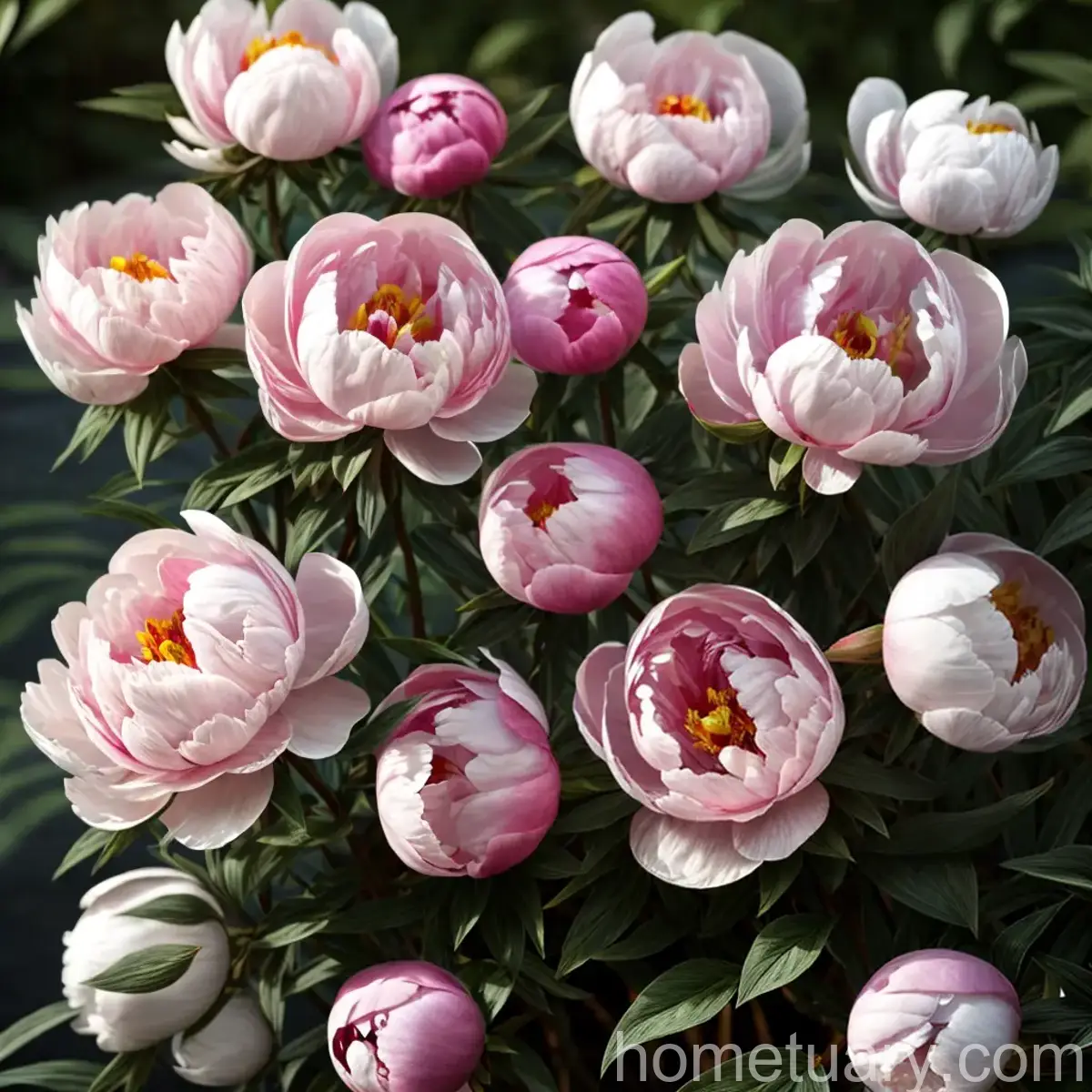
Paeonia lactiflora ‘Midnight Sun’ (Peony): The Queen of the Garden
Introduction to Paeonia lactiflora ‘Midnight Sun’
Paeonia lactiflora ‘Midnight Sun’ is a charming and captivating herbaceous perennial, known for its stunning crimson-red blooms and lush, dark green foliage. Belonging to the Paeoniaceae family, this exquisite peony variety is adored by gardeners and plant enthusiasts alike for its enchanting beauty and delightful fragrance.
In this comprehensive guide, we will delve into the world of Paeonia lactiflora ‘Midnight Sun,’ exploring its cultural significance, growing requirements, uses in landscaping, and its significance in the ecosystem. By understanding the intricacies of caring for this remarkable plant, you will be equipped to cultivate and appreciate its timeless allure in your own garden.
Key Takeaways – Paeonia lactiflora ‘Midnight Sun’
Paeonia lactiflora ‘Midnight Sun’ is a remarkable flower that boasts not only breathtaking aesthetics but also a rich cultural history and essential ecological value. Below are the key takeaways that we will explore in detail throughout this guide:
- Cultural Significance:
- Symbolism and historical background
- Medicinal uses and health benefits
- Growing Conditions:
- Water, sunlight, soil, and fertilizer requirements
- Hardiness zones and overwintering tips
- Care and Maintenance:
- Pruning, propagation, and pest control
- Disease prevention and resistance
- Landscaping and Design:
- Companion planting and garden focal points
- Container gardening and landscape ideas
- Ecological Importance:
- Wildlife attraction and natural predators
- Pollination process and water conservation
Now, let’s embark on a journey to uncover the enchanting world of Paeonia lactiflora ‘Midnight Sun’ and gain insights into the art of nurturing this regal plant.
What is Paeonia lactiflora ‘Midnight Sun’?
Paeonia lactiflora, commonly known as the Chinese peony or common garden peony, is a species of herbaceous perennial flowering plant in the family Paeoniaceae. Originating from China, Paeonia lactiflora has been cultivated for thousands of years and holds a cherished place in Chinese culture and traditional medicine.
The ‘Midnight Sun’ variety of Paeonia lactiflora is renowned for its mesmerizing deep red blooms, which emerge in late spring to early summer, adding a touch of opulence and allure to any garden or landscape. The rich, vibrant color of its flowers, coupled with its elegant form, makes ‘Midnight Sun’ a sought-after cultivar among horticulturists and gardening enthusiasts.
The botanical name, Paeonia lactiflora, alludes to its milky sap, while the epithet ‘Midnight Sun’ captures the essence of its dark and radiant blossoms. The plant typically reaches a height of 24-36 inches, with a spread of 24-36 inches, forming a lush and compact mound of foliage that serves as a verdant backdrop to its magnificent blooms.
As we navigate through the various facets of Paeonia lactiflora ‘Midnight Sun,’ we will unravel its cultural significance, explore its growing requirements, appreciate its ecological contributions, and glean insights into its role in the art of landscaping and horticulture.
Culture of Paeonia lactiflora ‘Midnight Sun’
Uses
Paeonia lactiflora ‘Midnight Sun’ offers a multitude of uses, ranging from its ornamental value in gardens and landscapes to its historical symbolism and traditional medicinal applications:
-
Ornamental Beauty: The captivating allure of ‘Midnight Sun’ makes it an ideal choice for floral arrangements, event decorations, and as a focal point in garden beds and borders.
-
Symbolism and Historical Significance: In various cultures, peonies symbolize wealth, prosperity, and good fortune. The peony holds a revered position in Chinese art, literature, and culture, often representing honor, riches, and feminine beauty. In the Western world, peonies are associated with romance, prosperity, and a happy marriage, making them popular choices for wedding bouquets and anniversary gifts.
-
Medicinal Uses: In traditional Chinese medicine, Paeonia lactiflora has been valued for its medicinal properties. The root of Paeonia lactiflora, known as “Shao Yao,” is utilized in herbal remedies for its anti-inflammatory, analgesic, and calming effects. The plant’s roots are also used in the treatment of various ailments, including pain, muscle cramps, and gynecological disorders.
Water
Paeonia lactiflora ‘Midnight Sun’ thrives in well-drained soil and benefits from consistent moisture, especially during the growing season and blooming period. Adequate water supply is crucial for ensuring the plant’s vigor and the development of robust flower buds. However, it is essential to avoid overwatering, as excessive moisture can lead to root rot and other fungal diseases.
- Watering Practices:
- Provide approximately 1 inch of water per week during the active growing phase, adjusting based on natural rainfall and soil moisture levels.
- Water deeply to encourage deep root development and resilience to drought conditions.
- Mulch around the base of the plant to retain soil moisture and regulate temperature fluctuations.
Sunlight
The ‘Midnight Sun’ Peony thrives in locations with ample sunlight, benefiting from full sun to partial shade. Adequate exposure to sunlight is essential for promoting vigorous growth, robust blooming, and the development of vibrant flower coloration. When selecting a planting site, it is crucial to consider the following sunlight requirements:
- Sunlight Requirements:
- Plant in a location that receives at least 6-8 hours of direct sunlight daily for optimal blooming performance.
- In regions with intense summer heat, partial shade during the hottest part of the day can help protect the plant from heat stress and sunburn.
Fertilizer
Fertilization plays a vital role in nourishing Paeonia lactiflora ‘Midnight Sun’ and supporting its overall health and blooming potential. By providing essential nutrients, particularly phosphorus and potassium, gardeners can encourage robust growth, lush foliage, and abundant flowering. When incorporating fertilizer into the plant care routine, it is essential to adopt practices that promote balanced and sustainable growth:
- Fertilization Guidelines:
- Apply a balanced, slow-release fertilizer with a formulation such as 10-10-10 or 5-10-10 in early spring before the plants emerge from the ground.
- Avoid excessive application of nitrogen, as it may lead to excessive vegetative growth at the expense of flowering.
- Refrain from fertilizing peonies during late summer or fall, as this can stimulate tender growth that is susceptible to frost damage.
Soil
The soil composition and quality profoundly influence the growth, blooming, and overall vitality of Paeonia lactiflora ‘Midnight Sun.’ Optimal soil conditions support healthy root development, water retention, and nutrient uptake, contributing to the plant’s resilience and longevity. When preparing the planting site or maintaining established peonies, these soil considerations are crucial for success:
- Soil Requirements:
- Plant in well-drained, fertile loamy soil with a slightly acidic to neutral pH (6.5-7.0) for best results.
- Conduct a soil test to assess nutrient levels and pH, amending the soil with organic matter, such as compost or well-rotted manure, to improve its texture and fertility.
- Avoid heavy, waterlogged soils, as they can lead to root suffocation and susceptibility to fungal diseases.
By prioritizing cultural practices that align with the plant’s specific requirements, gardeners can cultivate a thriving and visually captivating display of Paeonia lactiflora ‘Midnight Sun’ in their outdoor spaces.
Pruning and Propagation of Paeonia lactiflora ‘Midnight Sun’
Pruning
Pruning is an essential aspect of peony care that contributes to the plant’s health, aesthetics, and blooming performance. By adopting prudent pruning practices, gardeners can promote vigorous growth, prevent disease, and shape the plant to achieve an attractive form.
- Pruning Guidelines:
- Remove spent flowers promptly to prevent seed formation and encourage continued blooming.
- Trim any damaged, diseased, or dead foliage to maintain plant hygiene and reduce the risk of fungal infections.
- Cut back the foliage to ground level in late fall, after the first frost, to prevent overwintering pests and diseases.
Propagation
Propagating Paeonia lactiflora ‘Midnight Sun’ allows gardeners to expand their collection of these exquisite plants while preserving the desirable traits of the parent plant. Whether through division, seed propagation, or cutting techniques, successful propagation methods can yield new peony plants that honor the uniqueness and charm of ‘Midnight Sun.’
- Propagation Methods:
- Division: Divide mature peony clumps in early fall or late summer, ensuring that each division has several healthy eyes or buds and a robust root system.
- Seed Propagation: Harvest and plant peony seeds in a well-prepared seedbed, providing consistent moisture and protective mulch to aid in germination and seedling establishment.
- Cutting Techniques: Utilize stem cuttings or root cuttings to propagate peonies, choosing healthy and disease-free plant material for the best results.
By mastering the art of pruning and propagation, gardeners can nurture a flourishing and resilient population of Paeonia lactiflora ‘Midnight Sun’ in their gardens and share the beauty of this remarkable plant with others.
Paeonia lactiflora ‘Midnight Sun’ in Containers
Container Cultivation
The versatile nature of Paeonia lactiflora ‘Midnight Sun’ lends itself to container cultivation, allowing gardeners to showcase the plant’s stunning blooms in various outdoor and indoor settings. When selecting containers, potting mixes, and placement options, the following considerations are crucial for successful cultivation:
- Container Selection:
- Choose large, sturdy containers with ample drainage holes to accommodate the plant’s root system and ensure proper aeration and moisture control.
-
Opt for containers made of durable materials, such as terra cotta, fiberglass, or concrete, to provide stability and insulation against temperature fluctuations.
-
Potting Mix and Planting:
- Use a well-draining, nutrient-rich potting mix formulated for flowering perennials or roses to support healthy growth and blooming.
-
Position the root ball at the same level as it was in the original container, ensuring proper planting depth and stability.
-
Placement and Maintenance:
- Select a location with adequate sunlight and air circulation, ensuring that the container receives at least 6-8 hours of direct sunlight daily.
- Monitor soil moisture regularly, watering when the top inch of the soil feels dry, and fertilize as needed during the growing season to support the plant’s nutritional requirements.
Popularity in Container Gardening
Paeonia lactiflora ‘Midnight Sun’ is cherished by container gardening enthusiasts for its ornamental value, captivating blooms, and adaptable nature. When showcased in containers, the ‘Midnight Sun’ variety serves as a striking centerpiece, accentuating outdoor patios, decks, and entryways with its timeless elegance. The plant’s compact and manageable growth habit makes it an ideal candidate for container cultivation, delighting both novice and seasoned gardeners with its beauty and resilience.
Common Diseases and Pest Control for Paeonia lactiflora ‘Midnight Sun’
Disease Diagnosis
In the realm of plant pathology, Paeonia lactiflora ‘Midnight Sun’ may encounter various diseases that can impact its vigor, blooming, and overall health. Recognizing the symptoms, understanding the causal agents, and implementing timely interventions are essential for mitigating the impact of these diseases and preserving the plant’s vitality.
- Common Diseases:
- Botrytis Blight (Gray Mold): Characterized by grayish, fuzzy mold on flower buds and stems, particularly in wet and humid conditions. Prune affected plant parts and improve air circulation to reduce disease spread.
- Phytophthora Blight: Causes wilting, browning of stem tissue, and root rot, often exacerbated by waterlogged soil. Implement proper drainage and avoid overwatering to prevent Phytophthora infestations.
Common Pests
Paeonia lactiflora ‘Midnight Sun’ may encounter various pests that can compromise its foliage, blooms, and overall growth. Vigilance, early detection, and appropriate pest management practices are crucial for safeguarding the plant from pest-related damage.
- Common Pests:
- Spider Mites: These tiny arachnids can infest peonies, causing stippling, discoloration, and webbing on the undersides of leaves. Use insecticidal soap or horticultural oils to control spider mite populations and promote plant recovery.
- Peony Thrips: Thrips feed on peony buds, causing them to turn brown and fail to open properly. Apply insecticidal treatments and prune affected plant parts to manage thrips infestations.
By monitoring the health of Paeonia lactiflora ‘Midnight Sun’ and adopting proactive measures against diseases and pests, gardeners can foster a resilient and visually stunning display of these captivating peonies.
Botanist’s Tips for Growing Paeonia lactiflora ‘Midnight Sun’
Fun Facts
- Ancient Roots: Paeonia lactiflora has a storied history that dates back over 2,000 years, with mentions in ancient Chinese texts and medical manuscripts.
- Global Admiration: Peonies have captivated admirers around the world and are revered not only for their captivating blooms but also for their cultural significance.
- Blooming Extravaganza: ‘Midnight Sun’ Peonies exhibit a stunning floral display, with each plant capable of producing dozens of large, showy blooms, creating a breathtaking spectacle in the garden.
- Fragrant Elegance: In addition to their visual splendor, ‘Midnight Sun’ Peonies exude a delightful fragrance that adds an extra dimension of allure to their presence in the garden.
Links to External Resources
For further insights into the cultivation, care, and appreciation of Paeonia lactiflora ‘Midnight Sun,’ consider exploring the following resources:
- American Peony Society: https://www.americanpeonysociety.org/
- The Royal Horticultural Society (RHS): https://www.rhs.org.uk/
- University Cooperative Extension Services: https://search.extension.org/
In conclusion, Paeonia lactiflora ‘Midnight Sun’ stands as a regal emblem of beauty, resilience, and cultural significance in the realm of horticulture and plant appreciation. By embracing the plant’s captivating allure, understanding its growing requirements, and cultivating it with care and appreciation, gardeners can embark on a journey of enchantment and admiration for this timeless and exquisite herbaceous perennial.
Through its striking blooms, rich symbolism, and ecological contributions, Paeonia lactiflora ‘Midnight Sun’ continues to captivate hearts and enrich outdoor spaces, serving as a testament to the enduring allure and time-honored appeal of peonies in the world of gardening and beyond.




