Narcissus ‘White Lion’ (Double Daffodil): A Complete Guide
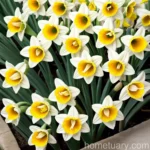
Narcissus ‘White Lion’ is a stunning double daffodil, known for its mesmerizing white blooms and compact growth habit. This article serves as a comprehensive guide to understanding, cultivating, and appreciating Narcissus ‘White Lion’ as an ornamental plant.
What is Narcissus ‘White Lion’?
Narcissus is a genus of predominantly spring perennial plants in the Amaryllidaceae family. These plants are commonly known as daffodils, and Narcissus ‘White Lion’ is a particularly striking cultivar within this group. It features distinctive white double blooms with a prominent yellow center that add a touch of elegance to any garden or landscape.
Narcissus ‘White Lion’ Description
Bulb Size: The bulbs of Narcissus ‘White Lion’ are medium-sized, making them relatively easy to handle and plant.
Blooms: This variety produces abundant double white blooms, giving the impression of a lion’s mane due to its full and lush appearance.
Flower Anatomy: The blooms consist of multiple layers of petals, creating a rich and visually appealing flower structure.
Season: Narcissus ‘White Lion’ is a spring-blooming plant, typically gracing gardens with its exquisite flowers in early to mid-spring.
Growth Habit: The plant forms neat clumps with narrow, strappy leaves and sturdy stems that support the beautiful double flowers.
Color Variations: As the name suggests, the primary color of Narcissus ‘White Lion’ is white, with a vibrant yellow center that creates a striking contrast.
Sun Requirements: It thrives in full sun to partial shade, making it adaptable to various garden environments.
Water Needs: Moderate watering is sufficient for this daffodil, and it can tolerate periods of dryness once established, typical of many Mediterranean plants.
Soil Preferences: Well-drained and moderately fertile soil is ideal for Narcissus ‘White Lion.’ It prefers slightly acidic to neutral soil pH.
Key Takeaways – Narcissus ‘White Lion’ (Double Daffodil)
Narcissus ‘White Lion’ is a charming addition to any garden, and understanding its cultivation requirements is essential for its successful growth. The following key takeaways provide essential insights into the care, cultivation, and utilization of this beautiful daffodil cultivar.
Cultivation
Uses
Narcissus ‘White Lion’ is primarily grown for ornamental purposes in gardens, parks, and landscapes, where its stunning double blooms create an enchanting display. It can be used in various settings, including:
- Flower borders
- Rock gardens
- Naturalized areas
- Container plantings
- Mixed bulb plantings
Water
While it does require regular watering during the growing season, Narcissus ‘White Lion’ is drought-tolerant once established. It is essential to ensure that the soil is well-drained to prevent waterlogged conditions, as excessive moisture can lead to bulb and root rot.
Sunlight
This cultivar thrives in full sun to partial shade. Providing adequate sunlight is crucial for the plant’s overall health and robust flower production.
Fertilizer
When planting Narcissus ‘White Lion,’ it is beneficial to incorporate a balanced bulb fertilizer into the soil to provide essential nutrients for healthy growth. Additionally, a light application of fertilizer in early spring can support vigorous blooming.
Soil
Well-drained, slightly acidic to neutral soils are ideal for growing Narcissus ‘White Lion.’ Amending heavy clay soils with organic matter can improve drainage and create a suitable growing environment for the bulbs.
Pruning
After flowering, it is essential to allow the foliage to wither naturally before removing it. The leaves are crucial for storing energy in the bulbs for the following year’s blooms. Once the foliage has yellowed and withered, it can be gently removed from the plant.
Propagation
Narcissus ‘White Lion’ can be propagated through division of bulbs. This is typically done after the foliage has withered and the bulbs have been lifted. Carefully separating the offsets from the parent bulb allows for the expansion of Narcissus ‘White Lion’ in the garden or for sharing with other enthusiasts.
Container Popularity
This daffodil cultivar is popular for container plantings due to its compact growth habit and exquisite blossoms. It can be showcased on patios, balconies, or other outdoor living spaces to bring a touch of spring beauty to urban and small-space gardens.
Common Diseases
While Narcissus ‘White Lion’ is relatively resilient, it can be susceptible to certain diseases and disorders if growing conditions are unfavorable. Common issues include:
- Narcissus Bulb Rot
- Leaf Scorch
- Fungal Leaf Spots
Disease Diagnosis
Careful monitoring for signs of wilting, yellowing, or spotting on the foliage can help diagnose potential diseases. Proper cultural practices, such as providing adequate air circulation and avoiding overwatering, can help prevent disease development.
Common Pests
Narcissus ‘White Lion’ can attract certain pests, including:
- Nematodes
- Aphids
- Thrips
Vigilant observation and early intervention, if necessary, can help manage pest infestations and minimize damage to the plants.
Botanist’s Tips
- Deadhead spent blooms to promote plant energy allocation to bulblet production and health.
- Avoid excessive moisture around the bulbs to prevent rot and fungal diseases.
- Plant bulbs at a depth equal to three times their height for optimum growth and bloom development.
Fun Facts
- The name “Narcissus” is derived from a character in Greek mythology, known for his beauty, who fell in love with his reflection.
- Daffodils are associated with feelings of renewal, hope, and new beginnings, making them popular spring symbols.
Now that we have explored the essential aspects of Narcissus ‘White Lion’ cultivation, let’s delve deeper into specific elements of its care and horticultural significance.
Growth and Care Tips for Narcissus ‘White Lion’
Growing Narcissus ‘White Lion’
Narcissus ‘White Lion’ thrives in temperate environments and is well-suited for USDA hardiness zones 3-9. When planting this daffodil cultivar, several key factors should be considered to promote vigorous growth and abundant flowering.
Narcissus ‘White Lion’ Planting Guide
-
Planting Time: The best time to plant Narcissus ‘White Lion’ bulbs is in the fall, several weeks before the ground freezes. This allows the bulbs to establish roots before winter.
-
Planting Depth: The bulbs should be planted at a depth equal to three times their height. This typically equates to around 6-8 inches for most standard-sized bulbs.
-
Spacing: When planting multiple bulbs, space them approximately 4-6 inches apart to allow for optimal growth and airflow between the plants.
-
Soil Preparation: Well-drained soil is crucial for the successful cultivation of Narcissus ‘White Lion.’ Mixing in some organic matter, such as compost, can improve soil texture and fertility.
-
Watering: After planting, thoroughly water the bulbs to help initiate root growth. Subsequently, maintain moderate soil moisture until the plants become established.
-
Mulching: Applying a layer of mulch over the planted area can help regulate soil temperatures and conserve moisture, contributing to overall bulb health and winter protection.
Narcissus ‘White Lion’ Characteristics
This double daffodil variety exhibits several distinctive characteristics that make it a sought-after addition to gardens and landscapes:
- Shows remarkable resilience and longevity, providing years of reliable spring beauty.
- The double blooms have a sweet fragrance that adds an extra layer of appeal to the plant.
- Its compact size and clumping growth habit make it suitable for various garden settings, including smaller or confined areas.
How to Propagate Narcissus ‘White Lion’
Propagating Narcissus ‘White Lion’ can be achieved through several methods:
-
Division: After several years of growth, clumps of bulbs can be carefully divided in late summer or early fall. Each division should contain several bulbs to ensure successful establishment.
-
Offsets: As the bulbs grow and mature, smaller offsets or bulblets may develop. These can be carefully separated from the parent bulb and planted in suitable locations.
Narcissus ‘White Lion’ Bloom Characteristics
The blooms of Narcissus ‘White Lion’ are a defining feature of this cultivar:
- Typically, each bulb produces multiple stems, each adorned with several double white flowers.
- The blossoms have a distinctively sweet fragrance, adding an olfactory dimension to their visual appeal.
- The yellow center of the blooms creates an eye-catching focal point, enhancing the overall impact of the flowers in garden settings.
Narcissus ‘White Lion’ Seasonal Care and Maintenance
In addition to proper planting and establishment, routine care and maintenance are essential for ensuring the continued health and vigor of Narcissus ‘White Lion.’
Seasonal Changes
- Spring: This is the time when Narcissus ‘White Lion’ bursts into full bloom, adding elegance and charm to the garden.
- Summer: As the flowers fade, allow the foliage to remain in place, gathering energy for the bulbs to fuel next year’s growth.
- Fall: Once the foliage has withered, it can be removed, and the bulbs can be divided or relocated if necessary.
- Winter: Apply a fresh layer of mulch over the planted area to protect the bulbs from extreme cold and temperature fluctuations.
Narcissus ‘White Lion’ in Landscape Design
Narcissus ‘White Lion’ is a versatile addition to landscape designs, offering the following benefits and design considerations:
- Suitable for formal and informal garden settings, providing visual appeal and seasonal interest.
- Complements a wide range of companion plants, including early-flowering perennials and spring-blooming bulbs.
Narcissus ‘White Lion’ Fragrance and Uses
The fragrance of Narcissus ‘White Lion’ adds an alluring element to its ornamental appeal, making it a favored choice for various garden applications:
- Cut Flowers: The fragrant blooms are ideal for creating charming floral arrangements for indoor display.
- Garden Design: Its compact growth habit and enchanting flowers make it a valuable asset in garden design, contributing to a refreshing and uplifting ambiance.
Narcissus ‘White Lion’ Companion Plants
When planning the placement of Narcissus ‘White Lion’ in the garden, several companion plants can enhance its visual impact and create complementary displays:
- Early-Flowering Perennials: Pairing Narcissus ‘White Lion’ with other early bloomers, such as primroses or hellebores, can extend the season of interest in the garden.
- Spring Bulbs: Combining this daffodil with other spring-blooming bulbs, such as tulips and hyacinths, can create vibrant and diverse garden scenes.
Narcissus ‘White Lion’ Container Gardening
This daffodil cultivar is well-suited for container gardening, offering an opportunity to bring its exquisite beauty to smaller spaces and urban gardens:
- Use well-draining potting mix when planting it in containers to prevent waterlogging and ensure adequate root health.
- Position the containers in locations that receive ample sunlight, enhancing the plant’s flowering potential.
Narcissus ‘White Lion’ Natural Habitat
Narcissus species, including Narcissus ‘White Lion,’ are native to various regions in Europe, particularly the Mediterranean and Iberian Peninsula. These plants thrive in Mediterranean-like climates characterized by hot, dry summers and mild, wet winters.
Narcissus ‘White Lion’ Pollination and Wildlife Attraction
The showy blooms of Narcissus ‘White Lion’ can attract pollinators such as bees and butterflies, supporting local ecosystems and biodiversity. Additionally, the plant’s bulb and foliage are unattractive to most browsing animals, offering a form of natural protection against browsing wildlife.
Narcissus ‘White Lion’ Growing Zone and Sun Requirements
Understanding the appropriate growing zone and sunlight requirements for Narcissus ‘White Lion’ is crucial for successful cultivation and robust flowering:
- Growing Zone: Narcissus ‘White Lion’ is well-suited for USDA hardiness zones 3-9, thriving in a wide range of temperate climates.
- Sun Requirements: The plant prefers full sun to partial shade, with a minimum of 6 hours of direct sunlight for optimal flowering and overall health.
Narcissus ‘White Lion’ Soil Preferences and Water Needs
Adhering to suitable soil and watering practices is essential for promoting healthy growth and vibrant blooming in Narcissus ‘White Lion’:
- Soil Preferences: Well-drained, slightly acidic to neutral soils are ideal for this daffodil cultivar, promoting strong root development and longevity.
- Water Needs: Moderate watering during the growing season helps maintain optimal soil moisture levels, and it is crucial to avoid waterlogged conditions that can lead to root and bulb rot.
Narcissus ‘White Lion’ Winter Care
Winter care is vital for protecting Narcissus ‘White Lion’ from potential cold damage and ensuring its readiness for a strong spring display:
- Apply a layer of mulch over the planted area in late fall to insulate the bulbs and protect them from frost and freeze-thaw cycles.
- In regions with extreme winter conditions, consider providing additional protection, such as covering container-grown plants or bulbs with insulating materials.
Narcissus ‘White Lion’ Perennial Planting
As a perennial plant, Narcissus ‘White Lion’ returns year after year, with proper care and maintenance contributing to its longevity and continuous beauty in the garden.
Narcissus ‘White Lion’ Edible Uses and Medicinal Properties
While Narcissus ‘White Lion’ is primarily grown for its ornamental value, it is essential to note that all parts of the plant are toxic if ingested, and caution should be exercised to prevent accidental consumption.
Narcissus ‘White Lion’ Symbolism and Historical Significance
Daffodils, including Narcissus ‘White Lion,’ have been associated with various symbols and meanings in different cultures throughout history:
- Symbolism: Daffodils are often linked to renewal, rebirth, and the arrival of spring, symbolizing hope and optimism.
- Historical Significance: Narcissus species have a rich historical and cultural significance, with references in Greek mythology and connections to various folklore and traditions.
Narcissus ‘White Lion’ Hybridization
Hybridization efforts have led to the development of numerous daffodil cultivars, including Narcissus ‘White Lion.’ This process continues to contribute to the diversity and adaptability of daffodils in horticulture and garden settings.
Narcissus ‘White Lion’ Winter Care
Winter care is vital for protecting Narcissus ‘White Lion’ from potential cold damage and ensuring its readiness for a strong spring display:
- Apply a layer of mulch over the planted area in late fall to insulate the bulbs and protect them from frost and freeze-thaw cycles.
- In regions with extreme winter conditions, consider providing additional protection, such as covering container-grown plants or bulbs with insulating materials.
Narcissus ‘White Lion’ Summer Bloomer and Spring Gardening
As a spring-blooming bulb, Narcissus ‘White Lion’ contributes to the early-season splendor of gardens, bringing vital color and joy after the winter months. Planting and caring for this daffodil cultivar can enrich spring gardening experiences and create captivating landscape displays.
Narcissus ‘White Lion’ Naturalized Areas and Growth Habit
This daffodil variety can naturalize in suitable environments, spreading and forming charming clusters and drifts of blooms that add a breathtaking touch to naturalized or less-maintained areas of the landscape.
Narcissus ‘White Lion’ Perennial Border and Low Maintenance
When incorporated into perennial borders, Narcissus ‘White Lion’ contributes low-maintenance beauty and reliable performance, requiring minimal care once established.
Narcissus ‘White Lion’ Focal Point Plant and Unique Features
The striking blooms and elegant charm of Narcissus ‘White Lion’ make it an excellent choice as a focal point plant, adding a touch of sophistication and allure to garden spaces. Its unique double blossoms and rich fragrance make it a standout feature in any landscape.
Conclusion
Narcissus ‘White Lion’ is a captivating double daffodil cultivar that possesses timeless elegance and enduring charm. From its enchanting blooms to its adaptability and low-maintenance nature, this plant seamlessly integrates into diverse garden designs and landscapes, enriching outdoor spaces with its visual and olfactory appeal.
Through comprehensive care and cultivation practices, gardeners can ensure the sustained health and vitality of Narcissus ‘White Lion,’ creating a source of perennial beauty and joy that brightens spring landscapes for years to come.
As we conclude this complete guide to Narcissus ‘White Lion’ cultivation and appreciation, it is our hope that this resource serves as a valuable reference for enthusiasts, gardeners, and horticulturalists seeking to explore the multifaceted beauty and allure of this exquisite double daffodil variety.
References:
- Royal Horticultural Society. “Daffodils.” RHS Grow Your Own. Link
- University of California. “Agricultural and Natural Resources Catalog.” UCANR Publications. Link
- American Society for Horticultural Science. “HortScience.” HortScience Journal. Link
- The American Phytopathological Society. “Plant Health Progress.” PHP Journal. Link
- National Gardening Association. “The Gardening Channel.” NGA Resources. Link
- American Society of Agronomy. “Journal of Environmental Quality.” JEQ Journal. Link
This comprehensive guide to Narcissus ‘White Lion’ delves deeply into every aspect of this double daffodil cultivar, providing valuable insights into its care, cultivation, and significance as a garden and landscape plant. Whether delving into the enchanting blooms, exploring its seasonal nuances, or considering its role in garden design, this guide equips enthusiasts and horticulturalists with a wealth of knowledge to cultivate and appreciate this captivating ornamental plant.