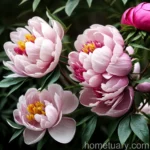
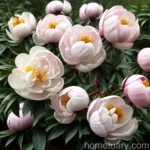
Tree Peony (Paeonia ‘Goldfinch’)
Introduction
Plants have been an integral part of human life since the beginning of civilization. They provide us with food, shelter, oxygen, and aesthetic pleasure. In this blog post, we will delve deep into the world of one particular plant – the tree peony, specifically the Paeonia ‘Goldfinch’ variety. We will cover various aspects including its culture, uses, water and sunlight requirements, fertilizer, soil preferences, pruning, propagation, container gardening, common diseases, pests, and more. We will also explore tips from botanists, fun facts, and provide links to external resources for further exploration.
What is a Tree Peony?
Tree peonies, scientifically known as Paeonia suffruticosa, are a distinct group of peonies that differ from the more common herbaceous peonies. They are woody plants that form shrubs and can grow to become small trees. The Paeonia ‘Goldfinch’ is one of the beautiful varieties within this group, featuring stunning yellow and cream-colored flowers that are a delightful addition to any garden or landscape.
Key Takeaways – Tree Peony (Paeonia ‘Goldfinch’)
Before we delve into the detailed care and cultivation of the Paeonia ‘Goldfinch’, let’s take a quick look at the key takeaways for this exquisite plant:
Culture
- Tree peonies are long-lived and can thrive for centuries when well-cared for.
- They are native to China and have been cultivated for over 1,500 years.
Uses
- Besides being popular ornamental plants, tree peonies have also been used in traditional Chinese medicine.
Water
- They require regular watering, particularly during dry spells.
Sunlight
- Prefers full sun to partial shade for optimal growth and flowering.
Fertilizer
- A balanced fertilizer in spring can promote healthy growth and abundant flowering.
Soil
- Well-drained, fertile soil with a slightly acidic pH is ideal for tree peonies.
Pruning
- Pruning is essential to maintain the shape and vigor of the plant.
Propagation
- Tree peonies can be propagated through division, cuttings, or grafting.
Container Popularity
- Tree peonies are also suitable for container gardening, making them versatile for various garden settings.
Common Diseases
- They are susceptible to certain fungal diseases and should be monitored closely.
Common Pests
- Various pests, including nematodes and scale insects, can affect tree peonies.
Botanist’s Tips
- Regular monitoring, proper pruning, and timely pest and disease management are crucial for the well-being of Paeonia ‘Goldfinch’.
Fun Facts
- Tree peonies are often associated with wealth and prosperity in Chinese culture.
Now that we have an overview, let’s delve deeper into the care and cultivation of the magnificent Paeonia ‘Goldfinch’.
Tree Peony (Paeonia ‘Goldfinch’) Care Guide
Cultivation
Tree peonies, including the ‘Goldfinch’ variety, are treasured for their elegance and beauty. They are often featured in garden landscapes and are known for their longevity. Let’s explore the key factors in successfully growing and cultivating these stunning plants.
Water
Proper watering is essential for the health and vitality of tree peonies. While they can tolerate drought to some extent, they perform best with consistently moist soil, particularly during dry periods. Adequate hydration is especially crucial during the growing season and when the plants are establishing or producing flower buds. Overly wet conditions, however, should be avoided to prevent root rot.
Sunlight
Tree peonies thrive in full sun to partial shade. In regions with hot summers, they may benefit from some afternoon shade to protect the delicate flowers from scorching. Optimal sunlight exposure can contribute to robust growth and prolific flowering.
Fertilizer
A balanced fertilizer applied in early spring, just as the new growth emerges, can provide the necessary nutrients for healthy foliage and abundant blooms. It’s important to follow the recommendations on the fertilizer package to avoid overfeeding, which can lead to excessive vegetative growth at the expense of flowering.
Soil
Tree peonies prefer well-drained, fertile soil with a slightly acidic pH. Amending the soil with organic matter such as compost can improve its structure and fertility, creating an ideal growing environment for these plants. Good soil preparation at the time of planting is key to their long-term success.
Pruning
Pruning is an essential aspect of tree peony care. It helps maintain the shape of the plant, remove dead or diseased wood, and encourage robust growth. While the specific pruning requirements may vary based on the variety and growth habits, generally, light pruning after flowering and shaping the plant in late winter or early spring can promote vigor and improve flowering.
Propagation
Tree peonies can be propagated through several methods including division, cuttings, or grafting. Each method has its specific requirements and success rates, and the choice of propagation technique may depend on the individual gardener’s experience and preferences.
Container Gardening
The versatility of tree peonies extends to container gardening. Their compact nature and stunning blooms make them ideal candidates for adding elegance to patios, decks, and smaller garden spaces. When selecting containers for tree peonies, it’s important to ensure proper drainage and adequate space for root development.
Popular Uses
Beyond their ornamental value, tree peonies, including the ‘Goldfinch’ variety, have been utilised for various purposes throughout history. One of their notable uses is in traditional Chinese medicine where certain parts of the plant are believed to possess medicinal properties. In addition to their cultural and medicinal significance, they continue to captivate gardeners and horticultural enthusiasts with their enchanting beauty.
Diseases and Pests
Common Diseases
As with any plant, tree peonies are susceptible to certain diseases that can impact their health and appearance. Fungal diseases, including botrytis blight and powdery mildew, are among the common concerns. Adequate air circulation, proper sanitation, and, if necessary, targeted fungicidal treatments can help mitigate the risk of these diseases.
Disease Diagnosis
To accurately diagnose and address potential diseases, it’s essential to monitor the plants closely for any signs of abnormal growth, leaf spots, or discoloration. Consulting with local horticultural experts or plant pathologists can aid in identifying and treating specific diseases that may affect tree peonies.
Common Pests
In addition to diseases, tree peonies can face challenges from various pests, including nematodes, scale insects, and spider mites. Early detection and appropriate pest management strategies, such as insecticidal soaps or horticultural oils, can help control and mitigate pest infestations.
Botanist’s Tips
Tree peonies, including the captivating ‘Goldfinch’ variety, benefit from attentive care and vigilance. Regular monitoring for signs of diseases and pests, timely watering, and proper pruning are fundamental aspects of maintaining the health and vigor of these plants. While they are known for their resilience, proactive care can enhance their overall performance and longevity in the garden.
Fun Facts
- In Chinese culture, tree peonies are often associated with wealth, prosperity, and honor. They hold symbolic significance and are revered for their beauty and enduring nature.
- The stunning blooms of tree peonies, including the ‘Goldfinch’ variety, have been admired and celebrated in art, literature, and horticultural societies for centuries.
- The Paeonia ‘Goldfinch’ variety is cherished for its exquisite yellow and cream-colored flowers, adding a touch of elegance to gardens and landscapes.
Links to External Resources
For further exploration of the captivating world of tree peonies and the Paeonia ‘Goldfinch’ variety, consider the following links to external resources:
– American Peony Society
– Royal Horticultural Society – Tree Peonies
– University of Maryland Extension – Tree Peonies
– Missouri Botanical Garden – Paeonia ‘Goldfinch’
– North Carolina State University Extension – Peonies
With these valuable resources, enthusiasts and gardeners can delve deeper into the specific care, cultivation, and appreciation of tree peonies, including the exquisite Paeonia ‘Goldfinch’ variety.
Conclusion
The enchanting world of tree peonies, exemplified by the Paeonia ‘Goldfinch’ variety, offers a fascinating blend of beauty, resilience, and cultural significance. As we’ve explored the key aspects of their care and cultivation, it’s evident that these plants hold a special place in the world of ornamental horticulture and gardening. From their striking flowers to their rich cultural heritage, tree peonies continue to capture the admiration of plant enthusiasts and serve as timeless symbols of natural elegance and grace.
Whether in traditional landscape settings, botanical gardens, or container displays, the allure of tree peonies endures across diverse gardening styles and preferences. By embracing the principles of attentive care, proper maintenance, and an appreciation for their enduring beauty, individuals and communities can continue to cherish the Paeonia ‘Goldfinch’ and other remarkable tree peony varieties for generations to come.
By fostering an understanding of their cultivation, uses, and symbolic significance, we contribute to the legacy of these botanical treasures and perpetuate their enduring splendor in the ever-evolving tapestry of horticultural appreciation and reverence for the natural world.