Plant Spotlight: Paeonia lactiflora ‘Gay Paree’ (Peony)
Paeonia lactiflora ‘Gay Paree’ or commonly known as Peony is an exquisite and charming perennial flowering plant that has captured the hearts of gardeners and plant enthusiasts. Its enchanting pink blooms and lush foliage make it a sought-after addition to gardens, landscapes, and floral arrangements. In this comprehensive guide, we will delve into the intriguing world of Paeonia lactiflora ‘Gay Paree’, exploring its culture, uses, cultivation requirements, and much more.
Key Takeaways – Paeonia lactiflora ‘Gay Paree’ (Peony)
Before diving into the specific details of Paeonia lactiflora ‘Gay Paree’, let’s briefly highlight some key takeaways of this captivating peony cultivar:
- Paeonia lactiflora ‘Gay Paree’ is a stunning and popular peony cultivar renowned for its elegant pink flowers and lush foliage.
- This variety of peony is highly valued for its decorative and ornamental purposes, often used in cut flower arrangements and landscape design.
- Cultivating Paeonia lactiflora ‘Gay Paree’ requires attention to its water, sunlight, soil, and fertilization needs, along with proper pruning and disease prevention measures for optimal growth and bloom.
- The plant’s versatility allows for both in-ground and container cultivation, making it a flexible choice for various gardening preferences.
Now, let’s embark on a captivating journey into the world of Paeonia lactiflora ‘Gay Paree’, uncovering the secrets of its cultivation, care, and remarkable attributes.
What is Paeonia lactiflora ‘Gay Paree’ (Peony)?
Paeonia lactiflora ‘Gay Paree’ is a delightful herbaceous perennial plant that belongs to the Paeoniaceae family. Renowned for its captivating blooms and elegant foliage, this peony cultivar is a cherished addition to gardens, borders, and floral displays. The species name “lactiflora” is derived from Latin, with “lacti” meaning milk and “flora” referring to flowers, alluding to the milky appearance of its blooms.
Taxonomy and Classification
- Family: Paeoniaceae
- Genus: Paeonia
- Species: Paeonia lactiflora
- Cultivar: ‘Gay Paree’
Characteristics:
– Height: 24-36 inches (60-90 cm)
– Spread: 24-36 inches (60-90 cm)
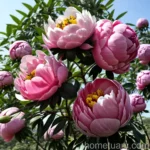
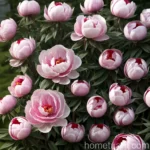
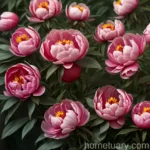
– Flower Color: Shades of pink with contrasting creamy-white centers
– Foliage: Dark green, deeply lobed leaves
Now that we have acquainted ourselves with the basic overview of Paeonia lactiflora ‘Gay Paree’, let’s unravel the detailed aspects of its culture, cultivation, and use in a variety of settings.
Culture
Understanding the cultural requirements of Paeonia lactiflora ‘Gay Paree’ is essential for successfully nurturing this enchanting peony variety. From soil composition to sunlight exposure, each aspect plays a pivotal role in shaping the plant’s growth and flowering potential.
Uses
Paeonia lactiflora ‘Gay Paree’ serves a myriad of purposes, ranging from its ornamental value to its contribution to floral arrangements and landscape design. The versatility of this peony cultivar allows it to thrive in diverse settings, catering to different applications:
-
Ornamental Value: As a flowering perennial, Paeonia lactiflora ‘Gay Paree’ adds aesthetic allure to gardens, borders, and floral displays, creating a captivating focal point with its delicate pink blooms.
-
Cut Flowers: Due to its striking blooms and pleasant fragrance, ‘Gay Paree’ peonies are popularly utilized in cut flower arrangements and floral bouquets, adding a touch of elegance to indoor spaces.
-
Landscape Design: Incorporating ‘Gay Paree’ peonies into landscape designs elevates the visual appeal of outdoor spaces, contributing to the creation of vibrant and charming garden settings.
-
Pollinator Attraction: The nectar-rich flowers of Paeonia lactiflora ‘Gay Paree’ attract pollinators such as bees and butterflies, fostering a healthy and dynamic ecosystem within the garden.
Water
Proper watering is vital for the health and vitality of Paeonia lactiflora ‘Gay Paree’. While peonies are reasonably drought-tolerant once established, they benefit from consistent moisture, especially during the growing season and blooming period. Here are some essential considerations for watering ‘Gay Paree’ peonies:
-
Established Plants: Established ‘Gay Paree’ peonies require approximately 1 inch of water per week, either from rainfall or irrigation. Deep, infrequent watering is preferable to frequent shallow watering, as it encourages the development of a robust root system.
-
Mulching: Applying a layer of organic mulch around the base of the peony plants helps retain soil moisture, regulates soil temperature, and inhibits weed growth, ultimately contributing to the plant’s overall hydration and well-being.
-
Soil Drainage: Ensuring proper soil drainage is crucial, as waterlogged conditions can lead to root rot and other detrimental issues. Well-draining soil promotes healthy root development and prevents water-related stress on the plants.
Sunlight
Paeonia lactiflora ‘Gay Paree’ exhibits a preference for ample sunlight, although it can tolerate partial shade under certain conditions. Adequate sunlight is pivotal for the plant’s overall growth, flowering, and thriving. Consider the following insights regarding sunlight requirements for ‘Gay Paree’ peonies:
-
Full Sun: Ideally, ‘Gay Paree’ peonies flourish in full sun locations, receiving at least 6-8 hours of direct sunlight daily. Ample sun exposure promotes robust flowering and minimizes the risk of leggy growth.
-
Partial Shade: In regions with intense summer heat, providing some afternoon shade can benefit the plants, preventing excessive wilting and sunscald. However, it’s essential to strike a balance, ensuring that the plants still receive sufficient sunlight for optimal performance.
-
Morning Sun: Morning sunlight is particularly beneficial for peonies, as it aids in drying dew and minimizing the risk of fungal diseases, contributing to the overall health of the plants.
Fertilizer
Fertilization plays a significant role in supporting the growth, vigor, and blooming potential of Paeonia lactiflora ‘Gay Paree’. By providing essential nutrients, fertilizers contribute to the overall health and resilience of the plants. Consider the following guidelines for fertilizing ‘Gay Paree’ peonies:
-
Timing: Apply a balanced, slow-release fertilizer in early spring, just as new growth emerges. Avoid fertilizing in late summer or fall, as this can stimulate late-season growth that may be susceptible to frost damage.
-
Nutrient Ratios: Utilize a fertilizer with balanced NPK (nitrogen, phosphorus, potassium) ratios, such as 10-10-10 or 5-10-5, to provide adequate nutrition without overstimulating excessive foliage growth at the expense of flowering.
-
Application Method: Gently incorporate the fertilizer into the soil around the drip line of the plants, avoiding direct contact with the stems. Water the plants thoroughly after fertilization to facilitate nutrient absorption.
-
Organic Options: Organic fertilizers, such as compost, well-rotted manure, or fish emulsion, can be beneficial for ‘Gay Paree’ peonies, enriching the soil with organic matter and promoting long-term soil health.
Soil
The soil composition profoundly influences the growth, development, and overall health of Paeonia lactiflora ‘Gay Paree’. By providing a suitable growing medium, gardeners can create an optimal environment for the plants to thrive. Consider the following factors related to soil requirements for ‘Gay Paree’ peonies:
-
Well-Drained Soil: ‘Gay Paree’ peonies thrive in well-drained, loamy soil that offers a balance of moisture retention and adequate drainage. Avoid heavy clay soils that can become waterlogged, posing a risk to root health.
-
pH Level: Peonies prefer slightly acidic to neutral soil with a pH range between 6.5 and 7.5. Conduct a soil test to determine the pH of the planting area and amend the soil as needed to achieve the optimal range for peony cultivation.
-
Soil Enrichment: Incorporating organic matter, such as compost, into the soil enhances its structure, fertility, and water retention capabilities, creating a conducive environment for ‘Gay Paree’ peonies to flourish.
-
Soil Preparation: Prior to planting, prepare the soil by loosening it to a depth of 12-18 inches (30-45 cm) and removing any debris or compacted material. This preparation facilitates root penetration and establishment.
Pruning
Pruning is an essential aspect of maintaining the health, vigor, and flowering proficiency of Paeonia lactiflora ‘Gay Paree’. Proper pruning practices help remove spent blooms, shape the plants, and prevent disease, ensuring their long-term vitality. Here are guidelines for pruning ‘Gay Paree’ peonies:
-
Deadheading: Remove spent blossoms promptly to encourage continuous blooming and prevent the formation of seedpods, redirecting the plant’s energy towards vegetative growth and floral production.
-
Fall Cleanup: As the growing season concludes, prune back the foliage to ground level in the fall, once it has naturally withered and yellowed. This helps eliminate potential sources of disease and prepares the plants for winter dormancy.
-
Stem Pruning: In the spring, inspect the plants for damaged, weak, or non-productive stems and prune them back to healthy growth points. This promotes air circulation and reduces the risk of disease.
-
Sanitation: Practicing good hygiene by removing and disposing of any diseased or decaying plant material contributes to overall plant health and minimizes the spread of pathogens.
Propagation
Expanding and multiplying Paeonia lactiflora ‘Gay Paree’ through propagation allows for the creation of new plants, perpetuating their beauty and charm throughout various garden spaces. Peonies can be propagated through several methods, ensuring an abundant supply of these delightful plants:
-
Division: The division of mature peony clumps in early fall is a common and effective method of propagation. Select healthy, robust clumps and carefully separate them into smaller divisions, ensuring that each division has viable buds and roots.
-
Root Cuttings: Gather root cuttings in late fall or early spring, ensuring they are about 4-6 inches (10-15 cm) long. Plant the cuttings in a well-draining rooting medium, maintaining consistent moisture until new growth emerges.
-
Seed Propagation: While it is a less common method due to the time and patience required for seed-grown plants to mature and bloom, propagating ‘Gay Paree’ peonies from seeds can lead to an exciting array of new variations and colors.
-
Grafting: Grafting ‘Gay Paree’ peony cultivars onto compatible rootstocks can be employed by experienced horticulturists and nursery professionals to produce plants with specific desired characteristics.
Container Popularity
Paeonia lactiflora ‘Gay Paree”s enchanting allure extends to container gardening, offering a portable and versatile option for showcasing its exquisite blooms and lush foliage. Cultivating ‘Gay Paree’ peonies in containers presents several benefits and considerations:
-
Versatility: Containers allow for the cultivation of ‘Gay Paree’ peonies in various settings, such as patios, balconies, and small gardens, adding a captivating touch of elegance and color to confined spaces.
-
Aesthetic Appeal: The picturesque blooms of ‘Gay Paree’ peonies accentuate the visual charm of containers, creating stunning focal points and enhancing the ambiance of outdoor living areas.
-
Space Constraints: For gardeners with limited or restricted garden spaces, containers offer a viable solution for enjoying the beauty of ‘Gay Paree’ peonies without the need for expansive planting areas.
-
Care Considerations: Container-grown peonies require attentive watering, suitable potting mix, and adequate drainage to ensure their well-being. Additionally, they may need winter protection in regions with freezing temperatures.
Common Diseases
Despite their resilience, Paeonia lactiflora ‘Gay Paree’ peonies are susceptible to certain diseases that can impact their health and vigor. Familiarizing oneself with common peony diseases and their management strategies is essential for safeguarding the plants. Here are some prevalent diseases and their diagnosis:
Disease Diagnosis
-
Botrytis Blight: Manifesting as gray mold on the foliage and flower buds, botrytis blight thrives in cool, wet conditions. Proper air circulation, adequate spacing, and sanitation practices are vital for prevention.
-
Powdery Mildew: Identified by the powdery white fungal growth on the leaves, powdery mildew can weaken the plants and distort their foliage. Ensuring proper airflow and avoiding overhead watering aids in prevention.
-
Phytophthora Crown Rot: This fungal disease attacks the crown and roots of peonies, causing wilting, yellowing, and decay. Improve soil drainage and avoid waterlogged conditions to mitigate the risk of phytophthora infection.
-
Verticillium Wilt: Characterized by wilting, browning of vascular tissues, and stunted growth, verticillium wilt is a soil-borne disease. Crop rotation and soil sterilization can help manage the spread of this pathogen.
Common Pests
In addition to diseases, ‘Gay Paree’ peonies may encounter various pests that can undermine their growth and vitality. Vigilance and proactive pest management are crucial for protecting the plants from infestations. Here are some typical peony pests:
-
Spider Mites: These tiny pests feed on plant sap, causing stippling and discoloration of the foliage. Regular monitoring and hosing down the plants can help deter spider mite infestations.
-
Botrytis (Gray Mold) Mites: Botrytis mites attack peony buds and blossoms, inducing discoloration and deformities. Pruning affected parts and enhancing airflow can mitigate botrytis mite issues.
-
Peony Mealybugs: Mealybugs infest peonies and excrete honeydew, leading to sooty mold and weakened plant vigor. Insecticidal soaps and horticultural oils offer organic control options for managing mealybug populations.
-
Japanese Beetles: These voracious feeders consume peony foliage and flowers, causing extensive damage. Physical removal and insecticidal treatments can help reduce Japanese beetle populations.
Botanist’s Tips
Harnessing the wisdom and experience of seasoned botanists and horticulturists can offer invaluable insights into the successful cultivation and care of Paeonia lactiflora ‘Gay Paree’. Here are some expert tips to elevate the gardening experience:
-
Site Selection: Choose a well-drained, sunny location with rich, loamy soil for optimum ‘Gay Paree’ peony growth and flowering.
-
Spring Care: Monitor for emerging shoots in early spring and remove any winter mulch to allow unimpeded growth.
-
Support Structures: Utilize discreet supports or hoops to bolster the stems of heavy flower heads, preventing them from bending or breaking under their weight.
-
Summer Vigilance: Regularly inspect the plants for signs of diseases and pests, promptly addressing any issues to prevent their escalation.
-
Winter Protection: Mulch the soil around the peonies in the fall to insulate them from extreme temperatures and fluctuations.
-
Pruning Wisdom: Exercise caution when pruning peonies, as excessively deep cuts or improper techniques can compromise future bloom potential.
Fun Facts
Uncover some delightful and intriguing fun facts about Paeonia lactiflora ‘Gay Paree’, adding a touch of charm and fascination to your peony gardening journey:
-
The name “Gay Paree” evokes the enchanting ambiance of Paris, capturing the essence of elegance and joie de vivre that resonates with the blooming splendor of this peony variety.
-
Paeonia lactiflora ‘Gay Paree’ is celebrated for its captivating fragrance, exuding a delicate and alluring scent that enriches garden spaces and indoor floral arrangements.
-
‘Gay Paree’ peonies are a symbol of romance and beauty, adorning wedding bouquets and symbolizing love, prosperity, and good fortune in various cultures.
Now that we have explored the captivating world of Paeonia lactiflora ‘Gay Paree’ peony, let’s delve into some external resources to further expand our understanding and appreciation of this enchanting plant.
Links to External Resources
Explore the following links to gain valuable insights and information about Paeonia lactiflora ‘Gay Paree’ and its cultivation:
- The American Peony Society: A comprehensive resource for peony enthusiasts, featuring articles, cultivation tips, and an extensive peony database.
- Royal Horticultural Society – Growing Peonies: Learn about growing peonies, including planting, care, and propagation techniques from the esteemed Royal Horticultural Society.
- University of Missouri Extension – Peonies for the Home Landscape: Explore this insightful publication for in-depth guidance on growing and maintaining peonies in residential landscapes.
With the wealth of knowledge and guidance available through these resources, you’re well-equipped to embark on a rewarding journey of cultivating and celebrating the beauty of Paeonia lactiflora ‘Gay Paree’ peony in your own garden and landscape. Let the enchanting allure of ‘Gay Paree’ peonies adorn your surroundings and enrich your gardening endeavors with their timeless elegance and splendor.