Narcissus ‘Standard Value’ (Trumpet Daffodil): A Complete Guide for Cultivation and Care
Introduction
Narcissus ‘Standard Value’ commonly known as Trumpet Daffodil, is a stunning plant that belongs to the Amaryllidaceae family. It is renowned for its beautiful, trumpet-shaped flowers and is a cherished addition to gardens and landscapes around the world. This comprehensive guide provides valuable insights into the cultivation, care, and various aspects of this exquisite plant.
What is Narcissus ‘Standard Value’ (Trumpet Daffodil)?
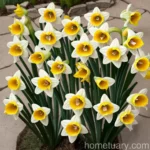
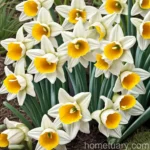
Narcissus ‘Standard Value’ is a perennial bulbous plant that is native to Europe and North Africa. It is known for its striking golden-yellow flowers that boast a trumpet-shaped corona surrounded by slightly reflexed petals. This species typically blooms in early spring and is a delightful addition to gardens, landscapes, and floral arrangements.
Key Takeaways – Narcissus ‘Standard Value’ (Trumpet Daffodil)
Before delving into the specifics of cultivating and caring for Narcissus ‘Standard Value’ (Trumpet Daffodil), let’s highlight some key takeaways about this magnificent plant:
- Scientific Name: Narcissus ‘Standard Value’
- Common Name: Trumpet Daffodil
- Family: Amaryllidaceae
- Blooming Season: Early Spring
- Flower Color: Golden-yellow
- Special Feature: Trumpet-shaped flowers
Now that we have a basic understanding of this plant, let’s explore the essential aspects of its cultivation and care.
Culture
Cultivating Narcissus ‘Standard Value’ requires a good understanding of its cultural requirements. From water and sunlight to soil and fertilization, each aspect plays a crucial role in ensuring the plant’s health and vitality.
Uses
The Trumpet Daffodil serves various purposes and is utilized in different settings:
- Gardens: Adds beauty and elegance to garden beds, borders, and rock gardens.
- Landscapes: Enhances the visual appeal of landscapes and outdoor spaces.
- Cut Flowers: Makes exquisite additions to floral arrangements and indoor displays.
Water
Proper watering is essential for the well-being of Narcissus ‘Standard Value’:
- Soil Moisture: Requires well-draining soil to prevent waterlogging, which can lead to bulb rot.
- Watering Frequency: Water moderately during the growing season, ensuring that the soil is consistently moist but not waterlogged.
Sunlight
Adequate sunlight is crucial for the growth and blooming of the Trumpet Daffodil:
- Sun Exposure: Thrives in full to partial sunlight, receiving at least 6 hours of direct sunlight per day.
- Shade: While it can tolerate light shade, insufficient sunlight may lead to reduced flowering.
Fertilizer
Appropriate fertilization contributes to the plant’s vigor and blooming:
- Fertilizer Type: Use a balanced, slow-release fertilizer to promote healthy growth and prolific flowering.
- Application: Apply fertilizer in early spring as new growth emerges, following the recommended dosage.
Soil
The right soil conditions are fundamental for the growth and development of Narcissus ‘Standard Value’:
- Soil Type: Flourishes in well-draining, loamy soil with a slightly acidic to neutral pH.
- Soil Preparation: Prior to planting, amend the soil with organic matter to enhance its fertility and structure.
Pruning
Pruning helps maintain the plant’s shape and removes spent flowers and foliage:
- Deadheading: Remove faded flowers to encourage the plant to channel its energy into bulb growth and development.
- Post-Blooming Pruning: Trim back the foliage only after it turns yellow and begins to wither, allowing the bulb to store nutrients for the next season.
Propagation
Narcissus ‘Standard Value’ can be propagated through various methods:
- Division: Divide mature clumps every 3-5 years after flowering to increase the number of plants.
- Offsets: Utilize the small bulb offsets produced by the parent bulb to propagate new plants.
Container Popularity
This species is well-suited for container cultivation, offering flexibility in its placement and care:
- Containers: Plant in well-draining containers with adequate depth for bulb development.
- Outdoor and Indoor Cultivation: Suitable for both outdoor and indoor container gardening.
Common Diseases
Just like any other plant, Narcissus ‘Standard Value’ is susceptible to certain diseases that can affect its health and vitality. It’s essential to be aware of these potential issues and take preventive measures to ensure the plant’s well-being.
Disease Diagnosis
Understanding common diseases enables prompt identification and treatment:
- Botrytis Blight: Gray mold that affects flowers and foliage, often thriving in damp conditions.
- Basal Rot: Fungal disease that causes the base of the bulb to rot, resulting in stunted growth and diminished flowering.
Common Pests
Pest infestations can pose a threat to the health of Narcissus ‘Standard Value’ and require proactive management:
- Narcissus Bulb Fly: Larvae feed on the bulbs, leading to rot and weakened plant vigor.
- Thrips: Small insects that feed on flower parts, causing discoloration and distortion of blooms.
Botanist’s Tips
Expert recommendations to ensure the successful growth and care of Narcissus ‘Standard Value’:
- Mulching: Apply a layer of organic mulch around the plants to conserve soil moisture and suppress weed growth.
- Overwintering Bulbs: In regions with cold winters, protect bulbs with a layer of mulch to prevent freezing and damage.
Fun Facts
Narcissus ‘Standard Value’ has some intriguing attributes and historical significance:
- Symbolism: Daffodils symbolize rebirth and new beginnings, making them popular choices for spring celebrations and events.
- Cultural Significance: In many cultures, daffodils are associated with spring festivals and are admired for their vibrant colors and charming appearance.
Links to External Resources
For further information and resources on Narcissus ‘Standard Value’ and Trumpet Daffodils, consider exploring the following links: