Paeonia lactiflora ‘Festiva Maxima’ (Peony): A Garden Gem
What is Paeonia lactiflora ‘Festiva Maxima’ (Peony)?
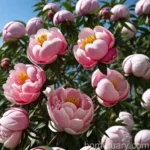
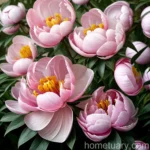
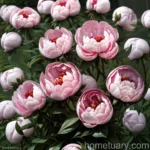
Paeonia lactiflora ‘Festiva Maxima’, commonly known as Peony, is a stunning perennial plant that belongs to the Paeoniaceae family. Renowned for its large, fragrant, and showy flowers, Peony has been adored by gardeners and flower enthusiasts for centuries. ‘Festiva Maxima’ is a specific variety within the Paeonia lactiflora species and is cherished for its classic beauty and timeless appeal.
Key Takeaways – Paeonia lactiflora ‘Festiva Maxima’ (Peony)
Before diving into the specifics of Paeonia lactiflora ‘Festiva Maxima’, let’s outline the key takeaways associated with this remarkable plant.
- Peony plants are prized for their captivating and aromatic blooms, with ‘Festiva Maxima’ being a standout variety.
- The Festiva Maxima Peony is a specific cultivar of the Paeonia lactiflora species, known for its exceptional attributes.
- Understanding the Paeonia lactiflora species is crucial for successfully cultivating ‘Festiva Maxima’ and other peony varieties.
- The Festiva Maxima variety embodies unique characteristics that make it a sought-after choice for gardens and landscapes.
- Peony cultivation requires attention to specific care practices, including watering, sunlight, and soil considerations.
- Effective growing of Paeonia lactiflora demands knowledge and expertise tailored to the needs of this exquisite plant.
- Gardening enthusiasts can benefit from peony care tips to nurture ‘Festiva Maxima’ and explore its full potential.
- Understanding the Festiva Maxima characteristics is fundamental for appreciating and cultivating this beautiful peony variety.
With these key points in mind, let’s delve deeper into the world of Paeonia lactiflora ‘Festiva Maxima’ and uncover the nuances of its culture, uses, care requirements, and much more.
Culture
Uses
As an ornamental plant, Paeonia lactiflora ‘Festiva Maxima’ adds elegance and charm to a wide range of settings. Its uses include:
- Garden Landscapes: ‘Festiva Maxima’ peonies make excellent focal points in garden beds and borders. Their large, white blooms with crimson flecks at the center create a striking visual impact.
- Cut Flowers: The exquisite flowers of ‘Festiva Maxima’ are popular for floral arrangements and bouquets, adding a touch of luxury to any setting.
- Medicinal Purposes: In traditional Chinese medicine, peony root has been used for its potential medicinal properties, though appropriate caution and consultation with healthcare professionals are advised.
Water
Proper moisture management is crucial for the healthy growth of ‘Festiva Maxima’ peonies. Here are some water-related considerations:
- Watering Needs: Peonies, including ‘Festiva Maxima’, usually require about an inch of water per week during the growing season. However, they are sensitive to excessive moisture, so well-draining soil is essential to prevent waterlogging.
- Irrigation: In periods of insufficient rainfall, supplemental watering may be necessary to sustain ‘Festiva Maxima’ peonies, particularly during dry spells.
Sunlight
Sunlight plays a pivotal role in the growth and blooming of ‘Festiva Maxima’ peonies. Understanding their sunlight requirements is crucial:
- Light Exposure: ‘Festiva Maxima’ peonies thrive in full sun to partial shade. They typically require at least six hours of direct sunlight daily for optimal flowering and overall vigor.
Fertilizer
Proper fertilization contributes to the overall health and productivity of ‘Festiva Maxima’ peonies. Consider the following fertilizer guidelines:
- Nutrient Requirements: Peonies benefit from a balanced fertilizer application in early spring, preferably with a formulation such as 10-10-10 or a similar ratio.
- Application Technique: The fertilizer should be applied around the base of the plants, avoiding direct contact with the stems or foliage. Watering the plants after fertilization helps in nutrient absorption.
Soil
Understanding the soil preferences of ‘Festiva Maxima’ peonies is instrumental in providing them with an optimal growing environment:
- Well-Draining Soil: Peonies, including ‘Festiva Maxima’, thrive in loamy, well-draining soil with a slightly acidic to neutral pH level. Soil that retains excessive moisture can lead to root rot and other issues, so proper drainage is crucial.
Pruning
Pruning is an important aspect of peony care. Proper pruning helps maintain the plant’s health, shape, and floral abundance. Consider the following steps for pruning ‘Festiva Maxima’ peonies:
Pruning Time
- Early Spring: Pruning is typically conducted in early spring. Remove any dead or damaged stems to promote healthy growth.
Technique
- Cutting Back: Trim the stems just above a healthy bud, using sharp and clean pruners to prevent damage and disease transmission.
- Clean-Up: Remove any debris or fallen leaves from the base of the plant to minimize the risk of fungal diseases.
Propagation
The propagation of ‘Festiva Maxima’ peonies can be achieved through various methods, including:
- Division: Dividing mature peony clumps in early fall can promote new growth and rejuvenate the plants. Ensure that each division possesses healthy roots and viable buds for successful establishment.
- Seed Propagation: While ‘Festiva Maxima’ peonies can be grown from seeds, this method often requires patience as it may take several years for the plants to reach maturity and start flowering.
Container Popularity
The allure of ‘Festiva Maxima’ peonies extends to container gardening, offering an ideal option for those with limited outdoor space. The popularity of growing ‘Festiva Maxima’ peonies in containers is attributed to several factors:
- Space Efficiency: Container-grown peonies, including ‘Festiva Maxima’, provide a space-efficient way to enjoy their captivating blooms in patios, balconies, and small gardens.
- Portability: Containers allow flexibility in positioning the peonies to optimize their sunlight exposure and aesthetic appeal.
- Versatility: ‘Festiva Maxima’ peonies can thrive in containers with well-draining soil and proper care, adding elegance to various indoor and outdoor settings.
Container Considerations
- Size: Select containers that provide ample space for the peony roots to grow and expand. A diameter of at least 18 inches is recommended for accommodating the root system of ‘Festiva Maxima’ peonies.
- Drainage: Ensure that the containers have adequate drainage holes to prevent waterlogging and root suffocation.
Common Diseases
‘Festiva Maxima’ peonies, like other plants, are susceptible to certain diseases. Understanding these diseases is crucial for preemptive action and effective management. Common diseases affecting ‘Festiva Maxima’ peonies include:
- Botrytis Blight: Also known as gray mold, botrytis blight can cause browning and decay of peony flowers and foliage, particularly in damp or humid conditions.
- Powdery Mildew: This fungal disease manifests as a powdery white coating on the leaves of peonies, leading to reduced photosynthesis and overall plant vigor.
- Verticillium Wilt: Caused by soil-borne fungi, verticillium wilt can result in wilting, yellowing, and eventual death of ‘Festiva Maxima’ peonies.
Disease Diagnosis
- Visual Symptoms: Regular inspection of ‘Festiva Maxima’ peonies for discolored spots, wilting, or abnormal growth can aid in early disease detection.
- Prompt Action: Upon identifying potential disease symptoms, consider consulting a plant health expert or horticulturist for accurate diagnosis and tailored treatment recommendations.
Common Pests
A range of pests can pose threats to ‘Festiva Maxima’ peonies. Vigilance and preemptive measures are essential in managing these common pests:
- Aphids: These small, sap-sucking insects can cluster on the tender buds and new growth of ‘Festiva Maxima’ peonies, potentially stunting their development.
- Thrips: Thrips may cause silvery or discolored streaks on peony flower buds and petals, impacting their visual appeal and market value.
- Nematodes: Soil-dwelling nematodes can compromise the root health of ‘Festiva Maxima’ peonies, leading to wilting and reduced vitality.
Pest Management
- Natural Predators: Encouraging natural predators of pests, such as ladybugs and lacewings, can help balance pest populations in the garden ecosystem.
- Cultural Practices: Maintaining good garden hygiene and removing debris can limit pest habitats and reduce their impact on ‘Festiva Maxima’ peonies.
Botanist’s Tips
As a botanist, here are some valuable tips for cultivating and appreciating Paeonia lactiflora ‘Festiva Maxima’:
- Site Selection: When planting ‘Festiva Maxima’ peonies, choose a location with well-draining soil and adequate sunlight to optimize their growth and flowering.
- Mulching: Apply a layer of organic mulch around ‘Festiva Maxima’ peonies to conserve soil moisture, regulate temperature, and suppress weed growth.
- Support Structures: As the large flowers of ‘Festiva Maxima’ peonies may become top-heavy, consider providing support structures, such as discreet stakes or rings, to prevent stem drooping and breakage.
Fun Facts
To add a touch of intrigue and fascination, here are some captivating fun facts about Paeonia lactiflora ‘Festiva Maxima’:
- Historical Significance: ‘Festiva Maxima’ peonies have a rich historical legacy, dating back to ancient Chinese culture, where they were revered as symbols of wealth, honor, and nobility.
- Fragrance: The blooms of ‘Festiva Maxima’ exude a delightful fragrance, attracting pollinators and captivating human admirers with their alluring scent.
Links to External Resources
To further explore the enchanting world of Paeonia lactiflora ‘Festiva Maxima’ and gain comprehensive insights, consider the following external resources:
- American Peony Society: The American Peony Society offers a wealth of information, including cultivation guides, variety profiles, and resources for peony enthusiasts.
- Royal Horticultural Society: The Royal Horticultural Society provides extensive guidance on growing and caring for peonies, including ‘Festiva Maxima’, in diverse garden settings.
- University of Minnesota Extension: Explore the University of Minnesota Extension’s insights into growing peonies, complete with practical tips and expert recommendations.
In conclusion, Paeonia lactiflora ‘Festiva Maxima’ stands as a botanical treasure, captivating hearts with its resplendent blooms and timeless allure. From its cultural significance to its care requirements and beyond, ‘Festiva Maxima’ peonies continue to enchant and inspire gardeners, horticulturists, and flower enthusiasts around the globe.
As we celebrate the quintessential beauty of ‘Festiva Maxima’ peonies, may our endeavors in cultivating and cherishing these remarkable plants be guided by a deep appreciation for their splendor and a commitment to their well-being.
This blog post has been a labor of love, fueled by a passion for the botanical wonders that grace our world. May it serve as a guide and an inspiration on your journey with Paeonia lactiflora ‘Festiva Maxima’ and beyond.