Paeonia ‘Burma Ruby’ (Peony): A Plant Scientist’s Comprehensive Guide
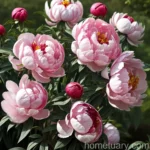
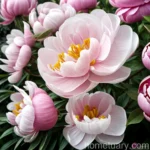
Paeonia ‘Burma Ruby’, commonly known as Peony, is a stunning and popular flowering plant known for its large, colorful, and fragrant blooms. As a plant scientist, I am excited to dive into the intricacies of this beautiful plant and provide a comprehensive guide to its care, characteristics, uses, and much more.
What is Paeonia ‘Burma Ruby’ (Peony)?
Paeonia ‘Burma Ruby’ is a herbaceous perennial plant that belongs to the Paeoniaceae family. This classic garden plant is renowned for its large, showy, and often fragrant flowers, as well as its attractive foliage. With a long history of cultivation and a wide range of varieties, Peonies have secured a special place in gardens and landscapes around the world.
Key Takeaways – Paeonia ‘Burma Ruby’ (Peony)
Before we delve into the specifics of caring for Paeonia ‘Burma Ruby’, it’s important to highlight some key takeaways that encompass its culture, uses, and characteristics.
- Culture
- Peonies thrive in well-draining, fertile soil with good moisture retention.
- They are prized for their large, colorful blooms which make them popular for ornamental use.
-
The plant has a deep-rooted cultural significance in various parts of the world.
-
Uses
- Paeonia ‘Burma Ruby’ is commonly used for ornamental purposes, adding beauty to gardens and landscapes.
-
Some varieties of Peonies are also used in traditional medicine for their potential health benefits.
-
Characteristics
- Large, fragrant blooms in an array of colors.
- Attractive, deeply lobed foliage.
- Varied growth habits and heights contribute to their versatility in garden designs.
Now, let’s explore the specific care requirements and characteristics of Paeonia ‘Burma Ruby’ in detail.
Plant Care
Understanding the specific care requirements is crucial for the successful cultivation of Paeonia ‘Burma Ruby’. From soil and water needs to sunlight requirements, each aspect plays a vital role in the overall health and vitality of the plant.
Water
Proper watering is essential for the optimal growth and flowering of Paeonia ‘Burma Ruby’. While they are known to be moderately drought-tolerant once established, consistent moisture is advantageous, especially during the growing season and when the plant is in bloom. Avoid overwatering, as Peonies are susceptible to root rot if the soil becomes waterlogged.
Sunlight
Peonies thrive in full sun to partial shade. Providing at least 6 hours of direct sunlight each day is ideal for ensuring robust growth and prolific flowering. In hotter climates, partial shade during the intense afternoon sun can be beneficial to prevent stress on the plants.
Fertilizer
Regular fertilization is key to supporting the growth and bloom production of Paeonia ‘Burma Ruby’. A balanced, slow-release fertilizer applied in early spring as new growth emerges can provide the necessary nutrients for the entire growing season. It is important to avoid excessive nitrogen, as this can lead to an abundance of foliage at the expense of flower production.
Soil
Well-draining, fertile soil is fundamental for the health and vigor of Peonies. A neutral to slightly acidic soil pH is preferred, typically in the range of 6.5 to 7.5. Amending the soil with organic matter, such as compost or well-rotted manure, can enhance soil structure and fertility, creating an optimal environment for root development and overall plant growth.
Pruning
Pruning plays a significant role in the maintenance and flowering of Paeonia ‘Burma Ruby’. Proper pruning can aid in improving air circulation, reducing disease pressure, and shaping the plant for aesthetic purposes. Deadheading spent blooms and removing old, yellowing foliage can also contribute to a tidier appearance and encourage the plant to focus its energy on new growth and flower production.
Propagation
Peonies can be propagated through various methods, including division, seeds, and cuttings. However, division is the most common and reliable method for maintaining the desirable traits of the parent plant. Here are the general steps for propagating Paeonia ‘Burma Ruby’ through division:
-
Timing: The best time to divide Peonies is in the fall when the plant is entering dormancy, or in early spring as new growth begins.
-
Preparation: Carefully dig up the established plant, ensuring that a good portion of the root system is retained.
-
Division: Use a sharp, clean knife to divide the root clump into sections, each containing several healthy and vigorous buds.
-
Planting: Replant the divided sections at the appropriate depth, typically with the buds (eyes) no more than 2 inches below the soil surface.
By following these steps and providing proper care, the newly propagated Peony plants can establish themselves and develop into robust, flowering individuals over time.
Container Popularity
While Peonies are often associated with traditional garden and landscape settings, they can also thrive in container gardens. The versatility of Paeonia ‘Burma Ruby’ extends to container cultivation, allowing individuals with limited space or specific design preferences to enjoy the beauty of these captivating plants.
-
Containers: Select a container that provides ample space for root development and has drainage holes to prevent waterlogging.
-
Soil: Fill the container with a well-draining, high-quality potting mix that offers good moisture retention.
-
Placement: Position the container in an area that receives adequate sunlight, ensuring that the plant’s light requirements are met.
-
Care: Regular watering, fertilization, and occasional pruning are necessary for maintaining healthy and vibrant Peonies in containers.
By meeting the specific needs of Paeonia ‘Burma Ruby’ in a container environment, individuals can create stunning focal points on patios, balconies, or any other outdoor living spaces.
Common Diseases and Pest Management
Despite being relatively low-maintenance, Peonies are susceptible to certain diseases and pests that can impact their health and overall vigor. Identifying and addressing these issues promptly is essential for preserving the beauty and longevity of Paeonia ‘Burma Ruby’.
Disease Diagnosis
-
Botrytis Blight: This fungal disease can manifest as brown spots on the foliage and darkening of flower buds, often in cool and wet conditions.
-
Powdery Mildew: A common fungal disease that presents as a powdery, white coating on the leaves, typically in humid environments.
-
Root Rot: Excessive soil moisture and poor drainage can lead to root rot, which may cause wilting, yellowing foliage, and stunted growth.
Common Pests
-
Spider Mites: These tiny pests can cause stippling on the leaves and may spin fine webbing around the affected areas.
-
Thrips: Feeding by thrips can result in distorted and discolored flower buds and blooms.
-
Nematodes: Root-knot nematodes are microscopic pests that can cause galling on the roots, leading to reduced vigor and poor growth.
Botanist’s Tips for Disease and Pest Management
-
Cultural Practices: Promote good air circulation, avoid overhead watering, and maintain proper plant spacing to reduce the risk of fungal diseases.
-
Monitoring: Regularly inspect the plants for any signs of disease or pest infestations, and take appropriate action if issues are detected.
-
Organic Controls: Utilize organic fungicides, insecticidal soaps, or neem oil to manage disease and pest problems while minimizing impact on beneficial organisms.
By implementing a proactive approach to disease and pest management, gardeners can significantly minimize the impact of these issues and ensure the continued health and vitality of their Paeonia ‘Burma Ruby’ plants.
Fun Facts
-
Cultural Significance: Peonies have been revered in various cultures and are regarded as symbols of prosperity, honor, and good fortune.
-
Longevity: Established Peony plants can thrive for decades, with some specimens known to survive and bloom for over 100 years.
-
Fragrance: While not all Peony varieties are strongly scented, some cultivars produce delightful fragrances that add an additional sensory dimension to the garden.
-
Hybrid Diversity: The world of Peony breeding has resulted in an extensive array of hybrids, showcasing an incredible diversity of colors, flower forms, and growth habits.
These fun facts offer a glimpse into the rich history, diversity, and enduring allure of Paeonia ‘Burma Ruby’ and its fellow Peony varieties.
Links to External Resources
For those keen on delving deeper into the world of Paeonia ‘Burma Ruby’ and Peonies in general, the following links to external resources provide valuable information and insights:
-
American Peony Society: A wealth of resources, articles, and community forums dedicated to Peonies, including care guides, variety profiles, and historical perspectives.
-
Royal Horticultural Society – Growing Peonies: Expert advice on growing Peonies, covering planting, care, and recommended varieties.
-
University of Missouri Extension – Peonies: In-depth information on Peony selection, planting, maintenance, and troubleshooting common issues.
-
The Spruce – How to Grow and Care for Peonies: Practical guidance on cultivating and caring for Peonies, including tips on improving flowering and addressing potential challenges.
These reputable sources offer a wealth of knowledge and guidance for plant enthusiasts, gardeners, and horticulturalists seeking comprehensive insights into the world of Paeonia ‘Burma Ruby’ and its enchanting relatives.
In conclusion, the timeless appeal and stunning beauty of Paeonia ‘Burma Ruby’ make it a cherished addition to gardens and landscapes. By understanding and meeting its specific care requirements, addressing potential challenges, and appreciating its cultural significance, individuals can enjoy the remarkable charm and enduring elegance of this iconic flowering plant.
As a plant scientist, I am thrilled to share the nuances and intricacies of Paeonia ‘Burma Ruby’, with the hope of inspiring a deeper appreciation for this beloved botanical gem.