Pinus densiflora (Japanese Red Pine): An In-Depth Plant Guide
As a plant scientist, I am excited to delve into the fascinating world of Pinus densiflora, commonly known as the Japanese Red Pine. This species of pine tree holds immense cultural, ecological, and horticultural significance, making it a captivating subject for further exploration. In this comprehensive guide, we will be delving into every aspect of this magnificent tree, from its characteristics and cultural uses to its growth requirements, common diseases, and ecological importance. By the end of this blog post, you will have a deep understanding of Pinus densiflora and its role in the natural world and our lives.
What is Pinus densiflora (Japanese Red Pine)?
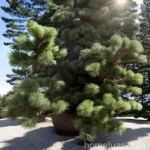
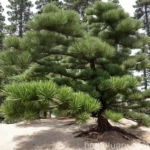
Pinus densiflora, widely known as the Japanese Red Pine, is a coniferous evergreen tree native to East Asia, particularly Japan and Korea. It belongs to the Pinaceae family, and its scientific name, Pinus densiflora, reflects its dense, clustered needles and vibrant red-orange bark, which are some of its most distinctive features. This species has been revered for centuries for its ornamental beauty and diverse uses, ranging from landscaping and cultural symbolism to medicinal properties and ecological value.
Let’s dive deeper into the key aspects of Pinus densiflora, exploring its cultural significance, growth habits, uses, and requirements for optimal care and cultivation.
Key Takeaways – Pinus densiflora (Japanese Red Pine)
Here are some key takeaways that we will be exploring in detail throughout this guide:
- Cultural Uses: Pinus densiflora has a rich cultural heritage, commonly used in traditional Japanese gardens, bonsai cultivation, and as a symbol of longevity and resilience.
- Water: Understanding the water requirements for Japanese Red Pine is crucial for its health and vitality.
- Sunlight: This species has distinct sunlight preferences that influence its growth and overall well-being.
- Fertilizer: Proper fertilization is essential for promoting healthy growth and resilience in Pinus densiflora.
- Soil: The right soil conditions play a critical role in the successful cultivation of Japanese Red Pine.
- Pruning: Pruning techniques are vital to maintaining the aesthetic appeal and health of this species.
- Propagation: Different methods of propagation can be employed to propagate Pinus densiflora effectively.
- Container Popularity: Japanese Red Pine is highly sought after for container gardening and landscape design.
- Common Diseases: Understanding and effectively managing common diseases is essential for the well-being of this species.
- Common Pests: Recognizing and addressing common pests is crucial for mitigating potential damage to Japanese Red Pine.
Now, let’s delve into these key takeaways, exploring each aspect in detail to gain a comprehensive understanding of Pinus densiflora.
Culture
Cultural Significance and Uses
Japanese Red Pine (Pinus densiflora) holds deep cultural significance in East Asia, particularly in Japan, where it has been revered for centuries in various aspects of traditional art, horticulture, and symbolism. The tree’s striking visual appeal, with its rugged, windswept appearance and vibrant red-orange bark, has made it a popular choice for ornamental plantings in traditional Japanese gardens. It is often used as a focal point in landscape design, serving as a symbol of longevity, resilience, and immortality.
Japanese Gardens and Bonsai Cultivation
In traditional Japanese gardens, Pinus densiflora is often incorporated into landscapes to create a sense of harmony and tranquility. The tree’s distinctive form and coloration add visual interest and evoke a sense of natural beauty and serenity. Additionally, Pinus densiflora is highly valued in bonsai cultivation, where it is meticulously pruned and trained to embody the essence of aged, windswept pines. This art form, known as bonsai, has a rich history in Japan and has contributed to the cultural significance of Pinus densiflora.
Symbolism and Cultural Meaning
Beyond its horticultural uses, Japanese Red Pine holds symbolic significance in Japanese culture, often associated with endurance, inner strength, and the ability to withstand adversity. It is often used as a visual representation of resilience, making it a popular choice in landscape design and as a focal point in traditional gardens. The tree’s weathered appearance and vibrant bark are symbolic of the trials and challenges that have shaped its character over time, making it a powerful symbol in Japanese aesthetics and philosophy.
Uses
Ornamental and Landscaping Uses
Japanese Red Pine is highly valued for its ornamental qualities and is often used in landscaping to add visual interest and textural contrast. Its distinctive form, with rugged, twisted branches and vibrant foliage, makes it a striking focal point in both residential and public landscapes. The tree’s adaptability to various soil types and its tolerance of coastal conditions further enhance its appeal in landscaping, making it a versatile choice for adding structure and beauty to outdoor spaces.
Medicinal and Therapeutic Uses
In addition to its ornamental value, Pinus densiflora has been used in traditional medicine for various therapeutic purposes. The bark and needles of the tree contain compounds that have been traditionally used for their medicinal properties, including their role in supporting respiratory health and overall well-being. While modern scientific research on the medicinal uses of Japanese Red Pine is ongoing, its historical significance in traditional medicine underscores its multifaceted value to human health and well-being.
Water
Water Requirements
Understanding the water requirements of Pinus densiflora is crucial for maintaining its health and vitality, especially during the establishment phase and in periods of drought or water stress. While Japanese Red Pine is relatively drought-tolerant once established, proper irrigation is essential, particularly for newly planted trees and those growing in containers. Adequate watering during the first few years after planting helps promote healthy root development and overall vigor. However, it is important to ensure that the soil has good drainage to prevent waterlogged conditions, which can negatively impact the tree’s health.
Sunlight
Sunlight Preferences
Japanese Red Pine exhibits distinct preferences for sunlight, thriving in full sun to partial shade conditions. When grown in full sun, the tree’s vibrant reddish-orange bark and dense foliage are accentuated, creating a visually striking display. In partial shade, the tree can still thrive, but its growth may be less vigorous, and its characteristic deep coloration may be less pronounced. When selecting a planting site for Pinus densiflora, it is essential to consider its sunlight requirements to provide an optimal growing environment and showcase its ornamental qualities to their full potential.
Fertilizer
Fertilization Practices
Proper fertilization is paramount in promoting healthy growth and resilience in Pinus densiflora. While this species does not typically require intensive fertilization, providing essential nutrients can support its overall vigor and vitality. A slow-release balanced fertilizer formulated for acid-loving plants, applied in spring or early summer, can help meet the tree’s nutritional needs without promoting excessive, rapid growth. Additionally, incorporating organic matter, such as well-composted pine bark, into the soil during planting or as a top-dressing can help enhance soil fertility and support the long-term health of Japanese Red Pine.
Soil
Soil Preferences
The right soil conditions play a crucial role in the successful cultivation and establishment of Pinus densiflora. This species thrives in well-drained, acidic soils with a pH range of 5.0 to 6.5, mirroring its natural habitat in the forest understory and coastal regions. Soil with good aeration and moisture retention is advantageous for promoting healthy root development and ensuring the tree’s overall vitality. Incorporating organic matter, such as pine bark fines or compost, into the soil can further improve its texture, drainage, and fertility, providing an optimal foundation for Japanese Red Pine to flourish.
Pruning
Pruning Techniques
Pruning plays a vital role in maintaining the aesthetic appeal and health of Pinus densiflora. Regular pruning, particularly during the tree’s formative years, helps shape its structure, encourage balanced growth, and remove any dead or diseased branches. When pruning Japanese Red Pine, it is important to utilize sharp, clean tools to make precise cuts and minimize the risk of damage or infection. Additionally, selective thinning and shaping can help showcase the tree’s natural form and accentuate its distinctive visual appeal, making it a captivating presence in the landscape.
Propagation
Propagation Methods
Propagating Pinus densiflora can be achieved through various methods, including seed propagation, softwood cuttings, and grafting. Each technique offers unique advantages and challenges, allowing for the propagation of new plants with desirable traits or specific purposes. When propagating Japanese Red Pine from seeds, it is important to select viable, healthy seeds and provide appropriate conditions for germination and early growth. Softwood cuttings offer an effective means of cloning selected individuals and preserving desirable traits, while grafting can be employed to propagate superior cultivars onto compatible rootstocks, ensuring consistent quality and performance.
Container Popularity
Container Gardening and Landscape Design
Japanese Red Pine is a highly sought-after species for container gardening and landscape design, offering a captivating focal point for outdoor spaces and a versatile option for ornamental plantings. When grown in containers, this species can thrive on patios, terraces, and rooftop gardens, providing an elegant and low-maintenance addition to urban and suburban landscapes. Its adaptability to container cultivation makes it a popular choice for bringing the beauty and character of Pinus densiflora to diverse outdoor settings, complementing a range of architectural styles and design aesthetics.
Common Diseases
Disease Management
Understanding and effectively managing common diseases is essential for maintaining the health and vitality of Pinus densiflora. While this species is generally resilient to many pests and diseases, it can be susceptible to certain fungal pathogens, such as pine pitch canker (Fusarium circinatum) and diplodia tip blight (Diplodia pinea), which can negatively impact the tree’s vigor and aesthetics if left unchecked. Implementing cultural practices that promote good air circulation, proper pruning, and routine inspection can help mitigate the risk of disease development and support the long-term well-being of Japanese Red Pine.
Disease Diagnosis
Identifying and Addressing Common Diseases
Recognizing the symptoms of common diseases affecting Pinus densiflora is essential for timely diagnosis and effective management. Symptoms of pine pitch canker may include resinous lesions on the bark, dieback of branches, and resinous exudate at the infection sites. On the other hand, diplodia tip blight may manifest as dieback of new growth, browning of needles, and the presence of fungal fruiting bodies on affected twigs. Promptly addressing these symptoms through proper sanitation, pruning, and, if necessary, targeted fungicidal treatments can help contain disease progression and protect the overall health of Japanese Red Pine.
Common Pests
Pest Recognition and Management
While Pinus densiflora is often resilient to many pests, it can occasionally face challenges from insect pests such as scale insects, pine sawflies, and adventitious or root-feeding insects. These pests can potentially impact the tree’s vitality and aesthetic appeal if their populations are left unmanaged. Regular monitoring of the tree for signs of pest activity, such as scale infestations on the needles or defoliation caused by pine sawflies, can facilitate early intervention and targeted pest management strategies. Implementing biological controls, such as beneficial predatory insects, and judicious use of low-impact insecticides can help mitigate pest pressure and preserve the health of Japanese Red Pine.
Botanist’s Tips
Recommendations for Successful Growth
Based on its unique characteristics and ecological preferences, Japanese Red Pine benefits from several key practices to support its successful growth and long-term resilience. Here are some botanist’s tips for cultivating and caring for Pinus densiflora:
- Selecting a Suitable Planting Site: Choose a well-drained location with ample sunlight for optimal growth and vibrant coloration.
- Moderate Watering: While Japanese Red Pine is relatively drought-tolerant, consistent watering, particularly during dry spells, promotes healthy growth and root development.
- Balanced Fertilization: Utilize a slow-release, balanced fertilizer to provide essential nutrients without promoting excessive growth.
- Pruning for Form and Health: Regular pruning to remove dead or diseased branches and shaping the tree can enhance its visual appeal and longevity.
- Disease and Pest Monitoring: Routinely inspect Pinus densiflora for signs of disease or pest activity and address any issues promptly to maintain its health and vigor.
Fun Facts
Intriguing Insights about Pinus densiflora
Japanese Red Pine is not only an iconic tree with cultural and horticultural significance but also holds several intriguing and remarkable attributes that make it a captivating species to study and appreciate. Here are some fun facts about Pinus densiflora:
- Bonsai Tradition: Pinus densiflora has been a favored species for bonsai cultivation in Japan for centuries, with prized specimens showcasing the tree’s timeless elegance and character.
- Resilient Bark: The bark of Japanese Red Pine undergoes a color transformation, transitioning from a vibrant reddish-orange hue in its youth to darker, more subdued tones with age.
- Coastal Adaptability: This species exhibits a remarkable tolerance of coastal conditions, making it well-suited for planting in coastal landscapes and gardens.
- Medicinal Properties: The needles and bark of Pinus densiflora contain bioactive compounds traditionally used for their potential health benefits, contributing to its multifaceted value.
- Ecological Role: In its natural habitat, Japanese Red Pine plays a vital role in supporting local wildlife and contributing to the biodiversity of forest ecosystems.
Links to External Resources
For further exploration and detailed information about Pinus densiflora (Japanese Red Pine), I recommend delving into the following external resources:
- The American Conifer Society: The American Conifer Society provides valuable insights into the cultivation, characteristics, and uses of Pinus densiflora.
- Royal Horticultural Society: The Royal Horticultural Society offers comprehensive information on growing and caring for Japanese Red Pine, including practical guidance and expert tips.
- Kew Royal Botanic Gardens: Kew Royal Botanic Gardens provides botanical and ecological insights into Pinus densiflora, shedding light on its natural habitat, conservation, and cultural significance.
Conclusion
In conclusion, the journey into the world of Pinus densiflora (Japanese Red Pine) has unveiled a wealth of fascinating insights, from its cultural uses and ornamental value to its ecological importance and essential care requirements. As a plant scientist, it is both rewarding and enlightening to explore the diverse facets of this iconic species, highlighting its enduring relevance and significance in our lives and the natural world. Whether gracing traditional Japanese gardens, offering therapeutic compounds derived from its bark and needles, or contributing to the beauty of urban landscapes, Japanese Red Pine continues to captivate and inspire us with its timeless allure.
Through this comprehensive guide, I hope to have provided a deeper understanding of Pinus densiflora, empowering enthusiasts, horticulturists, and nature lovers to appreciate and nurture this magnificent tree with the reverence it deserves. By embracing its cultural heritage, recognizing its ecological value, and engaging in thoughtful cultivation and conservation efforts, we can ensure that the legacy of Japanese Red Pine endures for generations to come, enriching our lives and the world around us.
Remember, the essence of Pinus densiflora lies not only in its iconic stature and vivid beauty but also in the stories it carries, the wisdom it imparts, and the legacy it continues to shape.
Keywords: Japanese red pine, Pinus densiflora, Japanese pine tree, Red pine species, Japanese red pine facts, Pinus densiflora characteristics, Japanese red pine information, Pinus densiflora benefits, Red pine tree details, Japanese red pine care, Pinus densiflora growth habits, Japanese red pine characteristics, Pinus densiflora cultivation tips, Red pine tree care guide, Japanese red pine uses, Pinus densiflora planting techniques, Japanese red pine habitat, Pinus densiflora propagation methods, Red pine tree varieties, Japanese red pine medicinal properties, Pinus densiflora landscaping ideas, Japanese red pine symbolism, Pinus densiflora ecological importance, Red pine tree pruning techniques, Japanese red pine pests and diseases, Pinus densiflora native range, Japanese red pine timber qualities, Pinus densiflora conservation status, Red pine tree growing conditions, Japanese red pine adaptation, Pinus densiflora wildlife value, Japanese red pine climate requirements, Pinus densiflora sustainable uses, Red pine tree ornamental features, Japanese red pine oil benefits, Pinus densiflora natural habitat, Japanese red pine wood characteristics, Pinus densiflora historical significance, Red pine tree aesthetic appeal, Japanese red pine landscape design, Pinus densiflora fire resistance, Japanese red pine pruning guidelines, Pinus densiflora soil preferences, Red pine tree growth rate, Japanese red pine bonsai techniques, Pinus densiflora traditional uses, Japanese red pine species classification, Pinus densiflora cold hardiness, Red pine tree wind tolerance, Japanese red pine scientific classification