Paeonia lactiflora ‘Dr Jekyll’ (Peony): A Complete Guide
Introduction
The Paeonia lactiflora ‘Dr Jekyll,’ commonly known as the “Peony,” is a charming and beloved perennial plant that has captivated gardeners and plant enthusiasts for centuries. Its large, showy flowers and delightful fragrance make it a popular choice for gardens, both in traditional flower beds and as an accent in container gardening. In this comprehensive guide, we will delve into every aspect of this enchanting plant – from its cultivation and uses to its care, maintenance, and everything in between.
What is Paeonia lactiflora ‘Dr Jekyll’ (Peony)?
The Paeonia lactiflora ‘Dr Jekyll’ is a classic herbaceous perennial plant belonging to the Paeoniaceae family. It is native to China, and its name is derived from Paeon, the physician of the gods in Greek mythology.
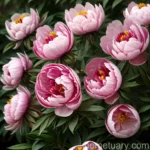
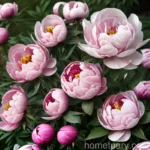
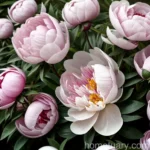
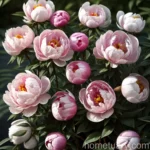
The ‘Dr Jekyll’ cultivar of Paeonia lactiflora is celebrated for its striking appearance, abundant blooms, and ease of cultivation. Its large, double, and fragrant flowers make it a stunning addition to any garden or landscape.
Key Takeaways – Paeonia lactiflora ‘Dr Jekyll’ (Peony)
Before we delve into the specific details about the ‘Dr Jekyll’ Peony, let’s take a quick overview of the key takeaways that we will explore in this comprehensive guide:
- Paeonia lactiflora ‘Dr Jekyll’ (Peony) Cultivation
- Uses
- Water requirements
- Sunlight preferences
- Fertilizer needs
- Soil preferences
- Pruning techniques
- Propagation methods
- Growing Paeonia lactiflora ‘Dr Jekyll’ in Containers
- Popularity as a container plant
- Common diseases in container-grown Peonies
- Diagnosis and management of container plant diseases
- Common pests in container gardening
- Botanist’s Tips and Fun Facts about Paeonia lactiflora ‘Dr Jekyll’ (Peony)
- Links to External Resources
Paeonia lactiflora ‘Dr Jekyll’ (Peony) Cultivation
Cultivating the Paeonia lactiflora ‘Dr Jekyll’ requires an understanding of its specific requirements and characteristics. Let’s explore each aspect of its cultivation in detail.
Uses
The uses of the Paeonia lactiflora ‘Dr Jekyll’ extend beyond its ornamental value. Here are some of its primary uses:
- Ornamental Purposes: The ‘Dr Jekyll’ Peony is primarily grown for its stunning and fragrant flowers. It serves as a beautiful focal point in garden beds, borders, and landscapes.
- Cut Flowers: The large, showy blooms of the ‘Dr Jekyll’ Peony make it a popular choice for cut flower arrangements, adding elegance and fragrance to indoor spaces.
- Medicinal Properties: While primarily grown for ornamental purposes, various parts of the Peony plant have been traditionally used in herbal medicine for their potential health benefits.
Water
Establishing an appropriate watering routine is crucial for the optimal growth and blooming of the ‘Dr Jekyll’ Peony. While Peonies are known for their drought tolerance, they still require consistent moisture, especially during their active growth periods.
- Watering Needs: Provide regular watering, especially during dry spells, to keep the soil consistently moist but not waterlogged. Ensure proper drainage to prevent waterlogging, which can lead to root rot.
Sunlight
Proper sunlight exposure is essential for the healthy growth and abundant blooming of the Paeonia lactiflora ‘Dr Jekyll.’ Understanding its sunlight preferences will help in determining the ideal planting location.
- Sunlight Requirements: The ‘Dr Jekyll’ Peony thrives in full sun to partial shade. Aim to provide it with at least 6-8 hours of sunlight daily for best results.
Fertilizer
Fertilizing the ‘Dr Jekyll’ Peony is vital for promoting robust growth and prolific blooming. However, it’s essential to apply the right type and amount of fertilizer to prevent potential issues such as over-fertilization.
- Fertilizer Needs: Use a balanced, all-purpose fertilizer or a fertilizer specifically formulated for flowering plants. Apply the fertilizer in early spring before new growth emerges, following the recommended dosage instructions.
Soil
The soil composition and quality significantly impact the overall health and performance of the Paeonia lactiflora ‘Dr Jekyll.’ Understanding its soil preferences is crucial for successful cultivation.
- Soil Preferences: Plant the ‘Dr Jekyll’ Peony in well-draining, fertile loamy soil with a slightly acidic to neutral pH level (pH 6.5-7.0). Amending the soil with organic matter such as compost can enhance its fertility and drainage.
Pruning
Pruning plays a key role in maintaining the vigor and aesthetics of the ‘Dr Jekyll’ Peony. Proper pruning practices help in shaping the plant, encouraging blooming, and ensuring overall plant health.
- Pruning Techniques: Remove spent flowers to encourage continuous blooming and prevent seed formation. Prune the stems back to the ground level in late fall or early spring to rejuvenate the plant and remove any diseased or damaged growth.
Propagation
Propagation methods allow for the multiplication of the ‘Dr Jekyll’ Peony, enabling gardeners to expand their Peony collection and share the beauty of this captivating plant with others.
- Propagation Methods: The Paeonia lactiflora ‘Dr Jekyll’ can be propagated through division, root cuttings, or seed sowing. Division is the most common and reliable method, typically performed in early fall.
Growing Paeonia lactiflora ‘Dr Jekyll’ in Containers
The versatility of the Paeonia lactiflora ‘Dr Jekyll’ makes it suitable for container gardening, offering an alternative way to showcase its beauty and fragrance.
Popularity as a Container Plant
The ‘Dr Jekyll’ Peony has gained popularity as a container plant, allowing gardening enthusiasts to adorn patios, balconies, and other outdoor spaces with its stunning blooms and rich green foliage.
- Container Selection: Choose a large, sturdy container with adequate drainage holes to accommodate the Peony’s extensive root system and provide proper aeration.
Common Diseases in Container-Grown Peonies
While container gardening offers several advantages, it also presents unique challenges, including the susceptibility to certain diseases.
- Common Diseases: Some common diseases that can affect container-grown Peonies include botrytis blight, powdery mildew, and root rot. Proper care, watering practices, and adequate air circulation can help prevent these issues.
Disease Diagnosis and Management in Container Plants
Identifying and addressing diseases in container-grown Peonies is essential for preventing the spread of infections and preserving the plant’s health.
- Diagnosis and Management: Monitor the plants regularly for symptoms of diseases such as unusual spots, wilting, or abnormal growth. Promptly isolate affected plants and implement appropriate treatment measures, such as fungicidal sprays or soil drenches.
Common Pests in Container Gardening
Container-grown Peonies are susceptible to certain pests that can potentially compromise their growth and flowering.
- Common Pests: Aphids, spider mites, and nematodes are among the common pests that may infest container-grown Peonies. Regular monitoring and early intervention, such as insecticidal soap application, can help manage pest infestations.
Botanist’s Tips and Fun Facts about Paeonia lactiflora ‘Dr Jekyll’ (Peony)
As a plant scientist with a passion for Peonies, here are some expert tips and fascinating facts about the Paeonia lactiflora ‘Dr Jekyll’ that you may find intriguing:
Botanist’s Tips
- To encourage optimal blooming, deadhead faded flowers by snipping them off near the base of the stem.
- When planting multiple ‘Dr Jekyll’ Peonies, space them adequately to allow for good air circulation, which can help prevent fungal diseases.
- Apply a layer of mulch around the base of the plant to conserve soil moisture and suppress weed growth.
Fun Facts
- Peonies have been cultivated in China for over a thousand years and are highly revered in Chinese culture, symbolizing wealth, honor, and beauty.
- The Peony is the state flower of Indiana, USA, and has a rich history in traditional folklore and herbal medicine.
- Some Peony varieties, including the ‘Dr Jekyll,’ can live for decades, making them valuable heirloom plants in many gardens.
Links to External Resources
For more in-depth information, plant enthusiasts and gardeners can explore the following external resources:
- The American Peony Society
- Royal Horticultural Society – Peonies: Planting and Care
- University of Maryland Extension – Peonies: Tips for Planting and Care
In conclusion, the Paeonia lactiflora ‘Dr Jekyll’ (Peony) is an enchanting and versatile plant that offers beauty, fragrance, and historical significance. By understanding its specific cultivation requirements and following proper care practices, gardeners can enjoy the timeless allure of this captivating perennial in their outdoor spaces. Whether grown in garden beds or containers, the ‘Dr Jekyll’ Peony continues to charm and inspire plant enthusiasts around the world with its stunning blossoms and rich cultural heritage.