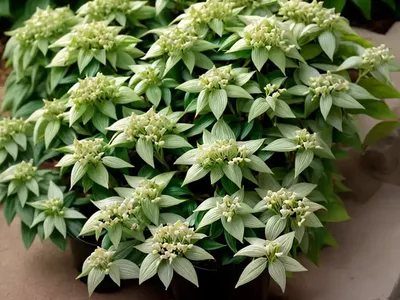
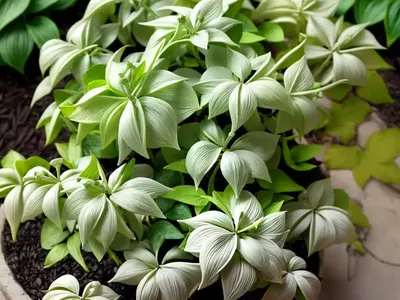
Pachysandra Terminalis ‘Silver Edge’ (Japanese Spurge)
Pachysandra terminalis ‘Silver Edge’ is a versatile and attractive evergreen ground cover that is native to Japan and China. It belongs to the family.
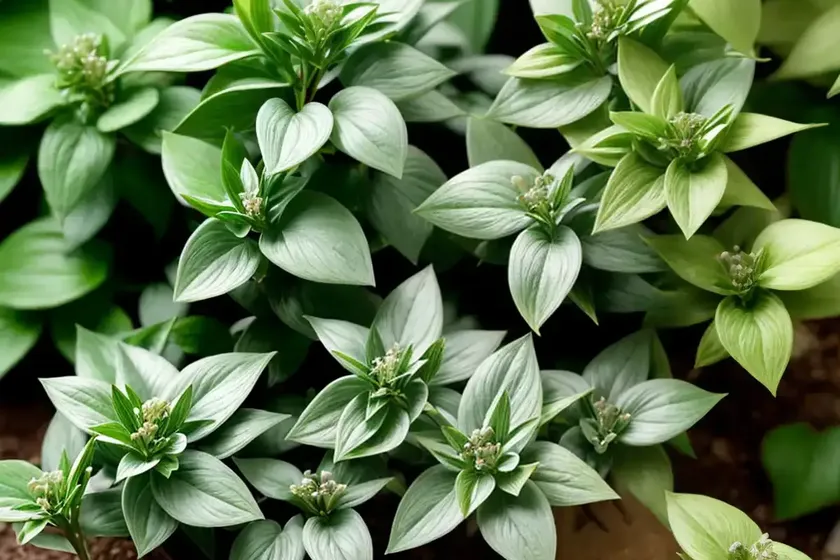
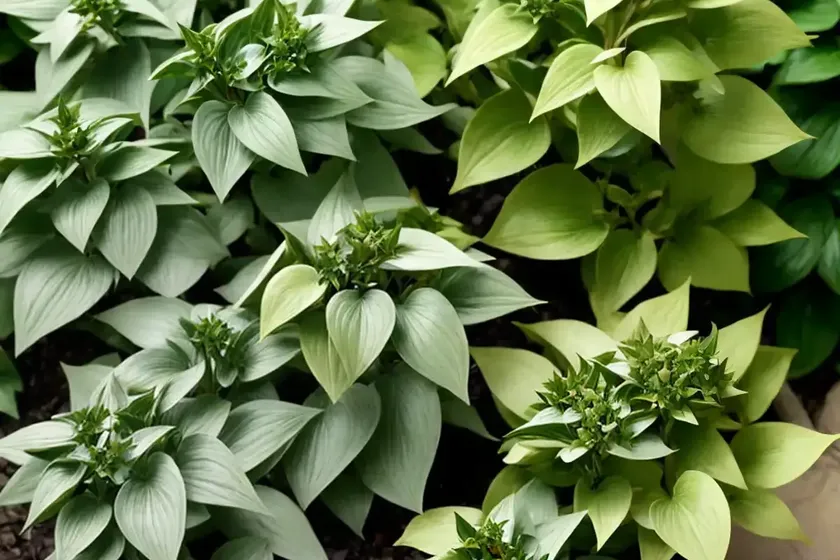
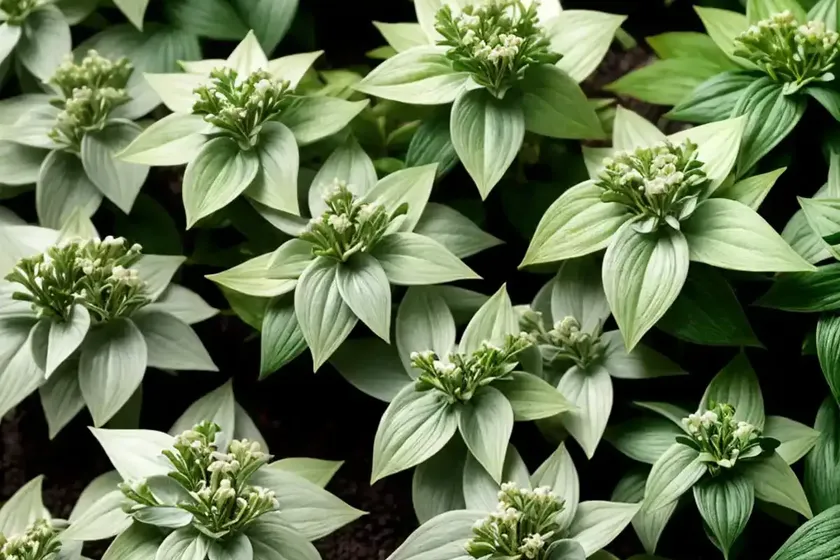
Pachysandra terminalis ‘Silver Edge’ is a versatile and attractive evergreen ground cover that is native to Japan and China. It belongs to the family Buxaceae and is known for its glossy, variegated leaves and its ability to thrive in shaded areas. In this comprehensive guide, we will explore the characteristics, culture, uses, and maintenance of Pachysandra terminalis ‘Silver Edge’, also commonly known as Japanese Spurge. Whether you are a gardening enthusiast, a landscaper, or simply someone interested in learning more about this beautiful plant, this guide will provide you with valuable insights into successfully cultivating and caring for Pachysandra terminalis ‘Silver Edge’.
What is Pachysandra terminalis ‘Silver Edge’?
Pachysandra terminalis ‘Silver Edge’, or Japanese Spurge ‘Silver Edge’, is a low-growing, spreading perennial that is valued for its attractive foliage and its ability to form a dense mat, making it an excellent ground cover. The variegated leaves are oval in shape, featuring a deep, glossy green color with creamy white margins, creating a striking visual effect. In addition to its ornamental appeal, this plant is known for its versatility and its adaptability to different growing conditions, particularly in shaded areas. It is often used in landscaping projects, woodland gardens, and as an edging plant for paths and borders.
Key Takeaways – Pachysandra terminalis ‘Silver Edge’
Before delving into the specific aspects of the culture, uses, maintenance, and propagation of Pachysandra terminalis ‘Silver Edge’, it’s essential to highlight some key takeaways that encapsulate the plant’s significance and its appeal to gardening enthusiasts and landscapers.
- Variegated evergreen foliage with glossy green and creamy white leaves
- Adaptable to shaded areas, making it ideal for landscaping in low-light environments
- Forms a dense mat, serving as an effective ground cover
- Versatile uses in gardens, woodland landscapes, and as an edging plant
- Low-maintenance and relatively resistant to pests and diseases
- Prized for its ornamental and aesthetic qualities, enhancing the visual appeal of outdoor spaces
With these key takeaways in mind, let’s delve into the detailed aspects of cultivating, caring for, and utilizing Pachysandra terminalis ‘Silver Edge’ in various settings.
Culture
Water
Pachysandra terminalis ‘Silver Edge’ thrives in well-draining, moist soil, making it important to maintain consistent soil moisture, particularly during the establishment phase. Adequate watering is essential for promoting healthy growth and ensuring the plant’s resilience, especially during periods of drought. While this plant demonstrates a degree of tolerance to dry conditions once established, regular watering is recommended, especially during hot and dry weather. Maintaining a balanced approach to watering, avoiding both waterlogged and excessively dry conditions, is crucial for the overall health and vigor of Pachysandra terminalis ‘Silver Edge’.
Sunlight
Japanese Spurge ‘Silver Edge’ is well-suited to shaded or partially shaded areas, making it an ideal choice for gardens or landscapes with limited direct sunlight. It thrives in dappled light or filtered shade, where it can display its variegated foliage to full effect. While it can tolerate some morning sun or gentle afternoon sunlight, prolonged exposure to intense, direct sunlight may result in leaf scorching or discoloration. As such, it is essential to select planting locations that provide the appropriate light conditions to ensure the plant’s vitality and visual appeal.
Fertilizer
Feeding Pachysandra terminalis ‘Silver Edge’ with a balanced, slow-release fertilizer in spring can promote healthy growth and enhance its ornamental qualities. A fertilizer with a ratio such as 10-10-10 or 10-5-5 can provide the necessary nutrients for sustained growth and vigor. It is advisable to apply the fertilizer according to the manufacturer’s instructions, avoiding excessive application to prevent potential adverse effects on the plant. Additionally, incorporating organic matter into the soil during the planting process can further support the plant’s nutritional needs and contribute to the overall health of Japanese Spurge ‘Silver Edge’.
Soil
Japanese Spurge ‘Silver Edge’ thrives in well-draining, humus-rich soil with a slightly acidic to neutral pH range. The soil should provide good aeration and water retention while preventing waterlogging, as excessive moisture can lead to root rot and other detrimental conditions. Incorporating organic matter, such as compost or well-rotted manure, into the soil can improve its structure and fertility, creating an optimal growing environment for Pachysandra terminalis ‘Silver Edge’. Prior to planting, it is advisable to prepare the soil by amending it with organic material and ensuring that it is well-draining to support the plant’s establishment and long-term growth.
Pruning
Pruning Pachysandra terminalis ‘Silver Edge’ is generally minimal, focusing on the removal of any damaged, diseased, or unsightly foliage to maintain the plant’s overall appearance. It is important to use clean, sharp pruning shears to make precise cuts and to avoid causing unnecessary stress to the plant. Additionally, trimming back any overgrown or sprawling stems can help to promote a compact and tidy growth habit, enhancing the plant’s visual appeal. Pruning can be performed as needed throughout the growing season, with a more thorough assessment and maintenance typically conducted in late winter or early spring to prepare the plant for the upcoming growing season.
Propagation
Pachysandra terminalis ‘Silver Edge’ can be propagated through division or by taking stem cuttings, providing opportunities to expand your plantings or share this attractive ground cover with others. Division is typically carried out in early spring or early autumn, where healthy, established clumps of the plant can be carefully separated into smaller sections, each containing roots and shoots. These divisions can then be replanted in suitable locations, ensuring that they receive adequate moisture and care during the establishment phase. Propagating Pachysandra terminalis ‘Silver Edge’ from stem cuttings involves taking healthy, non-flowering stems and rooting them in a suitable growing medium. With proper care and attention, these cuttings can develop into new plants, allowing for the propagation of desirable varieties and the expansion of your Japanese Spurge ‘Silver Edge’ collection.
Container Popularity
While Pachysandra terminalis ‘Silver Edge’ is commonly used as a ground cover in garden beds and naturalistic settings, it can also be cultivated in containers to bring its ornamental qualities to patios, porches, and other outdoor living spaces. The variegated foliage and dense, spreading habit of this plant make it an appealing choice for container gardening, where it can serve as a low-maintenance, visually striking addition to potted arrangements. When growing Japanese Spurge ‘Silver Edge’ in containers, it is important to select a suitable potting mix that provides good drainage and aeration, as well as to ensure that the plant receives adequate water and light according to its requirements.
Common Diseases
Pachysandra terminalis ‘Silver Edge’ exhibits a degree of resistance to certain diseases, but it can be susceptible to certain issues that may affect its overall health and appearance. Understanding and identifying common diseases will enable you to take proactive measures to prevent and address these issues, promoting the long-term vitality of your Japanese Spurge ‘Silver Edge’.
Disease Diagnosis
Some of the common diseases that may affect Pachysandra terminalis ‘Silver Edge’ include:
- Volutella Blight: This fungal disease can cause yellowing, browning, and dieback of the foliage, often accompanied by the presence of pink, salmon, or orange sporulation on the affected areas.
- Leaf Spot: Leaf spot diseases may manifest as dark, water-soaked lesions or spots on the foliage, potentially leading to defoliation and overall decline in plant health.
- Root Rot: Excessive moisture and poor drainage can lead to root rot, impacting the plant’s root system and creating conditions that compromise its ability to uptake water and nutrients effectively.
By monitoring your plants regularly and being attentive to any signs of disease or distress, you can promptly intervene and implement appropriate measures to mitigate the impact of these issues and promote the overall well-being of Pachysandra terminalis ‘Silver Edge’.
Common Pests
While Japanese Spurge ‘Silver Edge’ is relatively resistant to pests, it may encounter certain insect-related challenges that require timely intervention to prevent significant damage. Familiarizing yourself with common pests and their associated symptoms will enable you to take proactive measures to address potential infestations and safeguard the health and appearance of your plants.
Botanist’s Tips
Incorporating botanist’s tips into your approach to cultivating and caring for Pachysandra terminalis ‘Silver Edge’ can enhance your understanding of the plant’s biological characteristics and its requirements for optimal growth. By applying these expert insights and recommendations, you can cultivate Japanese Spurge ‘Silver Edge’ with confidence and achieve the desired results in your garden or landscape.
- Mulching: Applying a layer of organic mulch around the base of Japanese Spurge ‘Silver Edge’ can help to conserve soil moisture, suppress weed growth, and provide insulation to the root system, contributing to the plant’s overall health and vigor.
- Companion Planting: Incorporating compatible companion plants, such as shade-loving perennials and ground covers, can enhance the visual appeal of your landscape and create a harmonious planting scheme that complements the variegated foliage and spreading habit of Pachysandra terminalis ‘Silver Edge’.
- Winter Care: Providing adequate protection for Japanese Spurge ‘Silver Edge’ during the winter months, such as mulching the root zone and minimizing exposure to harsh weather conditions, can help to maintain the plant’s vitality and prepare it for the upcoming growing season, ensuring its long-term success in your garden.
Fun Facts
As you explore the world of Pachysandra terminalis ‘Silver Edge’, consider these fun facts that shed light on the plant’s unique characteristics and its appeal as a versatile and ornamental addition to outdoor spaces.
- Pollinator Attractant: While not known for showy flowers, Japanese Spurge ‘Silver Edge’ can attract pollinators such as bees and other beneficial insects, contributing to the ecological value of your garden.
- Mat-Forming Habit: The spreading nature of Pachysandra terminalis ‘Silver Edge’ enables it to form a dense, ground-hugging mat, providing effective weed suppression and creating a uniform carpet of variegated foliage.
- Versatile Uses: In addition to serving as a ground cover, Japanese Spurge ‘Silver Edge’ can be utilized in container plantings, woodland gardens, and shaded landscapes, showcasing its adaptability and aesthetic appeal in diverse settings.
Links to External Resources
To further expand your knowledge and expertise in cultivating and caring for Pachysandra terminalis ‘Silver Edge’, consider exploring the following external resources for valuable insights and additional guidance:
- The American Horticultural Society – Gardening Resources
- The Royal Horticultural Society – Plant Health Care
- University Extension Services
By leveraging these resources and tapping into the expertise of reputable organizations and gardening authorities, you can access a wealth of information and practical recommendations to support your endeavors in cultivating and nurturing Japanese Spurge ‘Silver Edge’ in your outdoor spaces.
In conclusion, Pachysandra terminalis ‘Silver Edge’ stands out as a valuable and visually captivating addition to gardens, landscapes, and outdoor environments. Its variegated foliage, adaptability to shaded conditions, and low-maintenance nature make it an appealing choice for gardeners and landscapers seeking a reliable and ornamental ground cover. By incorporating the insights and recommendations outlined in this comprehensive guide, you can cultivate and care for Japanese Spurge ‘Silver Edge’ with confidence and enjoy its enduring beauty in your outdoor settings.