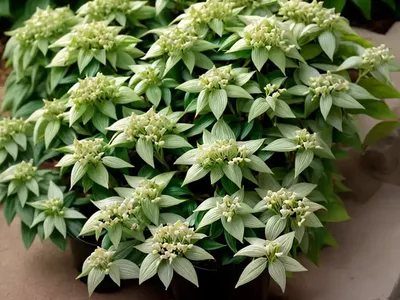
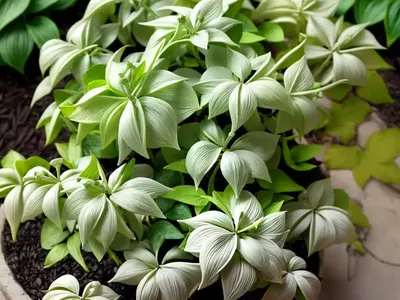
Pachysandra Terminalis (Japanese Spurge)
Pachysandra terminalis, commonly known as Japanese Spurge, is a low-growing, evergreen perennial plant that has gained wide popularity in gardens and.
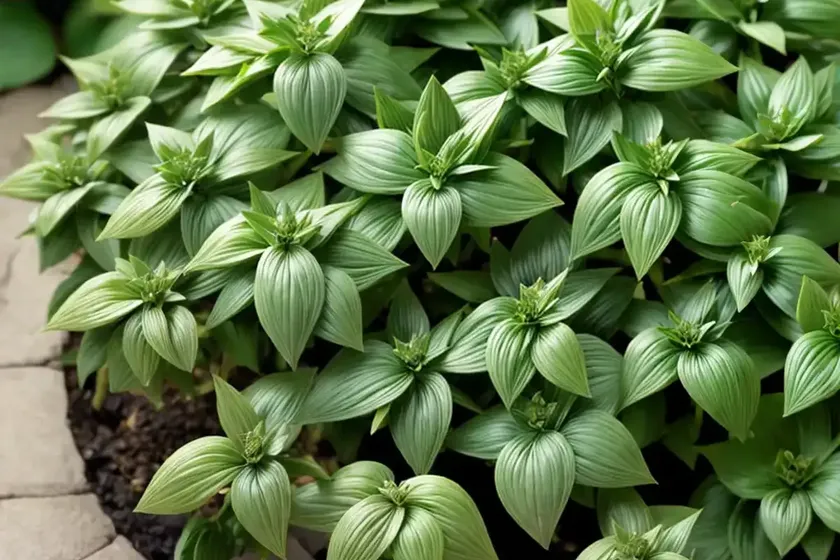
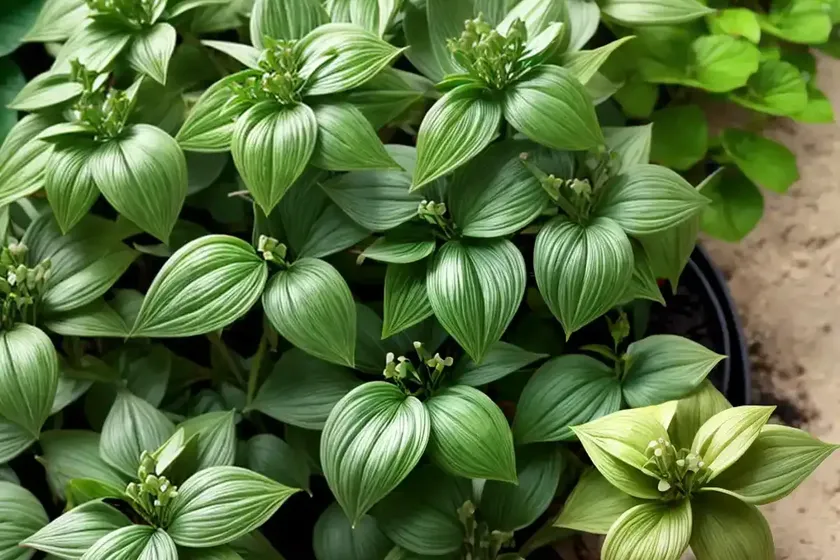
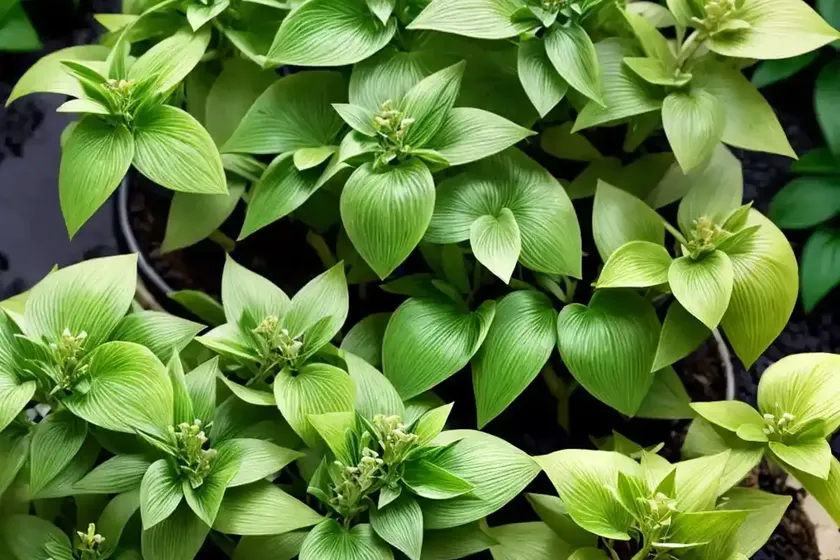
Pachysandra terminalis, commonly known as Japanese Spurge, is a low-growing, evergreen perennial plant that has gained wide popularity in gardens and landscapes for its beautiful foliage and adaptability to different growing conditions. In this comprehensive guide, we will delve into all aspects of the Pachysandra terminalis plant, including its culture, uses, cultivation, common diseases, pests, and much more. Whether you’re a gardening enthusiast, a landscape designer, or simply someone looking to enhance their outdoor space, this guide will equip you with the knowledge and skills to cultivate and care for Japanese Spurge effectively.
What is Pachysandra Terminalis (Japanese Spurge)?
Pachysandra terminalis, a member of the Buxaceae family, is a species of flowering plant native to Japan and China. Appreciated for its glossy, dark green leaves and its ability to form dense mats of attractive foliage, Pachysandra terminalis has become a popular choice for ground cover in various settings, from residential gardens to public parks and commercial landscapes. Its adaptability to shade and its low-maintenance nature make it a versatile and valuable addition to any garden or landscape design.
Key Takeaways – Pachysandra Terminalis (Japanese Spurge)
Before diving into the specifics of caring for Pachysandra terminalis, let’s highlight some key takeaways about this plant:
- Scientific Name: Pachysandra terminalis
- Common Name: Japanese Spurge
- Plant Type: Evergreen perennial
- Native Range: Japan, China
- Foliage: Glossy, dark green
- Uses: Ground cover, erosion control, landscape enhancement
- Growth Habit: Low-growing, spreading
- Adaptability: Shade-tolerant, low maintenance
- Features: Dense mats of foliage, wildlife-friendly
Now that we have a general understanding of what Pachysandra terminalis is, let’s explore in detail the various aspects of cultivating and caring for this beautiful plant.
Culture
Cultivating Pachysandra terminalis involves understanding its specific cultural requirements, including aspects like water, sunlight, fertilizer, soil, and pruning. Let’s delve into each of these elements to gain a comprehensive understanding of how to create an optimal environment for Japanese Spurge to thrive.
Uses
Pachysandra terminalis, or Japanese Spurge, is valued for its versatility and numerous uses in landscaping and gardening. Some of its common uses include:
- Ground Cover: Forms dense mats of foliage, making it an excellent ground cover plant for shaded areas.
- Erosion Control: Its spreading nature and dense growth make it effective for preventing soil erosion on slopes and embankments.
- Landscape Enhancement: Adds texture and visual interest to shaded garden beds, woodland settings, and other landscapes.
- Wildlife Habitat: Provides cover and foraging opportunities for small wildlife, such as birds and insects.
Water
One of the key considerations in caring for Pachysandra terminalis is its water requirements. Adequate moisture is essential for its establishment and ongoing health. However, it is important to strike a balance to avoid overwatering, which can lead to root rot and other issues. Here are some important points to remember about watering Japanese Spurge:
- Regular Watering: Especially important during the establishment phase, typically the first year after planting.
- Moisture Retention: Mulching around the plants can help retain soil moisture, particularly in dry or hot conditions.
- Avoid Waterlogging: Ensure proper drainage to prevent waterlogging, which can be detrimental to the plant’s root system.
Sunlight
Given its native habitat and adaptation to shade, Pachysandra terminalis thrives in shaded or partially shaded locations. Understanding its sunlight requirements is crucial for successful cultivation. Here’s what you need to know about providing the right amount of sunlight for Japanese Spurge:
- Shade Tolerance: Performs best in partial to full shade, making it an ideal choice for shaded gardens and woodland areas.
- Direct Sunlight: While it can tolerate some morning sun, intense or prolonged exposure to direct sunlight can scorch the foliage.
- Indirect Light: Filtered or dappled light, as found under trees or near buildings, is well-suited for Pachysandra terminalis.
Fertilizer
Proper fertilization can support healthy growth and vigor in Pachysandra terminalis, but it’s important to apply fertilizers judiciously to avoid potential issues. Here are some key points to consider when fertilizing Japanese Spurge:
- Moderate Fertility: Pachysandra terminalis generally thrives in moderately fertile soils and may not require frequent fertilization once established.
- Organic Matter: Amending the soil with organic matter, such as compost, can provide essential nutrients and improve soil structure.
- Avoid Excess Nitrogen: Overuse of high-nitrogen fertilizers can lead to excessive foliage growth at the expense of overall plant health.
Soil
Understanding the soil preferences of Pachysandra terminalis is instrumental in creating an optimal growing environment for this plant. Here are some essential considerations when it comes to soil:
- Moisture-Retentive: Well-draining, yet moisture-retentive soils are ideal for Japanese Spurge, as they provide adequate moisture without waterlogging.
- pH Range: Pachysandra terminalis thrives in slightly acidic to neutral soils, typically within the pH range of 5.5 to 7.0.
- Soil Amendments: Incorporating organic matter, such as peat moss or compost, can improve soil texture and enhance its moisture-holding capacity.
Pruning
Pruning is an important aspect of maintaining the health and appearance of Pachysandra terminalis. While this plant generally requires minimal pruning, there are specific considerations to keep in mind:
- Deadheading: Removing spent flowers can promote a tidy appearance and may encourage additional blooming in some varieties.
- Thinning: Periodic thinning of overcrowded growth can improve air circulation and reduce the risk of disease.
- Overall Maintenance: Regular monitoring and light grooming, such as removing damaged or discolored foliage, can help keep the plant in good condition.
Propagation
Propagating Pachysandra terminalis can be achieved through several methods, including division, stem cuttings, or seed propagation. Each technique offers distinct advantages and considerations, allowing flexibility in expanding your Japanese Spurge population. Here’s a closer look at the propagation methods for this plant:
Division
Dividing established clumps of Pachysandra terminalis is a popular and reliable method of propagation. It allows you to create new plants from existing ones and rejuvenate older, overcrowded patches. Here’s how division propagation works:
- Selecting Healthy Plants: Identify healthy, well-established clumps of Pachysandra terminalis for division.
- Digging and Separating: Carefully dig up the plant and its roots, dividing it into smaller sections with a sharp, clean tool.
- Replanting: Transplant the divided sections into prepared planting sites, ensuring adequate watering and care during the establishment phase.
Stem Cuttings
Propagating Pachysandra terminalis from stem cuttings offers an efficient way to produce new plants with desirable characteristics. This method is particularly useful for propagating specific cultivars or varieties with unique traits. Here’s an overview of stem cutting propagation:
- Selecting Cuttings: Choose healthy, non-flowering stems for cutting, typically in the late spring or early summer.
- Preparing Cuttings: Take 4-6 inch stem cuttings and remove the lower leaves, leaving only a few at the top.
- Rooting: Place the cuttings in a well-draining, moist rooting medium and provide the appropriate conditions for root development.
- Transplanting: Once the cuttings have developed roots, carefully transplant them into individual pots or planting sites.
Seed Propagation
While less common than other propagation methods, growing Pachysandra terminalis from seeds can be a rewarding and cost-effective way to expand your plantings. Here’s a basic outline of the seed propagation process:
- Seed Collection: Collect seeds from mature Pachysandra terminalis plants when they are ripe and ready for propagation.
- Seed Preparation: Clean the seeds and store them in a cool, dry place until they are ready for sowing.
- Sowing Seeds: Plant the seeds in a prepared seedbed or containers, providing the necessary conditions for germination and early growth.
- Transplanting: Once the seedlings are large enough to handle, carefully transplant them into individual pots or designated planting sites.
Container Popularity
Pachysandra terminalis is well-suited for container cultivation, offering a range of practical and aesthetic possibilities for both indoor and outdoor settings. The plant’s low-growing, spreading nature and shade tolerance make it a versatile choice for container gardening. Here are some key points regarding the popularity of Pachysandra terminalis in containers:
- Indoor Use: Japanese Spurge can be grown indoors in containers, providing an evergreen foliage accent in interior spaces.
- Outdoor Containers: When used in outdoor containers, Pachysandra terminalis can create lush, low-maintenance displays in shaded areas.
- Design Flexibility: Its adaptability to containers opens up opportunities for creative placement in various settings, from patios and balconies to shaded garden areas.
Common Diseases
While Pachysandra terminalis is generally a resilient plant, it is susceptible to certain diseases that can affect its growth and overall health. Understanding the common diseases and their management is crucial for maintaining thriving Japanese Spurge plantings. Let’s explore some of the typical diseases that may impact Pachysandra terminalis:
Disease Diagnosis
- Volutella Blight: A fungal disease that causes browning and dieback of the foliage, often leading to defoliation and weakened plants.
- Phytophthora Root Rot: Occurring in waterlogged or poorly drained soils, this disease results in root decay and overall decline of the plant.
- Leaf Spot: Characterized by the appearance of dark lesions on the leaves, leaf spot can be caused by various fungal pathogens.
Understanding the symptoms and conditions conducive to these diseases can aid in accurate diagnosis and effective management strategies.
Common Pests
Pachysandra terminalis can also face challenges from various pests, which can impact its appearance and vitality if not properly addressed. Being aware of the common pests and implementing preventive measures are essential for preserving the health and aesthetics of Japanese Spurge. Here are some of the typical pests that may affect Pachysandra terminalis:
- Scale Insects: These small, immobile pests can infest the foliage and stems of Pachysandra terminalis, causing yellowing and weakening of the plant.
- Spider Mites: These tiny arachnids can cause stippling and discoloration of the foliage, especially under hot and dry conditions.
- Slugs: Slugs can feed on the foliage of Pachysandra terminalis, causing damage to the leaves and potentially impacting the plant’s vigor.
Implementing integrated pest management practices and monitoring for early signs of pest infestations are crucial for preserving the health and appearance of Japanese Spurge.
Botanist’s Tips
To further enhance your understanding of Pachysandra terminalis and its cultivation, here are some expert tips and recommendations from botanists and horticulture professionals:
- Mulching Matters: Applying a layer of organic mulch around Pachysandra terminalis can help conserve soil moisture and suppress weed growth.
- Proactive Monitoring: Regularly inspecting plants for signs of disease, pests, or other issues can help in early detection and management.
- Companion Planting: Consider companion planting with other shade-tolerant species to create visually appealing and ecologically beneficial garden compositions.
Fun Facts
Uncovering the unique characteristics and traits of Pachysandra terminalis can deepen your appreciation for this remarkable plant. Here are some fun and interesting facts about Japanese Spurge:
- Wildlife Attraction: The dense foliage of Pachysandra terminalis can provide cover and habitat for small wildlife, such as birds and insects.
- Low Maintenance: With its adaptability to shade and minimal care requirements, Pachysandra terminalis offers an attractive option for low-maintenance landscapes.
- Evergreen Qualities: The glossy, dark green foliage of Japanese Spurge retains its color and vibrancy throughout the year, adding enduring beauty to landscapes.
Links to External Resources
To further enrich your knowledge and explore additional information about Pachysandra terminalis, consider referring to the following external resources:
- The American Horticultural Society
- Royal Horticultural Society
- University Extension Programs
- Botanical Gardens and Arboretums
In conclusion, Pachysandra terminalis, or Japanese Spurge, is a plant of exceptional beauty and adaptability, offering numerous benefits to gardeners, landscape designers, and nature enthusiasts. By understanding its cultural requirements, uses, propagation methods, and common challenges, you can cultivate and care for this remarkable plant with confidence and success. Whether as a ground cover, a container accent, or a wildlife-friendly addition to your garden, Pachysandra terminalis stands as a testament to the enduring allure of nature’s creations, enriching our outdoor spaces and connecting us to the natural world.
With the insights and knowledge gained from this guide, you are well-equipped to embark on a journey of discovering and nurturing Pachysandra terminalis, unlocking its full potential and embracing the beauty it bestows upon the landscapes it graces.
So, go ahead, and let the timeless elegance of Japanese Spurge transform your outdoor spaces into havens of tranquility and natural splendor!